
Booking a flight feels simple enough. You pick some dates, compare a few prices, and hit purchase. Yet small missteps in that process add up fast, and most travelers never realize how much extra they’ve paid until they compare notes with someone who booked the exact same route for far less. Airfare pricing has grown more complicated in 2026, with algorithms updating constantly and fare rules varying wildly between airlines.
The good news is that most of these costly mistakes are easy to fix once you know what to look for. None of them require insider tricks or secret codes, just a bit more attention to timing, fare type, and how airlines actually price seats. Here are seven habits worth breaking before your next trip.
1. Booking Too Early or Waiting Too Long

Many travelers assume that booking months and months in advance guarantees the lowest fare, while others wait until the last minute hoping for a deal. Both instincts tend to backfire. For domestic flights, the sweet spot is generally one to three months out, while international flights tend to reward booking two to eight months ahead.[1] Waiting past that window rarely pays off, since flight prices rarely fall in a predictable way as your trip nears, and waiting usually costs more, not less.[2]
The idea of a single “best day” to book has also lost most of its relevance. Airlines once released fares on Tuesdays, but pricing now updates continuously, many times a day, so no single booking day guarantees a lower fare.[1] What matters far more is landing inside that broader booking window rather than obsessing over a specific date on the calendar.
2. Ignoring Which Day You Actually Fly

It’s easy to fixate on when you book and forget that the day you actually travel matters more. The day you fly matters more than the day you book, and Tuesday, Wednesday, and Saturday are usually the cheapest days to fly.[2] That’s because business and leisure demand cluster around certain days. Business and leisure travelers cluster around the weekend, and midweek and Saturday flights see less of it.[1]
Recent data has added a twist to this pattern. Flying on a Friday instead of Sunday can save up to 8 percent according to Expedia’s 2026 Air Hacks Report, and Tuesday remains the cheapest day to fly in terms of raw average cost, coming in about 14 percent less than Sunday departures.[3] If your schedule has any flexibility at all, shifting your departure by even one day can save more than most people manage by hunting for the “perfect” booking moment.
3. Believing Incognito Mode Will Trick the System

This one refuses to die, but the evidence against it keeps piling up. Searching incognito or clearing cookies does nothing to your fare, and that particular tip is a myth.[2] A study testing a dozen major travel platforms found something similar. A 2023 study by the Norwegian Consumer Council, which tested 12 major travel platforms, found measurable price differences in 38 percent of cases, but only 7 percent of those were directly linked to cookie-based personalization.[4]
Even more compelling is research from economists who dug directly into airline pricing systems. Research by economists from Berkeley, Yale, and the University of Chicago, who analyzed the pricing algorithm of a major US airline, found that individual user interest has absolutely no effect on the prices shown, and what matters is the total number of bookings across the entire flight.[4] The price jump you noticed after refreshing the page twice almost certainly had nothing to do with your browser and everything to do with seat inventory shifting in real time.
4. Overlooking the Difference Between Cash Fares and Award Availability
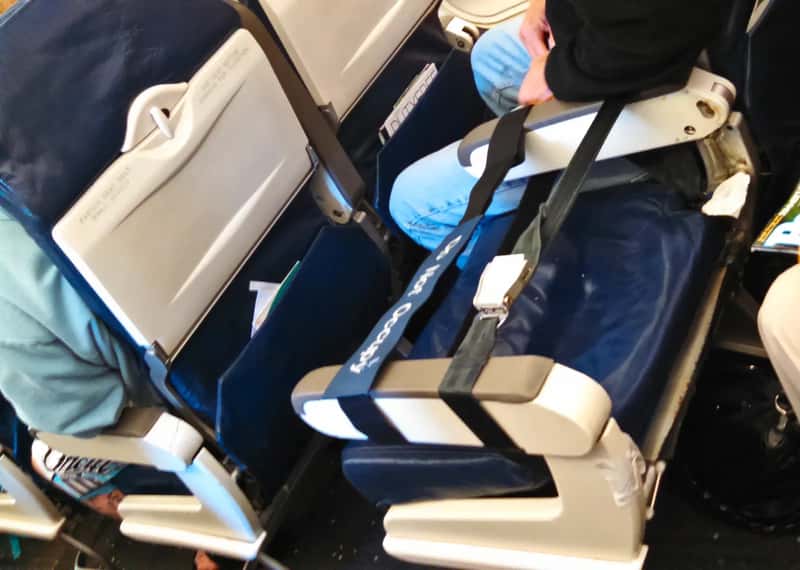
If you fly on points at all, treating cash-fare timing rules as universal can cost you dearly. Award seats and cash tickets follow almost opposite patterns. The cheapest cash window of one to three months before departure is often the worst time to find award availability, since cash fares and award seats follow opposite patterns.[5] By the time most people start shopping for a “good deal,” the best redemption options are already gone.
Award inventory actually opens up far earlier than most travelers expect. Most airlines release their schedule, including award seats, 330 to 361 days before departure, and this is when you’ll find the widest selection of award seats, especially for premium cabins like business and first class.[5] If you’re planning a points redemption for a big trip, booking near that release window rather than waiting matters more than any cash-fare strategy ever will.
5. Booking Basic Economy Without Reading the Fine Print
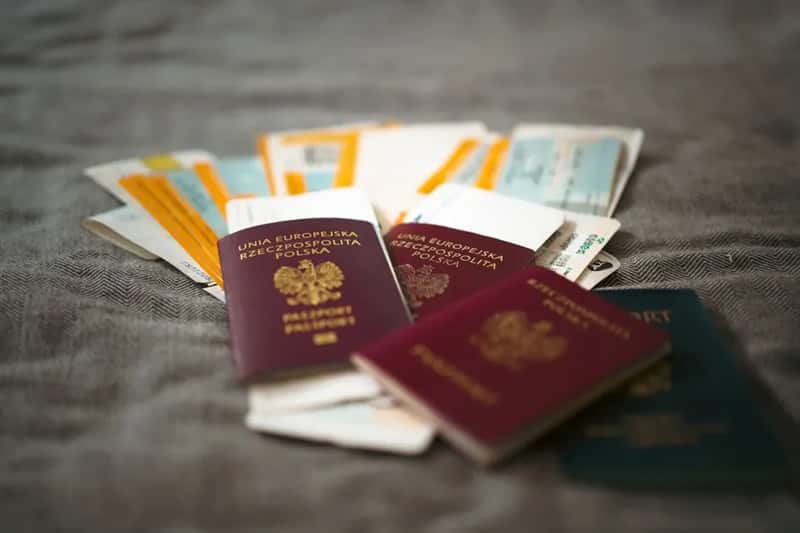
Basic economy fares look tempting on the search results page, but the restrictions attached to them can turn a “cheap” ticket into an expensive headache if plans change. Basic Economy tickets are the most restrictive fare class, with virtually no cancellation rights after the DOT 24-hour window closes.[6] Unlike standard economy fares, most basic economy tickets offer no flexibility once that initial window has passed.
There is one universal safety net worth knowing about regardless of fare type. After booking virtually any flight, you have up to 24 hours to cancel and get a full refund without paying any additional fees, and it doesn’t even matter what type of ticket you purchase, whether it’s a pricy first class fare or the cheapest basic economy ticket.[7] That said, the protection only applies under specific conditions. The rule covers flights touching U.S. soil at some point booked directly with the airline at least seven days in advance.[8] Book through a third-party site or inside that seven-day window, and you may lose that flexibility entirely.
6. Assuming the Airline’s Own Site Always Has the Best Price
Many travelers default to booking directly on an airline’s website out of habit or loyalty, without ever comparing what a metasearch tool or another carrier might offer for the same route. Fares can vary substantially between platforms and even between browsers on the same day, not because of tracking, but because of how quickly different systems update. Airlines and booking platforms update fares constantly based on seat inventory, booking class availability, and demand, and a lower fare bucket can disappear between searches.[9]
That volatility cuts both ways. Sometimes the airline’s direct site is cheaper because of exclusive fare classes, and other times a comparison tool surfaces a better deal simply because it caught the fare before the bucket sold out. Travel comparison websites can help you quickly compare prices from multiple airlines and agencies, and signing up for fare alerts keeps you informed about price fluctuations.[10] Skipping that comparison step entirely, and just booking with whichever airline you flew last time, is one of the easiest ways to overpay without ever realizing it.
7. Ignoring Seasonal and Monthly Pricing Patterns

Even travelers who nail the booking window and the right day of the week can still overpay if they ignore broader seasonal trends. Certain months are consistently cheaper across the board. January and February are the cheapest months to fly, September and October are strong runners-up, while July and December are often the most expensive.[1] Planning a trip around these patterns, when possible, can mean a meaningfully lower fare for the exact same route.
Shoulder season deserves special attention if your destination allows for flexibility. Shoulder season is worth considering, since in Europe, April to May and September to October bring good weather, thinner crowds, and fares that can run 20 to 40 percent below peak.[1] Certain weeks also spike regardless of the month. Thanksgiving week, the two weeks around Christmas, spring break, and the weeks around July 4th all see spikes.[5] Building a trip around these known pressure points, rather than against them, is one of the simplest ways to keep a travel budget intact.
None of these fixes require obsessive spreadsheet tracking or insider industry knowledge. Most come down to understanding how airline pricing actually behaves rather than chasing outdated tricks that stopped working years ago. Booking within the right window, staying flexible on the day of the week, reading fare rules before clicking purchase, and paying attention to seasonal timing will do more for your wallet than any myth about incognito browsers ever could.
Airfare will likely keep shifting as airlines refine their pricing algorithms further into 2026 and beyond. Still, the fundamentals covered here are unlikely to change much: demand drives price, flexibility saves money, and the fine print on a fare almost always matters more than the sticker price up front.