Champagne and Tuscany still command the postcards and the price tags, but the numbers tell a more interesting story these days. In the 2026 International Wine Challenge, Champagne once again led the global regional rankings, while Portugal’s Douro emerged[1] as a serious contender, and England posted the highest gold-medal conversion rate of any major wine country submitting significant volumes. That kind of shift doesn’t happen by accident.
Wine travelers have noticed too. As one 2026 industry overview put it, wine tourism is shifting toward emerging regions where serious travelers find authentic experiences at a fraction of the cost of classic destinations[2]. Here are seven regions where the wine, the value, and the momentum are genuinely rivaling the icons.
1. Kakheti, Georgia
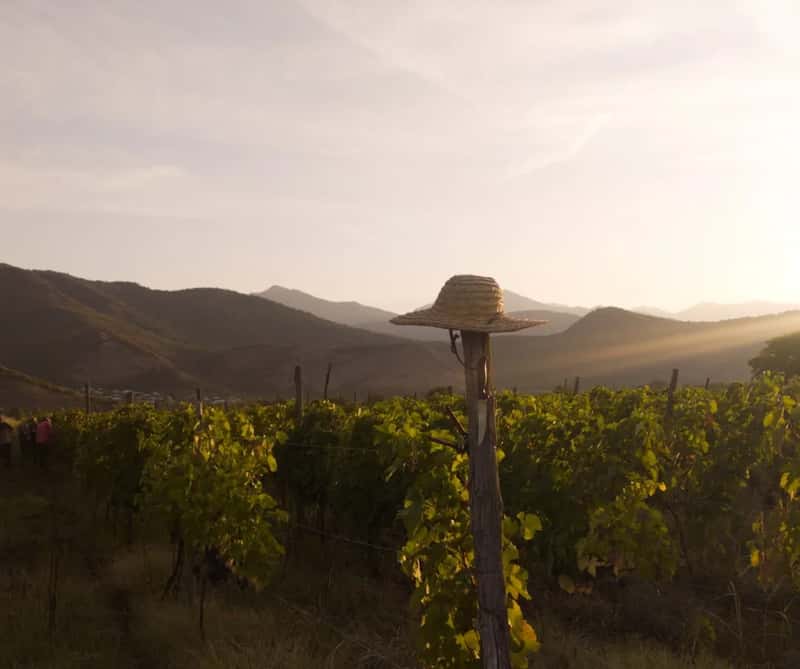
Georgia’s eastern heartland is arguably the most historically loaded wine region on earth. Kakheti is the country’s top wine region, home to 65% of Georgia’s vineyards, blending 8,000 years of winemaking history with stunning natural beauty.[3] The region’s signature method has earned global recognition, since Kakheti is renowned for its UNESCO-listed qvevri winemaking method, using large, egg-shaped clay vessels buried underground to ensure stable fermentation.[3]
Quality scores back up the buzz. At the 2026 International Wine Challenge, Georgia continued its impressive rise with a 7.14% Gold rate[1], a strong showing for a country still building international distribution. Add in the fact that a serious Saperavi tasting in the region reportedly costs less than a supermarket bottle of Chianti back home, and it’s easy to see why sommeliers keep flying in.
2. Sussex and Kent, England
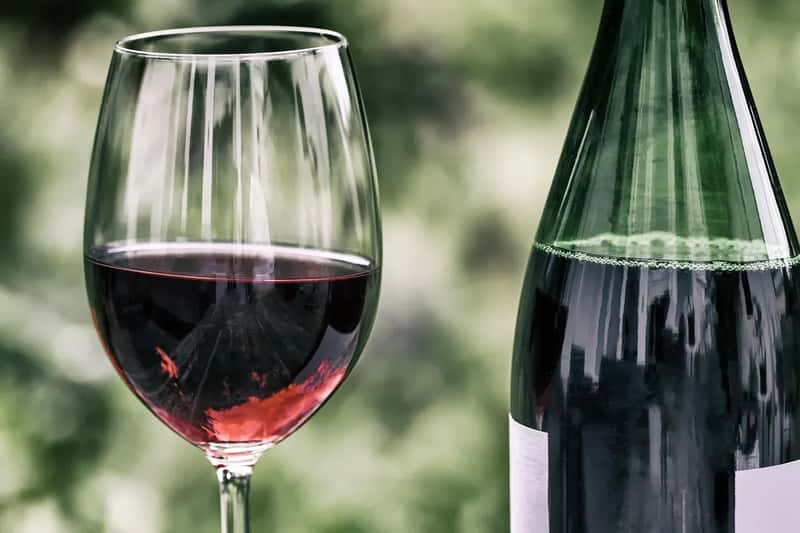
English sparkling wine has stopped being a punchline and started being a threat. At the 2026 IWC, England achieved the highest Gold success rate among countries submitting significant volumes of wine, at 16.48%[1], comfortably ahead of Australia, Portugal, Italy, and France. The chalk soils running beneath Sussex and Kent are geologically the same seam that underpins Champagne, which is no small coincidence.
Industry watchers describe the trend bluntly: Sussex and Kent are producing wines that compete directly with established Champagne houses, driven by chalk soils and a climate that increasingly suits the Chardonnay-Pinot Noir blend.[4] What used to be dismissed as a curiosity is now winning blind competitions against Champagne[4], and warming summers are only helping the Pinot Noir and Chardonnay ripen more consistently each vintage.
3. Mount Etna, Sicily, Italy
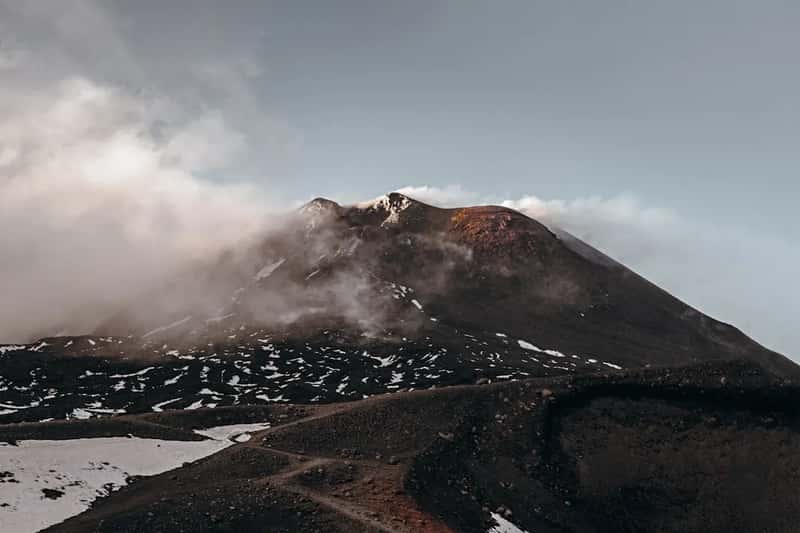
Italy doesn’t need to leave its own borders to find an answer to Tuscany’s fame, and Etna is proof. Sicily’s volcanic slopes are being marketed as a genuine alternative to the classics, with buyers guides pointing new customers toward volcanic slopes in Sicily[5] as one of the freshest categories on the shelf right now. The mineral-driven Nerello Mascalese reds and crisp Carricante whites grown on ash-rich soil taste like nothing else in Italy.
The country’s overall competition results support the enthusiasm surrounding regions like Etna. Italy also outperformed France on conversion rate despite entering substantially fewer wines overall[1] at the 2026 IWC, a sign that Italian producers, including Sicily’s rising volcanic estates, are punching well above their commercial weight. Land here is still far cheaper than Chianti or Montalcino, which keeps drawing ambitious young winemakers to the mountain.
4. Douro Valley and Dão, Portugal
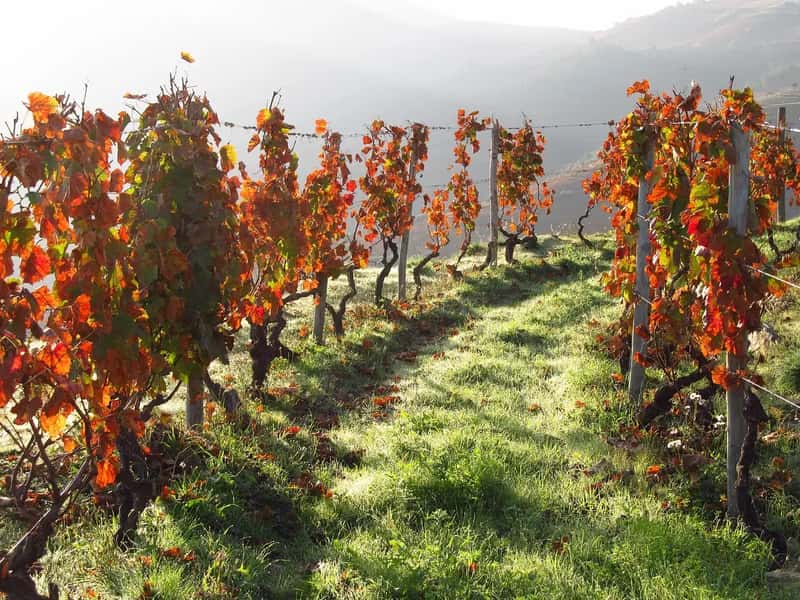
Portugal is having a moment that goes beyond Port wine nostalgia. The country’s dry table wines are increasingly stealing headlines, and the data backs it up: Champagne once again led the global regional rankings, while Portugal’s Douro emerged[1] as one of the standout stories of the 2026 IWC results. Meanwhile, Portugal posted a 9.04% gold conversion rate, ahead of Italy, France, and Spain.
Beyond the Douro, industry buyers are pointing to a second wave of quality. Beyond Vinho Verde, the regions to watch are Dão for elegant reds, Lisboa for everyday-drinking value, and the Alentejo for bold, ripe styles that feel familiar to California wine drinkers.[6] Portugal’s ambitions are backed by hard export numbers too, as Portugal’s wine sector is targeting €1 billion in exports for 2026, with the U.S. remaining one of its largest markets.[6] Prices remain a fraction of comparable Bordeaux or Tuscan reds, which is exactly why sommeliers keep quietly restocking their by-the-glass lists with Touriga Nacional.
5. Crete, Greece
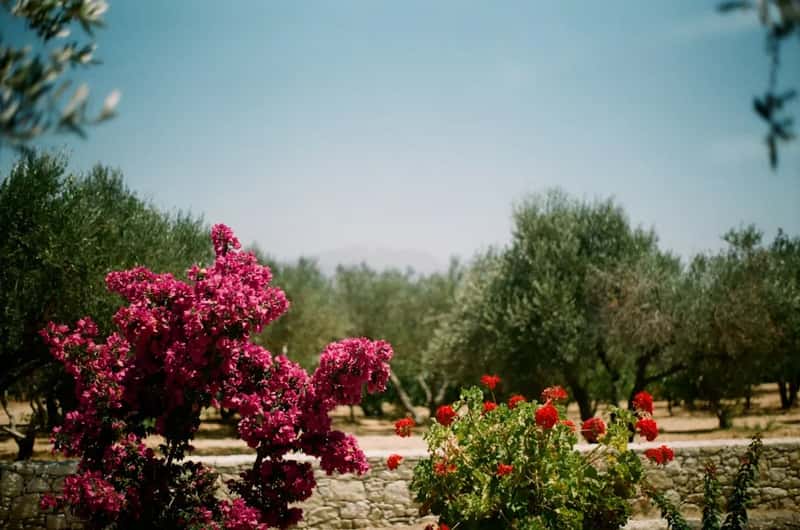
Greece’s largest island has spent years in Santorini’s shadow, and 2026 is the year that changes. According to wine trade coverage, while Santorini has priced itself into the stratosphere, Crete has been quietly undergoing a renaissance, and Crete has been named the European Region of Gastronomy for 2026.[7] That kind of institutional spotlight tends to accelerate everything from restaurant placements to tourism bookings.
The grapes themselves are part of the appeal. Buyers are being told to watch for the Vidiano grape and Liatiko, an ancient red variety that drinks like a spicy Pinot Noir, noting that with phylloxera-free old vines and high-altitude sites, the quality-to-price ratio here is insane.[7] Greece as a whole is also delivering strong competition results, with the country posting a 9.68% gold rate at the 2026 IWC, among the best of any smaller wine-producing nation.
6. Penedès, Catalonia, Spain
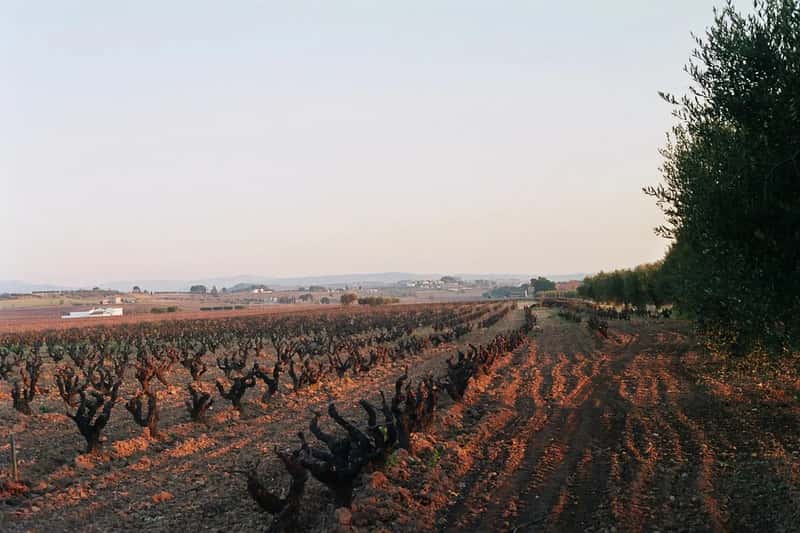
Just outside Barcelona, a quiet rebellion against mass-market Cava is reshaping Spanish sparkling wine. According to trade analysts, the “Champagne Grower” revolution, where farmers bottle their own wine rather than selling grapes to big houses, is spreading to Catalonia, with an explosion in artisanal production and a renewed focus on indigenous grapes like Xarel-lo and Macabeo.[7] These small growers are rewriting expectations for what Spanish bubbles can taste like.
The stylistic shift is deliberate and dramatic. Industry observers describe a hard pivot away from mass-produced, rubbery juice toward long-aged, terroir-driven sparkling wines that rival top Champagne for complexity, but at a fraction of the price.[7] Many of these producers are also stepping outside the traditional Cava appellation entirely, choosing to bottle under their own labels so the wine reflects a single vineyard rather than a blended commodity.
7. Jura, France
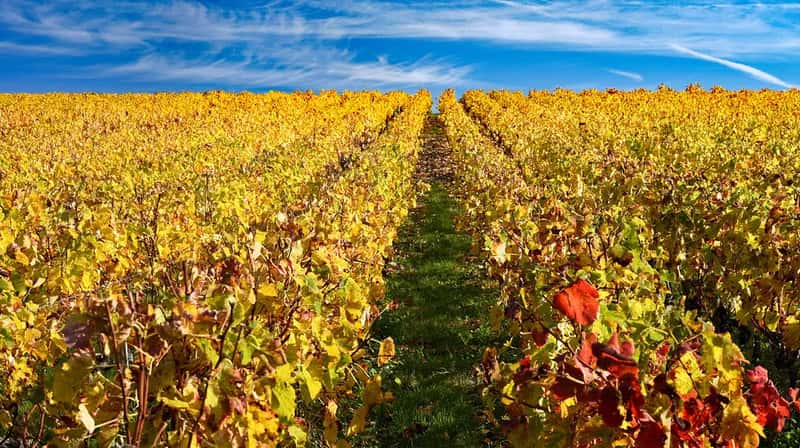
Tucked between Burgundy and the Swiss border, Jura is proof that a region doesn’t need size to matter. Nestled between Burgundy and Switzerland, Jura is France’s smallest wine region, accounting for just 0.03% of the country’s vineyards, yet this mountainous area delivers some of the most memorable wines you’ll find.[3] Its scarcity is part of the mystique, and it has made the region a favorite among sommeliers hunting for something genuinely different from mainstream Burgundy.
The wines themselves are unlike anything from neighboring regions. Jura’s standout wine is Vin Jaune, crafted from the local Savagnin grape, undergoing a unique aging process that spends six years in untopped barrels under a yeast layer, similar to sherry production, and it’s traditionally bottled in a 62 cl clavelin.[3] With only 10% of its production reaching international markets[3], most bottles never leave France, which only adds to the appeal for collectors willing to seek it out.
None of this means Champagne or Tuscany are losing their crown anytime soon. Both regions remain resilient economically, and one 2026 tourism report noted that Champagne, where luxury tourism remains resilient, and Tuscany, benefiting from diversified hospitality ecosystems[8], still anchor the premium end of the wine world. What’s changing is the competition beneath them, as smaller regions post better value, stronger quality scores, and increasingly credible international medals.
For travelers and drinkers alike, the timing feels right. Prices are lower, producers are more accessible, and the wines are improving fast enough that waiting a few more years might mean paying Tuscan prices for what’s currently a Kakheti or Etna bargain. Sometimes the best cellar decisions are made before everyone else catches on.