Every seasoned traveler knows the moment. You’ve hauled your suitcase through a lobby, handed over your ID, and waited for that little card key to appear, only to hear a version of “just a few more minutes.” The words themselves sound harmless enough, even reassuring. But front desk language has its own quiet logic, and some phrases are more polite ways of saying the room simply isn’t done.
Understanding what’s actually happening behind the desk can make those waits less frustrating. Housekeeping, front office software, and staffing all move at their own pace, and certain phrases tend to surface again and again when a room is still in progress. Here are seven of them, along with what they usually mean in practice.
“Your Room Is Still Being Prepared”
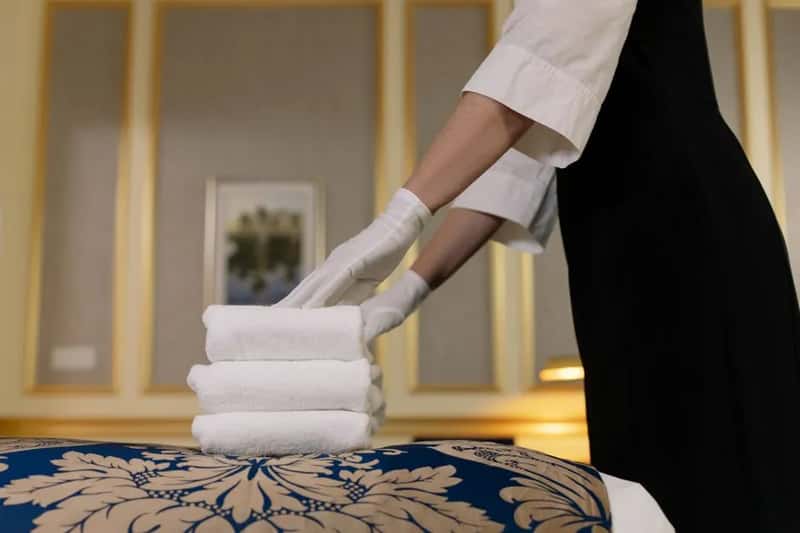
This is probably the most common phrase in the entire check-in vocabulary, and it’s almost always literal. It typically means housekeeping hasn’t finished the room yet, whether that’s making the bed, restocking the bathroom, or running a final vacuum pass. In a sample front desk exchange used for hospitality training, a guest checking in was told their room is not quite ready yet and it should be ready within the next 10 mins[1], which is a fairly typical version of this phrase in action.
Most hotels set official check-in windows somewhere between noon and three in the afternoon, largely because that’s how long a full turnover realistically takes. Check-in times vary, but can range from about 12 pm to about 3 pm, depending on the establishment’s rules and regulations.[2] So if you arrive right at the start of that window, “still being prepared” often just means you showed up exactly when the housekeeping team is racing to catch up.
“We’re Waiting on Housekeeping Confirmation”

This phrase sounds bureaucratic, and in a way it is. It generally means the room has physically been cleaned, but a supervisor hasn’t formally signed off on it in the system yet, so the front desk technically can’t hand over a key. It means your room has been cleaned but the supervisor hasn’t signed off yet.[3]
The delay usually comes down to how information travels inside a hotel. In most hotels, the front desk is the communication hub but often also the bottleneck, and without visibility into housekeeping progress, front-desk agents constantly call or message for updates, which wastes time and leads to miscommunication.[3] Turnover speed also depends heavily on the property. A standard checkout room takes 25 to 45 minutes to turn over, though budget hotels average 20 to 30 minutes per room, full-service properties run 30 to 40 minutes, and luxury hotels or suites can require 45 to 60 minutes.[3] Hearing this phrase usually puts you near the tail end of that window rather than the start of it.
“We’ll Text You When It’s Ready”
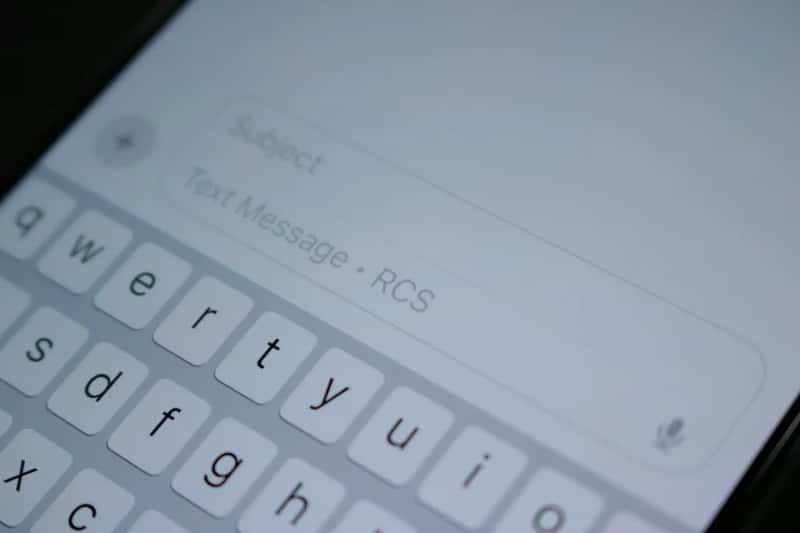
This one feels like a modern convenience, and sometimes it is. At other times, it’s simply a way to get a guest out of the lobby line without committing to a specific timeframe. One travel industry writer has pointed out that this promise doesn’t always hold up in practice, especially at busier or higher-end properties, noting that hotels rarely follow through consistently on the pledge.
The phrase itself is not dishonest, but it does shift the waiting experience from standing at the desk to sitting somewhere else with your phone in hand. It’s worth asking for a rough estimate anyway, since a text notification system depends entirely on housekeeping actually updating room status promptly in the property’s software. If nothing arrives within a reasonable window, following up at the desk directly is usually more effective than waiting indefinitely for a notification.
“It Should Be Ready As Soon As Possible”
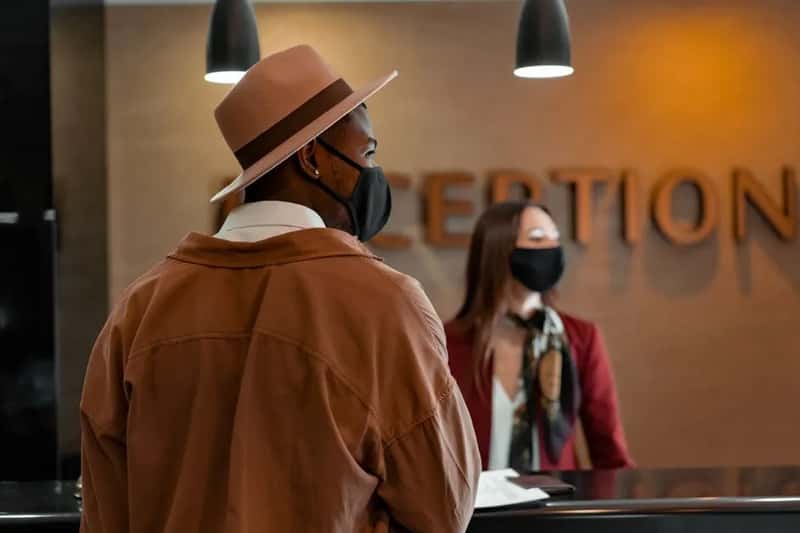
Of all the phrases on this list, this might be the vaguest, and that vagueness is often the point. As one hospitality writer put it, this is the phrase that frustrates travelers the most, because “as soon as possible” could mean five minutes or five hours and the front desk agent technically isn’t lying either way.[3]
Part of the reason this phrase persists is that check-in and checkout structures are still fairly rigid across the industry. Many hotels continue to maintain the traditional 3 PM check-in and 11 AM checkout structure, citing the need for room preparation as justification, though industry experts argue that such rigid practices are becoming outdated.[3] Guest demand for more flexibility is well documented too. A survey of 5,000 frequent travelers revealed that nearly two thirds would choose a hotel offering flexible check-in and check-out times over a competitor with similar amenities and pricing.[3] When you hear this phrase, it’s often the hotel quietly buying itself time rather than giving you a real estimate.
“Would You Like to Wait in the Lounge?”
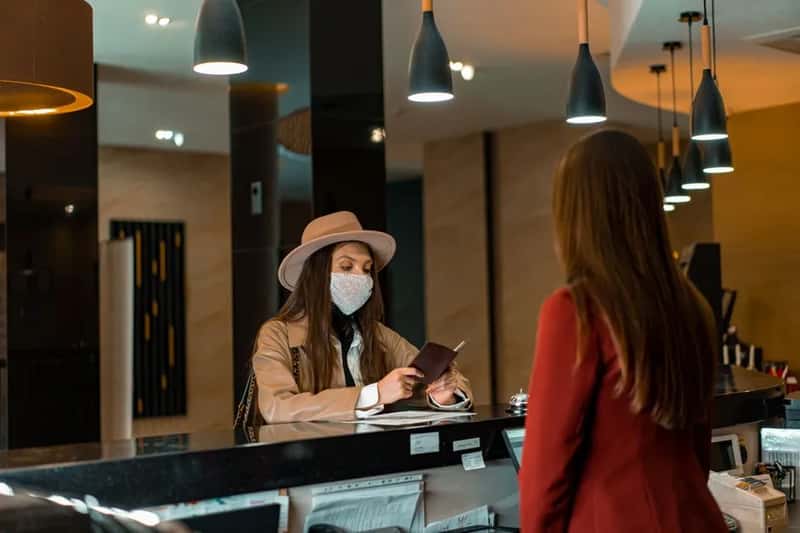
This one rarely mentions the room status directly, which is exactly why it’s worth noticing. It’s an invitation phrased as hospitality, but functionally it usually means the same thing as the phrases above: the room isn’t ready, and the front desk would rather redirect you than leave you standing there watching the clock.
To be fair, some properties do have genuinely pleasant lobbies, coffee bars, or lounges that make the wait painless. That doesn’t change what the phrase is signaling underneath the offer. If you’re handed a drink voucher or invited to sit down “for a few minutes,” it’s reasonable to also ask for a specific time estimate rather than settling in indefinitely.
“Let Me Check With My Manager”
This phrase can mean several things, but when it comes up specifically in response to a room-readiness question, it’s often a sign that the front desk agent doesn’t have a straight answer yet. Hospitality training materials frequently list this exact line as a stalling phrase used when you need to check first: “Let me check with my manager and get back to you in a few minutes.”[4]
It’s not necessarily a bad sign. Sometimes it means the agent is trying to secure an early room, a specific floor, or an upgrade on your behalf, which does take a manager’s involvement. Still, if this phrase turns into multiple rounds of waiting without a clear update, it’s a reasonable moment to politely ask for a firmer timeframe.
“The Room Is Still on Queue”
This is a more technical phrase you might overhear staff use with each other, or occasionally directly with a guest at a larger property. It refers to a specific room status. On-Queue means a guest has arrived at the hotel, but the room assigned is not yet ready, and in such cases the room is put on queue status in order for the housekeeping staff to prioritize such rooms first.[5]
In plain terms, being “on queue” is actually a slightly better position than simply waiting with no status at all, since it signals that housekeeping has been alerted to move that specific room up the priority list. It doesn’t guarantee speed, but it does mean the system has flagged your arrival rather than leaving you in a general backlog. Properties with dozens or hundreds of rooms turning over at once rely on this kind of internal flagging to avoid guests waiting far longer than necessary.
None of these phrases are meant to deceive anyone outright. They’re mostly shorthand, built up over years of front desk routine, that lets staff avoid saying “your room isn’t clean yet” in so many words. Most hotels also build in a grace period for early arrivals rather than making guests wait for the exact posted check-in time. Most hotels allow a grace time, typically 30 to 60 minutes, upon request by a guest, without any additional charge, if a guest wishes to have access to the room before the check-in time.[2]
Knowing what these lines usually mean doesn’t eliminate the wait, but it does make it easier to ask the right follow-up question instead of just nodding along. A simple “roughly how many minutes are we talking about” tends to get a more useful answer than the original phrase ever will.