Freedom of religion is something many people take for granted. The ability to question, explore, and ultimately change what you believe is treated as a basic human right in most of the world. Yet for hundreds of millions of people living under certain legal systems, that choice can cost them everything, including their freedom, their citizenship, and in some cases, their lives.
According to the US Commission on International Religious Freedom (USCIRF), roughly one in four nations (46 total) restrict the right of their people to either adopt or propagate a religion. These are not just abstract rules on dusty legal books. They are enforced, feared, and life-altering. The seven countries below represent some of the most severe examples on the planet. Brace yourself.
1. Saudi Arabia: Where Apostasy Is Written Into Law as a Capital Crime
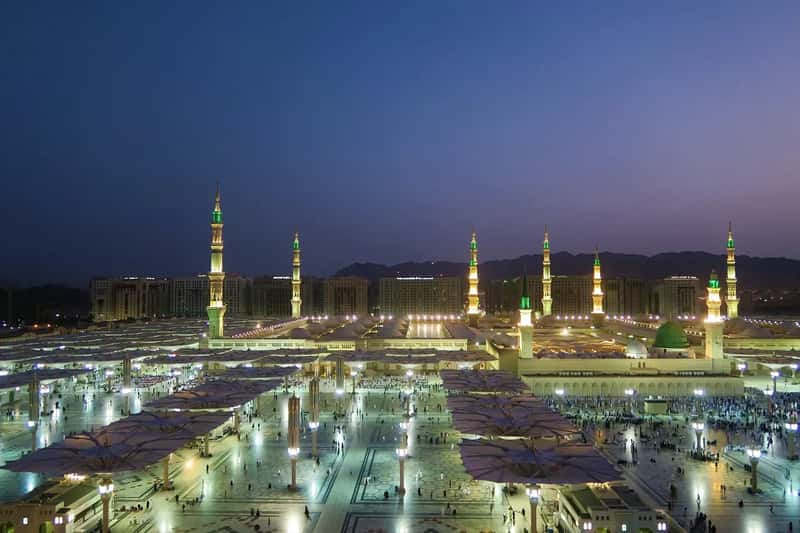
Saudi Arabia has criminal statutes making it illegal for a Muslim to change religion or to renounce Islam, which is defined as apostasy and punishable by death. The country does not maintain a formally codified criminal code in the Western sense, which makes things even more unpredictable for those accused.
Saudi Arabia operates under a mostly unwritten version of Sharia law that gives prosecutors and judges extremely wide latitude, and the country’s lack of a written criminal code means that judges hand down some of the harshest sentences in the world for crimes like blasphemy.
The country does not allow public expression of any religion other than Islam, with no official churches in the country, and importing Bibles or Christian literature is banned. Even quiet, private worship gatherings risk being shut down.
In Saudi Arabia, an Indian national was charged with blasphemy in 2019, fined, and sentenced to 10 years in prison for tweeting criticism of Muhammad and Allah, as well as of the Saudi government. That sentence alone should tell you how seriously the state takes any challenge to Islam.
2. Iran: Prison Sentences Have Increased Sixfold for Converts
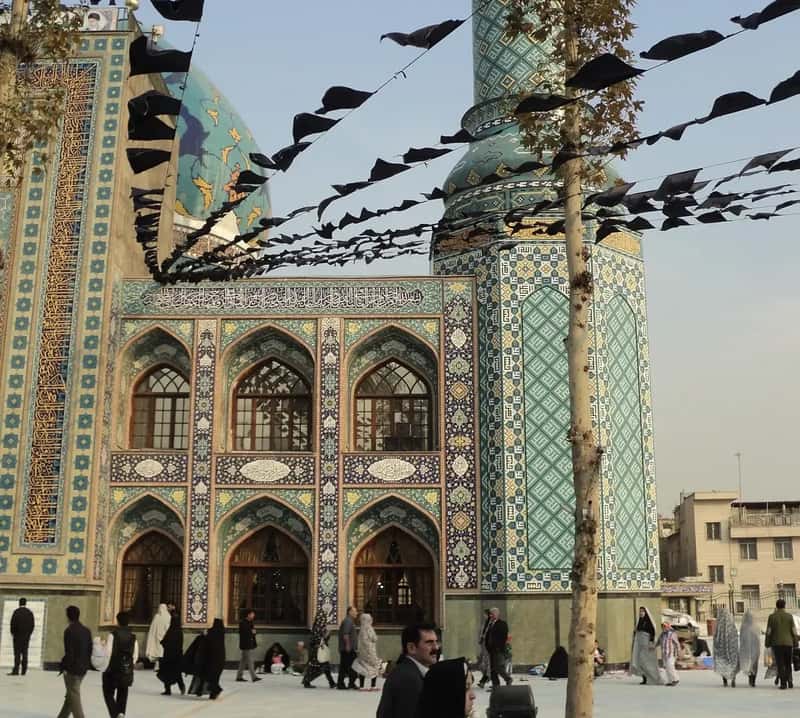
Apostasy, specifically conversion from Islam, can be punishable by death in Iran, and in 2022, the penal code specified the death penalty for proselytizing and any attempt by non-Muslims to convert Muslims. This is not ancient history. This is a law refreshed within the last few years.
Iranian law prohibits Muslims from changing or renouncing their religious beliefs, with the only recognized conversions being from other religions to Islam. Iran’s persecution of Christians has surged in intensity and brutality, with the evangelical Christian community singled out for violent arrests and interrogations, and lengthy prison terms that have increased sixfold.
The constitution of Iran defines the country as an Islamic republic and specifies Twelver Ja’afari Shia Islam as the official state religion, stating that all laws and regulations must be based on “Islamic criteria” and an official interpretation of sharia.
Proselytization of religions other than Islam carries a punishment of up to 10 years in prison. In practice, even hosting a small prayer gathering in someone’s home can trigger a criminal investigation, arrest, and a decade behind bars.
3. Afghanistan: Death Penalty Embedded Directly in the Constitution
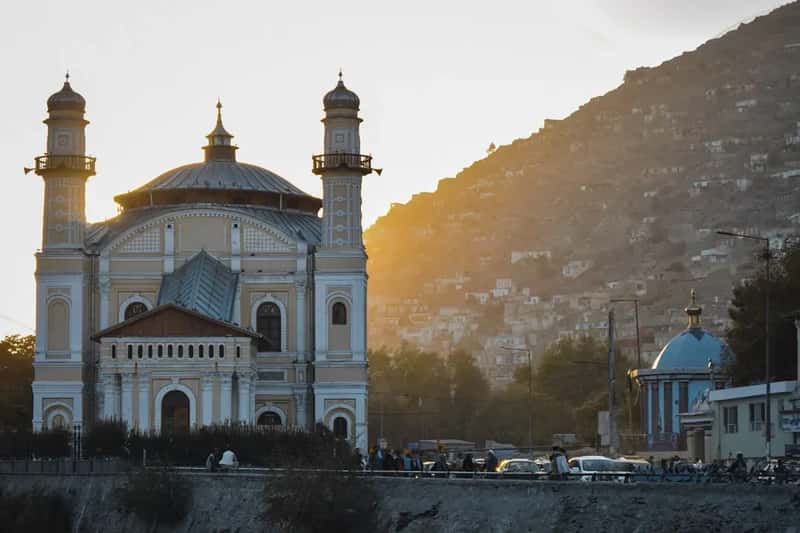
Article 130 of the Afghan Constitution requires its courts to apply provisions of Hanafi Sunni fiqh for crimes of apostasy in Islam, and Article 1 of the Afghan Penal Code requires hudud crimes be punished per Hanafi religious jurisprudence. Prevailing Hanafi jurisprudence, per consensus of its scholars, prescribes the death penalty for the crime of apostasy.
Afghanistan’s constitution names Islam as the state religion, but promises practitioners of other religions are free to worship “within the limits of the law.” However, acts made illegal by those “limits of the law” include sharing one’s Christian faith, speaking negatively of Islam, or publishing materials that contradict Islamic principles. Converting from Islam to another religion is also illegal and is punishable by imprisonment, confiscation of property, or even the death sentence.
In Afghanistan, converting to Christianity can result in severe punishments, including death, due to the country’s Islamic laws. The small number of Christians, who must practice their faith in utmost secrecy, face dire consequences if discovered. This extreme persecution comes not just from the Taliban-led central government but also from local communities and even family members.
4. Mauritania: Even Repentance Won’t Save You Anymore
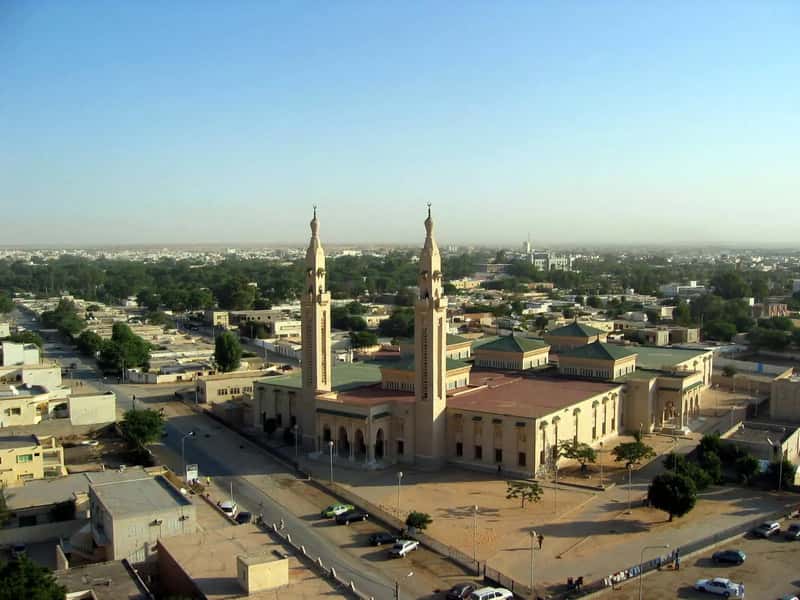
Article 306 of the criminal code of Mauritania declares apostasy in Islam illegal and provides a death sentence for the crime of leaving Islam. What makes Mauritania especially chilling is how deliberately it has hardened this law over recent years.
In 2018, Mauritania enacted a law which makes the death sentence for apostasy compulsory, as well as upgrading blasphemy to a capital offence and making that compulsory as well. Previously, the convicted had at least three days to repent and potentially receive a lighter sentence. That door was officially shut.
The law prohibits apostasy and blasphemy. The criminal code mandates a death sentence for any Muslim convicted of apostasy or blasphemy, but the government has never applied capital punishment for apostasy. The law exists as a sword hanging overhead, even if it has not yet fallen.
In one incident, people dug up the dead body of a believer who had converted from Islam. Mauritania continues to be an extremely difficult place to follow Jesus. The social consequences of conversion run just as deep as the legal ones.
5. The Maldives: You Cannot Even Be a Citizen If You Are Not Muslim
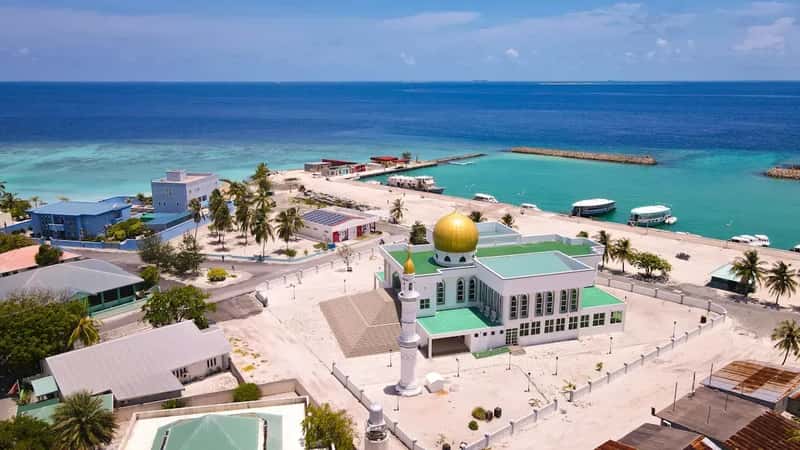
The Constitution of the Maldives designates Islam as the official state religion, and the government and many citizens at all levels interpret this provision to impose a requirement that all citizens must be Muslims. This is not a soft cultural preference. It is constitutional law.
The law prohibits the conversion of a Muslim to another religion. By law, a violation may result in the loss of the convert’s citizenship, although a judge may impose a harsher punishment per sharia jurisprudence. Although the law does not stipulate such punishment, sharia jurisprudence is often understood by the public and religious scholars to provide for the death penalty in cases of conversion from Islam.
Death penalty for apostasy from Islam was incorporated into Maldivian law on 27 April 2014, for any person aged above 7 years. That last detail is genuinely staggering: children as young as seven fall under this legal framework.
In 2023, the country was scored zero out of 4 for religious freedom. According to Open Doors in 2024, the country was rated as the 18th worst place in the world to be a Christian. Behind the luxury resort brochures lies a deeply restrictive religious reality.
6. Pakistan: Blasphemy Laws Used as a Weapon Against Those Who Convert
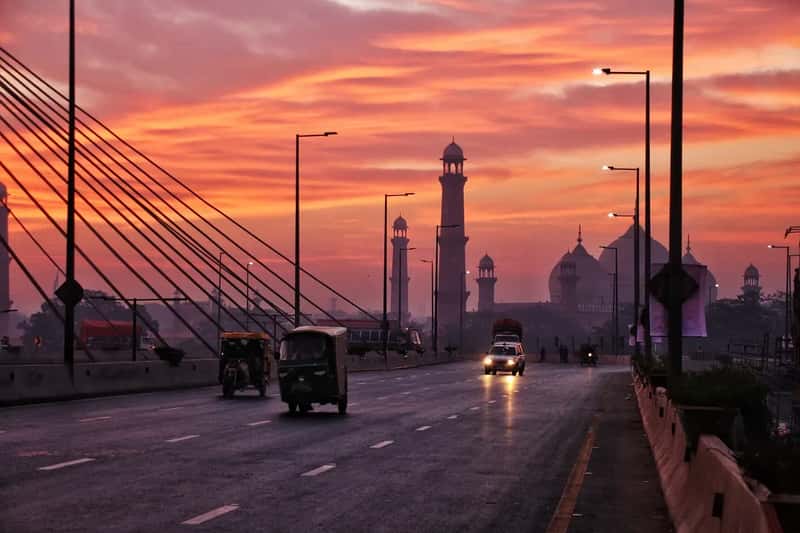
Pakistan does not have a death sentence for apostasy, but it does for blasphemy, and the threshold for blasphemy is low, meaning in effect there is a death penalty for expressing atheism or converting to another religion. The distinction between “blasphemy” and “apostasy” here is essentially a legal technicality. The outcome can be identical.
The laws date back to British colonial rule but have grown progressively more severe since independence. In Pakistan, the Supreme Court in 2019 upheld the acquittal of Asia Bibi, a Christian woman who had been sentenced to death for blasphemy, sparking violent protests and calls to execute her.
These laws create a climate of terror for anyone perceived as challenging Islam. Accusations alone can be deadly, even when courts eventually clear defendants. The fear of mob justice is often more immediate than any formal court process.
The USCIRF has documented that 46 nations restrict the right of people to either adopt or propagate a religion. Pakistan is one of the most prominent and dangerous examples within that group, where the combination of state law and social pressure creates a nearly inescapable trap for those who wish to leave Islam.
7. Brunei: The World’s Most Recent Country to Codify Death for Apostasy
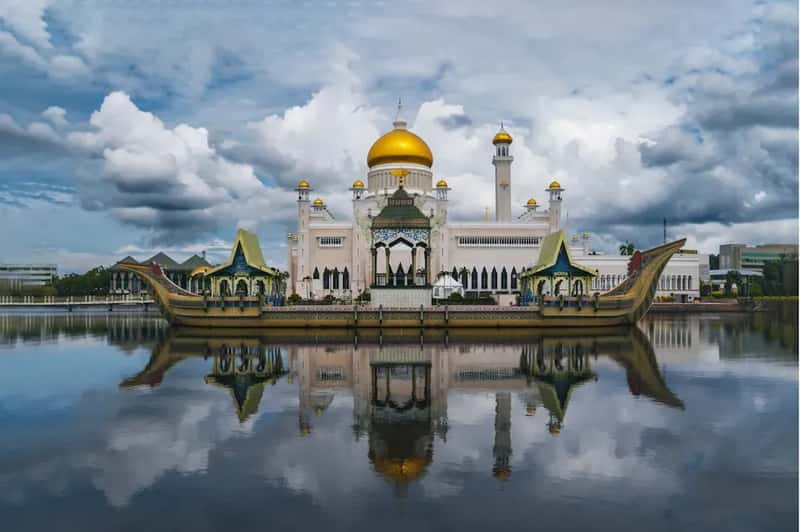
Brunei is the latest Muslim-majority country to enact a law that makes apostasy a crime punishable by death. In the Syariah Penal Code 2013, which came into full force in 2019, Section 112 states that a Muslim who declares himself non-Muslim commits a crime punishable by death if proved by two witnesses or confession, or with imprisonment for a term not exceeding thirty years and whipping with up to 40 strokes if proved by other evidence.
Brunei criminalized apostasy under Section 112(1) of the Bruneian Syariah Penal Code, punishable by death. However, Brunei has a moratorium on the death penalty. A moratorium means executions are currently suspended in practice, but the law itself is fully intact and on the books.
In 2019, Brunei implemented a law that allows death sentences for apostasy from Islam. The implementation prompted widespread international condemnation, including from the United Nations and human rights organizations across the globe. Still, Brunei did not reverse the law.
As of 2020, blasphemy was formally criminalized in some 84 countries. As many as 21 countries criminalized apostasy as of 2019. The legal penalties for such offenses range from fines to imprisonment to corporal punishment, and in at least 12 countries, the death penalty. Brunei stands as a sobering reminder that these laws are not fading away. In some places, they are getting newer.
Conclusion: A Right That Millions Cannot Access
Religious freedom sounds like a universal given. But for hundreds of millions of people living under these legal systems, it is a dangerous dream. The countries above are not fringe cases or extreme outliers. Several are members of international bodies and signatories to human rights treaties while simultaneously criminalizing the act of simply changing one’s mind about faith.
For more than a decade, Pew Research Center has been tracking global patterns in restrictions on religion, whether imposed by governments or by individuals or social groups. The data consistently shows that these restrictions are not shrinking. In some regions they are intensifying.
Honestly, it is hard to wrap your head around the idea that a thought, a private belief, a personal spiritual journey, could land you in prison or worse. The question worth sitting with long after reading this is a simple one: How many people right now are living the double life that these laws force upon them, quietly, fearfully, and completely alone? What do you think? Share your thoughts in the comments below.