A second passport can mean very different things depending on where you’re aiming. In some places you can become a citizen in a few months by making a government approved contribution. In others you can wait decades and still be turned away. The rules also keep moving, so this list reflects what was reported through 2026, and you should check official sources before you act.
The first ten entries are countries where the route is comparatively fast, clear or affordable. The last seven are countries known for long waits, heavy discretion or very narrow paths. “Easy” here doesn’t mean free or effortless. It means fewer hurdles than the global norm.
1. Dominica
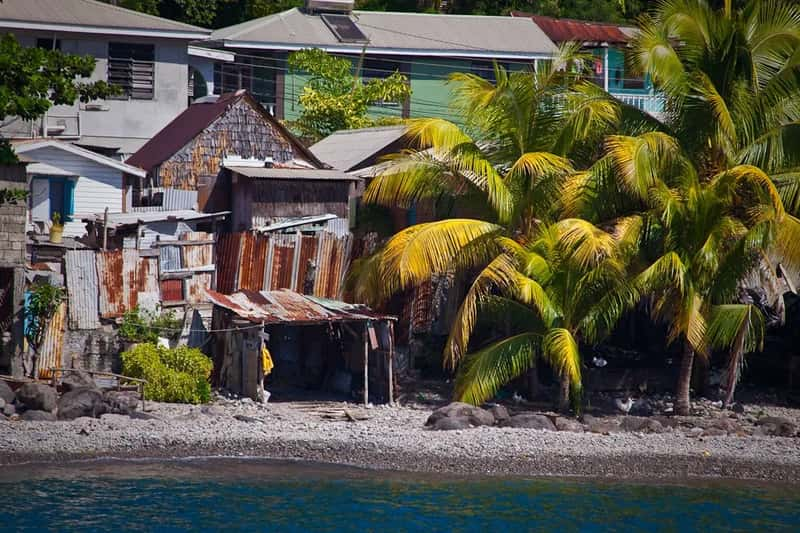
Dominica is usually named as the cheapest Caribbean citizenship by investment option. Its entry point starts at $200,000 for a single applicant, and $250,000 covers a family of up to four.[1] The program dates back to 1993, making it one of the oldest of its kind.[1]
Processing times are quoted as a matter of months rather than years, though providers give different ranges. One comparison says passports can arrive in at least six months.[2] Real estate is also an option, starting from $200,000 in approved projects.[3] Government and due diligence fees come on top of the base figure.
2. Antigua and Barbuda

Antigua and Barbuda sits just above Dominica on price. Its lowest route is a $230,000 non-refundable donation to the National Development Fund, with real estate starting at $300,000.[4] It’s a popular choice for families because the family rules are broad.
Eligible relatives include a spouse, children, dependent parents, grandparents and siblings.[1] One comparison lists processing at roughly three to six months and notes a short five day visit requirement.[5] That small presence rule is the main difference from the other Caribbean programs, most of which require no residence.
3. Grenada

Grenada’s program is known for one unusual perk. It is the only Caribbean program whose citizenship is described as eligible for the US E-2 investor visa.[1] That makes it attractive to entrepreneurs who want a foothold in the United States.
The program began in 2013, and a minimum of $235,000 lets a single applicant or a family of four qualify.[1] A real estate route starts at $270,000, through a share in an approved tourism project.[2] It’s a bit pricier than Dominica, but the family coverage is wide.
4. St Kitts and Nevis

St Kitts and Nevis is the veteran of the field. Its program launched in 1984, which makes it the longest running Caribbean option.[1] It’s often described as the premium choice rather than the cheapest.
Costs start at $250,000 for a contribution to the Sustainable Island State Contribution or an approved public benefit project, or $325,000 for real estate.[3] One comparison notes the country is known for strict due diligence.[4] Another says biometrics are now mandatory.[5] So the process is easy in terms of residence but not lax in terms of screening.
5. St Lucia
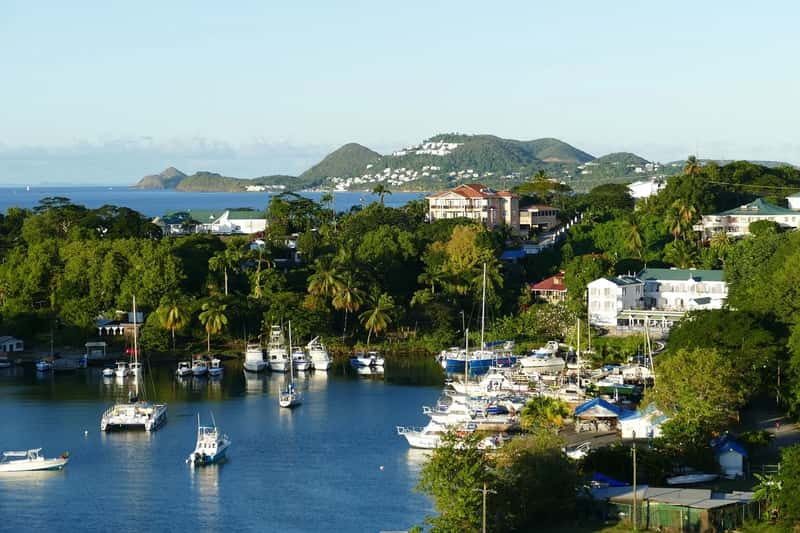
St Lucia rounds out the five Caribbean programs. It asks for a minimum $240,000 non-refundable contribution to the National Economic Fund, which covers the main applicant plus three dependents.[6] Bonds or real estate start from $300,000.[3]
The program rests on the Citizenship by Investment Act of 2015 and related regulations.[2] In March 2024, Caribbean nations signed an agreement to set a common minimum price threshold of $200,000.[6] That was meant to keep the programs from undercutting each other.
6. Argentina

Argentina has one of the shortest naturalization clocks anywhere. Under Decree 366/2025, foreigners can apply after two years of continuous legal residence, with no time spent outside the country during that period.[7] No language test is required.[8]
Argentina permits dual and multiple citizenship, so you keep your original nationality.[9] There are caveats. One analysis says the two year rule operates under a standard that may or may not survive judicial review.[10] Another notes that court backlogs in Buenos Aires can stretch real cases to about three years.[9]
7. Paraguay

Paraguay is often sold as a three year route. Article 148 of its constitution does set a three year residency period.[7] Permanent residency is available from day one through a bank deposit of roughly $5,000.[11]
The detail matters, though. One analysis points out that the clock starts from permanent residency, so the realistic minimum is closer to five years.[10] Another source describes it as two years on a temporary permit and three on a permanent one.[12] Even so, that’s competitive by global standards.
8. Uruguay
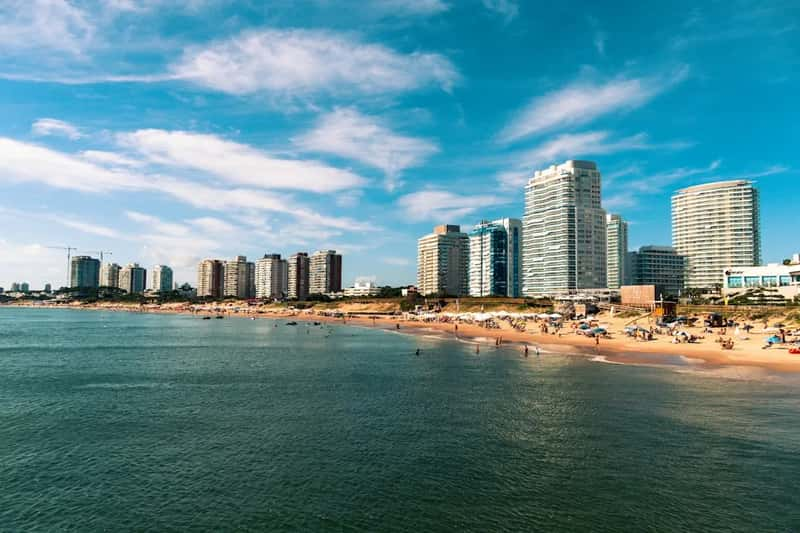
Uruguay is a quieter pick in South America. It generally requires three years of habitual residence for residents with family living in the country.[7] Other sources put the range at three to five years.[13]
That puts Uruguay among the faster paths in the region, behind Argentina and alongside Paraguay. Judicial or discretionary exceptions may waive or shorten residence requirements in specific cases.[13] The details depend on family ties and individual circumstances, so it pays to confirm the current rules locally.
9. Canada
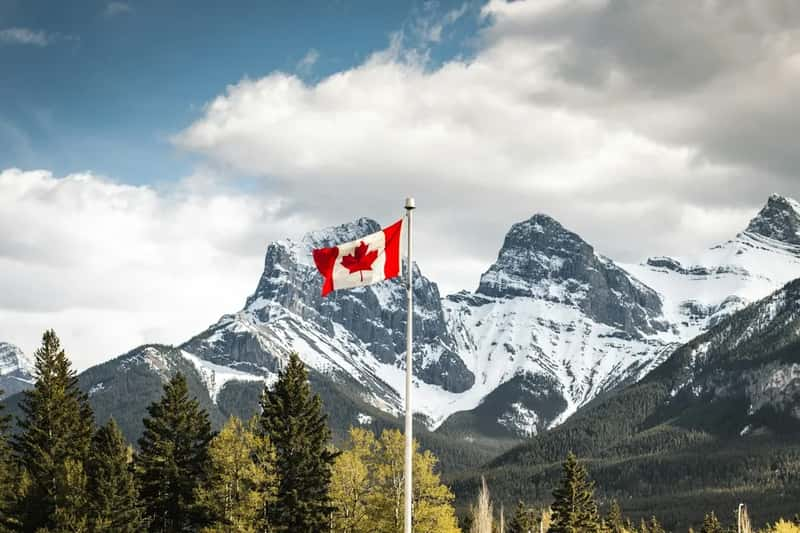
Canada is the mainstream pick on this list, with a clear and published rule. Adults must have been physically in Canada for at least 1,095 days, or three years, during a five year eligibility period.[14] Those days don’t need to be consecutive.[15]
You need permanent residence first, though. At least 730 days of the period must be as a permanent resident.[14] Days as a temporary resident before that count as half days, up to a maximum of 365 days of credit.[16] The rule is simple, but you must track your days carefully.
10. Portugal
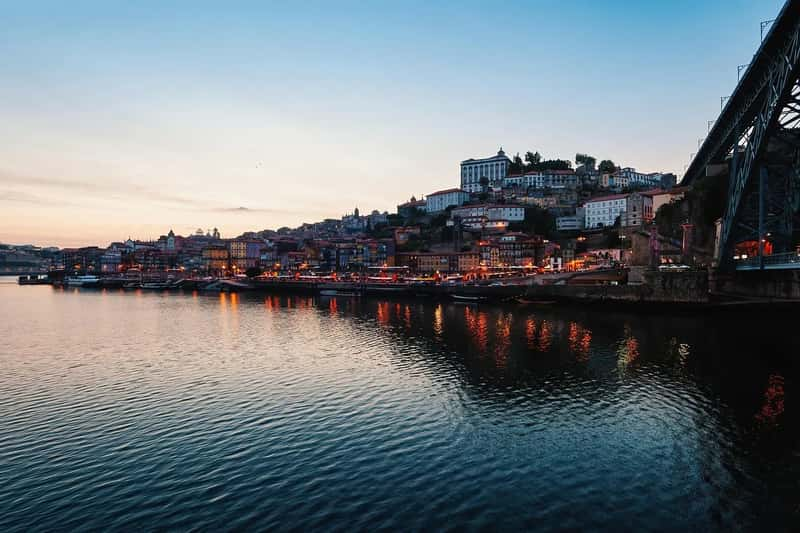
Portugal used to be the standard example of an easy European route. The earlier track was five years with a manageable A2 Portuguese requirement.[9] That has changed.
Under Organic Law 1/2026, which took effect on 19 May 2026, applicants must live in the country legally for ten years, reduced to seven for CPLP and EU nationals.[7] Dual citizenship is fully accepted.[9] It stays on the list because of the passport’s strength and because the rules are still clearer than in many countries, though it’s no longer the quick option it once was.
11. Qatar
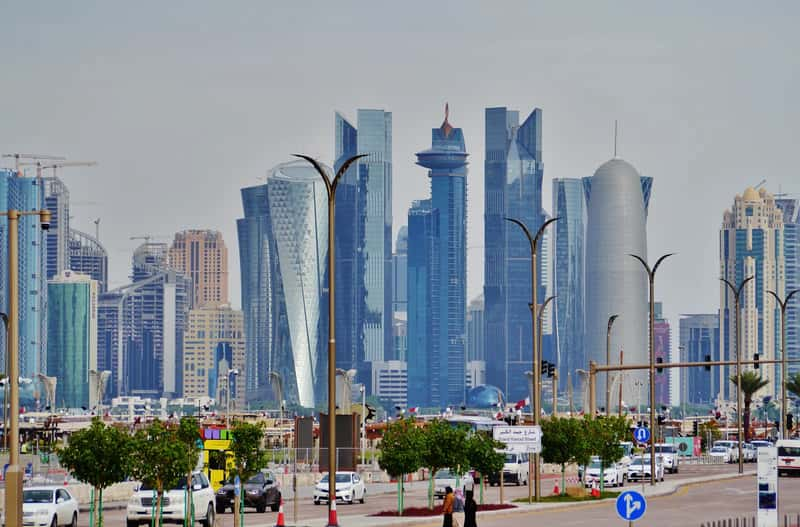
Qatar tops many lists of the hardest countries. A person must reside lawfully for 25 years before applying, and must prove a legitimate way to earn a living and have no convictions for crimes of dishonour or mistrust.[17]
With an economy built on natural gas and a small native population, the country guards citizenship with extreme care.[18] Popular rankings also cite requirements such as renouncing your original citizenship and knowing Arabic. For most long term foreign workers, citizenship is simply not a realistic goal.
12. Vatican City

The Vatican is a special case rather than a slow one. Citizenship is restricted to clergy.[19] Another ranking describes it as granted to clergy, diplomats or Church workers, with no naturalization path for outsiders.
Citizenship there is tied to a role, not to residence or application. It generally lasts only as long as the assignment does. That makes it an unusual member of a toughest list, since there’s essentially no door to knock on.
13. Liechtenstein

Liechtenstein combines a long wait with a vote. You must live there at least 30 years before you’re eligible to apply by naturalization.[18] Time spent in the country before age 20 counts double.[17]
Final approval requires the consent of Parliament and the Prince’s granting of citizenship.[17] Municipal referendums also let existing citizens vote on each application.[19] One report counts only 189 naturalisations in 2023.[19]
14. Bhutan

Bhutan is another small state with a very high bar. One ranking says it demands 20 years of residence plus royal discretion.[19] A clean record is also listed as a requirement.
Because approval rests with the monarchy, there’s no guarantee even for those who meet the time threshold. Clear public data on how many people succeed is hard to find. For outsiders, Bhutan is more a place to visit than to settle permanently.
15. Kuwait

Kuwait appears in several rankings of the hardest places for citizenship. One widely shared list describes a requirement of 20 years of residency, being Muslim, and no dual citizenship.[20] I’d treat these figures as indicative, because Gulf nationality rules are applied with a lot of discretion.
The common thread across the Gulf states is that citizenship isn’t an automatic reward for long residence. One overview notes that Switzerland stands apart from the Gulf states on its list, because it’s a wealthy European democracy.[21] In the Gulf, a person can work and raise a family for decades and still remain a resident.
16. Switzerland

Switzerland is the toughest of the major European democracies. Federal law mandates 10 years of residence, and applicants must clear three separate levels of government approval.[21] Municipal citizenship comes first, based on factors such as local language and integration.[22]
Language requirements are B1 spoken and A2 written, specific to the canton, and each canton sets its own conditions, with some demanding more.[19] People married to a Swiss citizen may obtain simplified naturalisation.[22] Even long term permit holders aren’t guaranteed a passport.
17. Japan

Japan’s rules look modest on paper. It requires five years of continuous residence, and long stays abroad can break continuity.[19] Basic Japanese sufficient for daily life is also mandatory.[19]
The real obstacle for many is giving up their old passport. Japan doesn’t recognize dual citizenship for new citizens, and applicants must be willing to renounce their original nationality.[21] In December 2025, the government and ruling parties began considering potentially doubling the minimum residency from five years to ten.[21] I couldn’t confirm whether that change has been enacted.
Taken together, these 17 countries show how differently states treat citizenship. The easiest routes tend to be either purchases, as in the five Caribbean programs, or short residence rules, as in Argentina, Paraguay, Uruguay and Canada. The toughest combine decades of residence with discretion, votes or renunciation of your first nationality. Rules also change quickly, as Portugal’s 2026 reform and Japan’s discussions show.
Before you commit time or money, check the current statute and use official government sources. A passport is a long term asset, and the cheapest or fastest route isn’t always the best fit for your life.