For most people, becoming a citizen of a new country is a matter of time, paperwork, and patience. Live somewhere long enough, learn the language, pay your taxes, and eventually a passport shows up. In a handful of nations, though, that formula simply doesn’t apply. Decades of residence, fluency, marriage, even having children born on local soil often lead nowhere near a passport. These eight countries treat citizenship less as an administrative process and more as a closely guarded privilege, reserved for very specific circumstances and, in some cases, almost never granted at all.
United Arab Emirates

The UAE is home to one of the largest expatriate populations on earth, yet its citizenship remains almost entirely out of reach for the people who build their lives there. Naturalisation in the UAE is an extended process reserved for select long-term residents who have lived in the country for at least 30 consecutive years, or 20 years if residency began before 1972. Even meeting that threshold guarantees nothing, since granting UAE citizenship is a discretionary right of the state, and even if all criteria are met, a passport is not guaranteed.
A 2021 reform did open a narrow new door. As of January 2021, the UAE government introduced an option to nominate specific categories of foreigners, such as investors, scientists, and healthcare professionals, for Emirati citizenship based on exceptional merit. This route isn’t something a resident can apply for directly, though. Candidates should be proposed by recognized UAE government bodies, such as the Rulers’ Courts, the Executive Councils, or the UAE Cabinet, and ordinary residents cannot apply on their own because citizenship under the special merit route is within the government’s discretion.
Qatar
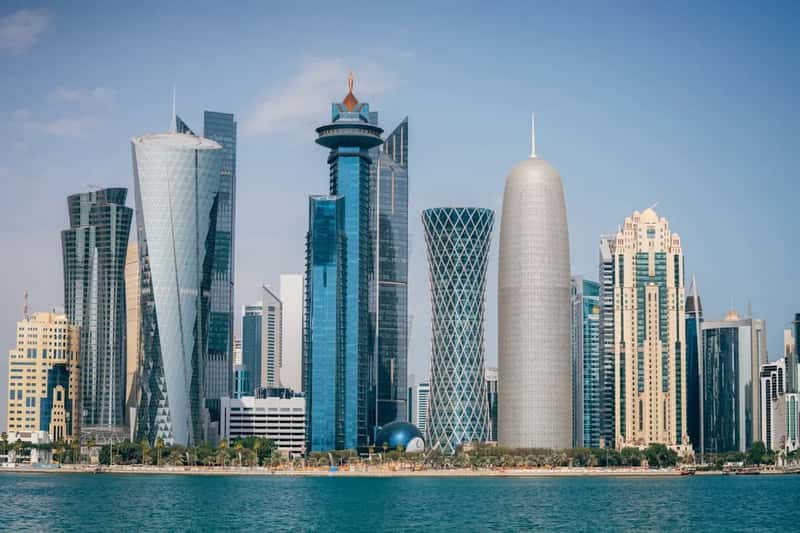
Qatar is frequently singled out as the toughest citizenship in the world to obtain, and the numbers back that up. The granting of Qatari nationality by naturalization is determined and bestowed by the State alone, requiring that the applicant has been continuously resident in Qatar for at least twenty five years, has a legitimate means of income, is of good standing and has never been convicted of a crime involving dishonest or shameful behaviour. On top of that lengthy wait, the applicant must also have a good knowledge of the Arabic language.
Even satisfying every box on the checklist doesn’t guarantee anything, because the decision to grant citizenship is at the discretion of the Qatari government. Successful applicants also face a steep tradeoff, since anyone granted Qatari citizenship must renounce every other nationality they hold, meaning obtaining a Qatari passport requires permanently severing formal ties with their country of origin. It’s little wonder that foreigners comprise a significant part of Qatar’s population, but obtaining citizenship is complex and rare.
Kuwait
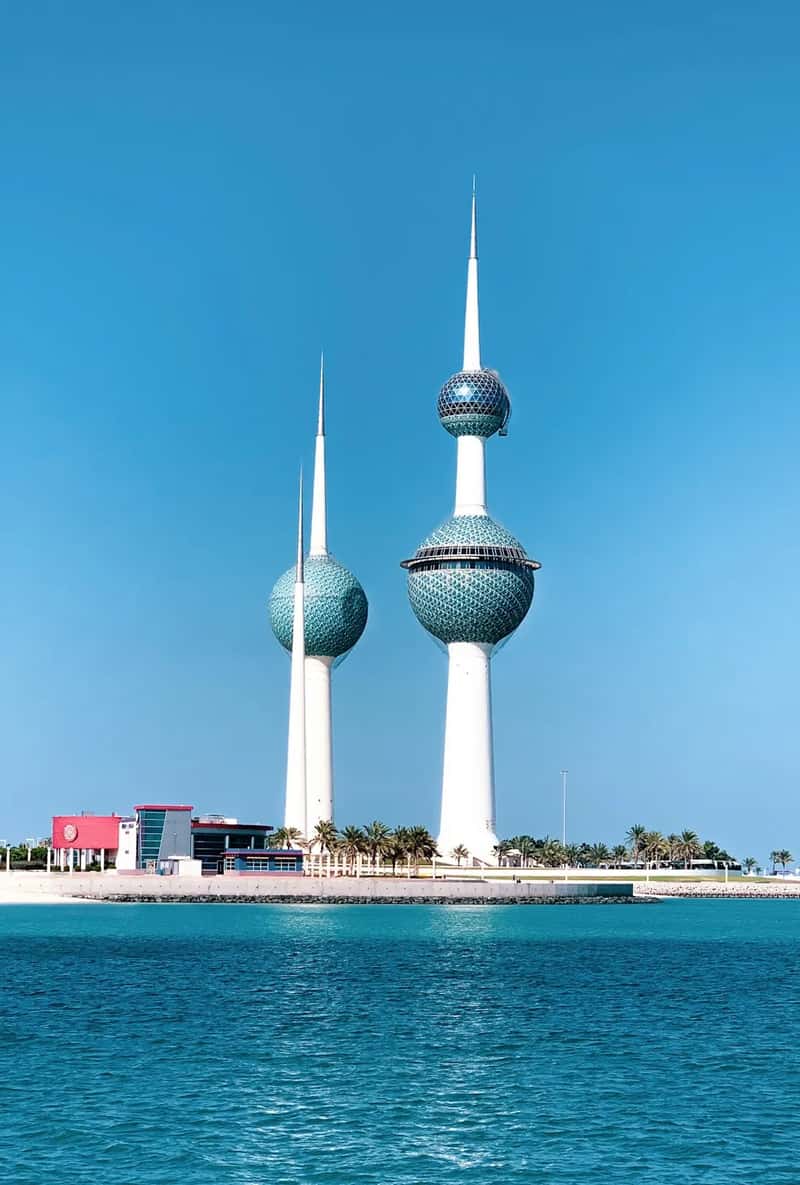
Kuwait’s nationality law draws a sharp line between Arab and non-Arab applicants, and neither path is easy. Kuwait citizenship is virtually impossible for non-Arabs and extremely rare even for Arab nationals, with citizenship by birth granted only patrilineally to a child born to a Kuwaiti father. For Arab nationals who do qualify by residence, there’s still a catch, since there is an annual cap on naturalizations, and approvals are by Emiri Decree.
Non-Arabs face an even steeper climb. Non-Arab nationals who have resided in Kuwait for 20 consecutive years may theoretically apply, but approvals are almost unheard of. Recent legal changes have tightened things further rather than loosened them. As of late 2024, a foreign spouse of a naturalised Kuwaiti will no longer automatically gain Kuwaiti citizenship, according to a new decree law issued on December 10, 2024.
Saudi Arabia

Saudi Arabia’s citizenship law reads more openly on paper than it functions in practice. Under the Saudi Nationality Law, a foreigner may apply for citizenship after 10 consecutive years of legal residence, with Arabic language proficiency, lawful employment, and no criminal record. The gap between eligibility and reality is enormous, though, because in practice, approvals are exceedingly rare and reserved for Arab and Muslim applicants.
A newer, narrower pathway exists for a select group of high-profile individuals. Saudi Arabia announced a pathway to naturalize exceptional scientists, doctors, researchers, athletes, and talented individuals, with candidates typically identified and nominated by government entities. For everyone else, the honest assessment is blunt: for the vast majority of foreign residents, Saudi citizenship is not achievable. Dual nationality isn’t an option either, since Saudi Arabia does not allow dual nationality, and naturalized citizens must renounce their original nationality.
Switzerland

Switzerland stands apart from the Gulf states on this list because it’s a wealthy European democracy, yet its naturalization process is famously slow and layered. The overarching federal requirement mandates 10 years of residence in Switzerland. That ten-year clock, however, is just the starting point, since applicants must clear three separate levels of government approval before anything is finalized.
What makes Switzerland genuinely distinctive is how much power sits at the local level. For the first time, the law defines the notion of “integration” and establishes specific conditions, which cantonal authorities apply very strictly. Communes and cantons each add their own residency and integration hurdles on top of the federal minimum, and language proficiency is non-negotiable, with applicants required to demonstrate the ability to communicate in at least one of Switzerland’s national languages at B1 spoken and A2 written level. Including processing time, the total journey typically spans 11 to 13 years, encompassing the 10-year residency requirement plus 12 to 36 months of administrative processing, though this varies by canton.
Japan

Japan doesn’t impose Gulf-style decades-long waits, but it remains one of the hardest developed nations in which to become a citizen, largely because so few residents ever go through with it. Only around 7,000 to 9,000 people are granted Japanese citizenship each year, about half the annual number from a decade ago, making naturalization relatively rare. The residency bar itself is comparatively low, requiring 5+ years continuous residence in Japan as a baseline requirement for naturalization application.
The real deterrent for many is what naturalization demands in exchange. Japan does not recognize dual citizenship for new citizens, and applicants must be willing to renounce their original nationality upon naturalization. That rule may soon become even stricter, since in December 2025, the Japanese government and ruling parties began actively considering the most significant change to naturalization rules in decades, potentially doubling the minimum residency requirement from five years to ten. Combined with strict integration expectations, this keeps naturalization numbers modest even as Japan’s foreign resident population keeps climbing.
Bhutan

Tucked in the Himalayas, Bhutan treats citizenship as something to be earned over the better part of a lifetime rather than a legal formality. The Himalayan kingdom requires 20 years minimum residency before citizenship application eligibility, and beyond residency, applicants need approval solely at the discretion of Bhutan’s monarchy, which can reject applications without providing reasons. Language and cultural fluency are non-negotiable parts of the process as well.
Even after clearing those hurdles, the conditions for keeping citizenship remain unusually strict. The Bhutanese Citizen Act of 1985 states that foreigners must demonstrate impeccable behaviour during this time, refraining from any negative remarks about the Bhutanese monarchy, and citizenship can be revoked if individuals speak unfavourably about the king or the country in the future. It’s a system built around loyalty and cultural preservation as much as legal residence, which explains why long-term foreign residents so rarely make it through.
Liechtenstein
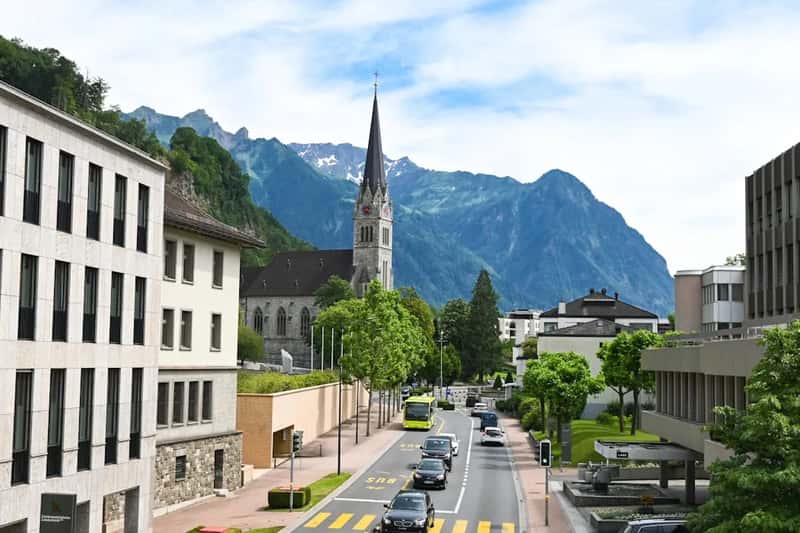
This tiny Alpine microstate, wedged between Switzerland and Austria, has arguably the most unusual naturalization system in Europe. Liechtenstein demands 30 years continuous residency for standard naturalisation, though this reduces to 5 to 10 years through marriage or exceptional community approval. What sets the country apart isn’t just the timeline but the method of approval itself.
Rather than leaving the decision to a government office, Liechtenstein hands it to the community. The unique barrier involves municipal referendums where existing citizens vote on each naturalisation application individually, a democratic process that resulted in only 189 naturalisations in 2023 from a population of 39,584 residents. Being fluent in German and financially self-sufficient helps, but ultimately a neighbor’s vote can decide whether decades of residence amount to anything.
Final Thoughts
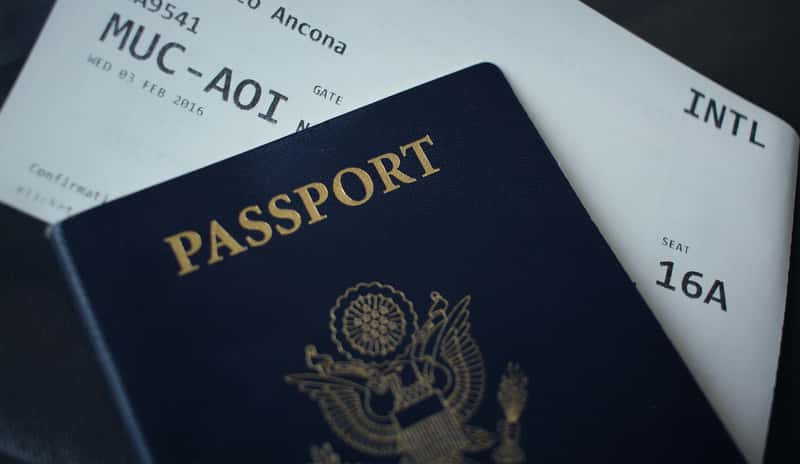
What ties these eight countries together isn’t geography or wealth, since they range from Gulf monarchies to an Alpine microstate to a Himalayan kingdom. It’s a shared philosophy that citizenship represents something closer to permanent belonging than legal status, and belonging isn’t handed out lightly. For long-term residents in these places, strong residency, stable employment, and even fluency in the local language often function as entry requirements rather than guarantees. The passport, when it comes at all, tends to be the exception rather than the rule.