Travel planning usually starts with weather, budget, or bucket-list landmarks. Health rarely makes the shortlist until something goes wrong: a stomach bug that ruins a week, a hospital bill that eats into savings, or a country-wide outbreak that shows up in the news the day before a flight.
Global health rankings, disease surveillance reports, and travel advisories from 2025 and 2026 paint a fairly clear picture of where things are running smoothly and where caution is warranted. Some of it comes down to healthcare infrastructure. Some of it is about air quality, food safety, or the simple fact that a country is currently dealing with an active outbreak. Here is a closer look at seven destinations that consistently score well on health metrics, followed by four places where a bit more homework before booking makes sense.
1. Japan

Japan shows up near the top of nearly every major health index, and it is not a fluke. Japan scored a 95.1 health index rating[1] in one widely cited 2025 ranking, placing it among the two or three healthiest nations measured. The country combines a diet built around fish, vegetables, and moderate portions with a healthcare system that is both accessible and efficient.
For visitors, this translates into clean cities, reliable tap water, and pharmacies stocked with familiar remedies for minor travel ailments. Air quality in most of Japan is good outside of occasional pollen season spikes. Hospitals in major cities like Tokyo and Osaka are equipped to handle foreign visitors, and travel insurance is widely accepted at private clinics.
2. Singapore
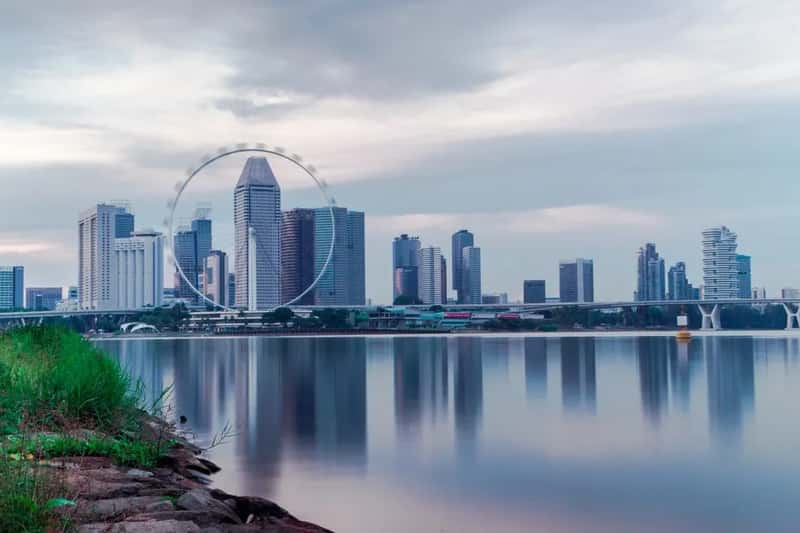
Singapore routinely tops or near-tops global health comparisons, and the reasons are structural rather than accidental. Singapore led one 2025 ranking with a health index score of 95.3[1], reflecting decades of investment in sanitation, preventive care, and strict public health enforcement.
The city state is famously clean, tap water is safe to drink straight from the faucet, and food hygiene standards at hawker centers are tightly regulated. Air quality can dip during the regional haze season, typically later in the year, but this is a seasonal concern rather than a constant one. Medical care is excellent, though it is also expensive, so travel insurance with adequate coverage is worth arranging before departure.
3. Switzerland

Switzerland’s reputation for precision extends to its healthcare system, which is considered one of the strongest in the world. Switzerland, along with Luxembourg, Korea, Japan, and Sweden, ranks especially strong on healthcare-system performance because of low avoidable or treatable mortality and good access metrics[2], meaning the system is not just well funded but genuinely effective at catching problems early.
Travelers benefit from this even on short visits. Pharmacies are everywhere, staffed by knowledgeable pharmacists who can often resolve minor issues without a doctor’s visit. Mountain air, low pollution levels, and a food culture built around fresh dairy and produce round out why Switzerland consistently earns a spot on healthy-travel lists.
4. Spain

Spain benefits enormously from the Mediterranean diet, and health researchers have long pointed to this as a major factor behind the country’s strong showing in wellness rankings. Spain led one 2026 health ranking with a score of 92.8[3], putting it ahead of several wealthier nations on the same list.
Beyond diet, Spain’s public healthcare system is available to tourists in emergencies, and pharmacies handle most minor complaints without an appointment. The siesta culture, heavy emphasis on olive oil and fresh seafood, and generally active outdoor lifestyle all contribute to lower rates of chronic disease. Visitors touring Barcelona, Madrid, or the coastal regions rarely run into health infrastructure problems.
5. Italy

Italy sits just behind Spain in several 2025 and 2026 rankings, and the overlap in reasoning is not surprising given the shared Mediterranean approach to food and lifestyle. Italy scored 91.59 on the 2025 Bloomberg Global Health Index, a result tied to a predominantly Mediterranean diet and a robust healthcare system[4].
Regional healthcare quality can vary somewhat between the north and south, but tourist-heavy areas like Rome, Florence, and Milan maintain solid hospital access. Air quality is generally good outside of a few industrial pockets in the north during winter. Fresh produce, moderate wine consumption, and a slower pace of eating are frequently cited as reasons Italians report strong health outcomes despite an aging population.
6. Iceland

Iceland’s small population and geographic isolation give it some unique advantages when it comes to public health. Iceland gains ground on environmental health rankings because it met the WHO PM2.5 air quality guideline in IQAir’s 2025 report[2], which is a meaningful marker given how many countries fail that same benchmark.
Beyond air quality, Iceland’s tap water is glacier fed and safe everywhere, hospital care is modern despite the country’s small size, and food safety standards are strict. The lack of heavy industry and low population density mean pollution-related health issues are minimal. Cold weather aside, visitors rarely encounter health infrastructure gaps even in remote parts of the island.
7. Sweden
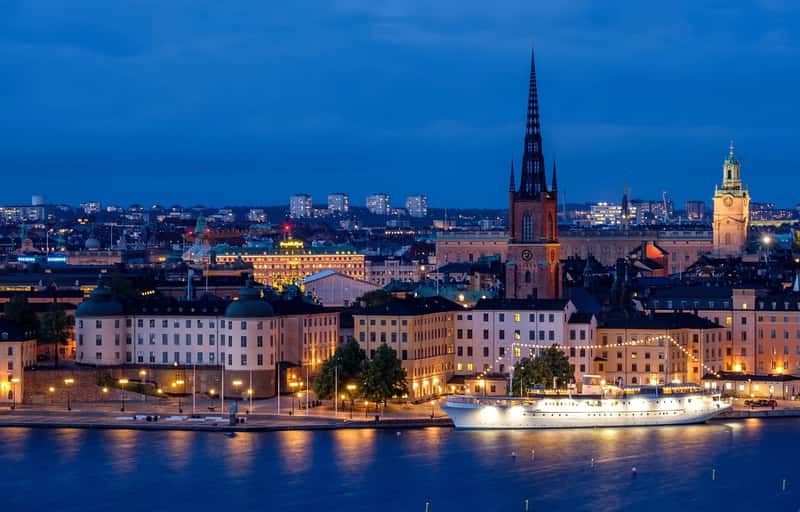
Sweden has a habit of appearing near the top of multiple different ranking systems, which suggests its strong health outcomes are not tied to one narrow measurement. Sweden was the only country to rank consistently across several different health survey sources[5], a detail that speaks to the country’s broad-based approach to healthcare, diet, and public policy.
Stockholm and other major cities offer excellent hospital access, clean air, and safe drinking water throughout. Sweden’s strong social safety net extends informally to visitors in emergencies, since public hospitals will treat anyone regardless of nationality, though non-residents are billed afterward. Combined with a culture that emphasizes outdoor activity and a diet rich in fish and whole grains, Sweden earns its consistent placement on healthy-travel shortlists.
1. Democratic Republic of the Congo
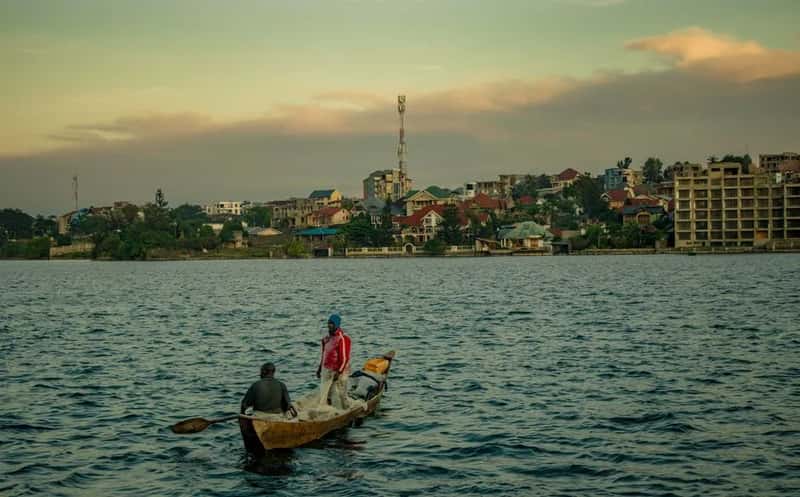
The Democratic Republic of the Congo has been dealing with one of the more serious active outbreaks tracked by international health authorities in 2026. The CDC recommends avoiding all travel to Ituri and Nord-Kivu provinces due to a current Bundibugyo virus disease outbreak[6], a strain of Ebola that carries a Level 4 warning, the most serious classification the agency issues.
Nearby provinces carry a slightly lower but still significant risk. CDC recommends avoiding nonessential travel to Haut-Uélé and Tshopo provinces due to the same outbreak[6]. For travelers with plans in Central Africa, this is a situation worth monitoring closely rather than assuming will resolve quickly, since outbreaks of this type have historically taken months to bring under control.
2. Haiti
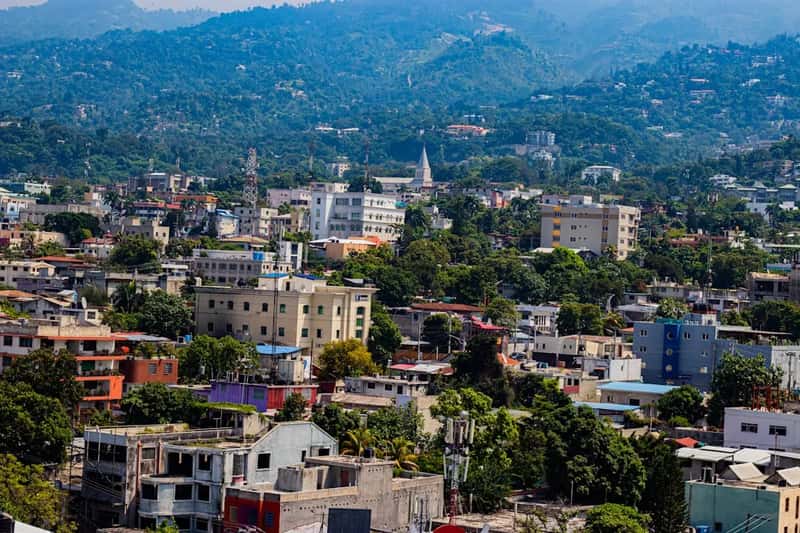
Haiti’s health infrastructure has struggled for years under the weight of political instability, and 2026 has added new outbreak concerns on top of existing ones. There is an active outbreak of diphtheria in Haiti as of a June 2026 CDC travel health notice[7], a disease that is largely preventable through vaccination but spreads quickly where health systems are strained.
Beyond diphtheria, Haiti has dealt with recurring cholera outbreaks in recent years tied to inconsistent access to clean water and sanitation. Hospital capacity outside the capital is limited, and medical evacuation insurance is strongly advisable for anyone traveling there regardless of the reason. Combined with broader security concerns that have prompted separate government advisories, Haiti sits firmly in the category of destinations requiring careful advance planning.
3. Yemen

Yemen’s ongoing conflict has taken a heavy toll on public health infrastructure, and disease surveillance in 2026 reflects that strain. Increased cases of malaria have been reported in Yemen, including in areas that were not previously considered high risk[7], a sign that the usual containment measures have broken down in parts of the country.
Malaria is only one piece of the picture. Years of conflict have degraded water treatment, hospital supply chains, and vaccination coverage, making other preventable illnesses more likely to spread unchecked. For most travelers, Yemen is already off the map due to security advisories, but the health situation on its own would be reason enough for serious caution.
4. Somalia

Somalia consistently lands at the bottom of global health comparisons, and the gap between it and top performers is substantial. Somalia recorded the lowest Global Health Index score in 2025 at 47.1[8], trailing even other lower-ranked nations by a meaningful margin.
Decades of conflict and limited central governance have left healthcare infrastructure thin outside a handful of urban centers. Access to clean water, reliable electricity for medical facilities, and routine vaccination programs remains inconsistent across much of the country. Combined with ongoing security concerns that already limit most nonessential travel, Somalia represents one of the more difficult environments for visitors to manage health risks on their own.
Health rankings shift from year to year, and disease outbreaks can resolve faster than expected or drag on longer than anyone anticipates. Checking current CDC or WHO travel notices close to a departure date remains the most reliable way to confirm whether a destination’s situation has changed since these rankings were compiled.