Some places on the map are hard to get into, and even harder to understand once you’re there. Researchers who study migration, media access, and civic freedom keep returning to a small cluster of nations where borders, information, and even everyday movement are tightly managed by the state. These aren’t just remote destinations. They’re places where the rules of entry and exit reveal something deeper about how a government views its own citizens and the outside world.
Sociologists who track openness use a mix of measures: internet freedom scores, press rankings, visa policies, and how easily a foreigner can simply show up and look around. Below are seven countries that consistently land at the closed end of that spectrum, along with what’s actually happening inside them right now.
North Korea
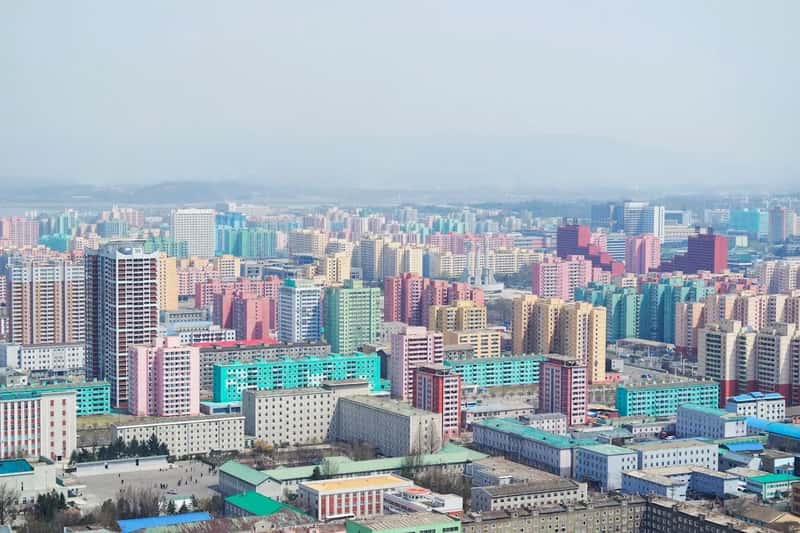
North Korea remains the textbook case of a sealed state. Since January 2020, when it became the first country to close its borders in response to the Covid pandemic, North Korea has maintained strict border controls that continue into 2026. As of July 2026, North Korea remains closed to international tourism for almost every nationality, and U.S. citizens face an additional, separate restriction dating to 2017 that bans the use of US passports for travel to North Korea, a restriction periodically renewed and currently extended through August 2026.
There have been flickers of change. In June 2025 the large-scale Wonsan-Kalma Coastal Tourist Zone was officially inaugurated, though it remains open only to domestic tourists and a very small number of foreign visitors under strict conditions. In March 2026 the Beijing-Pyongyang passenger train resumed after a six-year hiatus, and Air China announced resumed weekly flights, though this does not itself signal a tourism reopening for most nationalities. A brief window into Rason in early 2025 let in a small group of Western tourists before the region snapped shut again, and even a planned 2026 Pyongyang marathon was cancelled without explanation, a pattern that shows just how conditional any “opening” really is.
Eritrea
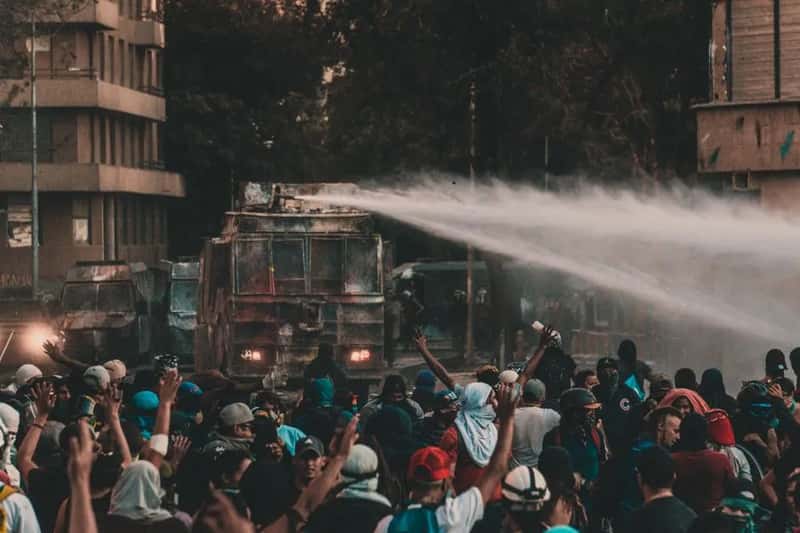
Eritrea rarely makes headlines, which is itself part of the point. Reporters Without Borders has consistently ranked Eritrea at the bottom of its World Press Freedom Index, placing it 180th out of 180 countries in 2024, describing the nation as an “information desert” where all independent media have been banned since September 2001. The government shut down all independent media outlets in 2001, and it has never reversed course.
Movement inside the country is restricted almost as tightly as information flowing out of it. The government required all diplomats, international humanitarian workers, UN staff, and other foreigners to request permission from the government at least 10 days in advance to travel outside of Asmara. The authorities regularly block access to social media platforms and shutter internet cafés, leaving ordinary citizens with few ways to see or be seen by the outside world.
Turkmenistan
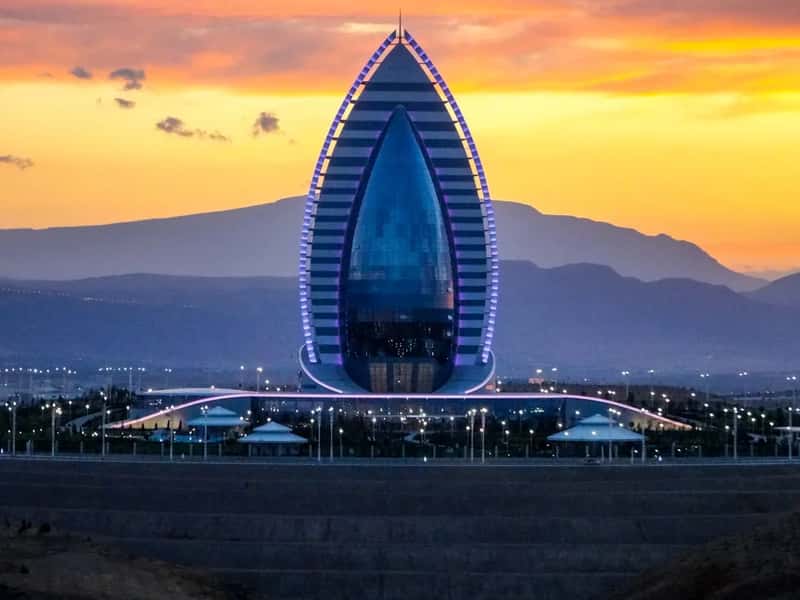
Turkmenistan built its reputation on saying no. Following the collapse of the Soviet Union, Turkmenistan developed a reputation as one of the most closed countries in the post-Soviet region, and foreign visitors frequently encountered visa denials, travel restrictions, and limitations on photography. Even now, official policy stays cautious. Turkmenistan enforces a strict “zero visa-free” rule for tourism in 2026, requiring all international visitors to obtain a visa before entry, and does not provide general visa-free access to any country for tourism purposes, maintaining one of the most restrictive border systems globally.
There are early signs of loosening, though locals say the benefits flow outward, not inward. A new phase of liberalization began in 2025 with the launch of the electronic visa system, which tourism operators say has reduced bureaucratic barriers and made travel planning more predictable. Even so, the internet is strictly controlled in Turkmenistan, with independent news sites blocked and little room for citizens to voice grievances online. Residents interviewed by independent media outlets argue that the recent changes primarily benefit foreigners rather than Turkmen citizens themselves.
Myanmar
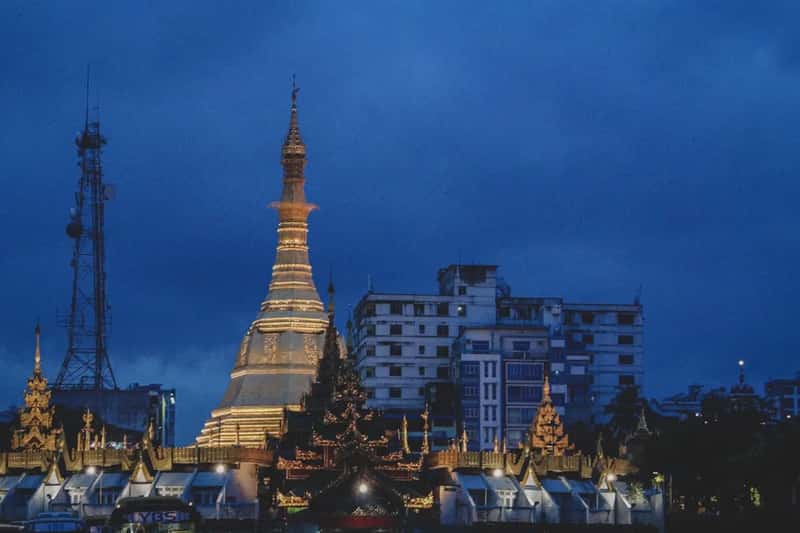
Since the 2021 military coup, Myanmar has drifted from a cautiously opening society back into one of the world’s most closed information environments. Myanmar ranks 169th out of 180 countries and territories in the 2025 RSF World Press Freedom Index. Internet shutdowns have prevented journalists from working or communicating, creating “information black holes” in certain regions.
The junta has also moved to lock down the digital sphere for ordinary citizens. The most recent cybersecurity law, effective 1 January 2025, bans the use of virtual private networks and imposes strict surveillance measures. Myanmar continued to be listed alongside China as the country with the worst internet freedom in Freedom House’s Freedom on the Net 2025 report. Myanmar’s military junta barred most international journalists from entering the country, even to cover a devastating 2025 earthquake.
Bhutan
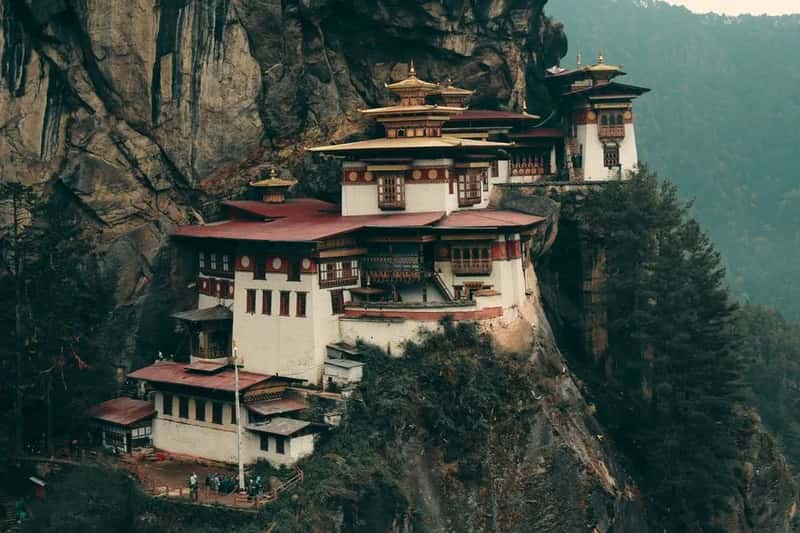
Bhutan’s version of closedness looks nothing like a dictatorship, which is exactly why sociologists find it interesting. The kingdom deliberately limits foreign influence through a controlled tourism model that requires visitors to book through licensed operators and pay daily fees designed to keep numbers low. Television and the internet were only permitted nationwide in 1999, a remarkably late arrival by global standards, reflecting a longstanding state preference for gradual, government-managed exposure to the outside world.
Bhutan frames this as cultural preservation rather than isolation for its own sake, and the government has been open about wanting quality over quantity in its visitor numbers. Still, the practical effect is a country that remains genuinely hard to enter casually, with strict guide requirements and limited independent movement for tourists. It is a softer, more deliberate kind of closed, but closed all the same in how it manages contact with the rest of the world.
Equatorial Guinea
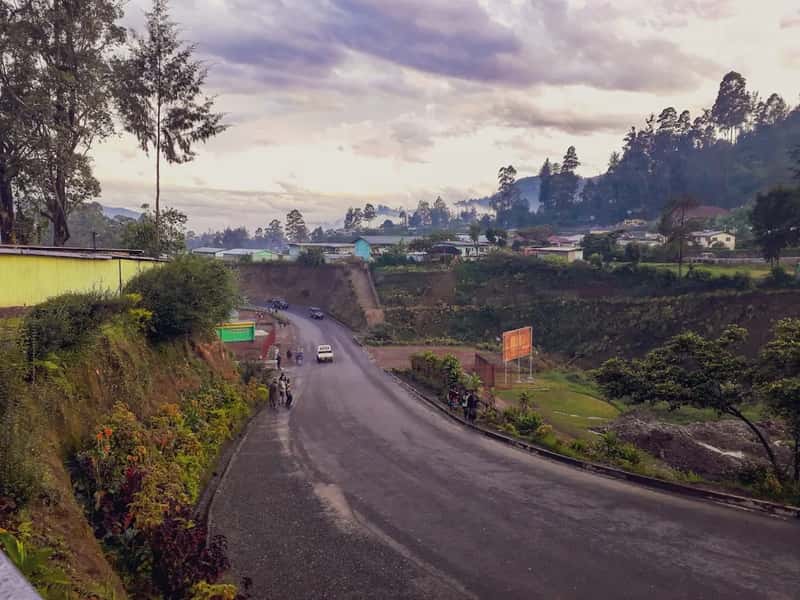
Equatorial Guinea combines oil wealth with an unusually tight grip on who gets to see how that wealth is managed. The government, led by one of Africa’s longest serving rulers, has a long history of restricting entry for journalists and independent researchers, making basic reporting on the country’s politics and economy difficult to verify from outside. Visa processes have historically been slow and unpredictable, discouraging casual travel and scrutiny alike.
Civil society groups and press freedom monitors have repeatedly flagged the country for its lack of transparency around governance and its limited tolerance for dissent. Unlike some closed states that at least publish state statistics or allow supervised foreign visits, Equatorial Guinea’s opacity extends to basic economic and social data, making it one of the harder countries in the world to study from the outside looking in.
Nauru
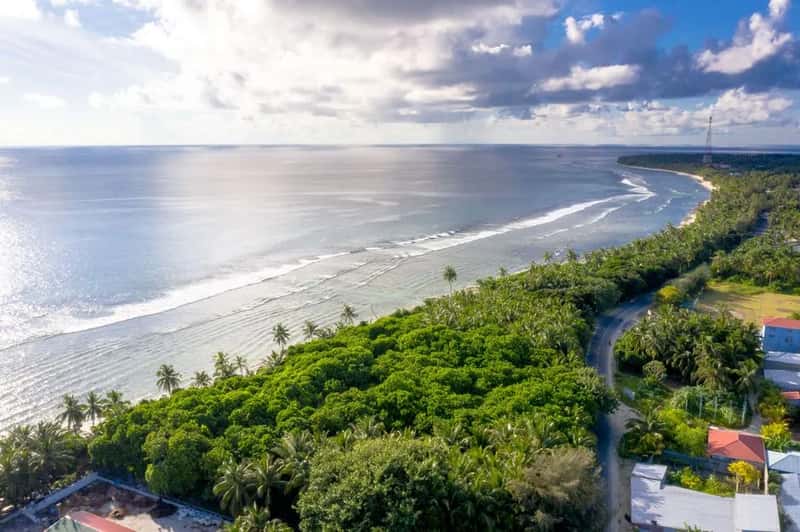
Nauru’s closedness is partly geographic and partly deliberate policy layered on top of that geography. As one of the smallest and most remote island nations on earth, it already has limited flight connections and almost no independent tourism infrastructure. On top of that natural isolation, the government has for years restricted media access, particularly around its role hosting an offshore processing center for asylum seekers under an arrangement with Australia.
Journalists seeking to report on conditions there have faced steep visa fees and denials, making independent verification of what happens inside the country’s detention facilities notoriously difficult. The combination of tiny population, extreme remoteness, and tightly managed press access places Nauru firmly on sociologists’ list of nations where outside scrutiny is unusually hard to achieve.
Taken together, these seven countries show that closedness comes in different flavors. Some, like North Korea and Eritrea, rely on outright bans and surveillance. Others, like Bhutan, dress restriction up as cultural protection. What unites them is a shared reluctance to let information, people, or scrutiny flow freely across their borders, and a track record that suggests these patterns are unlikely to loosen quickly, even as isolated reforms occasionally suggest otherwise.