Living abroad has a way of exposing habits people never noticed at home. Small routines that once seemed like personality quirks start to look different once a therapist points out where they actually come from. Expat life amplifies certain behaviors, and mental health professionals who work with international clients have started naming patterns that trace back to anxiety rather than adaptation.
1. Over-researching every decision before making it

Many expats spend hours comparing neighborhoods, healthcare providers, or grocery stores before committing to anything, even when the stakes are low. Therapists who specialize in relocation stress often describe this as a control response to an environment that feels unpredictable. The logic of a new country rarely matches the logic of home, so people try to compensate by gathering more information than the decision actually requires.
This habit can look like diligence from the outside, but it often masks a fear of making a visible mistake in front of a new community. Clinicians note that clients frequently admit the research itself brings little comfort, since the anxiety simply shifts to the next decision. The pattern tends to ease once someone experiences a few small errors abroad and realizes the consequences were manageable.
2. Clustering almost exclusively with people from home
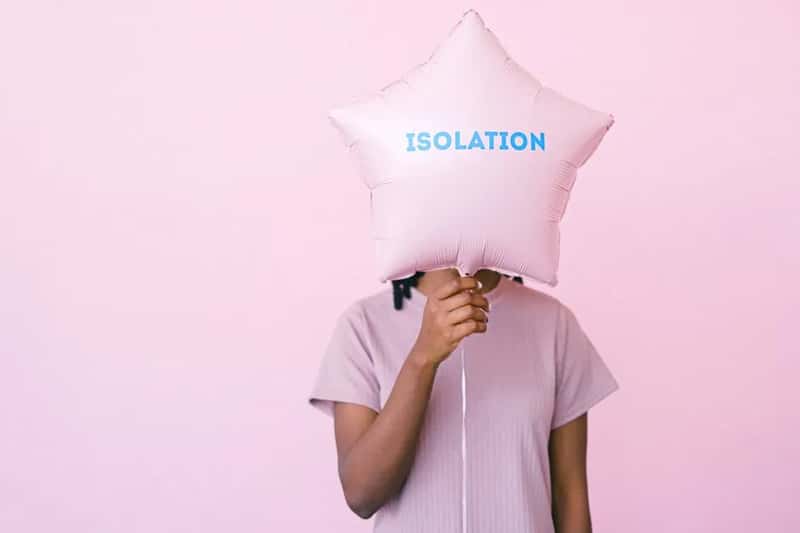
Sticking close to a national or expat community isn’t unusual, and there are practical upsides like shared language and cultural shorthand. Therapists caution, though, that when this becomes the only social circle a person maintains, it often signals discomfort with uncertainty rather than genuine preference. The familiar group becomes a buffer against the unpredictability of forming relationships across a language or cultural gap.
Counselors who work with long-term expats sometimes see this pattern solidify over years, leaving clients isolated from the culture they technically live in. The fear underneath is usually about competence, a worry that mistakes in a second language or unfamiliar social code will be judged harshly. Breaking the pattern typically requires tolerating some awkwardness, which is exactly what the habit was built to avoid.
3. Refusing to fully unpack or settle into a home

Some expats keep suitcases half packed for months, or decorate a rental with the bare minimum, even when they know they’ll be staying for years. Therapists describe this as an emotional hedge, a way of staying ready to leave in case the move doesn’t work out. It’s less about minimalism and more about protecting oneself from the disappointment of investing in a place that might not last.
This habit often traces back to earlier experiences of instability, whether from previous moves, job insecurity, or family history. Clinicians note that clients who eventually unpack fully and personalize their space often report a shift in how anxious they feel day to day. The physical act of settling in seems to send a psychological signal that the person is allowed to stay.
4. Constantly comparing the new country unfavorably to home

Complaining about inefficiencies, bureaucracy, or cultural differences is common among expats, but therapists point out that persistent negative comparison often serves a defensive purpose. Framing the new country as worse keeps the door open to leaving without it feeling like a failure. It’s a narrative that protects self esteem by locating the problem outside rather than inside the adjustment process.
Mental health professionals who treat relocation anxiety note that this habit can intensify during the initial culture shock period, which research on cross cultural adjustment typically places within the first several months abroad. Clients who work through the underlying fear of having made a wrong decision often find the comparisons soften on their own. The habit rarely disappears through argument or reassurance, since it responds more to time and small positive experiences than to logic.
5. Avoiding local bureaucracy and outsourcing every official task
Hiring someone else to handle visas, taxes, or residency paperwork can be a reasonable choice given how confusing foreign systems can be. Therapists notice a different pattern, though, in clients who avoid these tasks entirely out of a disproportionate fear of making an error with legal consequences. The anxiety isn’t really about the paperwork itself but about facing a system where the rules feel opaque and the stakes feel high.
This avoidance can quietly erode a person’s sense of competence over time, since every outsourced task reinforces the belief that they can’t manage life in their new country independently. Clinicians sometimes encourage clients to handle at least one bureaucratic process themselves as a way of testing that fear against reality. Most report that the actual experience, while tedious, rarely matches the catastrophic outcome they imagined.
6. Overexplaining or apologizing for cultural mistakes

Expats often develop a habit of over apologizing for minor missteps, whether it’s a mispronounced word, an unfamiliar social custom, or a misunderstood norm. Therapists link this to a fear of being perceived as an ignorant or unwelcome outsider, a worry that can be especially strong in the first year abroad. The apologies tend to be disproportionate to the actual mistake, which is often barely noticed by locals.
This pattern can become exhausting for the person doing it, since it requires constant self monitoring in social situations. Clinicians who work with expat clients often frame small cultural errors as a normal and expected part of adaptation rather than something requiring repeated apology. Clients who practice letting mistakes pass without extensive explanation often report a noticeable drop in social anxiety over time.
7. Checking in obsessively with family and friends back home

Regular contact with loved ones is healthy, but therapists distinguish this from compulsive checking in, where someone feels they must respond immediately or update family multiple times a day regardless of time zones or personal cost. This habit often stems from guilt about having left, combined with a fear that something bad will happen and they won’t know in time. The behavior can strain the very relationships it’s meant to protect, since constant check ins sometimes read as anxiety rather than connection.
Mental health professionals note that this pattern frequently intensifies around holidays or family milestones, when the physical distance feels most pronounced. Clients often benefit from setting specific, predictable times for contact rather than reactive, anxiety driven messaging throughout the day. The shift usually reduces stress on both sides, since family members no longer have to interpret silence as a sign something is wrong.
Recognizing these patterns doesn’t mean every expat needs therapy, but it does offer a useful lens for anyone who has moved abroad and wondered why certain habits feel harder to shake than expected. Fear driven behavior tends to fade with time, small risks, and enough lived experience to prove the worst case scenario usually doesn’t happen.