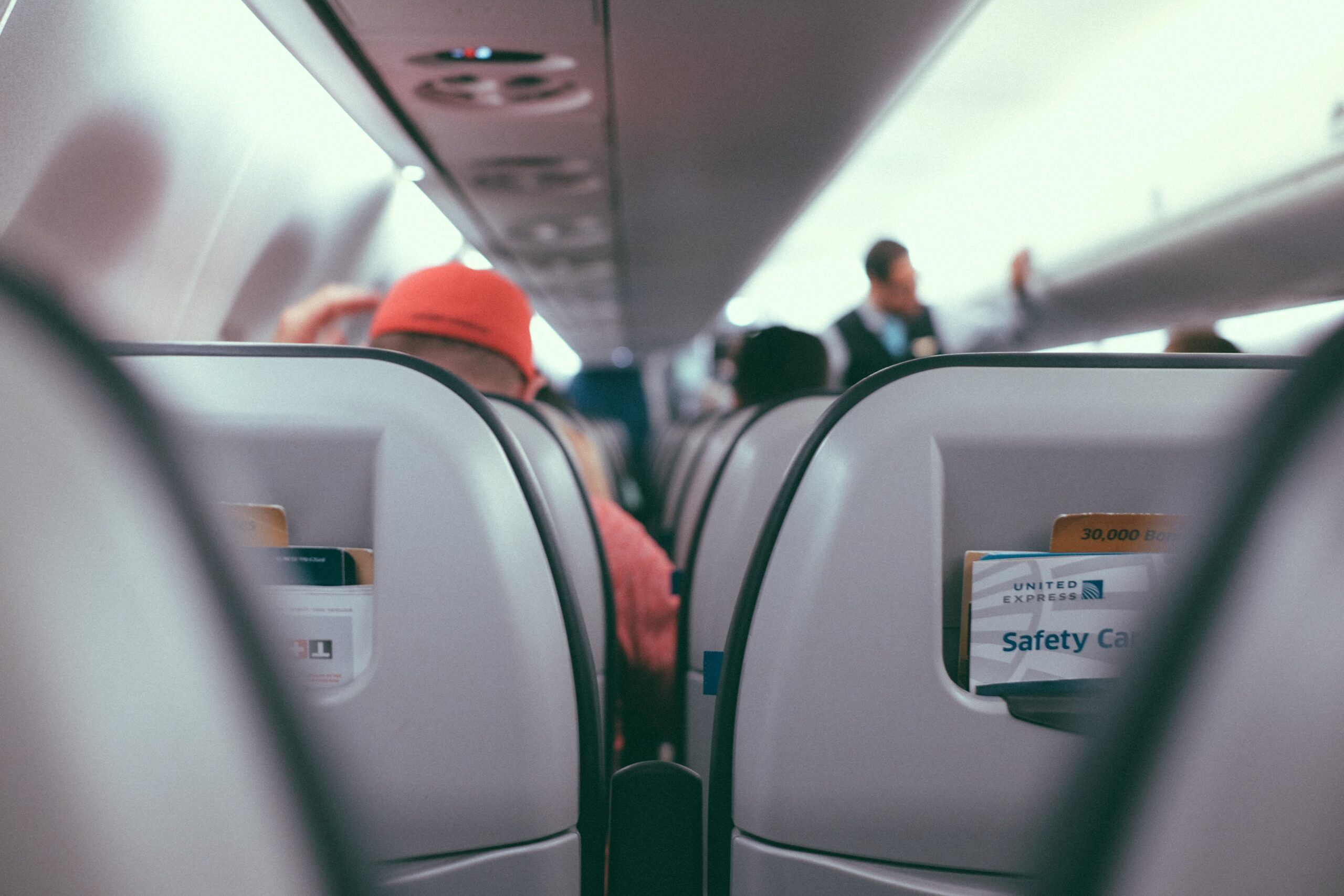
Booking a flight these days often means facing a seat map full of green dots, blue dots, and little dollar signs promising extra comfort for a few dollars more. It looks simple enough: pick a spot, pay if you have to, and move on. Yet the seat you land on can quietly shape how a six or ten hour flight actually feels, and a surprising number of travelers make the same avoidable choices when that map pops up on the screen.
1. Booking a seat in the very last row of the cabin
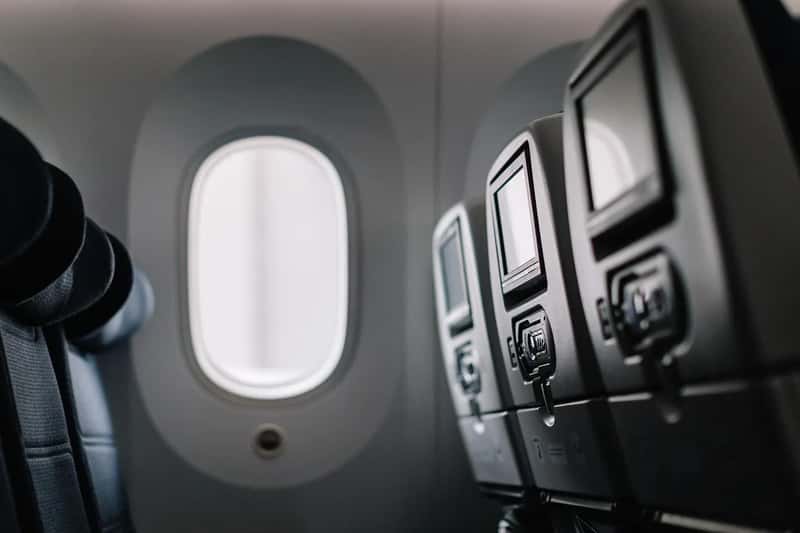
The back row often looks harmless on a seat map, sometimes even cheaper, but it tends to be one of the least comfortable spots on the plane. According to seat comfort experts, the worst seats are generally in the last row of the aircraft, where recline is often limited and the proximity to the lavatory and galley brings noise, smells, and a steady line of people waiting nearby. Windows can also be missing in some of these rows because of how the fuselage is built near the tail.
Turbulence tends to feel more pronounced back there too, since the tail sits behind the aircraft’s center of gravity and swings a bit more when the plane hits rough air. On top of that, being in the last row usually means being among the last people off the plane, which matters if there is a tight connection waiting at the other end. For a long flight where sleep and quiet matter most, this is one of the easiest rows to simply skip.
2. Choosing a bulkhead seat without checking the fine print
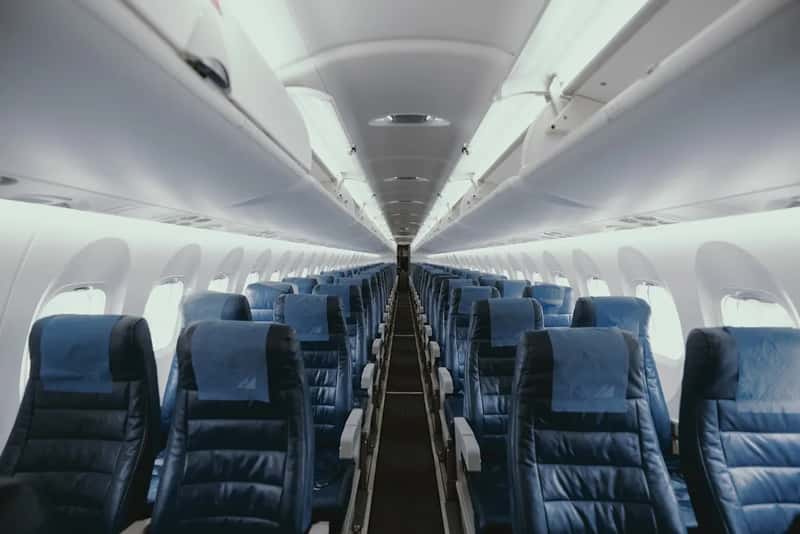
Bulkhead rows, the ones right behind a wall instead of another seat, look tempting because of the open space in front. The catch is that these seats typically have no under seat storage at all, so bags and personal items have to go into the overhead bin during taxi, takeoff, and landing. The armrests are usually fixed in place too, and the tray table plus any screen is often built into the armrest itself, which can make the seat feel narrower than a standard row.
There is also a practical wrinkle for legroom seekers: a solid wall in front means feet hit a barrier rather than sliding forward the way they would under a regular seat, so the extra space does not always translate into extra stretch room. Bulkhead rows are also where airlines usually hang bassinets, so families with infants are often placed nearby, which is worth knowing if quiet is the priority. None of this makes bulkhead seating bad, it just means the legroom gain and the storage loss need to be weighed together before paying extra for it.
3. Grabbing an exit row seat without understanding the trade-offs
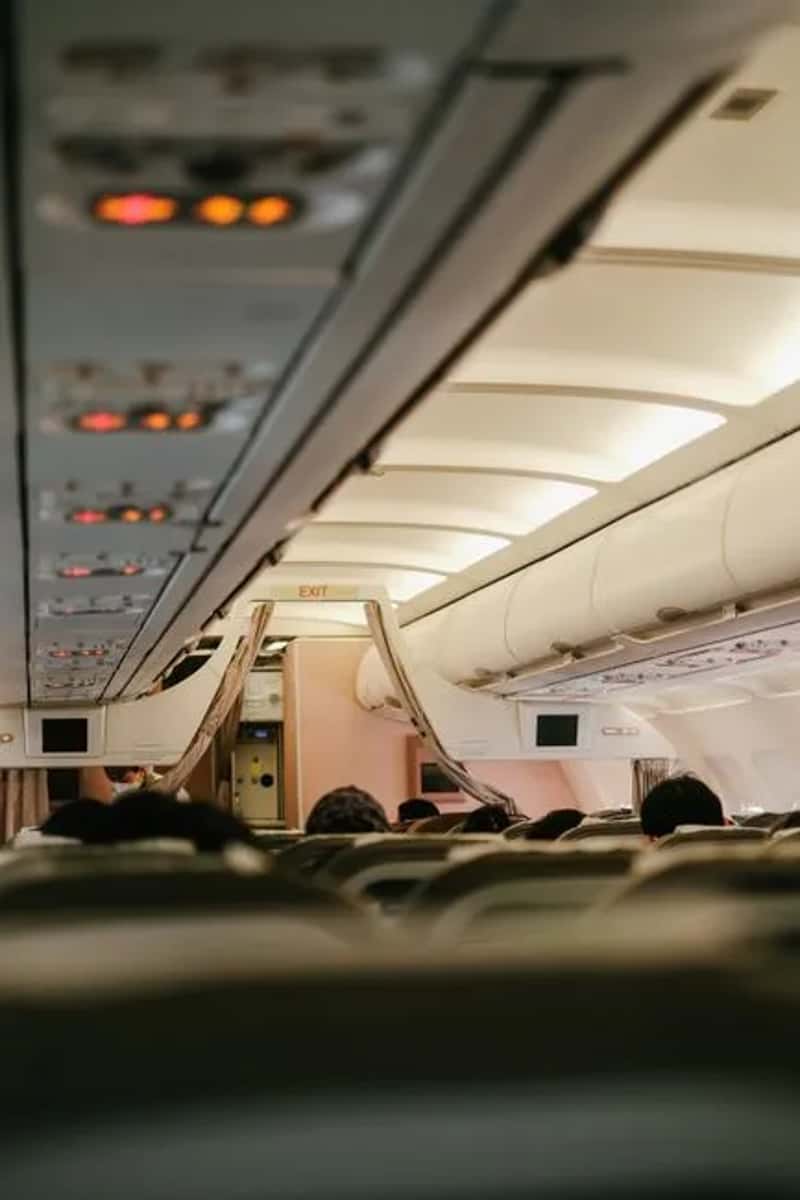
Exit rows are famous for extra legroom, and for good reason, but they come with real conditions attached. Federal rules require passengers seated there to be at least fifteen years old, physically capable of operating the exit, and able to understand instructions given by the crew in their language. Airlines also restrict under seat storage in these rows during taxi and takeoff, and many exit row seats do not recline at all.
Some exit row configurations place the occupant next to a structural panel rather than an actual window, which can be disappointing for anyone hoping for a view. Traveling companions in the same row must each meet the eligibility rules independently, so families or groups sometimes get split up without realizing it ahead of time. For flights under a couple of hours the legroom difference barely registers, which makes the trade offs less worthwhile on shorter routes.
4. Assuming every economy seat offers the same amount of room
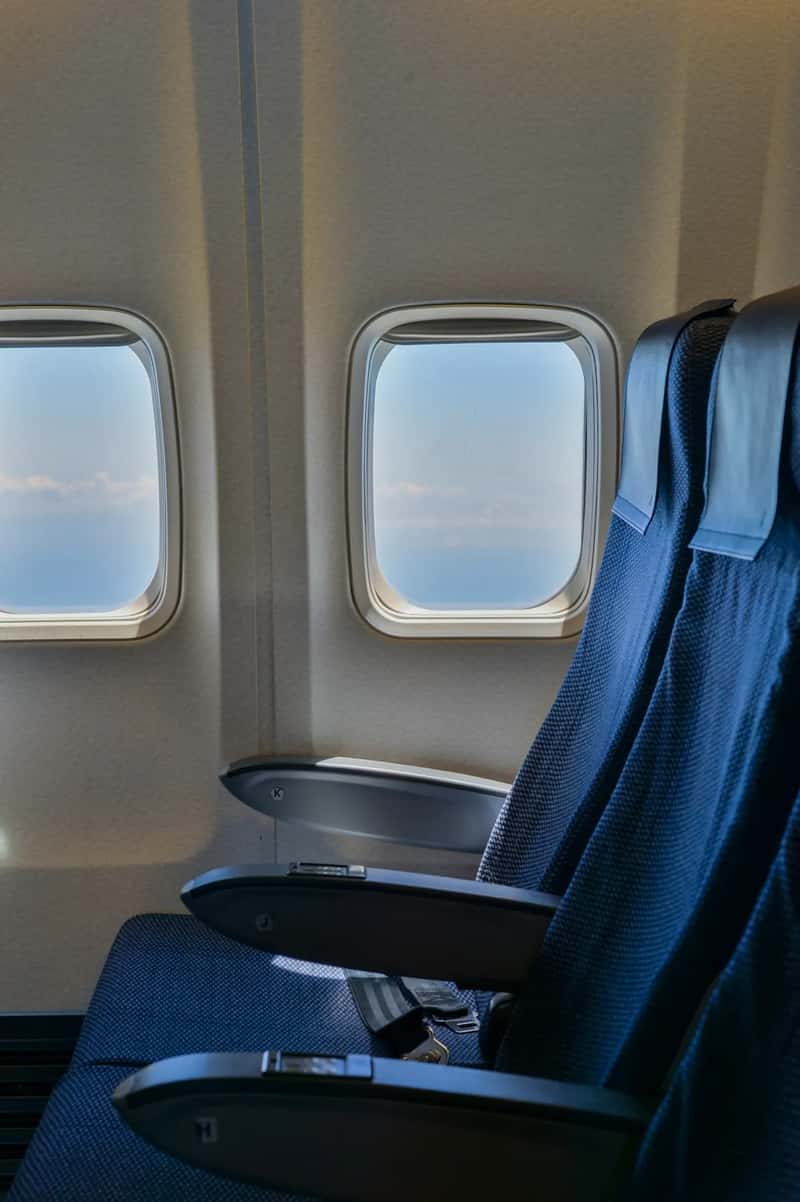
It is easy to picture economy class as one uniform experience, but seat pitch, the distance between a point on one seat and the same point on the seat ahead, varies noticeably by airline. Most airlines configure economy seating somewhere between 30 and 32 inches, though a few carriers offer slightly more while ultra low cost operators often compress that down to 28 or 29 inches. That gap of a few inches sounds small until it stretches across a five or six hour flight, where every extra inch changes how much a passenger can shift or stretch.
The spread among United States carriers alone can run more than four inches from the roomiest option to the tightest, which is a meaningful difference for anyone over average height. Booking based on price alone, without glancing at the seat pitch for that specific airline and aircraft, can turn what looked like a bargain fare into a cramped several hours. A quick check of the seat pitch before booking takes only a minute and can prevent a lot of squirming later.
5. Picking a window seat over the wing expecting peace and quiet
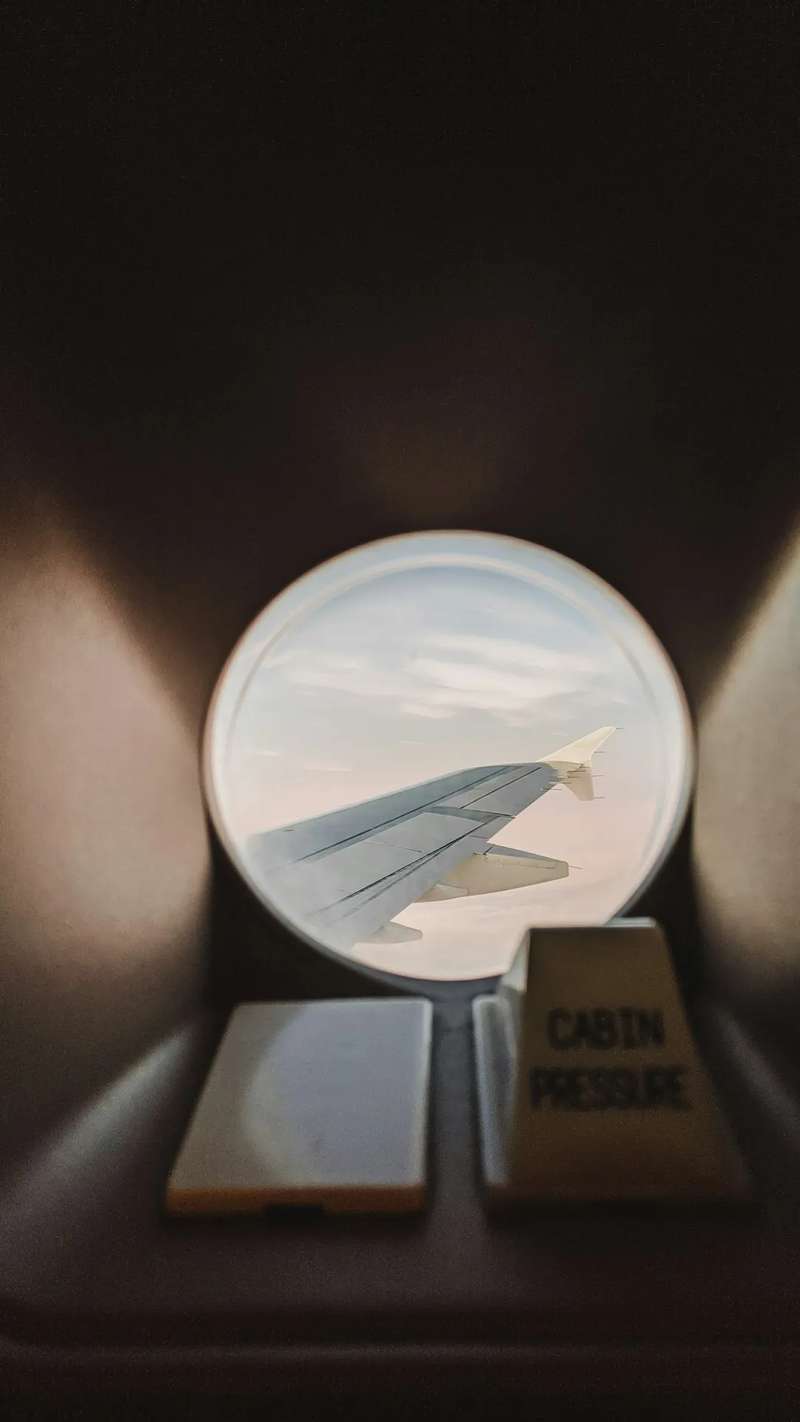
A window seat sounds relaxing in theory, but location matters just as much as the seat type itself. On narrow body aircraft, the noisiest row is often the one closest to the engines, which sit under the wing, and that noise pushes backward through the cabin. Seats positioned in front of the wing tend to be noticeably quieter than seats directly beside or just behind it.
Seats over the wing can also transmit more vibration during turbulence, since that section of the fuselage flexes and reacts to air currents differently than the front of the plane. Travelers chasing a calm window seat for reading or sleeping are often better served by choosing a row ahead of the wing rather than simply grabbing the first window seat available on the map. It is a small detail, but on a longer flight it can be the difference between a restful cabin and one filled with a constant low hum.
6. Settling for a middle seat on an overnight or long haul flight
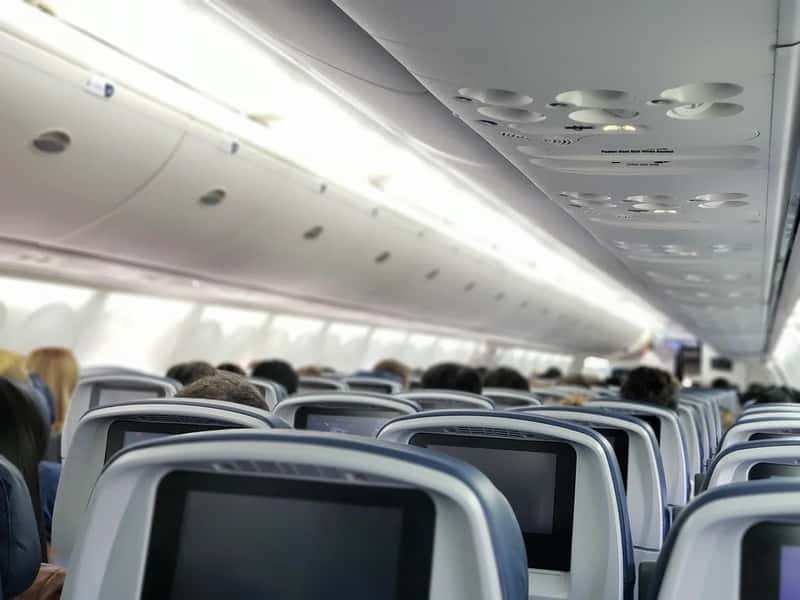
Middle seats are unpopular for obvious reasons, and on a long flight those reasons compound quickly. There is no window to lean against, no easy aisle access for stretching legs or getting up without disturbing two other passengers, and armrest space is often contested from both sides. Middle seats also tend to be the last ones booked on a flight, which flight comfort guides point to as one reason some travelers deliberately choose them hoping for an empty seat nearby, though that gamble does not always pay off.
For an overnight flight where actual sleep matters, being wedged in the middle usually means shallower rest and more interruptions, since getting up requires waking up a neighbor. Aisle seats offer freedom of movement while window seats offer a wall to rest against, and either one tends to beat the middle for genuine comfort over many hours in the air. If a middle seat is the only option left, booking early enough to snag an aisle or window elsewhere is almost always worth the extra effort.
7. Trusting generic seat advice instead of checking the actual aircraft configuration
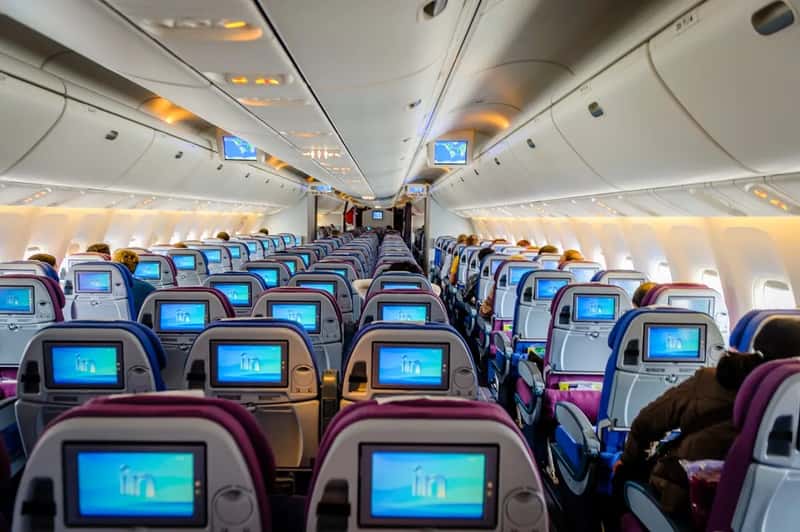
A lot of seat selection tips floating around online describe an idealized version of economy class, but real aircraft vary quite a bit depending on the carrier, the specific plane, and even recent cabin retrofits. The same route can be flown with different aircraft types on different days, and that alone can shift seat pitch by a few inches or move the galley and lavatory to a different part of the cabin. Relying on a generic “best seat” list without checking the seat map for that particular flight can lead to disappointment even when following otherwise sound advice.
Seat mapping tools that show real configurations, along with notes on limited recline, missing windows, or nearby galleys, are far more reliable than general rules of thumb. It only takes a few extra minutes during booking to confirm what a specific row on a specific aircraft actually offers. That small bit of research tends to matter more the longer the flight gets, since minor annoyances have far more time to add up in the air.
Seat selection will probably never be an exact science, since comfort depends on height, sleep habits, and what someone is willing to trade for a few extra inches of space. Still, knowing where the common pitfalls sit, the back row, the bulkhead trade offs, the wing noise, the exit row fine print, makes it much easier to book with intention rather than guesswork. The seat map may only take a minute to click through, but the choices made there tend to echo for the entire length of the flight.