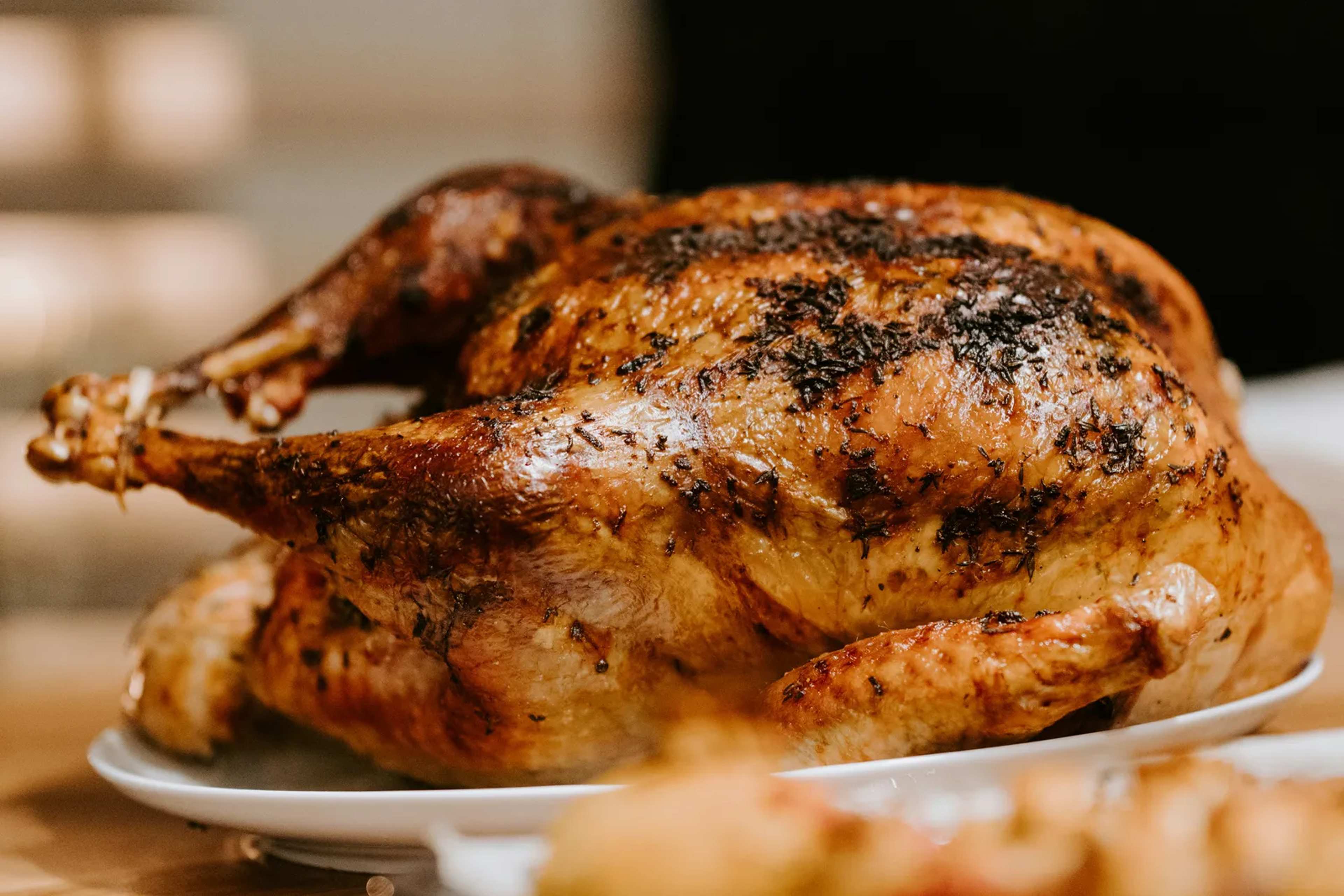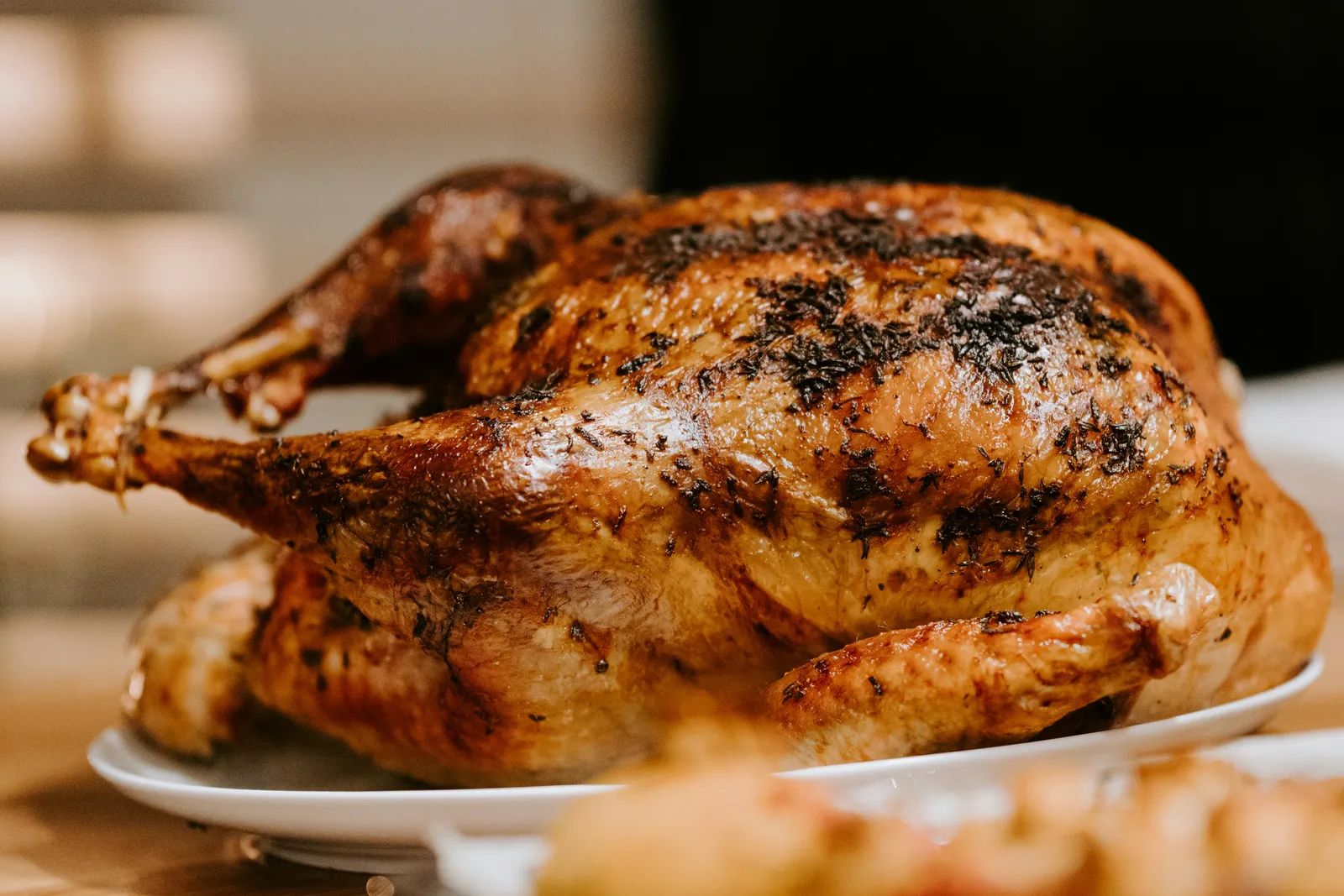
Thanksgiving leftovers often lose their appeal when reheated incorrectly. Many home cooks either underheat the meat, leaving it unsafe, or overdo it until the slices turn dry and tough. Federal guidelines from the USDA and CDC emphasize one clear target to avoid both problems. The original source for this guidance appears at ([1]).
The Temperature That Matters Most
USDA leftovers guidance requires reheated turkey to reach 165°F as measured with a food thermometer. CDC holiday turkey recommendations echo the same minimum before serving or eating. This single reading ensures harmful bacteria are addressed while the meat stays edible. Reheating does not restart the clock on storage limits, so the three-to-four-day refrigerator window still applies from the original cooking date.
Whole turkeys present extra challenges because the thick center warms slowly. USDA Turkey Basics pages advise against reheating an entire bird. Cutting the meat into smaller pieces first allows even heating and makes the 165°F target easier to confirm in multiple spots.
Proven Methods That Preserve Moisture
The oven offers reliable results when set no lower than 325°F. Place sliced turkey in a covered dish with a splash of broth or water, then heat until the thermometer confirms 165°F throughout. This approach keeps the meat from drying while meeting safety standards.
Microwave reheating follows similar principles. Arrange slices in a single layer inside a vented, microwave-safe container, add a little liquid if needed, and rotate or stir midway through. Allow a short standing time after heating, then check several locations with the thermometer to verify the target temperature.
| Method | Key Steps | Notes |
|---|---|---|
| Oven | 325°F minimum, covered dish with broth, heat to 165°F | Best for even results |
| Microwave | Cover and vent, rotate midway, add liquid, stand time | Check multiple spots |
| Stovetop | Covered skillet with broth, bring gravy to rolling boil separately | Confirm 165°F in turkey |
Practices That Protect Quality and Safety
Gravy, sauces, and soups require a rolling boil during reheating. Slow cookers are not recommended for bringing cold leftovers up to temperature because food can linger too long in the danger zone between 40°F and 140°F. Those appliances work better for holding already-hot food at 140°F or above, but never longer than two hours.
Frozen cooked turkey can be thawed in the refrigerator before reheating or warmed directly from frozen in a saucepan or microwave. In either case, the 165°F reading remains essential. Once reheated, any uneaten portions should return to the refrigerator promptly for potential later use, though repeated cycles tend to dry the meat further.
When to Discard Instead of Reheat
Turkey left out more than two hours, or one hour above 90°F, should be thrown away regardless of appearance. The same rule applies to any leftovers past four days in the refrigerator. Visible mold, off odors, or a slimy texture also signal that reheating cannot restore safety.
Cooked turkey may be eaten cold according to some USDA pages, yet CDC guidance favors reheating all leftovers to 165°F. Higher-risk groups benefit from the more cautious approach. A thermometer provides the only reliable confirmation that the process succeeded.
Following these steps turns leftover turkey into reliable second meals rather than a source of disappointment or concern. The 165°F standard, combined with proper portioning and moisture, delivers both safety and better texture for holiday remnants.