Every year, millions of Americans board transatlantic flights with bags so stuffed they could survive a small apocalypse. Europe, however, plays by different rules. Cobblestone streets, compact train compartments, centuries-old staircases with no elevators in sight – the continent was simply not built for oversized American luggage habits. What you choose to leave behind can matter just as much as what you bring.
Some of these mistakes are harmless enough, just annoying. Others can cost you real money, wreck your gear, or make you a walking target. So before you zip up that suitcase, read this carefully. Let’s dive in.
1. An Oversized Checked Suitcase
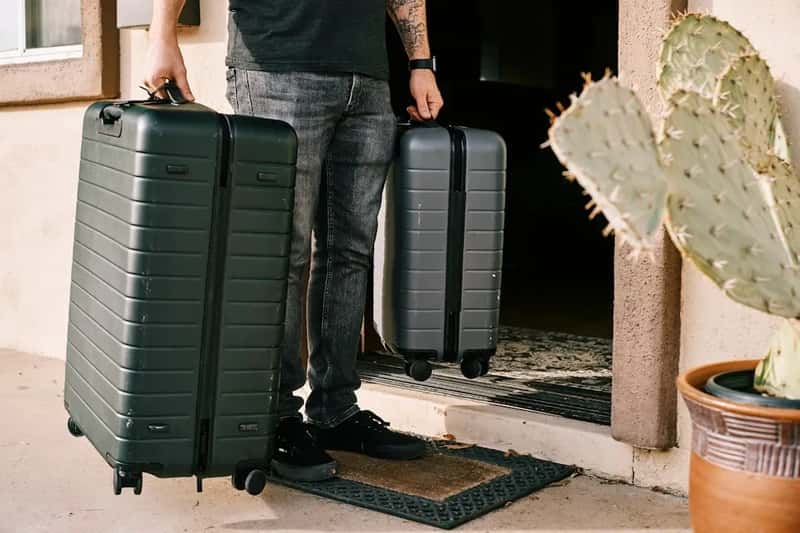
Let’s be real – this is the single biggest packing mistake Americans make in Europe, and it’s surprisingly common. According to a recent Travel + Leisure article, packing an oversized bag is the biggest mistake that American tourists make when traveling to Europe. It sounds dramatic until you actually experience it yourself.
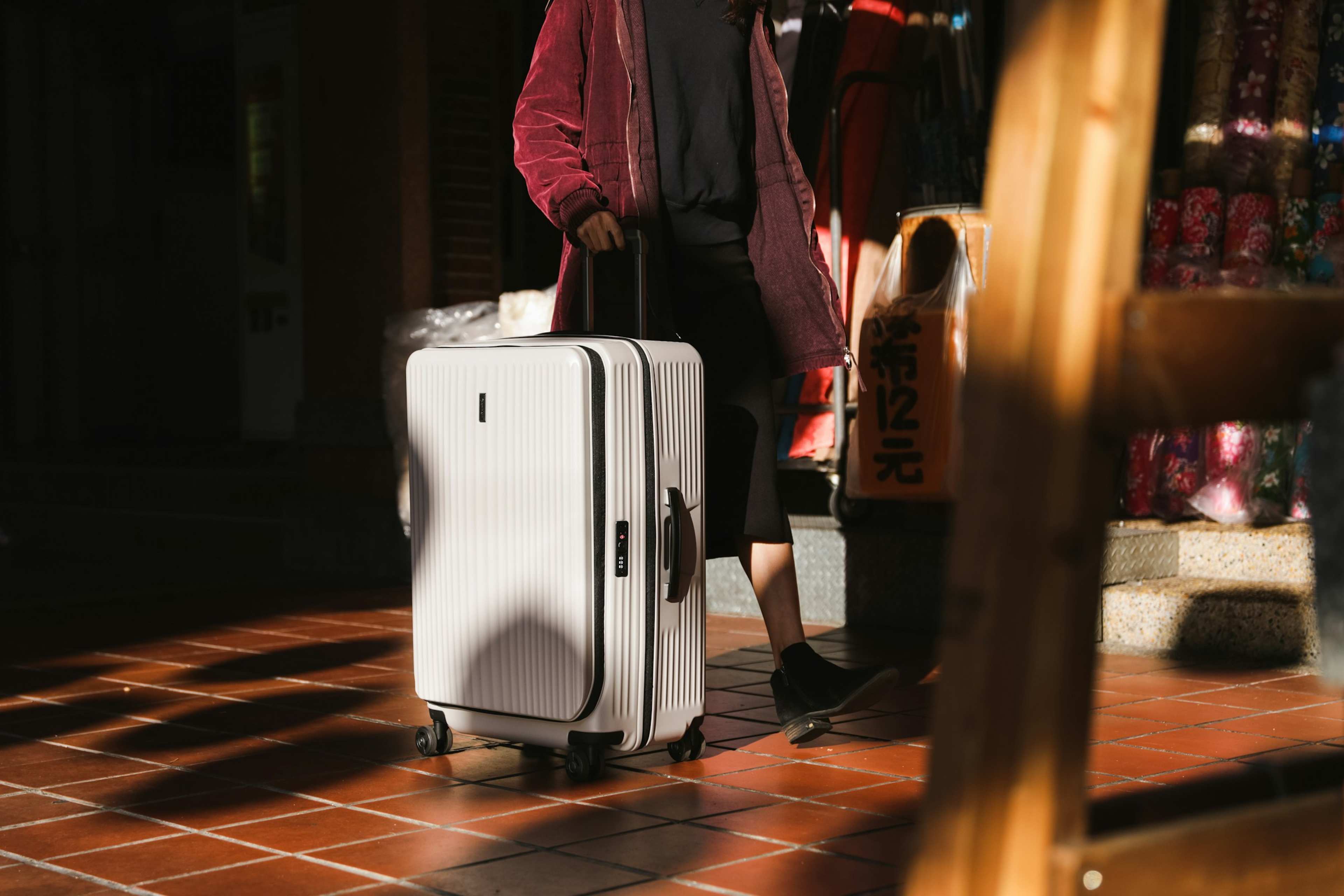
Big checked bags look efficient at home, then become a liability on cobblestones, tight sidewalks, and station stairs where elevators are scarce or crowded. Oversized cases also invite overpacking, turning every transfer into a slow shuffle and every small hotel room into a game of suitcase Tetris, especially when elevators are the size of a closet and older buildings have multiple flights to climb.
Trains especially can be tough as there’s often limited luggage space and nowhere to stash big bags. Sticking to a carry-on and packing layers will save you time, money and stress. Honestly, the freedom of traveling light is something you only truly appreciate after dragging a giant roller bag up four flights of stairs in a Venetian hotel. Don’t learn that lesson the hard way.
Many frequent Europe travelers cap luggage at carry-on size, pick sturdy wheels, and pack for easy lifting onto train racks and budget-airline bins, which also dodges checked-bag lines, lost-luggage stress, and awkward walks to apartment key pickups. It’s a habit worth starting now.
2. Your American Hair Dryer (or Any High-Wattage Appliance)

Here is something that surprises a shocking number of first-time travelers. Plugging your American hair dryer into a European outlet is not just inconvenient – it can literally destroy the device in seconds. The United States operates on 110-120V at 60Hz, while Europe uses 220-240V at 50Hz. This near-doubling of voltage can turn your simple packing decision into a potential safety hazard or expensive mistake.
High-wattage hair tools from the U.S. are a classic mistake in 220-240V countries, even when a cheap adapter makes the plug fit. An adapter only changes the shape of the plug; without a proper converter, devices can overheat, trip breakers, or quietly burn out after one use, and a converter strong enough for heat tools can be heavy, loud, and unreliable in small hotel bathrooms.
Many hotels and rentals have hair dryers for guests. Using local tools helps you avoid voltage problems. It also means you can pack less. Think of it this way: if nearly every hotel in Europe already provides a hair dryer, why risk frying an expensive device and wasting precious suitcase space? The math isn’t complicated.
Most European accommodations provide hair dryers on request or in-room. If you absolutely must bring your own styling tools, look for ones clearly labeled “100-240V” – these are dual-voltage and safe to use with just a simple plug adapter.
3. A Suitcase Full of Overpacked Clothing
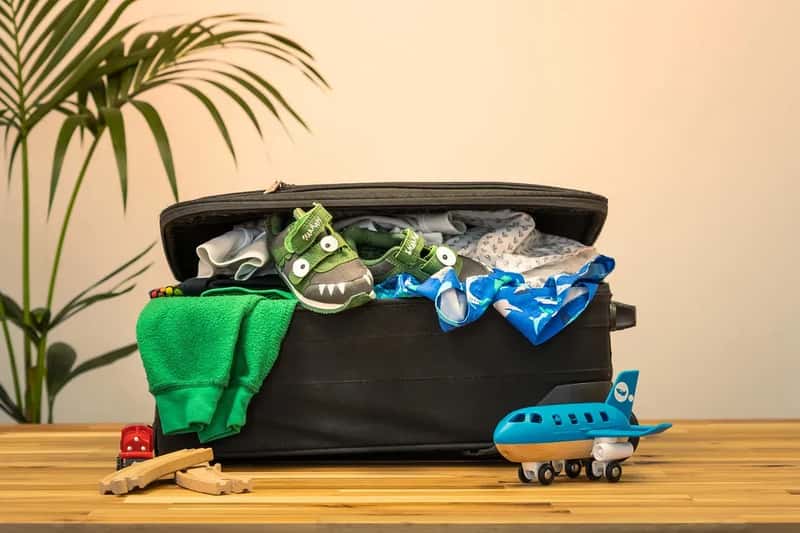
Americans pack as if they’re going on a six-month expedition when they’re actually doing a two-week vacation. It’s a deeply ingrained habit, and it creates real problems. We often believe we will need dozens of outfits for certain scenarios that play out in our heads, yet unless you are going for a wedding or special occasion, you will be surprised at how many items you will want to just wear on repeat.
Experienced travelers consistently say their biggest regret is overpacking. Every extra item is weight you’ll carry for miles. Think about that the next time you debate whether to pack that third pair of jeans “just in case.” Europe has stores. Perfectly good ones, actually.
The secret to not overpacking clothes is creating a capsule wardrobe – a small collection of mix-and-match pieces that work together. For 17 days, you’ll do laundry at least 3 times, so you really only need about a week’s worth of outfits. That’s a game-changer if you’ve never tried it before.
Bulky jeans, thick hoodies, and heavy cotton layers sound comforting, but they dry slowly and feel miserable after a surprise rain, a spilled espresso, or a rushed sink wash. In humid coastal cities or winter drizzle, cotton can stay damp for days, and that forces travelers to pack extra, which compounds the weight problem. Lightweight, quick-dry fabrics are your best friend in Europe.
4. Inappropriate Shoes (Especially Stilettos and Brand-New Sneakers)
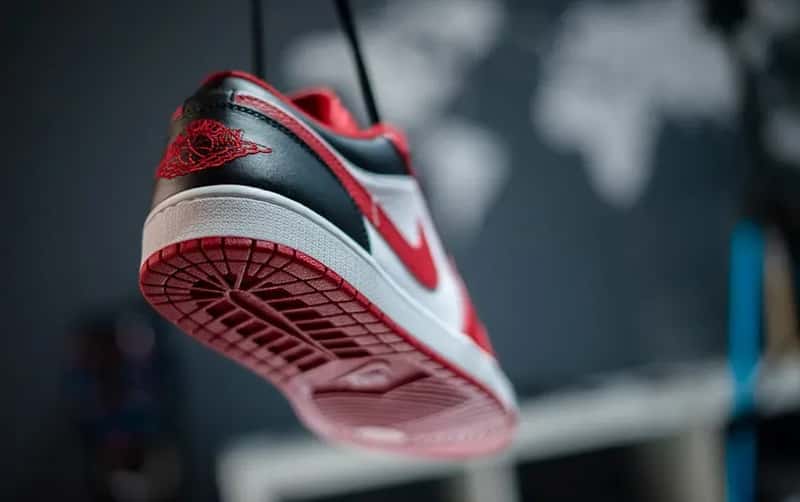
This one might surprise you, but your footwear choice can genuinely make or break your European trip. Not just in terms of comfort, but physically. Europe equals cobblestones, and cobblestones plus stilettos equal broken ankles. Ignore the influencers telling you to pack multiple pairs of heels; opt for a chunky heel, a wedge, a boot, or sandals instead.
Europe is best explored on foot, so comfortable, stylish walking shoes are a must. High heels, especially stilettos, aren’t suited for cobblestone streets and can lead to ankle injuries. This advice comes from travel experts who’ve seen it happen repeatedly across European cities.
I think many Americans underestimate just how much walking is involved. Especially if you’re visiting cities, you’ll easily walk over 20,000 steps a day just by exploring the sights. Walking is part of life in Europe, so there’s really no need for extra workouts if you’re constantly on the move. Your feet will be begging for mercy by day three if you haven’t worn those shoes in properly beforehand.
Limiting shoes to two pairs – worn-in walking shoes plus sandals or flip-flops – is the smart move. No heels. Stick to that rule and your feet will thank you somewhere between the Louvre and a Parisian café.
5. Culturally Conspicuous “American” Clothing
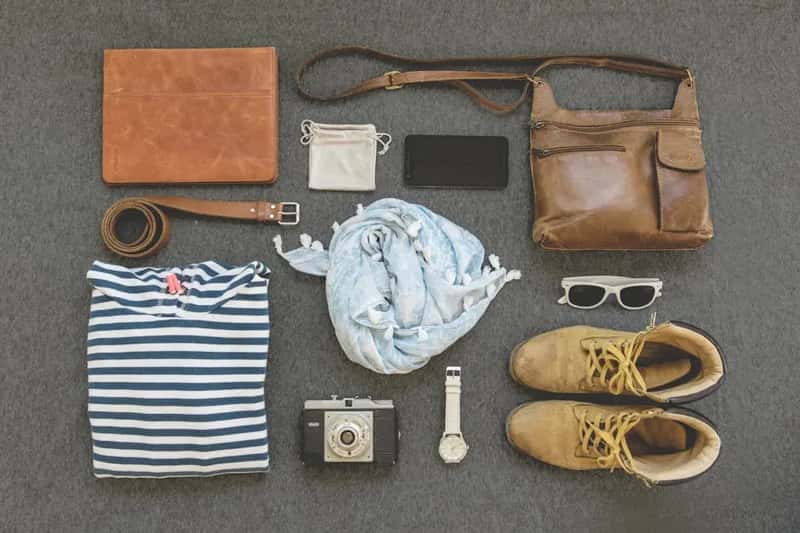
Dressing like a stereotypical American tourist in Europe isn’t just a fashion faux pas – it can actually affect your safety. As a solo traveler, dressing like an American can make you an easy target for pickpocketing and scams, and taxi drivers might charge you more. Especially as political tensions rise, it might be best to avoid looking obviously American.
Don’t look like a tourist by leaving your sweatpants, sweatshirts, graphic tees, sports sneakers, baseball caps, and fanny packs at home. Europeans tend to dress in a noticeably more put-together style, even for everyday errands. Showing up in oversized athletic wear is practically shouting “I’m a tourist, please approach me.”
Don’t bring denim in summer either. A lot of Europe has limited air conditioning, and jeans are hot. Most apartments don’t have dryers, so if you wash them, the humidity means jeans may never dry. Instead, opt for lighter fabrics like cotton and linen. Practical advice that doubles as cultural blending.
Think of dressing well. Europeans tend to dress up more than Americans, so think of wool pants, skirts, dresses, and dress jackets if you want to blend in. You don’t need to overhaul your wardrobe, but leaving the neon sports gear at home goes a very long way.
6. Full-Size Toiletries and Bulky Beauty Products

Packing full-size shampoo bottles, conditioners, and lotions is one of those habits Americans bring from road trip culture – and it absolutely does not translate to European travel. Full-size shampoos, sprays, and lotions add surprising weight, leak under cabin pressure, and often duplicate what is easy to buy in European supermarkets and pharmacies. Flights also come with liquid rules that make oversized bottles a hassle at security, and aerosols can trigger extra screening when bags are already tight on space and time is short between connections.
Here’s the thing – European pharmacies and supermarkets are genuinely excellent. You can find nearly every product you use at home, often for comparable prices. People live in Europe. Their stores sell many of the same things you buy at home. So you don’t need to bring everything with you.
Travelers who pack small decantables, a solid bar, and one trusted skin product move faster through airports, keep luggage lighter, and still have room for essentials like blister care, mini detergent sheets, a stain stick, travel-size sunscreen, and a tiny bottle of hand wash. That’s a smarter, leaner kit that clears security without drama.
Think of toiletries like this: anything you run out of in Europe can be replaced at a corner pharmacy in under ten minutes. The stuff you really need to protect is your passport, your cards, and your peace of mind – not a full bottle of conditioner.
7. An Easily Accessible Wallet, Bag, or Valuables Left in the Open
This isn’t exactly a “packing” item in the traditional sense, but packing the wrong kind of bag – or wearing your wallet in a back pocket – is a decision that costs thousands of American tourists dearly every single year. The numbers are staggering. The European Pickpocketing Index 2024 (Quotezone) shows that, by mentions of pickpocketing per million visitors, the leaders are Italy (478), France (251), Spain and Germany (111 each), and the Netherlands (100).
Rome, Italy experienced a 51.3% rise in reported robberies in 2024, with pickpocketing incidents surging to 33,455 cases, making the Trevi Fountain, Colosseum, and Pantheon among the most dangerous tourist sites globally. That’s not a number to ignore.
While Europe has little violent crime, it does have its share of petty purse snatching, pickpocketing, phone grabbing, and general ripping off of tourists – especially in places where tourists gather. Thieves target vacationers not because they’re mean, but because they’re smart. Travelers have all the good stuff in their bags and wallets. Loaded down with valuables, jetlagged, and bumbling around in a strange new environment, they stick out.
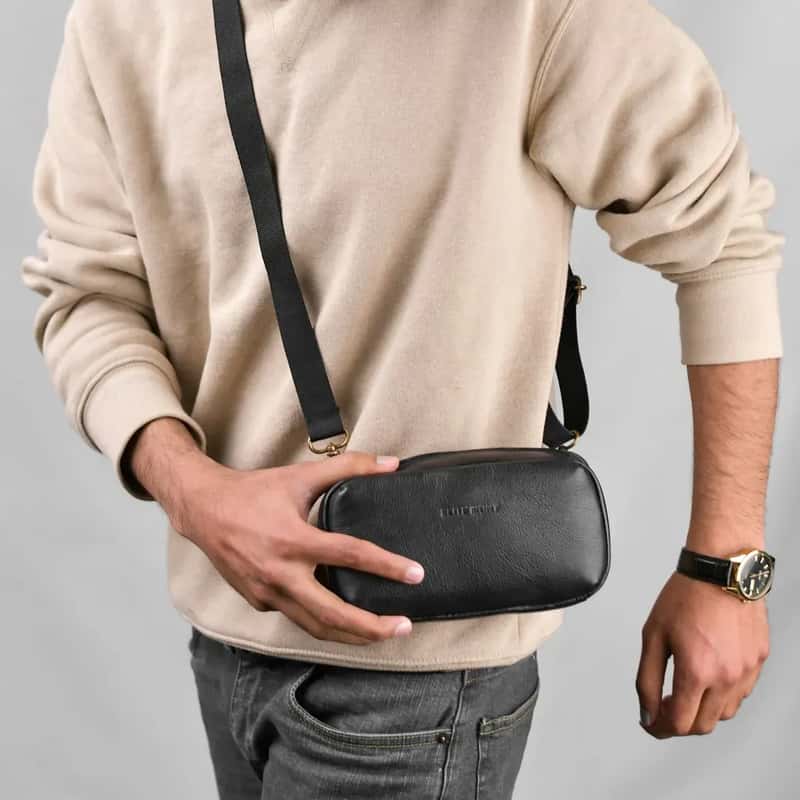
The situation is so notable that the U.S. Embassy in France published an elaborate travel advisory cautioning people about the many ways pickpockets operate in Paris, with metros being a common hunting ground as they take advantage of overcrowded trains and their rapid sliding doors to pinch commuters’ pockets. Pack a crossbody bag with a zipper, use a money belt for your passport and cards, and never leave anything in your back pocket. Ever.
Final Thought
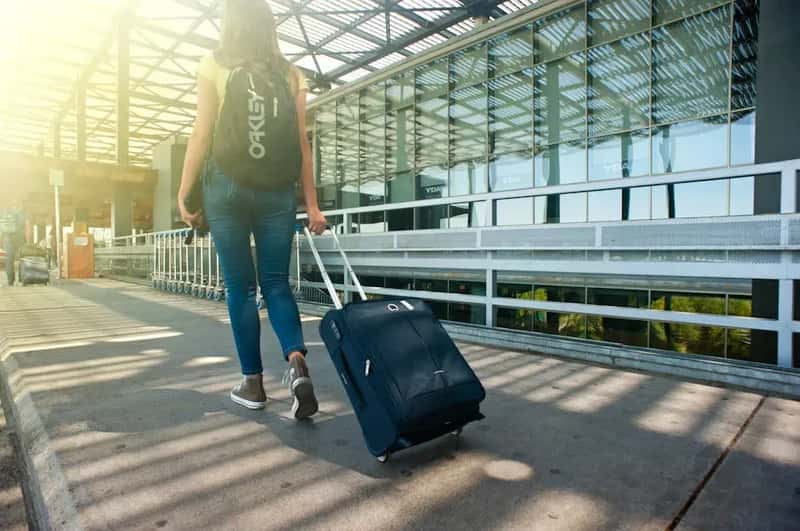
Europe rewards travelers who pack with intention. The less you carry, the more freely you move – through train stations, up winding staircases, across ancient cobblestones, and into moments that a giant suitcase would have made you miss entirely. Every item you leave behind is a little bit of freedom you give yourself.
The seven things on this list aren’t just inconveniences. They’re the difference between a stressful trip and a genuinely great one. Pack smarter, dress a bit more like a local, protect your valuables, and let Europe do what it does best.
What’s the one thing you almost packed – or wish you hadn’t? Tell us in the comments.