Embarkation day feels like a blur of gangways, keycards, and buffet lines, and it’s easy to spend those first few hours just reacting to whatever’s in front of you. Frequent cruisers know better. They treat the hours between boarding and the ship’s first full day at sea as a setup window, a chance to handle small logistics so the rest of the week runs smoothly rather than scrambling to catch up once the ship is already out of port.
The difference between a rough start and a relaxed one often comes down to a handful of habits that seasoned passengers repeat almost without thinking. None of them are complicated, but skipping them tends to cause the same predictable headaches later on.
1. They get the muster drill out of the way immediately
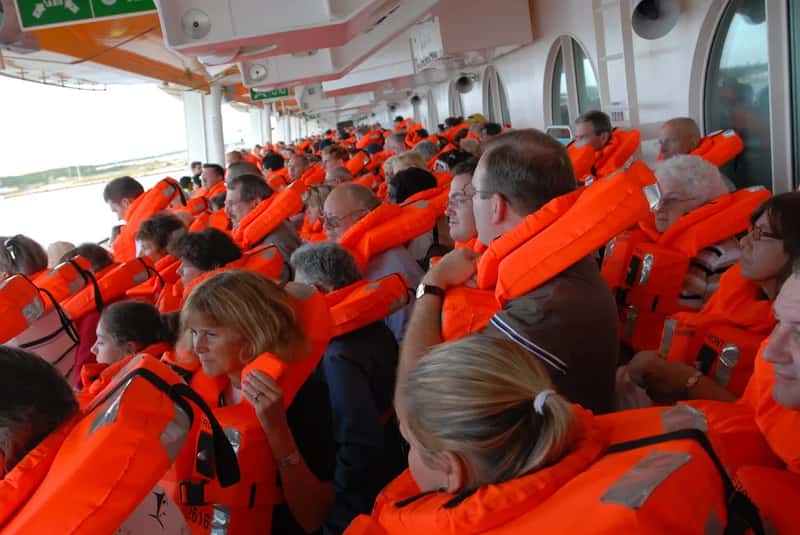
Long before anyone unpacks a suitcase, experienced cruisers make sure the safety drill is done. Under international maritime law, all passenger musters must take place before or immediately upon departure from the embarkation port[1], a rule that was tightened after the Costa Concordia disaster. Cruise lines take this seriously too, since Oceania Cruises and Regent Seven Seas announced that its ships would now hold all muster drills on embarkation day[2] following that same incident.
Most major lines now run this as a quick digital check-in rather than the old lifeboat-deck lineup. As one longtime cruise writer put it, muster drills have changed beyond recognition, and where guests once stood by the lifeboats in life jackets, the process is now quick, efficient, and an easy part of embarkation day[3]. Veteran cruisers still treat it as non-negotiable, since if you skip the drill or fail to check in, the ship will not sail, and the cruise line reserves the right to remove you from the ship without a refund[4].
2. They pack a dedicated day-one bag, not just a suitcase

Checked luggage almost never arrives at the cabin right away, and regulars plan around that instead of being surprised by it. As Carnival notes, it may take a few hours for luggage to be delivered to your stateroom, but you don’t have to wait to have fun if you stuff a carry-on backpack with essentials like your cell phone, wallet, bathing suit and sunglasses[5].
Royal Caribbean gives similar advice, pointing out that for your first day on board, you should pack your carry-on with the essentials you want to have on hand, like your passport and a change of clothes, because your luggage will be delivered to your stateroom later[6]. Experienced travelers also keep documents close rather than buried in a checked bag, since a passport, boarding pass, and medications must travel in the carry-on in case a checked bag is delayed or lost[7].
3. They locate their muster station and key landmarks before they need them
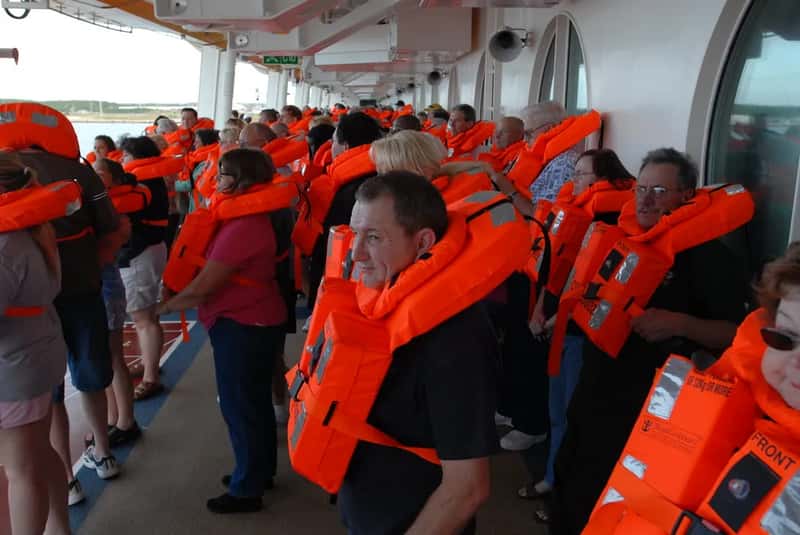
Rather than relying on memory during an actual emergency, frequent cruisers walk to their assigned muster point early and note how to get there from their cabin. This location is not arbitrary, either. According to Cruising Know It All, a muster station, sometimes called an assembly point, is a specific location on the ship where passengers must go during an emergency, assigned based on cabin number and printed on the keycard[4].
Celebrity Cruises frames this as one of the first orientation tasks worth doing, since one of the first things you’ll need to learn as you embark is the location of your muster station, not the bar or the kids’ club, but the place where you’d assemble in an emergency[3]. Seasoned passengers use that same walk to scope out guest services, the medical center, and the nearest stairwell, so nothing feels unfamiliar once the ship gets moving.
4. They download the cruise line’s app before Wi-Fi gets crowded
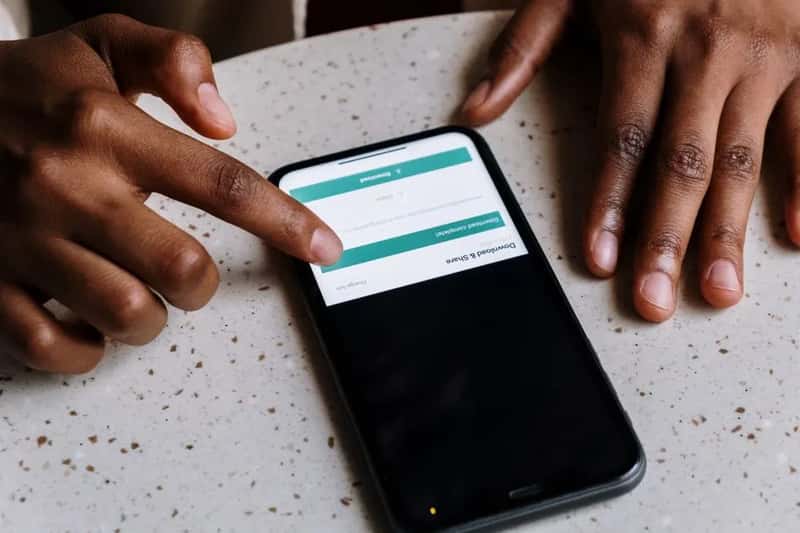
Ship-wide apps now handle everything from dining reservations to onboard account balances, and repeat cruisers install theirs before boarding rather than fighting for bandwidth in a packed terminal. On many ships the process is tied directly into arrival logistics, since Royal Caribbean explains that there are three parts to completing the mandatory safety drill, and the first two can be completed in the app or on the stateroom TV before visiting the assigned muster station[8].
Carnival runs a similar setup, noting that guests can learn about the self-mustering process and receive safety information through videos playing on board, on their stateroom television, announcements and the Carnival HUB App[9]. Having the app ready in advance means one less thing to sort out once thousands of other passengers are also trying to connect at the same time.
5. They reserve dining and entertainment slots right after boarding

Specialty restaurants, shows, and shore excursion add-ons tend to fill up fast, and the smart move is booking them the moment onboard access opens rather than waiting until after the first full day. Experienced travelers know this window is short, so they treat it as a priority task alongside checking in and finding their cabin. Skipping this step often means settling for a nine o’clock dinner slot or missing a popular show entirely.
This habit also ties into the broader idea of using embarkation hours productively instead of just wandering the ship. Since the muster drill and check-in process already require some waiting around, regulars use that same stretch of time to lock in plans for the days ahead. It costs nothing but a few minutes on the app and saves the frustration of finding everything booked solid later.
6. They set out a change of clothes instead of digging through luggage later
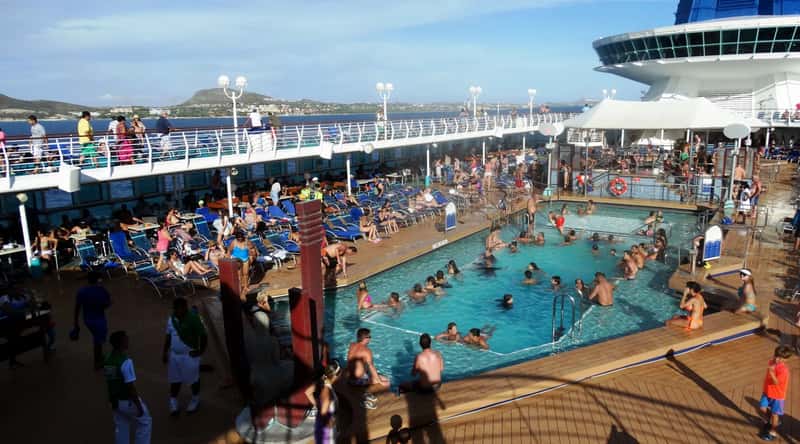
Because checked bags can sit outside the cabin door for hours, experienced cruisers keep a lightweight outfit and swimwear in their carry-on so they’re not stuck in travel clothes all afternoon. This is echoed across most major cruise line guidance, including the point that swimsuits are an obvious must-have[6] for anyone hoping to use the pool deck before the ship even leaves port.
The logic is simple. Sail-away parties, pool time, and the first buffet meal all happen well before luggage typically shows up, so packing around that timeline avoids a wasted afternoon. A spare set of clothes in the carry-on turns idle waiting into actual vacation time.
7. They check the daily planner before turning in for the night

Every cabin gets a schedule for the next day, whether it’s a printed sheet or a notification through the app, and frequent cruisers read it before bed rather than in a rush the next morning. This small step means they already know when the pools open, what time the sail-away announcements happen, and whether any must-do activities have limited capacity. It’s a habit that costs almost no effort but prevents that groggy feeling of missing something scheduled for early morning.
This planning habit also helps with pacing. Rather than trying to do everything on the first full sea day, seasoned travelers use the schedule to spread activities across the week, avoiding the common rookie mistake of overbooking day one and feeling exhausted by day two.