River cruises are marketed as elegant, serene European adventures where you glide past castles and vineyards with nothing but relaxation ahead. Those glossy brochures show spacious cabins, gourmet meals, and picture-perfect scenery, don’t they? Here’s the thing: while river cruising can be incredible, there are several realities the marketing teams conveniently forget to mention. Let’s be real, no cruise line wants to advertise their problems. They’d much rather show you champagne breakfasts than talk about what happens when river levels drop. If you’re considering dropping several thousand dollars on a river cruise, you deserve to know what you’re actually getting into. So let’s dive into what really happens behind those glossy images.
The Hidden Costs Can Nearly Double Your Trip Price
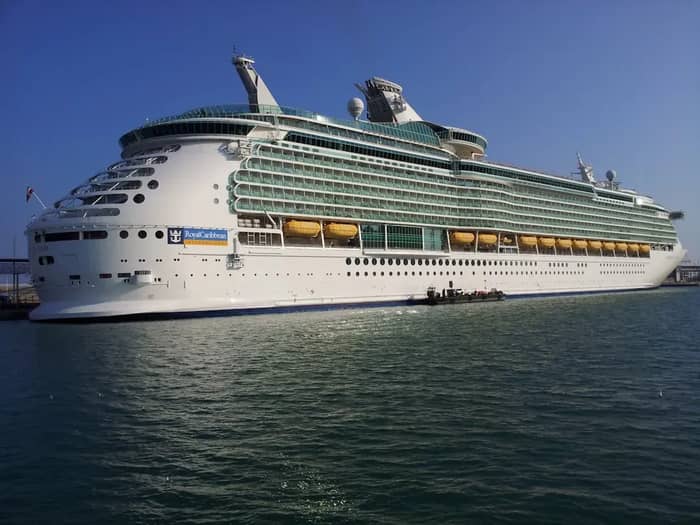
You’ve just seen that beautiful Danube cruise advertised for a tempting price, thinking you’ve found a great deal. Hold on. Research by Saga in 2023 found that travelers can expect to spend an average of over £1,300 in hidden extras on a pay as you go ocean cruise, and potentially as much as £3,000 more, while on river cruises it’s an average of £500 on top of the basic price, but with the possibility of that stretching to almost £2,000 more per person. This isn’t pocket change we’re talking about. These extras pile up faster than you’d expect. For river cruises it is gratuities (£94 per person), drinks (£131), and insurance (£251) that add up to £476 per person. Some lines don’t include gratuities at all. AmaWaterways, Avalon and Viking do not include gratuities, so you’ll be adding roughly another hundred pounds per person to your final bill. Honestly, when you’re booking, make sure you understand exactly what’s covered, because that advertised price rarely tells the whole story.
Your Dream Itinerary Might Turn Into a Bus Tour
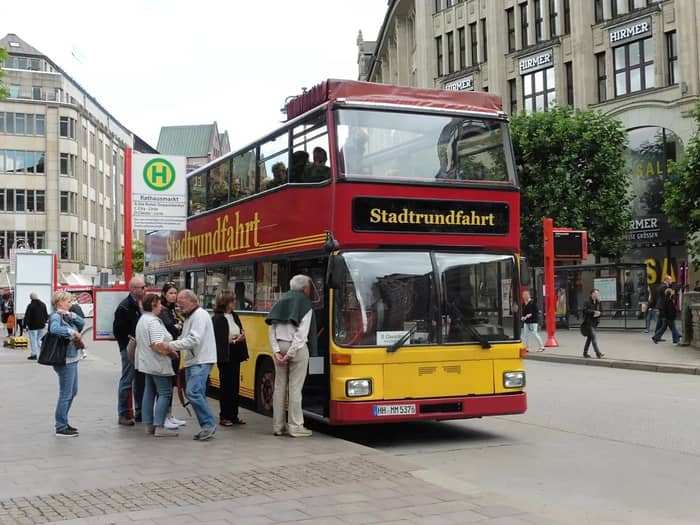
This is probably the single biggest complaint among river cruisers, yet advertisements barely whisper about it. Water levels are river cruising’s archenemy. Poor winter snows and low summer rains can make it impossible for the boats to travel their full itinerary. When water levels are too high or too low, ships physically cannot pass under bridges or through locks. What happens then? Another option is to turn the ship into a floating hotel. In this scenario, the passengers stay with their belongings on one ship, and take buses to other cities during the day. Think about that for a second. You paid for a river cruise, not a motorcoach tour. In general, water levels affect roughly 5 to 10 percent of cruises; and when they do, it’s usually for limited portions of the route. That might sound small, but when you’re in that unlucky percentage, it’s your entire vacation. Multiple river cruise lines have been forced to change itineraries and even cancel sailings as higher than average water levels have created flooding on several European rivers in 2025.
Those Cabins Are Shockingly Small
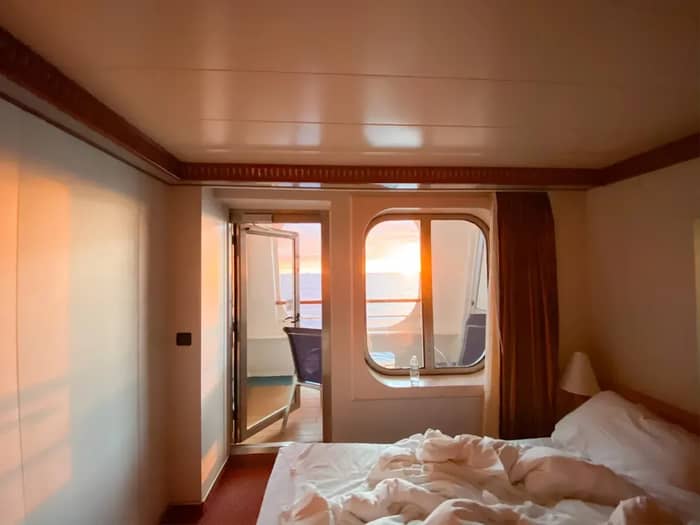
River cruise advertisements love showing spacious suites with French balconies and elegant décor. What they don’t show you is that the majority of passengers aren’t in those rooms. On a river cruise, though, the least expensive cabin can be really tight – 170 square feet or less – with small windows that don’t open. For context, that’s smaller than many hotel bathrooms. Because river ships have strict width limits to fit through locks, there’s only room for two cabins per deck. River ships have a width limit (so that they can fit through locks), which means that cabins can only be so wide, which in turn means that a balcony takes away from your interior room space. Some travelers describe the lower-deck cabins as claustrophobic, with windows positioned so high you need to stand on tiptoes to see out. Sure, you can upgrade, but that’ll cost you hundreds more per night.
Engine Noise and Vibrations Are Part of the Package
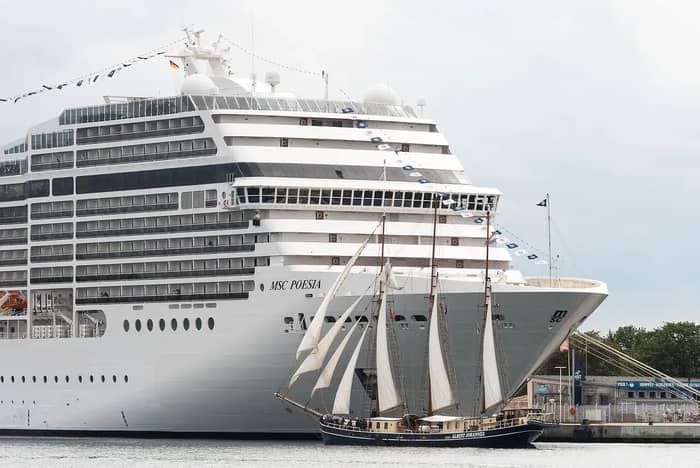
Picture yourself drifting off to sleep as your ship glides silently along the Rhine. Sounds lovely, right? Well, depending on your cabin location, you might be in for a rude awakening. Travelers reported a noise issue when their cabin was below the kitchen, hearing breakfast getting started every morning right after 6, while others experienced vibrations from changes in engine speed more than actual noise. Cabins near the rear of the ship, especially on lower decks, can experience noticeable vibrations. The rear of the boat may be noisier because of the engine, according to seasoned river cruisers discussing cabin selection. One traveler on a 2024 AmaWaterways cruise mentioned they could hear people in the hallway from their cabin. It’s not necessarily a dealbreaker, but it’s definitely something the brochures conveniently forget to illustrate with those peaceful sunset photos.
Internet Connectivity Is Often Terrible

Most river cruise lines advertise free WiFi as a major perk. Technically true, but let’s talk about what that actually means. The WiFi internet on most river cruise ships is provided entirely free of charge. Now, the bad news: it’s slow. Agonizingly slow, in some cases. Complaints about spotty Wi-Fi access appear frequently in Viking reviews from 2025. Why is it so bad? River cruise ships are a moving target, connecting to the internet largely through the same cellular signal you’d get on your phone. Environmental conditions can knock it out. When the ship enters a lock, which can be up to 82 feet deep, you’ll lose your connection entirely. If you’re traveling through the Rhine, your phone might constantly switch between French and German networks. Remote areas like the Columbia River in the US? Forget about it. Heading out on a Columbia River cruise between Portland, OR and Lewiston, ID? Don’t expect much reception for most of your week. The cruise travels through some of the most remote areas of the country where cellular towers seem non-existent. Trying to tether your iPhone to your computer can’t work if you don’t have a cell tower signal.
You’ll Be Docked Next to Other Ships More Often Than Not
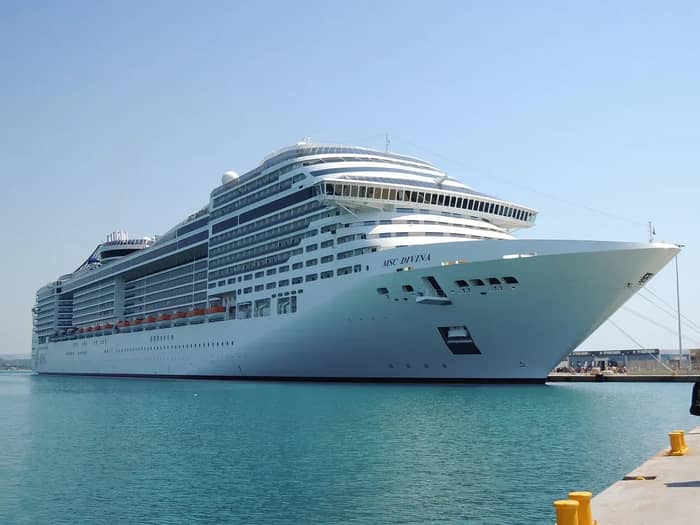
Those advertisements always show a lone ship peacefully moored at a charming riverside town, with passengers strolling directly onto a picturesque promenade. Reality check: Boats docked side by side was a negative for travelers, and at Amsterdam’s main river cruise port between the Ocean terminal and Central Station, it is quite usual to see vessels breasted up for embarkation and disembarkation. During the high season when ships are sometimes docked three and four abreast guests will have to travel between vessels. Even if your ship is suitable for a mobility scooter, there is no guarantee that the ship docked next to you will be. Imagine waking up to discover your beautiful river view is now someone else’s cabin wall. Even worse, you’ll need to walk through multiple other ships, past strangers in their lounges and dining rooms, just to reach dry land. It’s awkward, it’s inconvenient, and it absolutely destroys any sense of exclusivity.
Refunds and Compensation Are Far From Guaranteed
Let’s say your itinerary changes dramatically due to water levels, or your cruise gets partially canceled. Surely you’d get compensated, right? Not so fast. As with ocean cruises, river cruise lines are not required to refund money if the itinerary changes. If you opt to cancel on your own within 30 days of sailing, you’ll forfeit your entire cruise fare (partial amounts if canceled further out). Travel insurance isn’t likely to cover you unless you purchased a “cancel for any reason” waiver. Some companies offer future cruise credits or minor concessions, but they’re under no legal obligation to do so. River cruise lines are not required to refund money if the itinerary changes. River cruise companies prefer to keep their passengers happy by sailing the published itinerary, so they will often wait until just a week or two before the voyage leaves to announce changes. That’s cutting it pretty close, especially if you’ve already arranged flights and hotels.
River cruises can be absolutely wonderful experiences, offering unique access to European towns and cities that larger ships can’t reach. The onboard service is typically excellent, the food quality is generally high, and many travelers adore the intimate atmosphere. However, going in with realistic expectations makes all the difference between loving your trip and feeling cheated by glossy marketing promises. The companies aren’t lying exactly, they’re just very selective about what they highlight. Water level disruptions, cramped cabins, extra costs, and connectivity issues are simply part of the river cruise reality. Did you expect that?