Plenty of American travelers arrive in Europe expecting a bargain, and some corners of the continent still deliver one. Other line items on the bill tell a different story, and they tend to show up at the pump, on the utility statement, and at the electronics counter.
The gaps come from taxes, market size, and energy policy, not from any single villain. Here are seven everyday costs where the numbers, mostly from 2025 and 2026, run higher in Europe than many Americans would guess.
Petrol at the Pump

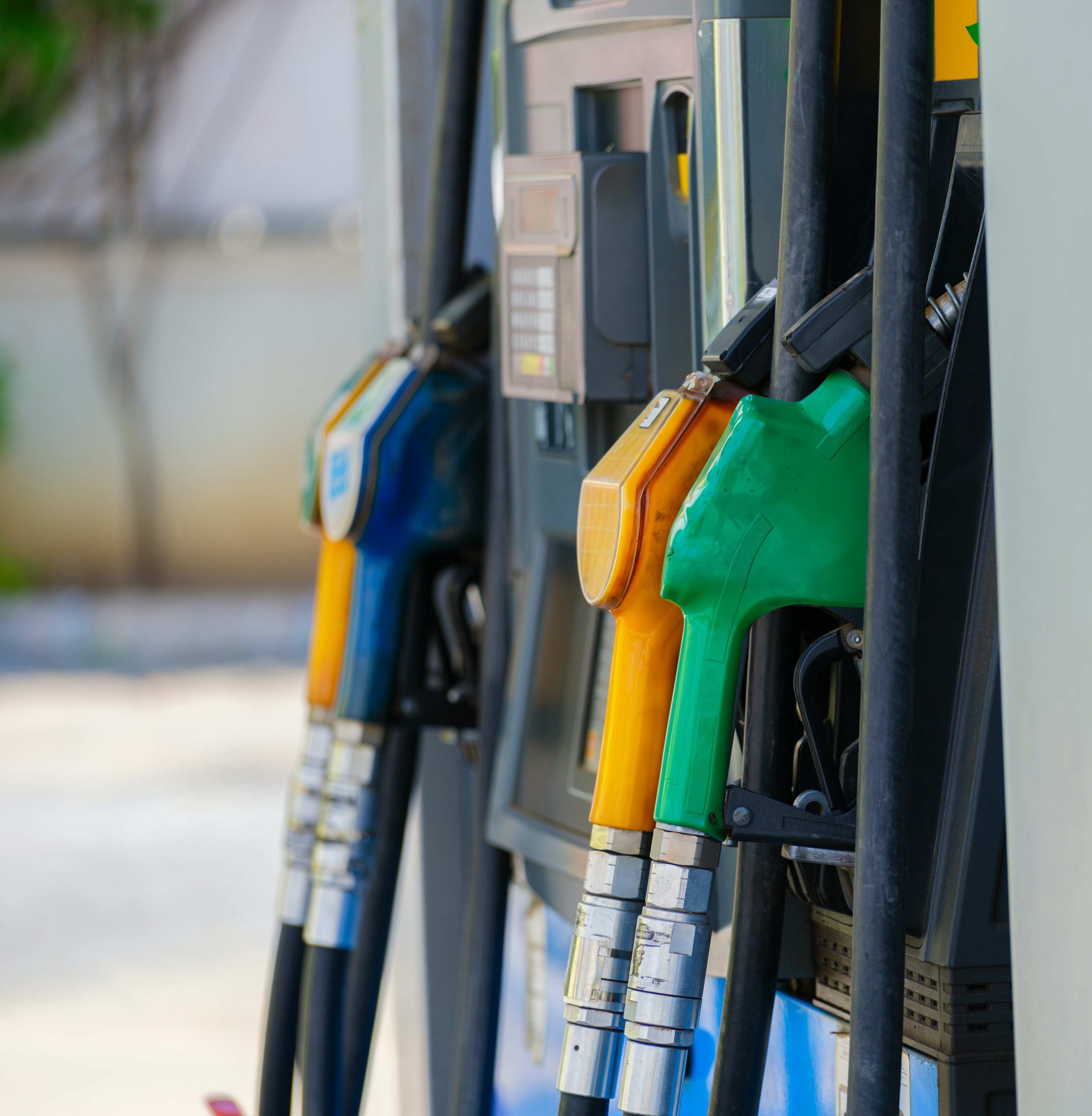
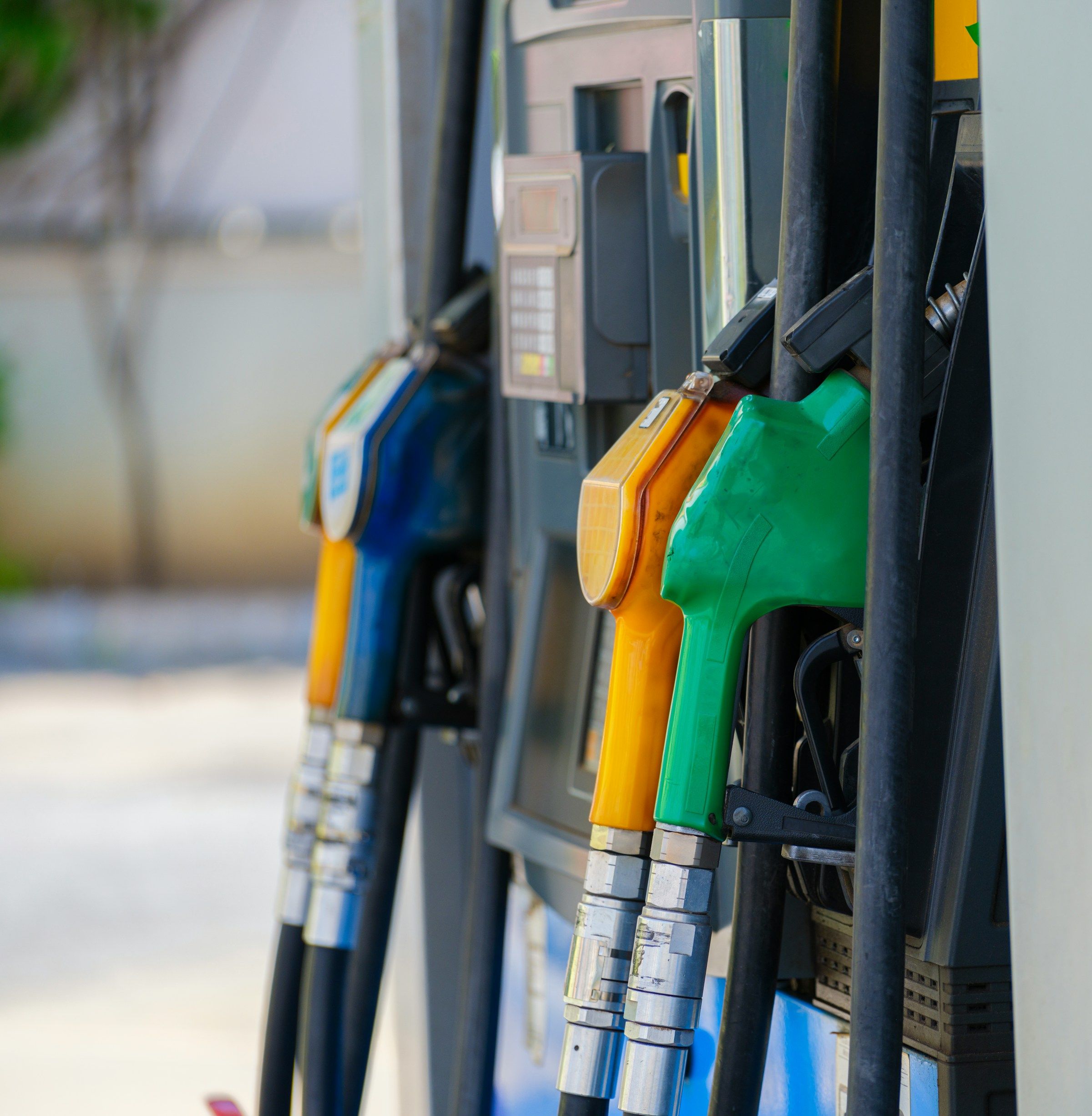
Late September 2026 figures put the EU average for petrol at about €1.96 per liter. That works out to roughly two thirds more than the US equivalent, which sits near €1.18 per liter.[1] Even Malta, the cheapest EU country at €1.34 per liter, is still pricier than the American average.[1]
The top of the range is steeper. Denmark is the most expensive at the equivalent of about $11.21 per gallon, while US regular averaged $4.48 per gallon in the week of September 21, 2026.[2] Keep in mind that the comparison depends on the octane grade used, since the two continents rate fuel differently.
Diesel, Which Isn’t the Bargain Fuel It Once Was

Diesel has long been popular in Europe, so it surprises some visitors that it isn’t cheap. The EU average of €2.138 per liter is about 44 percent above the US price of €1.482 per liter, or $6.38 per gallon.[1] Rental cars with diesel engines are common, so this matters more than it might seem.
Prices have also been moving. The US recently topped $4 per gallon according to AAA, up from $3.17 a year earlier.[3] Meanwhile, a European Commission series shows the EU petrol average at €2.09 per liter on September 21, 2026, up by roughly eighteen percent over twelve weeks.[4] Both sides of the Atlantic are feeling it, but Europe starts from a higher base.
Why the Gap Is Mostly Tax

The difference at the pump is less about oil and more about what governments add to it. Excise duties and VAT typically make up somewhere between forty and sixty percent of the pump price in EU countries.[1] US federal and state fuel taxes average around fifty cents per gallon, roughly twelve percent of the pump price.[1]
Some countries go much further than others. Tax Foundation Europe reported that the Netherlands levied the highest petrol tax in 2026, at $3.76 per gallon.[3] That single tax is close to the entire price of a gallon in some American states.
Household Electricity

Europeans pay a lot for power at home, and the top of the table is eye opening. In the second half of 2025, household prices were highest in Ireland at €0.4042 per kWh, then Germany at €0.3869, Belgium at €0.3499, and Denmark at €0.3312.[5] The US average over the same months was 17.7 cents per kWh, which was cheaper than twenty eight of the forty countries compared.[6]
Not everywhere is expensive, though. Hungary, Malta, and Bulgaria posted the lowest prices, with Hungary at €0.1082 per kWh.[5] One caveat is that the average American home uses far more electricity, about 11,200 kWh a year, than the typical European household band in the data.[6] A high rate per kWh and a high total bill are not always the same thing.
The iPhone in Hungary and the Nordics

Phones are one of the easiest products to compare, since the hardware is identical. Hungary has the priciest iPhone 17 Pro in the EU, with the 256GB model at $1,826, against $1,181 in the US.[7] Hungary also charges the EU’s highest standard VAT rate, at twenty seven percent.[7]
The Nordic countries run high too. For the iPhone 16 Pro, Sweden was the priciest EU market at €1,231, followed by Denmark at €1,188 and Finland at €1,175.[8] Among Europe’s five largest economies, the UK was the cheapest at €1,095.[8]
Everyday New Cars

Comparing average car prices can mislead. Kelley Blue Book reported a record average transaction price of $50,326 in the US in December 2025, but that figure is pushed up by a preference for full size pickups and large SUVs.[9] A model by model look is fairer.
Take the Toyota Corolla Hybrid. The 2026 model starts at $25,970 in the US, while the equivalent base model lists at €33,340 in Germany, about $38,450, with 19 percent VAT included.[9] There is one counterweight: Europe has more than a dozen budget electric models under $30,000, while in the US only the Nissan Leaf falls in that range.[10]
Sports Cars and Used Performance Cars

The gap tends to widen as cars get more exciting. The Ford Mustang GT starts around $46,560 in the US, while in Germany the same car starts at €64,800, about $74,268, or nearly sixty percent more.[9]
Used examples follow the same pattern. A used 2024 BMW M4 runs roughly $65,000 to $95,000 on American listings, while standard models on Mobile.de are typically €70,000 to €100,000, about $80,600 to $115,200.[9] That is notable given that BMW is a German brand, though American used car prices were also at their highest since COVID at the end of 2025.[9]
Anything With a Price Tag, Thanks to VAT

Part of the sticker shock is simply how prices are shown. EU VAT is built into the advertised price, so what a customer sees online is what they pay.[7] Rates range from 17 percent in Luxembourg to the twenty seven percent charged in Hungary.[7]
American shoppers are used to a different rhythm, where tax appears at checkout. State sales tax rates generally sit between 2.9 and 7.25 percent.[11] On an iPhone 15 Pro Max, that meant an extra $71.94 in Washington, DC, and $113.91 in Los Angeles.[11]