There’s a particular kind of quiet that settles in the days before a first solo trip abroad. No one else is checking the itinerary, no one else remembers if the visa got sorted, and that can feel both freeing and a little unsettling. Solo travel has moved well past niche status, with international solo trips now growing faster than almost any other travel segment, but growth in popularity doesn’t mean the logistics get any easier on your own.
Getting ready for a trip where you’re the only one responsible for every decision takes a different kind of preparation than a group vacation. The following seven steps cover the practical groundwork that tends to matter most, the stuff that’s easy to overlook until you’re standing in an airport somewhere realizing you skipped it.
1. Confirm your passport and visa situation early
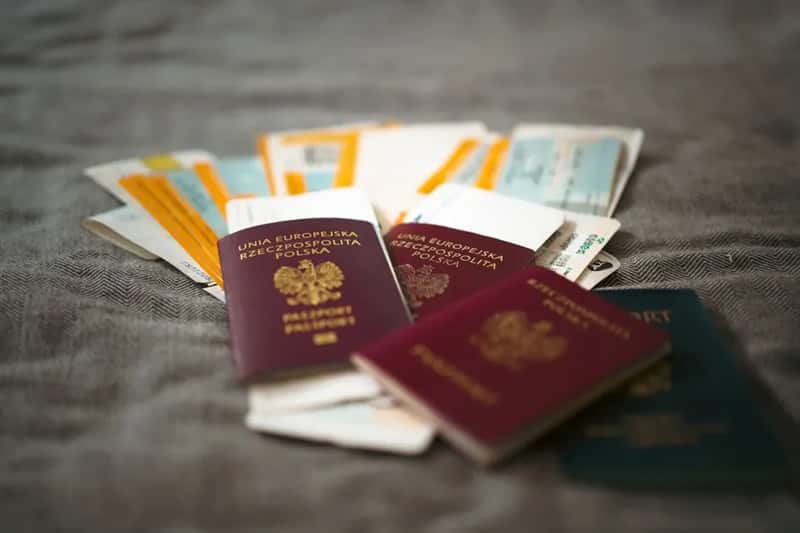
Passport rules trip up more first-time solo travelers than almost anything else. Many countries require at least six months of validity remaining beyond your travel dates, and a passport that’s due to expire in four months can quietly derail an otherwise perfect itinerary. Renewal processing times fluctuate, so checking this months in advance, not weeks, saves a lot of stress.
Visa requirements are just as important and vary enormously by destination and nationality. Some countries offer visa-free entry or visa-on-arrival, others require an e-visa applied for online, and a few still expect an in-person application at a consulate. Look up the specific rules for your passport and destination directly through the destination country’s official immigration website rather than relying on secondhand summaries, since policies do change.
2. Register your trip and share your plans with someone at home
Solo travel means there’s no built-in second set of eyes on your plans, which is exactly why registering your trip matters. Programs like the U.S. State Department’s Smart Traveler Enrollment Program, or equivalent services offered by other countries, let embassies reach you in an emergency and send alerts about safety conditions at your destination. It takes a few minutes and costs nothing.
Beyond official registration, it helps to leave a rough outline of your plans with a friend or family member: flight numbers, hotel names, and a general sense of your daily movements. This isn’t about paranoia, it’s just common sense when nobody else knows where you are day to day. A simple shared document or even a text thread works fine.
3. Buy travel insurance built for solo trips
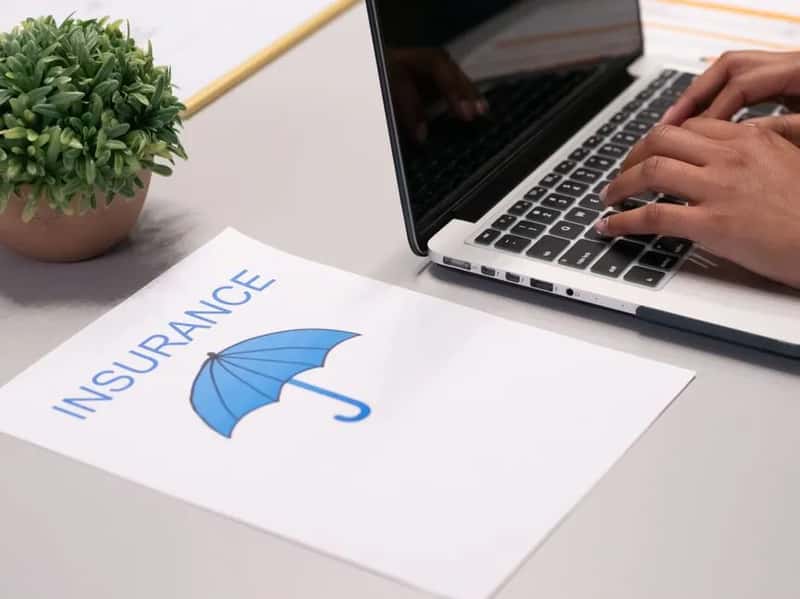
Traveling alone means covering costs entirely on your own if something goes wrong, whether that’s a missed connection, lost luggage, or a medical issue abroad. Statistics reveal that around 70% of insurance policy sales in recent years are attributed to solo travelers, a sign that this group has increasingly recognized the value of coverage. Prices vary depending on trip length, destination, and activities planned, so it’s worth comparing a few policies rather than grabbing the first one that pops up.
Look specifically for medical evacuation coverage and trip interruption benefits, since those tend to matter more for solo travelers who don’t have a companion to lean on if plans fall apart. Read the exclusions closely, particularly around adventure activities if your trip includes hiking, diving, or similar pursuits. A policy that costs a bit more but actually covers what you’re doing is worth far more than a cheap one that doesn’t.
4. Set up international connectivity before you land

Staying reachable and able to navigate is one of the biggest quality-of-life factors for solo travelers, and the way people handle this has shifted dramatically in the past couple of years. One in five travelers chose digital connectivity in recent surveys, and eSIMs beat WiFi-only usage and left pocket WiFi devices well behind. First-time users tend to stick with it too, since a large majority of first-time eSIM users said they’d use one again.
Setting up an eSIM ahead of departure means you can activate a data plan the moment you land, without hunting for a local SIM shop or paying steep roaming fees. Travel eSIM package revenues jumped roughly 85% in a single recent year, reflecting just how many travelers have made the switch. It’s worth double-checking that your phone model actually supports eSIM technology before you buy a plan, since not every device does.
5. Research local laws, customs, and neighborhood-level safety

Guidebooks cover the big picture, but solo travelers benefit from a bit more granular research. Knowing which neighborhoods are considered safe at night, what local laws exist around things like alcohol, photography, or dress codes, and how public transportation actually operates can prevent a lot of avoidable stress once you’re there. This is especially true in destinations with legal or cultural norms that differ significantly from home.
Solo female travelers in particular tend to weigh safety heavily when picking a destination, and roughly 54% of solo female travelers endorse Europe as an ideal first solo trip destination, largely due to safety perceptions and ease of navigation. That doesn’t mean other regions are off the table, but it does suggest that starting with a destination known for straightforward infrastructure and lower risk can make a first solo trip feel more manageable.
6. Notify your bank and diversify how you access money
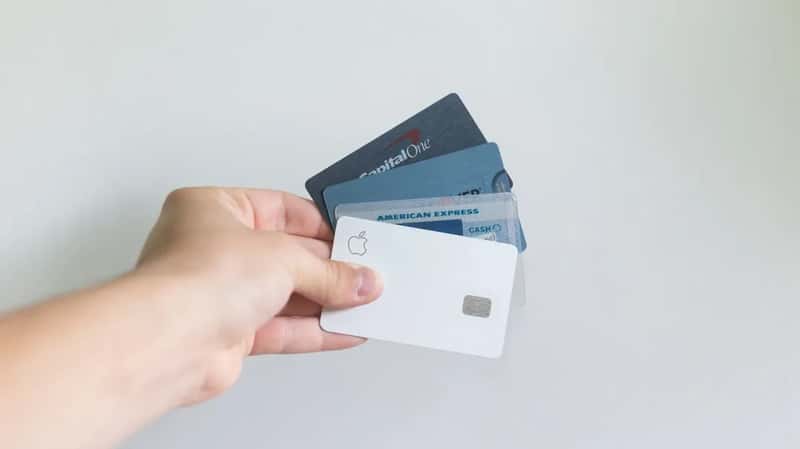
Few things ruin a solo trip faster than a blocked debit card in a country where you don’t speak the language and have no one to call for backup funds. Contact your bank and credit card providers before departure to flag international travel dates and destinations, since unusual overseas activity often triggers automatic fraud holds. It’s a five-minute call that can save an entire day of frustration abroad.
It’s also smart to carry more than one way to pay: a primary card, a backup card from a different bank, and a modest amount of local cash for situations where cards aren’t accepted. Some destinations remain heavily cash-based for smaller vendors and transportation, so arriving with zero local currency can be inconvenient in the first few hours. Traveling alone means there’s no one else’s card to fall back on if yours fails, so redundancy matters more here than on a group trip.
7. Make copies of key documents and know your emergency contacts
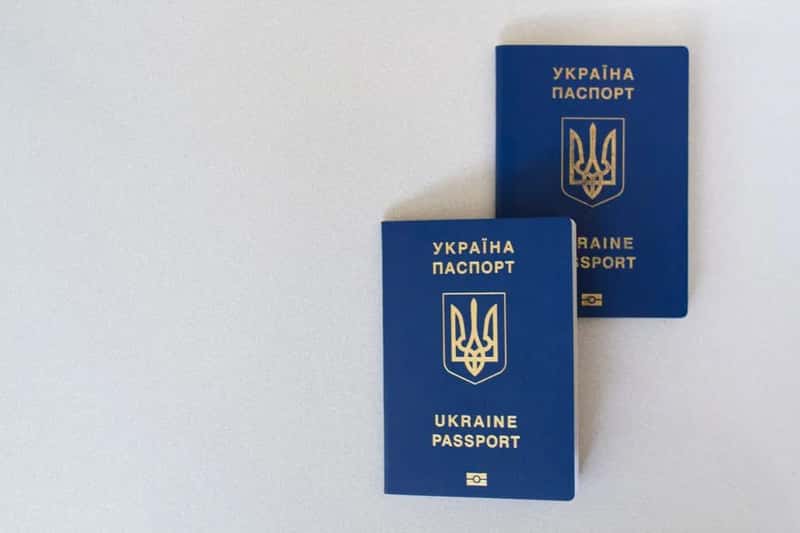
Losing a passport or having a bag stolen is stressful under any circumstances, but doing it alone in an unfamiliar country raises the stakes considerably. Before leaving, make both physical and digital copies of your passport, visa, insurance policy, and any relevant medical information, then store them separately from the originals, ideally in cloud storage you can access from any device. A photo on your phone is fine, but a backup that doesn’t depend on your phone working is better.
Know in advance how to reach your country’s nearest embassy or consulate at your destination, and keep that contact information somewhere you can find it without needing internet access. It’s also worth jotting down the local emergency number, since it’s not always the same as it is at home. None of this preparation is exciting, but it’s the kind of groundwork that turns a stressful situation into a manageable one.
Getting these seven things sorted before departure won’t eliminate every hiccup a solo trip can bring, but it removes most of the avoidable ones. The goal isn’t to over-plan every hour abroad, it’s to build a foundation solid enough that you can actually relax into the freedom that drew you to solo travel in the first place. Once the paperwork, insurance, and backup plans are handled, what’s left is the part that actually matters: figuring things out as you go, on your own terms.