Ask anyone who has spent years behind a hotel front desk and they’ll tell you the same thing: real wealth rarely looks the way people expect. The guests with the deepest pockets are often the calmest, quietest, and least demanding people in the lobby, while the loudest displays tend to come from those still trying to prove something. Front desk agents, concierges, and housekeepers have quietly compared notes for decades, and certain patterns keep showing up among genuinely affluent travelers.
None of these habits require money at all, which is part of what makes them interesting. They’re really about restraint, awareness, and a kind of practiced ease that comes from having stayed in enough hotels to know how the whole system works. Here are seven things staff say the wealthiest guests almost never do.
1. They Never Announce How Much Money They Have
One of the most coOne of the most consistent observations from front-of-house staff is that guests who are actually affluent rarely talk about their bank accounts, their cars, or their portfolios.[1] There’s an old saying that fits perfectly here: people who are genuinely wealthy are often less likely to talk about their money at all, and as the saying goes, money talks, but wealth whispers.[1]
Staff say the guests who feel the need to mention their net worth, their private plane, or their last five-star trip are usually not the ones with the deepest pockets. The loud bragging, staff say, tends to come from people trying to prove something rather than those who’ve simply lived with money for a long time.[1] It’s a small but telling detail, and it’s one the front desk notices within the first few minutes of check-in.
2. They Never Press Hard for an Upgrade

Frequent luxury travelers tend to assume that if an upgrade is coming, it will be offered without a fight. People who travel frequently in higher-end circles often assume that if they’re entitled to an upgrade, it’ll be offered automatically because of their status, booking category, host, travel advisor, or loyalty program, and they don’t usually feel the need to negotiate. That calm confidence contrasts sharply with what staff describe seeing from less experienced guests.[1]
By contrast, guests newer to the luxury world often work much harder to secure a better room. Less experienced luxury travelers may spend considerable time trying to angle for an upgrade, mentioning special occasions, dropping hints, or asking multiple times if anything “better” is available, and front desk agents say this repeated pressing rarely changes the outcome and mostly just adds friction to an otherwise smooth check-in.[1] Staff simply don’t forget who made check-in stressful and who didn’t.
3. They Never Tip in a Way That Draws Attention

Tipping generously is standard practice at high-end properties, yet staff say the wealthiest guests handle it without any fanfare. Tipping generously is expected in luxury settings, but staff consistently say the wealthiest guests do it without ceremony.[1] There’s no counting bills in front of a crowd and no announcement about how much was left behind.
Etiquette guides back this up directly, noting that discretion is the whole point of the gesture. When you tip, do it quietly. Housekeeping often appreciates an envelope or a short note[2] rather than a public handoff. Guests who plan ahead rather than fumbling for cash mid-conversation are, according to staff, usually the ones most comfortable with the rhythm of luxury service.
4. They Never Give Vague or Confusing Requests

Concierge teams say one of the clearest signs of an experienced traveler is how specific their requests are. Concierge teams can create remarkable moments, especially when guests give helpful directions. A vague request like “find somewhere nice for dinner” leaves too much room for interpretation. A more useful request might mention cuisine, atmosphere, timing, and how far you want to travel.[2] Guests who know how the system works give details upfront instead of leaving staff to guess.
Concierges who work these desks daily echo the same frustration with open-ended asks. “I want a great dinner” is vague. “I want a cozy Italian spot with a killer wine list and zero influencers” gives your concierge something to work with.[3] The wealthiest guests, staff say, treat the concierge like a skilled partner rather than a mind reader, and they get noticeably better results because of it.
5. They Never Turn a Problem Into a Public Scene

When something goes wrong, staff notice a sharp divide in how guests react. Composure matters more than most people realize. If something goes wrong, speak privately and calmly. A composed conversation usually leads to a better solution than frustration in a public space.[2] Surveys of hotel guests back this up, showing that loud complaints and public confrontations rank among the behaviors other travelers find most irritating.
In fact, guests who berate staff over minor issues consistently show up as one of the most disliked behaviors in guest surveys. “The Complainers,” otherwise known as the guests who berate and belittle the hotel staff over minor inconveniences[4], ranked among the top annoyances identified in an Expedia-commissioned study of hotel behavior. Staff say the guests who quietly pull someone aside to resolve an issue tend to get faster, better outcomes than those who make a scene at the front desk.
6. They Never Show Up Without a Plan for Their Luggage
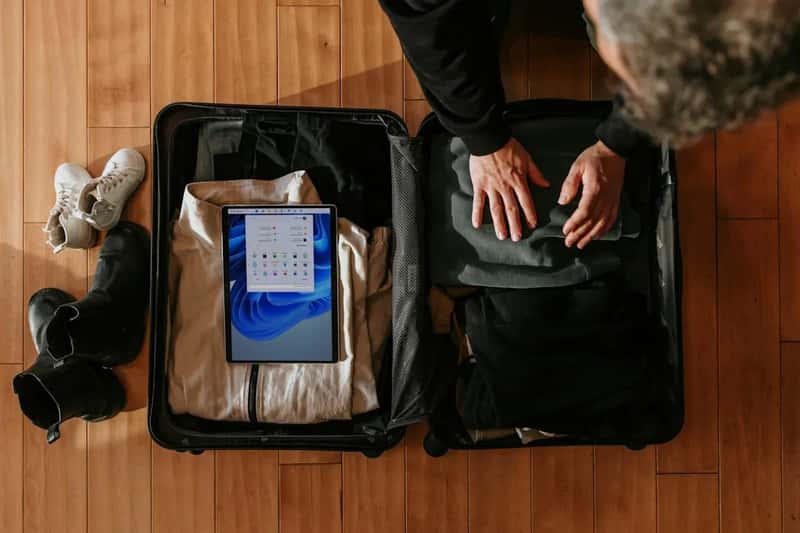
Arrivals reveal a lot about a traveler’s experience level, and luggage chaos is a dead giveaway. Bringing a large volume of luggage without a plan for it, or expecting bell staff to untangle disorganized bags on the spot, tends to slow things down for everyone involved.[1] It’s a small logistical detail, but it ripples out and affects everyone waiting behind that guest in the lobby.
By contrast, seasoned luxury travelers tend to arrive with a system, even when they’re bringing a lot with them. Guests who travel with a bit of organization, even when they’re bringing several suitcases, make the arrival process noticeably smoother for both themselves and the team helping them.[1] Staff say this kind of preparedness, more than the luggage brand itself, is what actually signals experience.
7. They Never Treat Shared Spaces Carelessly
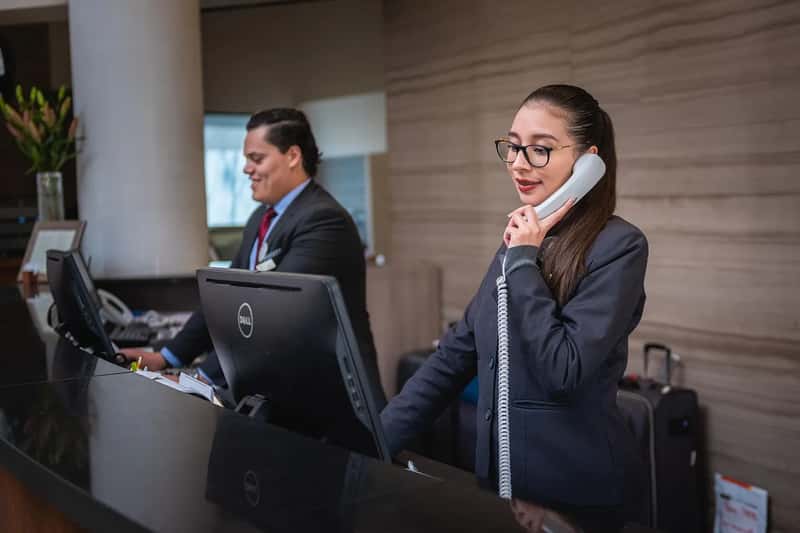
Lobbies, hallways, gyms, and pool decks are shared territory, and staff say wealthy guests tend to move through them with a kind of quiet awareness. Small physical habits reveal a lot to staff who watch guests move through a lobby. Wealthy travelers tend to walk at a measured pace, keep pathways clear, and step aside to sort out bags rather than blocking traffic near the entrance. It’s a minor thing, but it reflects a broader awareness of shared space that staff notice repeatedly.[1]
That same mindfulness extends to noise and common areas throughout the property. Whether you’re in the lobby, gym, pool, or breakfast area, remember that these spaces are for everyone. Clean up after yourself, dress appropriately, and respect the atmosphere – some guests might be relaxing, while others could be working or reading.[5] It’s a habit that costs nothing but somehow separates the guests staff remember fondly from the ones they brace for.
None of these seven habits require a black card or a private jet. They’re really about a certain ease, the kind that comes from treating hotel staff as skilled professionals rather than servants, and from understanding that discretion often gets better results than demands ever will. Staff have seen enough guests come through their lobbies to know that true comfort with luxury looks like quiet confidence, not performance. If there’s a lesson in all of this, it’s that good manners travel just as far as good money, and sometimes even further.