The first iPhone went on sale in June 2007. Before that, and for years afterward in many places, a trip meant carrying your whole plan on paper, in your head, or in a bag that got heavier every day. If you’ve only ever traveled with a phone in your pocket, some of those old routines would probably look strange to you.
Nobody thinks those trips were worse, exactly. They were just more fragile, and a lot more of the work fell on you. Here are seven hassles that were part of ordinary travel not that long ago.
Navigating With Folded Paper Maps
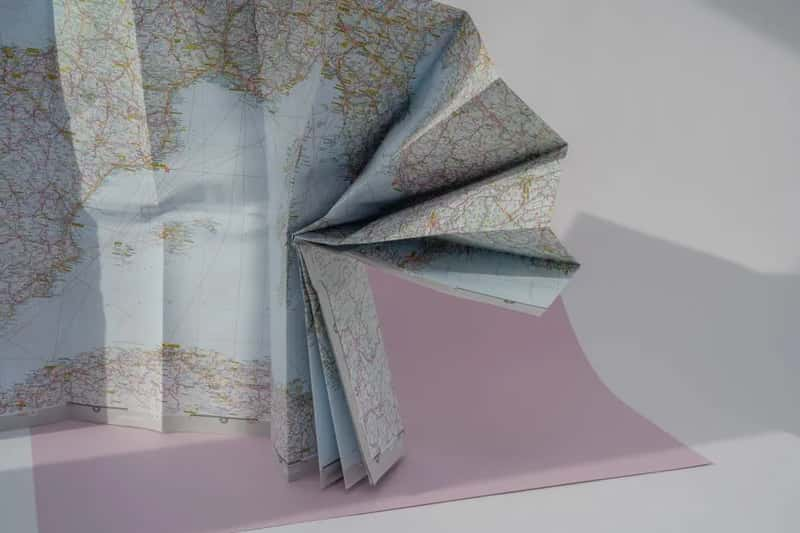
Before Google Maps launched in February 2005, and well before it became a standard phone app, getting around an unfamiliar city usually meant a fold out map. Reading one while standing on a busy corner was an art. You had to find your own position first, then figure out which way the map should face, then hope the street signs matched the printed names.
Maps went out of date, too. A new ring road or a renamed street could leave you circling the same block. Many travelers simply asked a stranger, which worked well when the stranger knew the answer and less well when they confidently guessed.
Paper Tickets You Couldn’t Afford to Lose
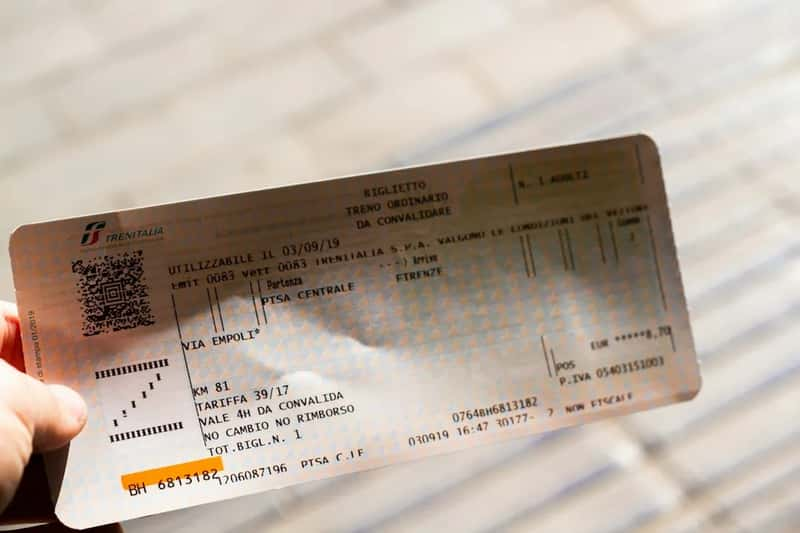
Airline tickets used to be physical documents, often in a cardboard folder with carbon copy pages. The International Air Transport Association retired paper tickets across the industry on 31 May 2008. Until then, losing the folder could turn into a long, expensive conversation at an airline desk.
Hotel and rental car confirmations were printed on paper as well, or scribbled on a notepad. If the printout stayed behind in a drawer at home, you’d call a company or travel agent and ask them to repeat the details. Today a confirmation email that you can search in seconds feels almost too easy by comparison.
Traveler’s Cheques and the Hunt for an Exchange Counter
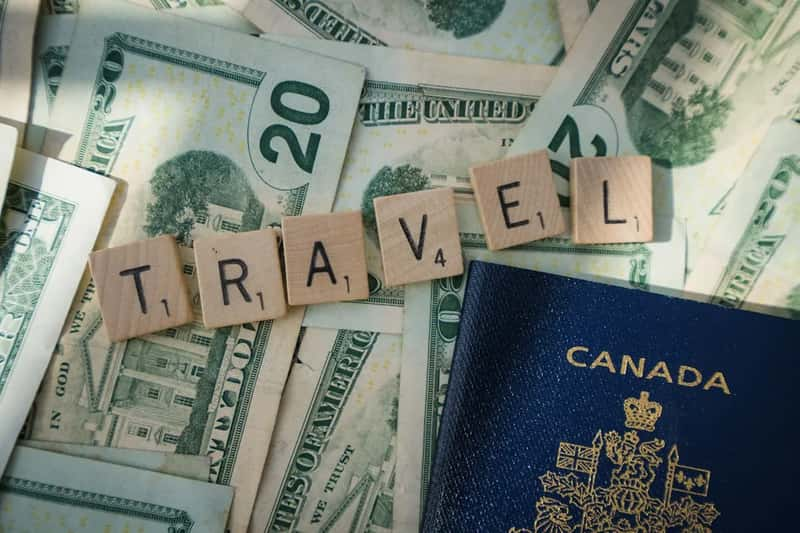
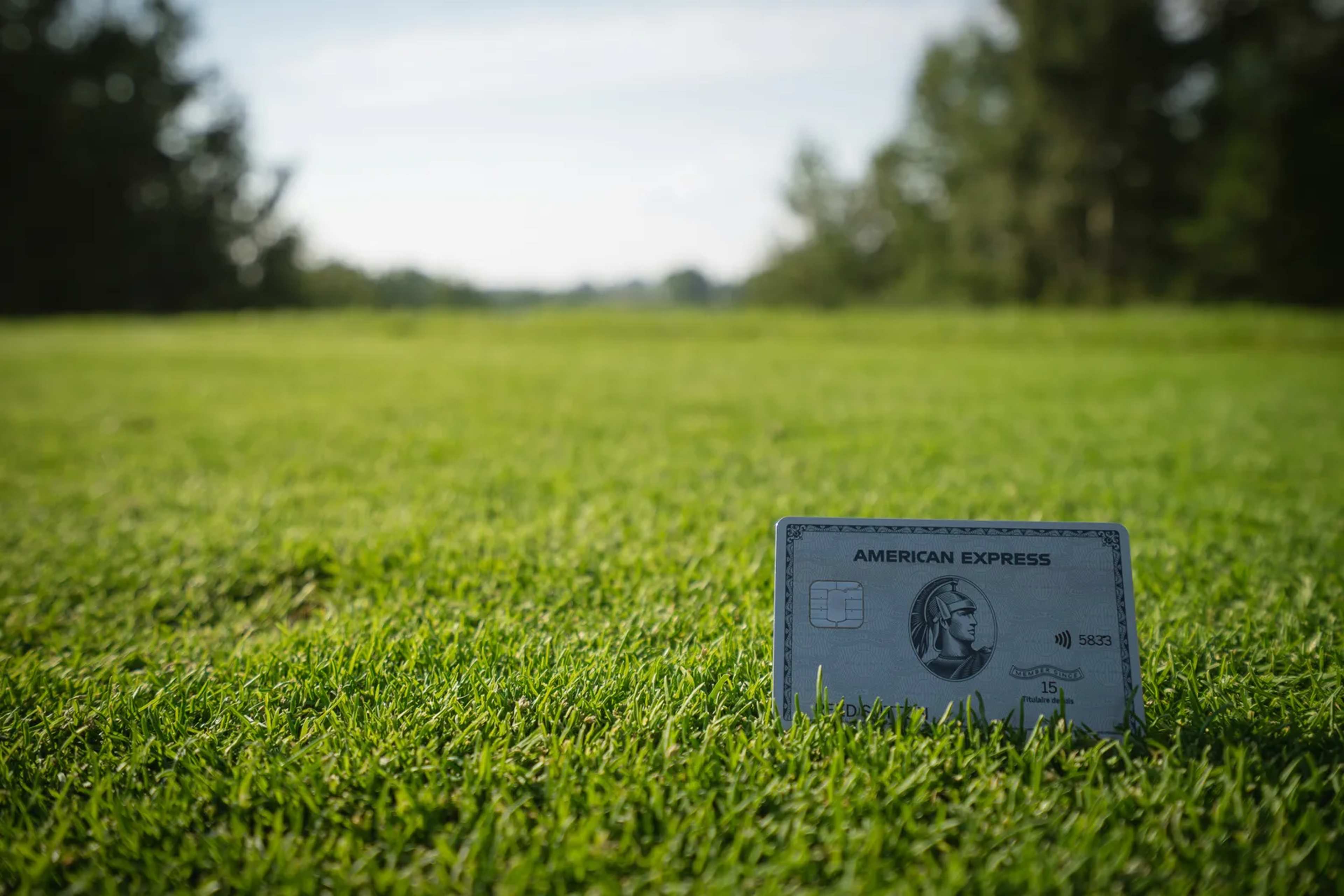
American Express introduced traveler’s cheques in 1891, and they stayed popular for more than a century. The idea was simple. If the cheques were stolen, you could usually get them replaced, which beat carrying a thick roll of cash through a foreign city.
The catch was the paperwork. You signed each cheque twice, kept a separate list of serial numbers, and then found a bank or exchange office open during its limited hours. Fees and poor rates were common, and plenty of shops simply wouldn’t take them. Cash machines that accepted foreign cards and mobile payments gradually made all of this unnecessary.
Calling Home From Phone Booths and Prepaid Cards
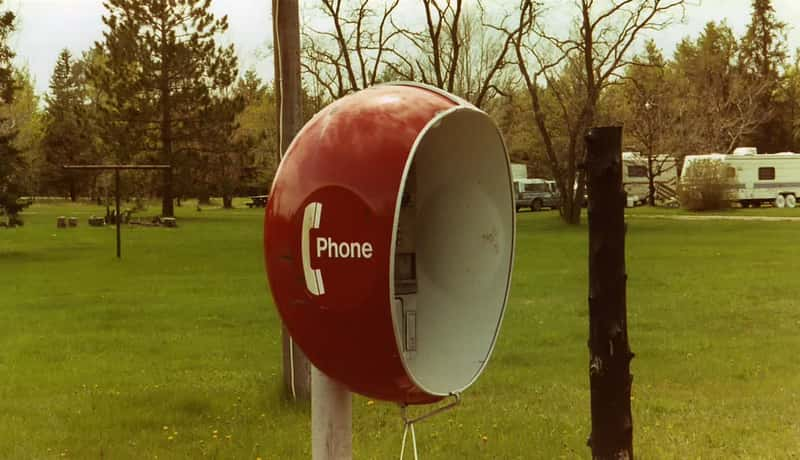
Staying in touch from abroad took real planning. Many travelers bought prepaid international calling cards and then looked for a public phone, where they dialed a long string of access codes and PIN numbers. Others booked a call at the hotel desk, and the bill showed up at checkout.
Roaming on a regular mobile phone was famously expensive. The European Union only abolished roaming surcharges for travelers within its borders on 15 June 2017. So a quick call to say you had landed safely was often a small financial decision, and a postcard was sometimes the cheaper way to say hello.
Language Barriers Without a Translator in Your Pocket

Today you can point a phone at a menu or speak into it and hear a translation. Google Translate only launched in 2006, and for most of its early life it was a website you couldn’t easily use on the road. Travelers carried pocket phrasebooks with lists of useful sentences, and they flipped through pages while a waiter waited.
Most people learned a handful of words, such as hello, thank you, and how much, and relied on gestures for the rest. Misunderstandings were common, and so were accidental orders of something you hadn’t intended to eat. Still, a few of the best travel stories came from exactly those mix ups.
Shooting on Film With a Limited Number of Frames
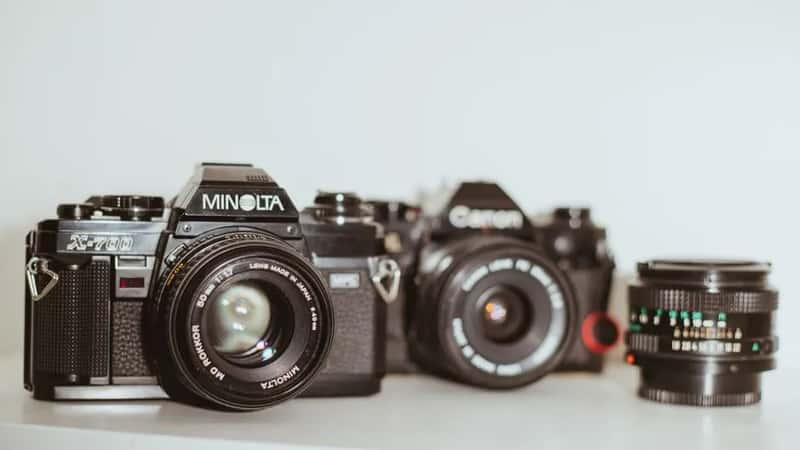
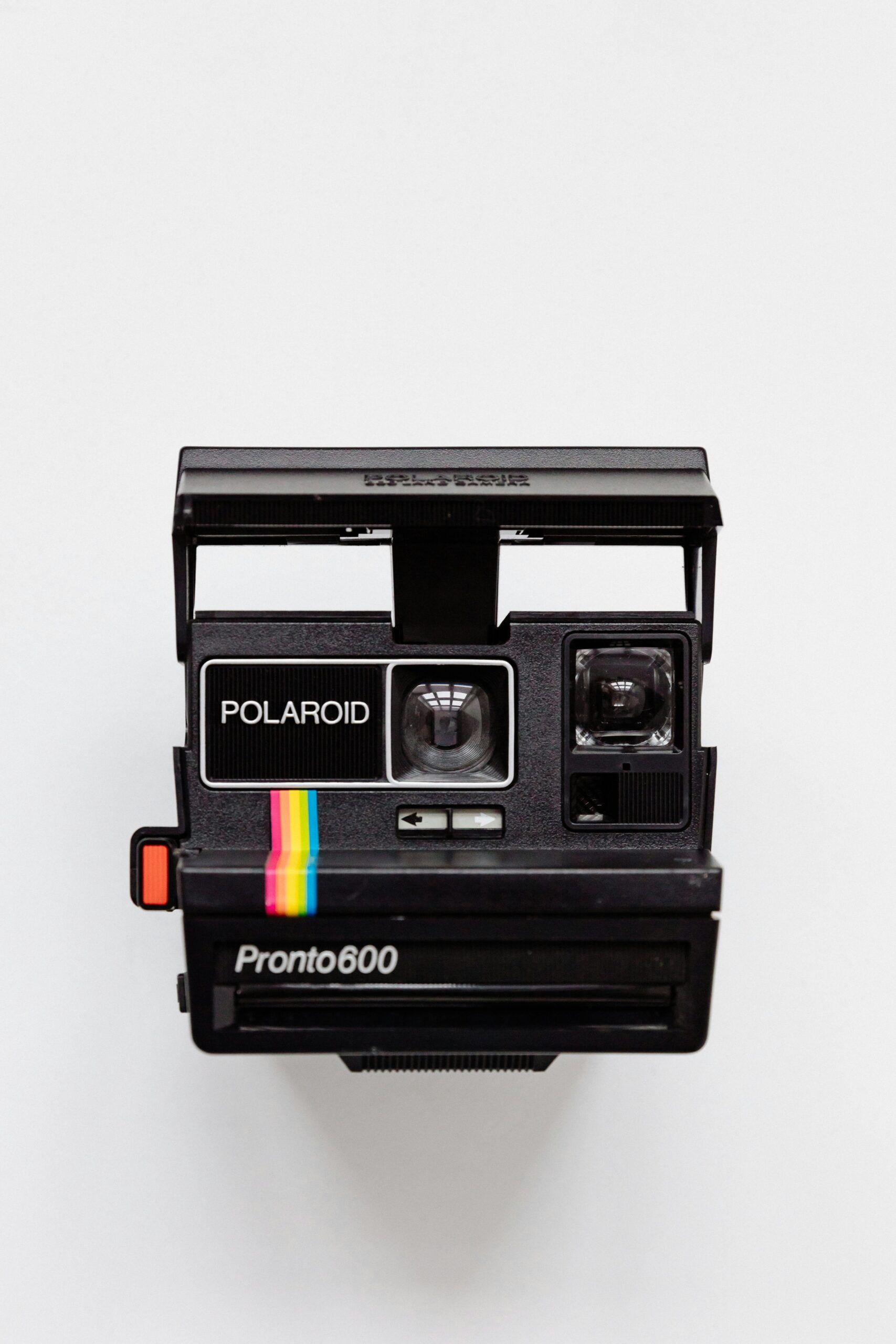
A standard roll of film held 24 or 36 exposures, and you couldn’t see the result until it was developed. That meant thinking before you pressed the shutter, since every shot used up a share of a limited supply. Spare rolls took up bag space, and airport X-ray machines worried some photographers who were carrying faster film.
Prints only appeared days or weeks later, often after you’d returned home. By then you might discover that your thumb covered the lens or that the best view was out of focus. Sharing a photo with friends mostly meant mailing a print or waiting until you could show them an album.
Choosing Where to Sleep and Eat Without Online Reviews

Printed guidebooks were the main source for lodging and restaurants, and travelers treated them almost like scripture. A listing might be a year or two old by the time you read it, and a place that had been great at publication could have changed owners or closed. Booking sites and review platforms such as Airbnb, founded in 2008, arrived later and slowly replaced this guesswork with recent guest feedback.
Many backpackers arrived in a town with no reservation at all. They walked from door to door, checked the room, and negotiated on the spot. Sometimes that turned up a bargain, and sometimes it meant carrying a heavy bag around in the dark when everything nearby was full.