Europe’s rail network moves millions of travelers a year, yet no one hands out a manual when you step onto a platform in Vienna, Milan, or Amsterdam. Most of what makes a trip smooth isn’t written on your ticket at all. It lives in small habits that locals absorb early and visitors often learn the hard way, somewhere between a missed connection and an awkward standoff over a reserved seat.
Knowing these customs before you board can save you money, embarrassment, and the occasional dirty look from a fellow passenger. None of it is complicated once you know what to look for.
1. Check whether your train actually requires a reservation
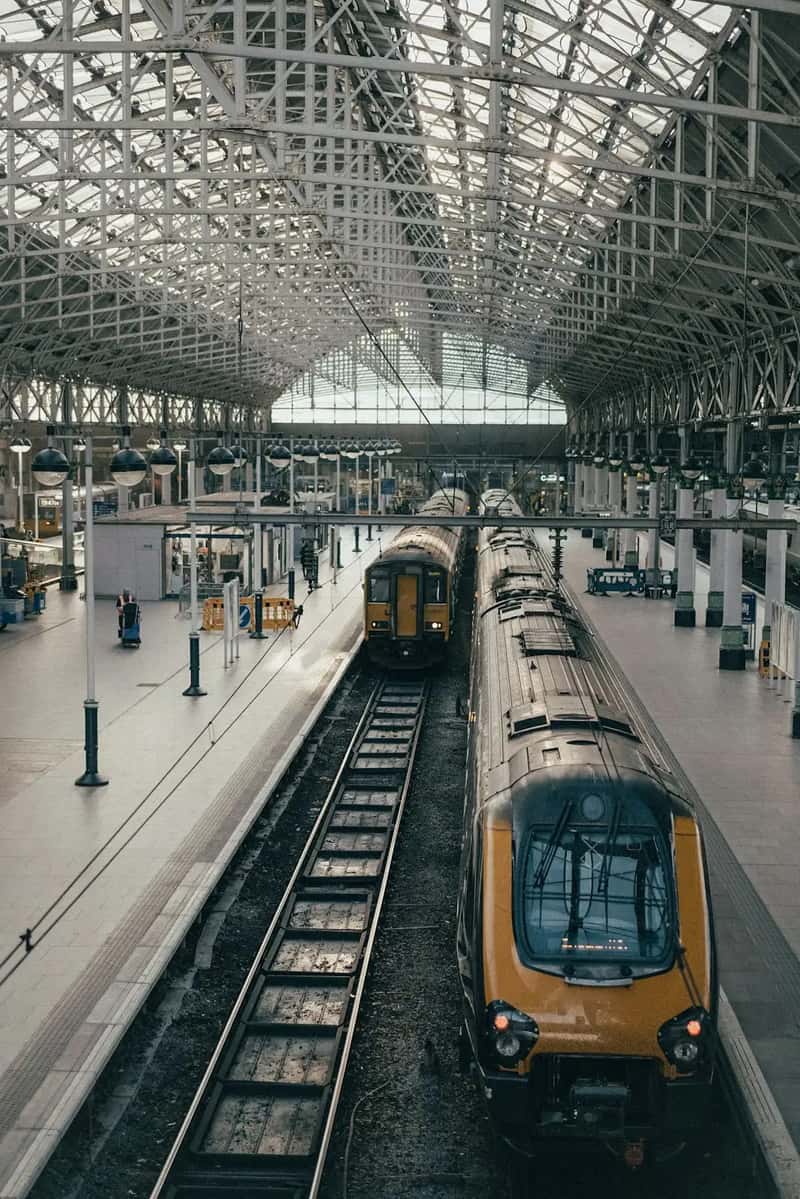
Not every European train works on a simple hop-on basis, and assuming otherwise is one of the most common mistakes tourists make. Reservation is compulsory on Eurostar, TGV, AVE, Frecciarossa and other high-speed services, most international trains, and all night trains, meaning you cannot board without one even with a valid pass. Regional trains are usually far more relaxed, so the rule shifts depending on the country and the type of service.
Germany tends to be more forgiving, since most long-distance ICE, IC, and EC trains do not require a reservation, and optional seat reservations cost a modest fee if you want one. France is the opposite story, since TGV trains running on major long distance routes have compulsory seat reservations priced at either €10 or €20 once the cheaper passholder quota sells out. The safest habit is to check the timetable for a reservation symbol before you plan your day around a specific departure.
2. Treat the quiet carriage like an actual library
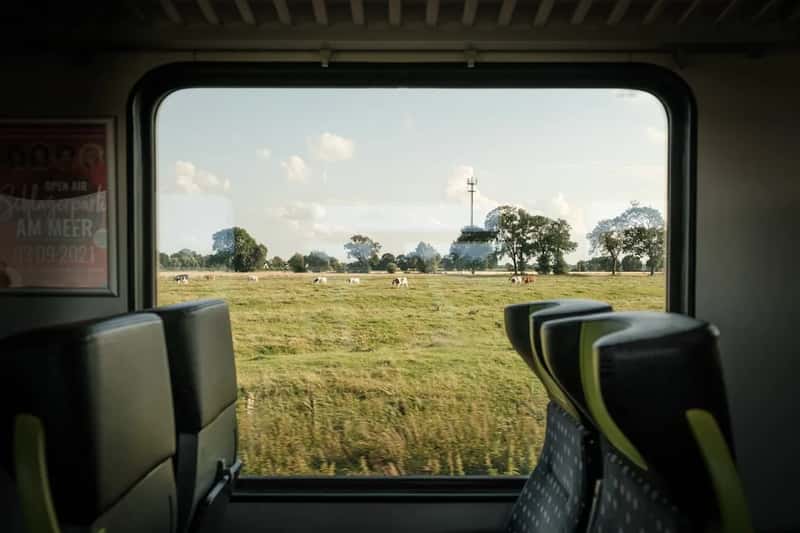
Quiet cars are not a suggestion, and staff on several networks will step in if passengers ignore the signage. Phone calls are strictly banned in quiet carriages across European railways, and travelers are expected to keep devices on silent with no audible ringtones or notifications. This isn’t unique to one country either, since Deutsche Bahn designates Ruhebereich cars where phone calls are prohibited and headphones must contain all sound, with violators facing relocation by staff.
Even outside marked quiet zones, a general hush tends to prevail on European trains compared to buses or planes. Talking in a quiet, calm voice matters more on a train than on a plane, since a train seems to amplify sound rather than drown it out. If you do need to take a call, stepping into the vestibule between carriages is the polite move almost everywhere.
3. Let people off before you try to get on
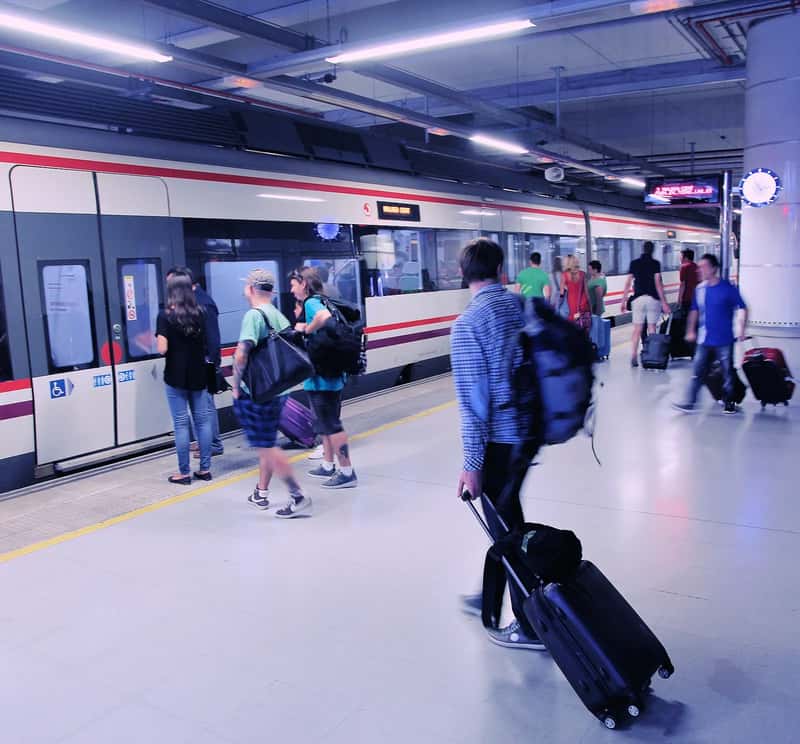
This sounds obvious, yet it’s one of the most consistently broken rules by anxious tourists worried about losing a seat. Proper etiquette dictates standing well clear of the doors until departing passengers have fully exited, then boarding in an orderly way rather than pushing forward. The first rule is to stand back and let passengers off before you get on, since disembarking travelers often find themselves swept back onto the train by a stampede of new passengers.
This matters even more on trains with tight connection windows, where dozens of people are trying to exit and board within a minute or two. Platforms in busy hubs like Frankfurt Hauptbahnhof or Milano Centrale can feel chaotic during peak hours, and a moment of patience goes a long way. Locals notice when tourists barge through, and it tends to color the whole interaction that follows.
4. Respect reserved seats, even if they look empty
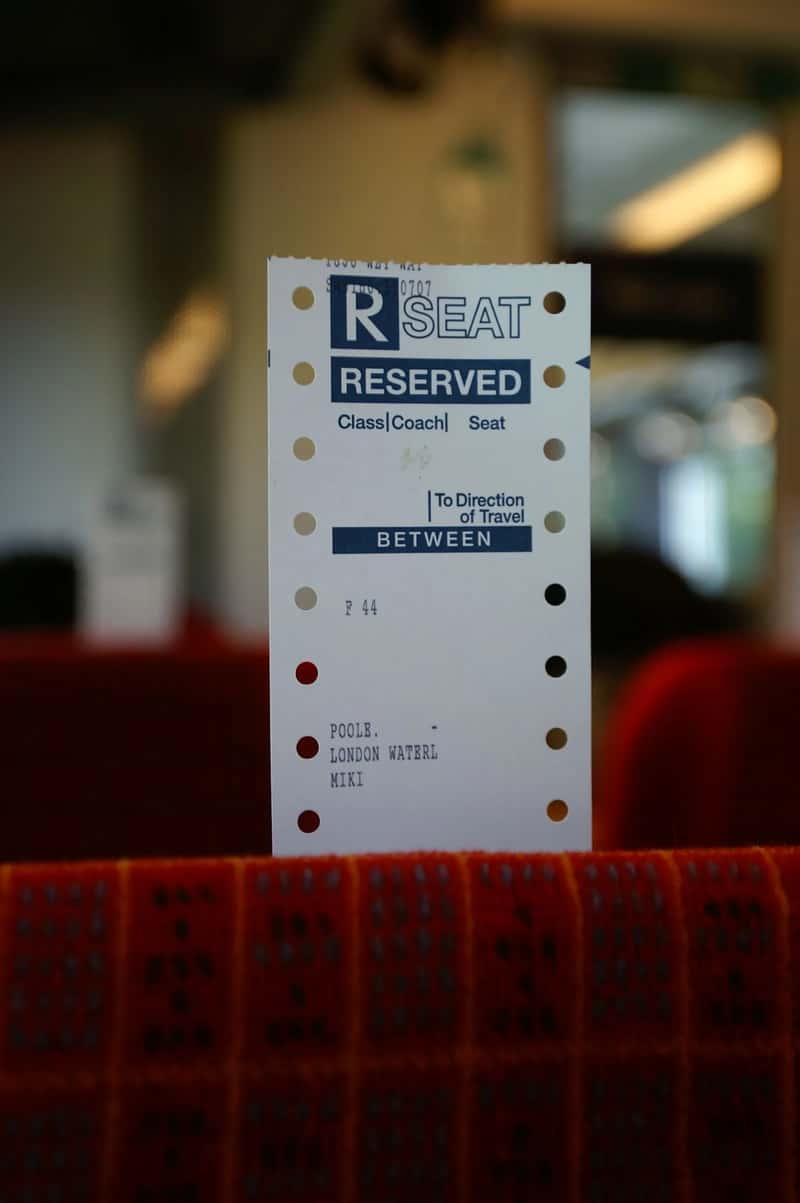
An empty seat on a European train is not necessarily an available one, and this trips up more visitors than almost anything else on this list. Reserved seats are typically marked with a small ticket, printed label, or digital display above the headrest showing the route segment for which they’re booked. On European trains you can pay extra to reserve a seat, and these reserved seats are well marked, so you should not sit there unless it’s reserved for you, since the translation on the ticket is not difficult to read.
The confusion often comes from partial reservations, where a seat is booked only for part of a longer journey. A traveler might board in Cologne and find a seat reserved starting from Frankfurt, meaning it’s fair game until that stop and off limits afterward. When in doubt, checking the small reservation slip before settling in avoids an uncomfortable conversation with the conductor or the actual ticket holder.
5. Keep your luggage out of other people’s way

Overhead racks and end-of-carriage luggage shelves fill up fast on popular European routes, and tourists traveling with oversized suitcases often don’t plan for this. Blocking the aisle with a bag, or worse, occupying a second seat with luggage during a full train, is considered inconsiderate almost everywhere on the continent. Most operators expect large items to go on the racks near the doors rather than at your seat, freeing up space for others boarding at later stops.
This becomes especially important on high-speed trains like Frecciarossa or ICE services, where luggage racks are limited by design to maximize seating. Arriving early enough to stash bags properly, rather than scrambling once the train starts moving, keeps the whole carriage functioning smoothly. It also reduces the risk of theft, since bags left unattended near the doors are an easy target in busy stations.
6. Follow the customs of night trains carefully
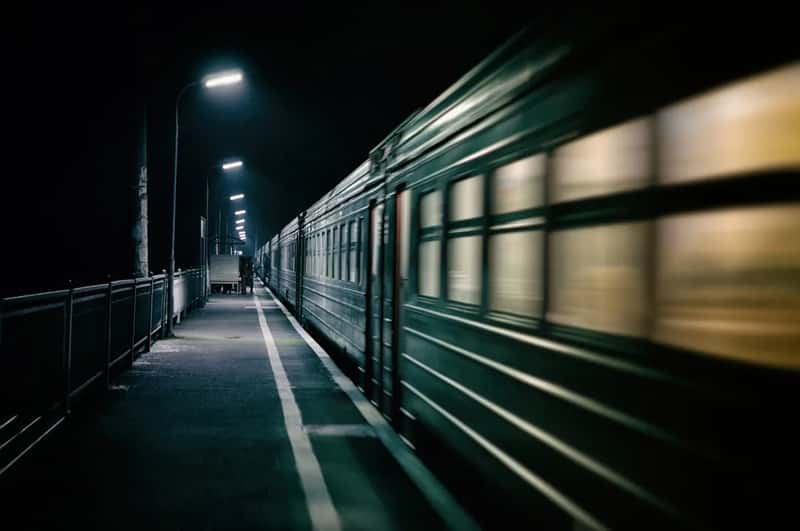
Night trains have made a genuine comeback across Europe in recent years, with routes connecting cities like Vienna, Paris, and Berlin drawing renewed interest from travelers avoiding short-haul flights. These trains come with their own etiquette, partly because passengers are sharing tight quarters for many hours while trying to sleep. ÖBB Nightjet services, European Sleeper trains, and EuroNight routes all have limited berths in seat, couchette, and sleeper configurations that can sell out weeks or months ahead on popular routes.
Once onboard, the unwritten rules are mostly about consideration in a small shared space. Removing shoes before climbing into a couchette bunk, keeping lights and phone screens dimmed after a certain hour, and packing a change of clothes separately so you’re not rummaging through a full suitcase at midnight all make the experience better for everyone in the compartment. Booking early matters too, since these berths can sell out weeks or months ahead on popular routes, leaving latecomers stuck with pricier or less convenient options.
7. Be mindful about eating and drinking onboard
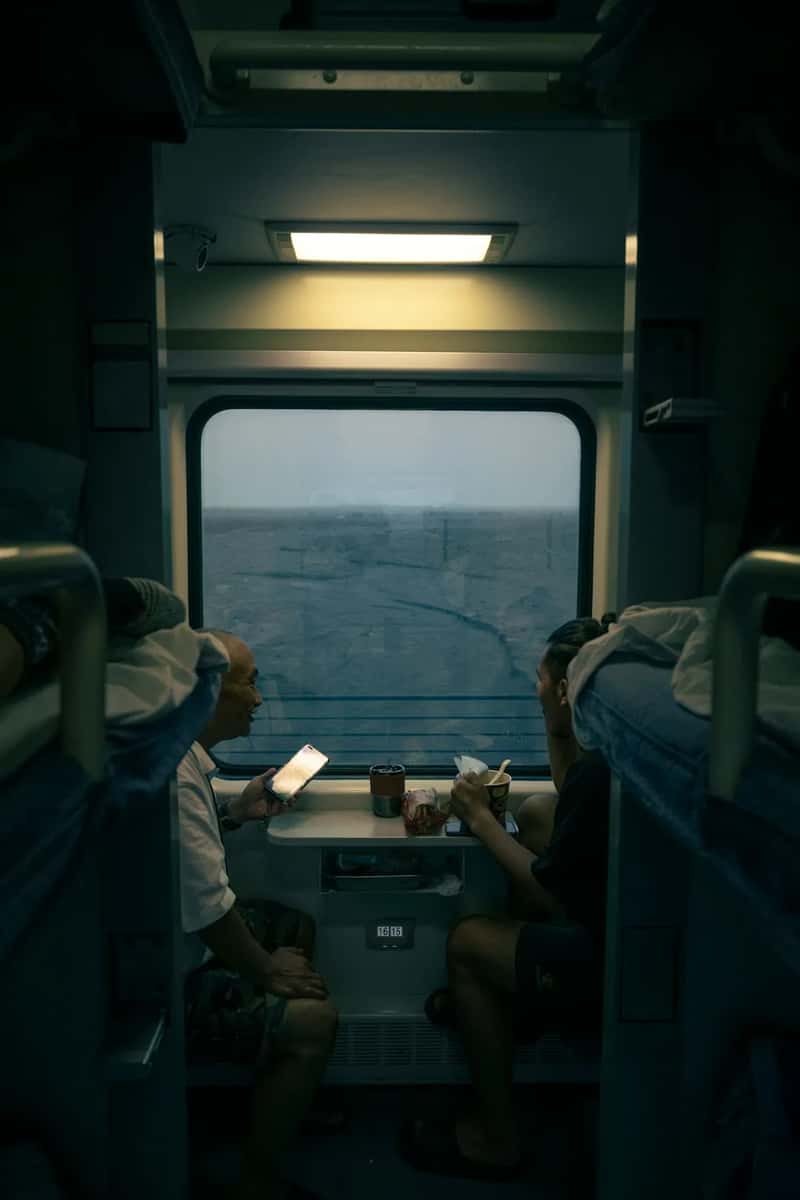
Eating on a train is completely normal across Europe, but what you eat and how you eat it carries its own quiet code of conduct. Strong-smelling takeaway food, especially anything fried or heavily spiced, tends to draw irritated glances in a confined carriage where the smell has nowhere to go. Packing something simple, like a sandwich or pastry, is generally a safer bet than a hot meal that lingers in the air for the next hour.
Cleaning up after yourself matters just as much as what you bring. Wrappers, crumbs, and empty bottles left on a table or the floor reflect poorly on tourists in general, and most trains have bins near the doors or at the end of each carriage for exactly this reason. A little tidiness goes further than most visitors expect in shaping how welcome they feel on their next journey.
Traveling by train across Europe rewards a bit of preparation and a fair amount of common courtesy. None of these habits require fluency in a local language or deep cultural knowledge, just a willingness to pay attention to the small signals other passengers and rail staff are already following. Get these right, and the journey itself becomes as enjoyable as wherever the train is actually taking you.