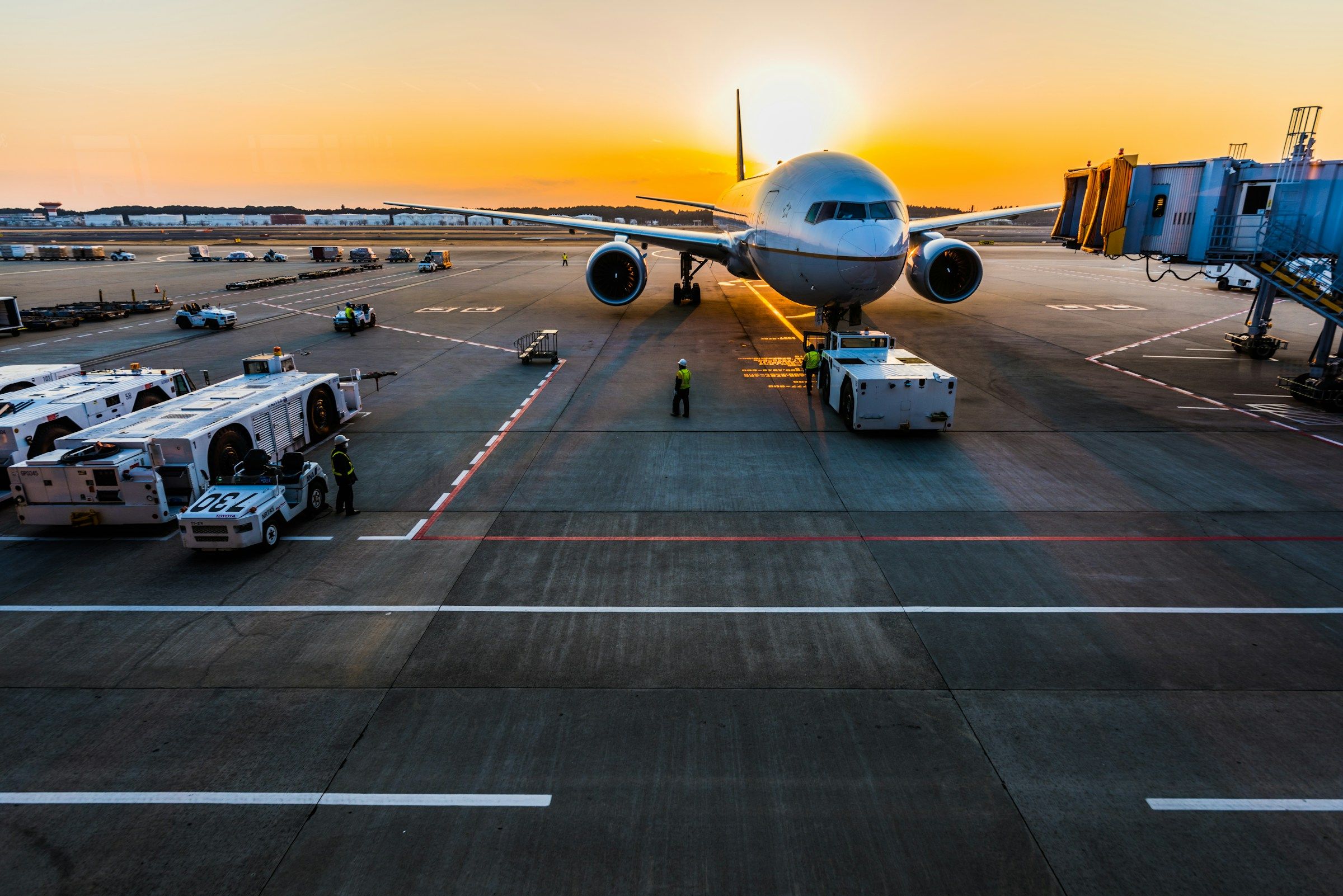
Anyone who has spent real time behind an airport badge tends to notice a gap between what passengers assume happens at a checkpoint and what actually goes on. Former screeners, gate agents, and cabin crew who have spoken publicly in recent years describe a system built on habits, shortcuts, and quiet policies that rarely make it into the announcements over the PA system.
None of what follows is dramatic or sinister. It is mostly procedure, liability, and a little bit of workplace pragmatism, the kind of detail that only surfaces once someone has clocked enough hours on the job to stop caring who hears about it.
1. Those “random” extra screenings usually aren’t random at all
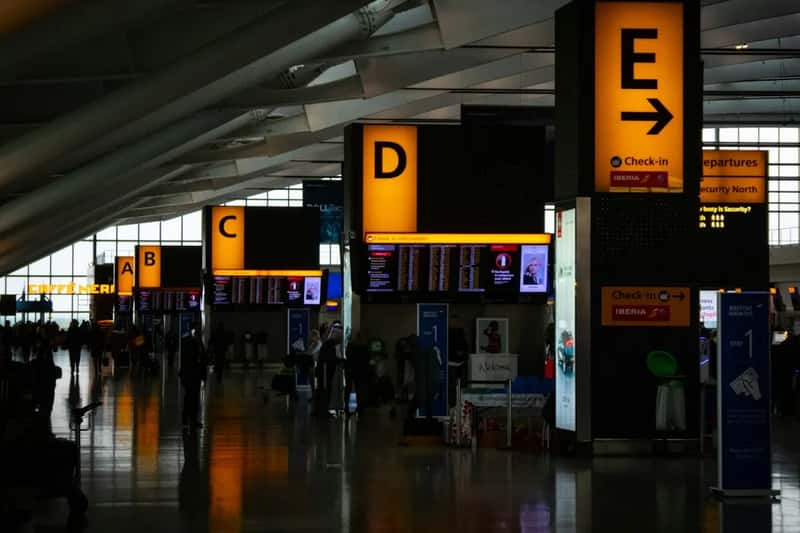
Travelers pulled aside for a secondary pat-down are often told it’s simply the luck of the draw, and technically the metal detector selection process does work that way. A TSA supervisor at Phoenix Sky Harbor explained that the metal detectors randomly select passengers for additional screening, and it’s not a TSA agent deciding someone looks suspicious[1].
Where the randomness stops, though, is the baggage side of things. According to that same officer, there is nothing random about the baggage X-ray, since a bag gets screened based solely on what’s inside it[1]. So the body scan might genuinely be chance, but the bag check almost never is.
2. Confiscated items rarely find their way back to you
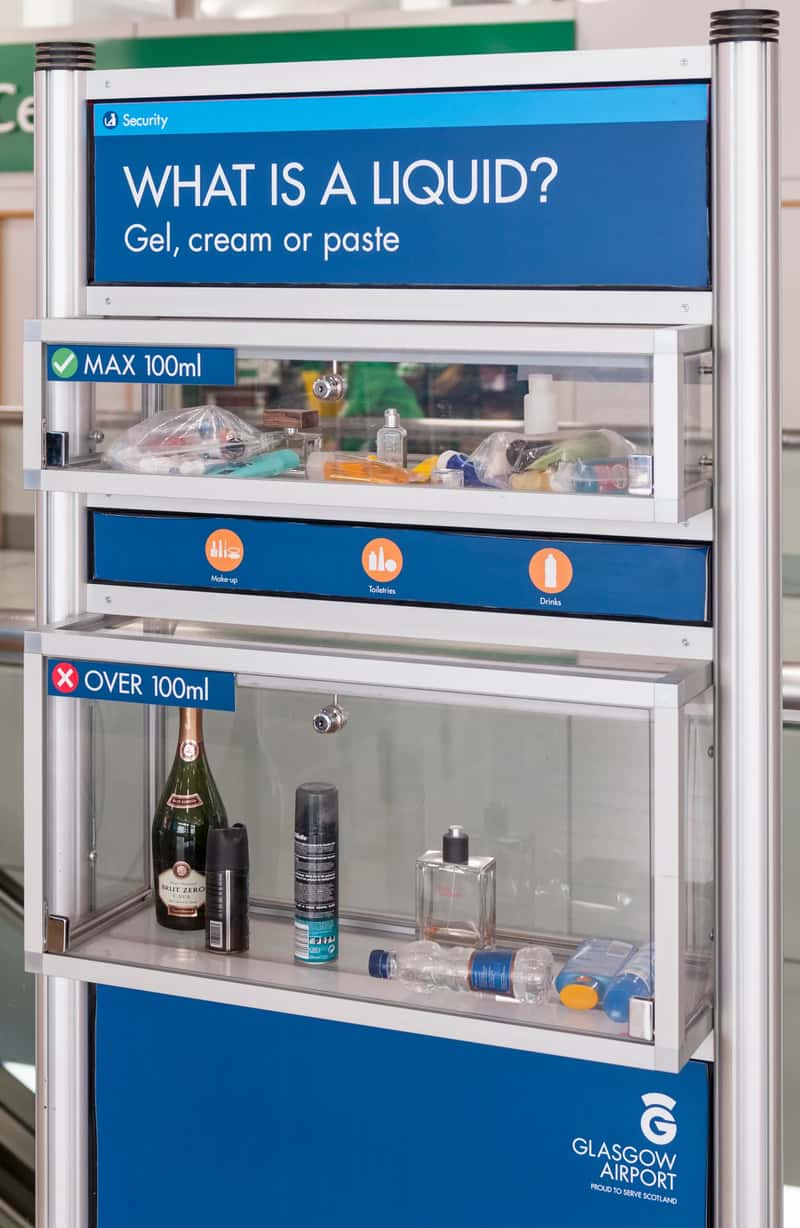
Lose a pocketknife or an oversized bottle of sunscreen at the checkpoint, and it’s tempting to picture some quiet lost-and-found bin behind the scenes. That is not really how it works. TSA officers are barred from keeping what they take, and the numbers are bigger than most travelers guess: up to 100,000 items are confiscated by the TSA each month and turned over to the state, since officers are prohibited from keeping confiscated items[2].
From there, the items usually don’t sit in storage waiting for an owner to call. Instead, once the item is handed to the state, it typically ends up listed on auction sites such as GovDeals[2]. If you left something valuable at the bin, it is far more likely to be sold to a stranger than returned to you.
3. Cheese, meat, and dense holiday food will trip up the X-ray almost every time
Plenty of travelers assume getting stopped over a wheel of cheese or a vacuum-sealed roast was a one-off fluke. Former screeners say it happens constantly, because dense organic food genuinely confuses the imaging technology, with a solid mass of cheese reading almost identically to certain explosive materials on the display[3].
Meat causes the same problem for a similar reason. Meat products cause similar confusion, since all organic products look orange on the display and similar to explosives[3]. It is not personal and it is not profiling, it is just how water-heavy, dense food renders on a screen designed to flag threats first and sort out groceries second.
4. Undercover government testers exposed a screening system that missed almost everything
This one tends to surprise travelers who assume checkpoint technology catches whatever it’s aimed at. It doesn’t always, and there’s a documented case to prove it. In 2015, the Department of Homeland Security sent undercover agents armed with prohibited items into some of the busiest U.S. airports, and in 67 out of 70 tests, roughly 95 percent of the time, weapons and mock explosives were missed[4].
TSA later pushed back on the framing, noting that the exercises were built to defeat the system using advanced concealment tricks rather than reflect an average traveler. Even so, the agency didn’t dismiss the results outright. The TSA responded by strengthening training, increasing manual screening measures, and making sure equipment was up to standards[4], which tells you the numbers were taken seriously internally, even if they were softened publicly.
5. Overbooked flights aren’t mistakes, they’re the business model
It’s easy to assume an overbooked flight is a rare scheduling error, something that slipped through the cracks. Former crew describe it very differently. Most travelers assume an overbooked flight is a rare scheduling slip, but in reality, former crew members describe it as routine business strategy rather than an exception[5].
The logic behind it is straightforward math, not carelessness. Airlines sometimes sell more tickets than there are seats, and it’s practically the norm, since airlines bank on the fact that a certain percentage of passengers will cancel or miss their flights[5]. That’s also why gate agents suddenly start asking for volunteers minutes before boarding closes, the airline miscalculated how many no-shows it would get that day.
6. That folded blanket on your seat has likely already flown several times
The neatly folded blanket and pillow waiting for you can look freshly prepared, but former cabin crew describe a much faster turnaround behind the scenes. Turnaround cleaning between flights is often limited to the basics[5], which leaves little room for a full linen swap on short-haul routes.
Rather than being laundered after each flight, most blankets simply get reset and reused. Blankets and pillows just get refolded and stuffed back in the bins between flights rather than laundered after every use[5]. It’s a practical shortcut driven by tight turnaround schedules, not an oversight anyone advertises.
7. The water on your flight starts its journey in a truck, not a tap
Coffee and tea on a plane come from the same source as the water in the lavatory, and that source is more industrial than most passengers picture. Aircraft potable water tanks are filled on the ground at airports, often from multiple municipal or airport-based systems in a single day, traveling through hoses, trucks, and transfer carts before reaching the plane[5].
That journey through shared equipment is exactly why some crew members quietly steer people toward bottled options instead. That’s part of why crew members quietly steer passengers toward bottled water, and why some flight attendants joke about the “broken” coffee maker rather than explain the real reason they’d rather not serve it[5]. It isn’t that the water is unsafe by regulation, it’s that longtime crew have simply seen the supply chain up close and made their own quiet call.
8. TSA agents carry the job’s physical toll far more than passengers assume
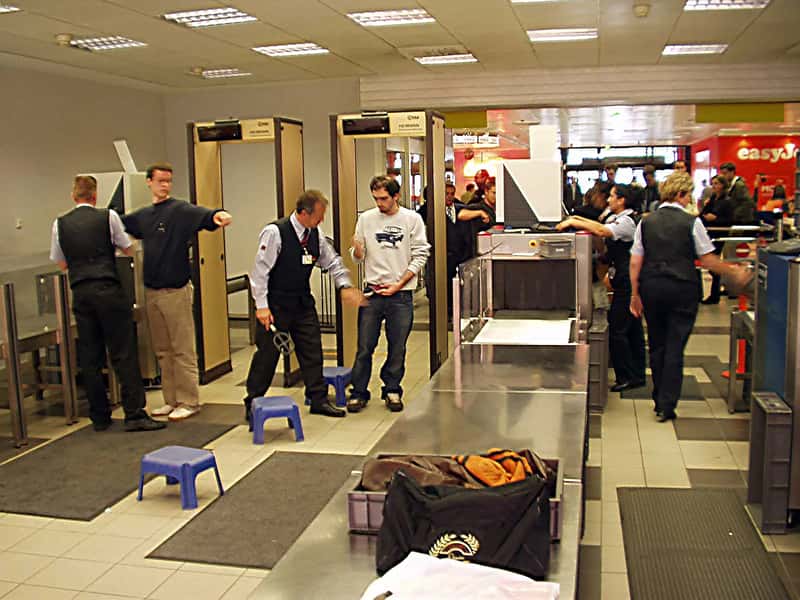
Standing at a checkpoint all day looks stationary from the passenger side of the belt, glancing at monitors, waving people through, occasionally asking someone to step aside. The reality behind the uniform is a lot more physically demanding than it appears. The job may seem easy and sedentary, but TSA workers have the highest rates of job-related injuries among federal employees due to the physical demands of the job, since officers are on their feet most of the day and have to routinely carry heavy objects such as luggage[2].
It’s a detail that rarely comes up in a five-minute wait to get through security, but it shapes a lot of how checkpoints actually run, including staffing shortages and why lines sometimes move slower on certain shifts. The badge and the calm demeanor tend to hide a job that wears on the body in ways passengers on the other side of the belt never really see.
None of these eight details amount to some grand cover-up. They’re closer to the ordinary friction of running a system that moves hundreds of millions of people a year through checkpoints, cabins, and gates built for speed first and full transparency second. Knowing them doesn’t change how airports operate, but it does change how travelers might read the small moments that used to feel confusing or unfair.