There’s a particular kind of quiet that settles over a town once the summer crowds thin out and the tide becomes the loudest thing on the street. For a growing number of retirees, that quiet is the whole point. They’re not chasing nightlife or big-city convenience anymore; they’re after a porch with a water view, a walkable downtown, and neighbors who wave instead of honk.
Finding that combination without draining a retirement account takes some digging, since coastal real estate has gotten pricier almost everywhere. Still, a handful of towns across the country manage to offer genuine ocean or bay access, a manageable cost of living, and the kind of unhurried daily rhythm that made the whole idea appealing in the first place.
1. Beaufort, South Carolina

Beaufort sits in the heart of the Lowcountry, surrounded by tidal marshes and moss-draped oaks that make the town feel like it’s been paused in time. It’s the kind of place where a walk downtown takes you past antebellum homes and a working waterfront without ever feeling staged for tourists. This quaint, seaside town offers retirees a blend of affordability and coastal charm, and according to PayScale.com, the cost of living in Beaufort is approximately 3% below the national average, with housing expenses about 16% lower.[1]
With a population of around 17,000, the town strikes a balance between amenities and small-town intimacy.[1] That size matters for retirees who want access to restaurants, a hospital, and cultural events without the sprawl of a bigger city. The pace here is genuinely slower, shaped as much by the shrimp boats coming in as by anything on a calendar.
2. St. Simons Island, Georgia
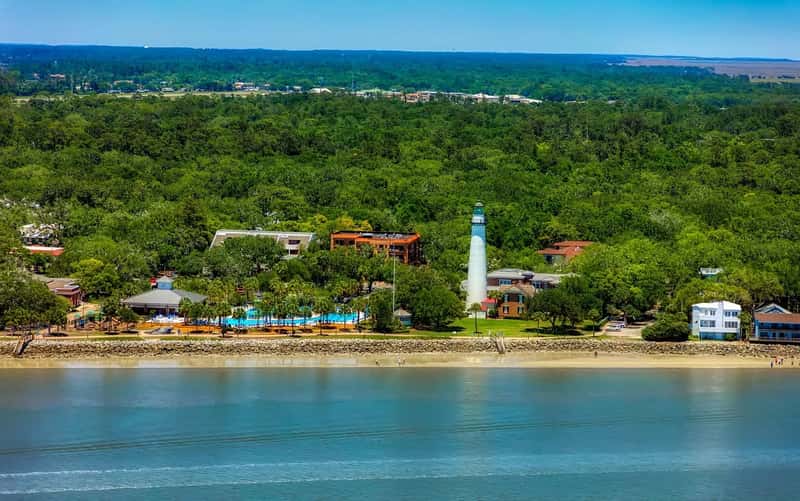
St. Simons is one of Georgia’s Golden Isles, a barrier island connected to the mainland by causeway and known for its wide beaches and century-old live oaks. About 17,272 people live here, and the median household income is $106,713, well above the national median.[2] That affluence shows up in the polish of the village center, the golf courses, and the lighthouse that still anchors the island’s identity.
It isn’t a bargain destination, and prospective retirees should go in with clear eyes on that point. St. Simons is 11% more expensive than the national average and 20% more expensive to live in than the average city in Georgia.[3] What that premium buys is a coastal community with strong healthcare access nearby in Brunswick, a low crime rate, and a daily pace built around tide charts rather than traffic.
3. Ocean Springs, Mississippi
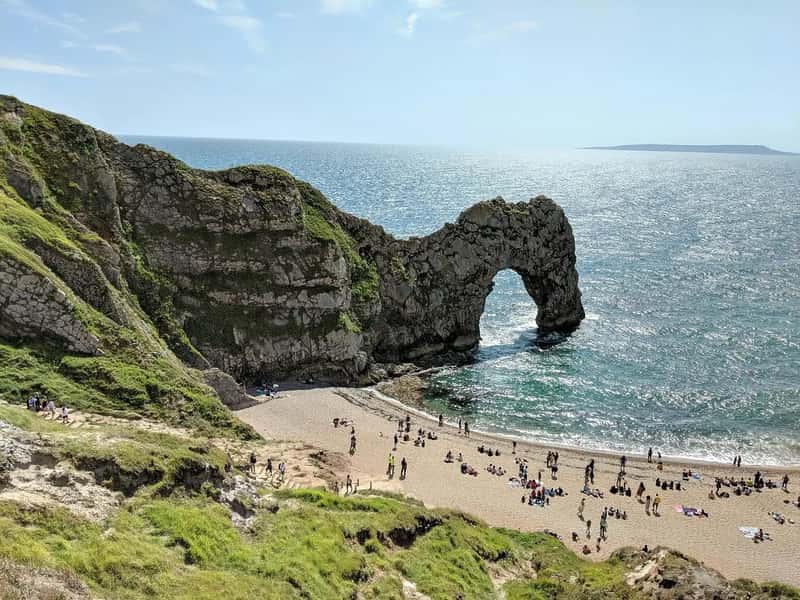
On the Mississippi Gulf Coast, Ocean Springs trades the density of Florida’s beach towns for something smaller and more artistic. Nestled along the Gulf Coast, Ocean Springs provides an artsy, historic atmosphere shaded by ancient live oak trees, with a downtown area featuring walkable streets packed with independent galleries, boutiques, and locally owned restaurants.[4] The town has managed to keep that character even as neighboring stretches of coastline have grown busier.
Much of the local pride centers on the arts. The Walter Anderson Museum of Art is one of the area’s most popular museums, and the Ocean Springs Art Association represents over 300 local artists and holds the largest art festival in the state and along the Gulf Coast, the Peter Anderson Festival.[5] For retirees who want beach access without a beach-town price tag, the math here still tends to work in their favor compared with much of the Florida coast.
4. Cape Charles, Virginia
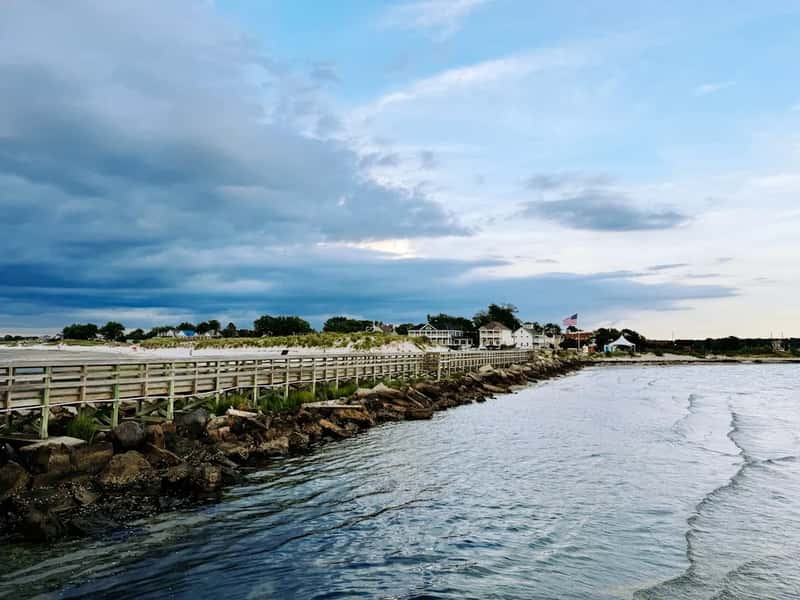
Cape Charles occupies a quiet stretch of Virginia’s Eastern Shore, tucked between two very different bodies of water. Nestled on the eastern shore of Virginia, this charming town offers scenic waterfront views, rich history, and a warm, welcoming community, with easy access to both the Chesapeake Bay and the Atlantic Ocean.[6] That dual access is fairly rare and gives residents a choice between calm bay waters and open ocean, often in the same afternoon.
The town’s Bay Creek development has added a resort layer to what was once a sleepy fishing and rail town. The town’s vibrant Bay Creek community stands out for its many sought-after features, offering golf courses, a marina, walking trails, and beautiful homes.[6] For retirees drawn to small-town charm but not opposed to a round of golf or a slip for a boat, Cape Charles covers both bases without the crowds of bigger Chesapeake towns.
5. Belfast, Maine
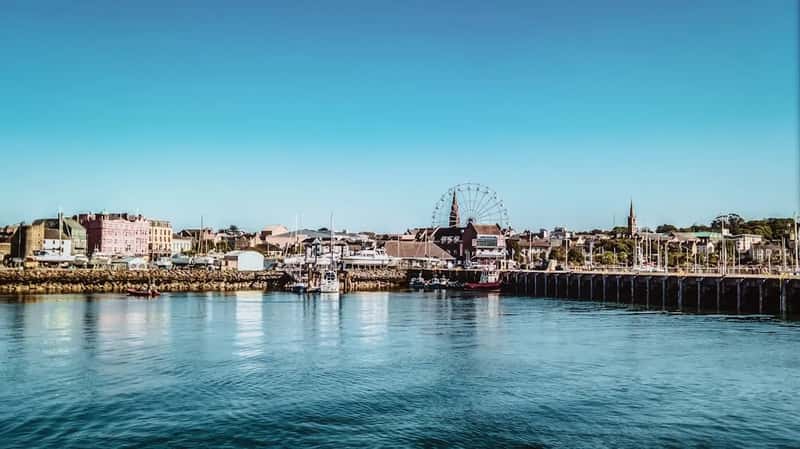
Belfast offers a different kind of coastal retirement, one built around lobster boats, brisk mornings, and a harbor that actually looks like a working New England port. Belfast sits on Penobscot Bay at the mouth of the Passagassawakeag River, about 45 miles east of the state capital at Augusta, and houses about 7,100 residents.[7] The scale of the town keeps things unhurried; there’s no traffic to speak of, and most errands are a short walk from the harbor.
What sets Belfast apart for retirees specifically is its investment in lifelong learning. Senior College, a nonprofit lifelong-learning organization, runs adult-education classes for residents 50 and older.[7] Combined with a walkable downtown of bookstores and cafes, it’s a town that rewards curiosity as much as it rewards a love of the water.
6. Astoria, Oregon
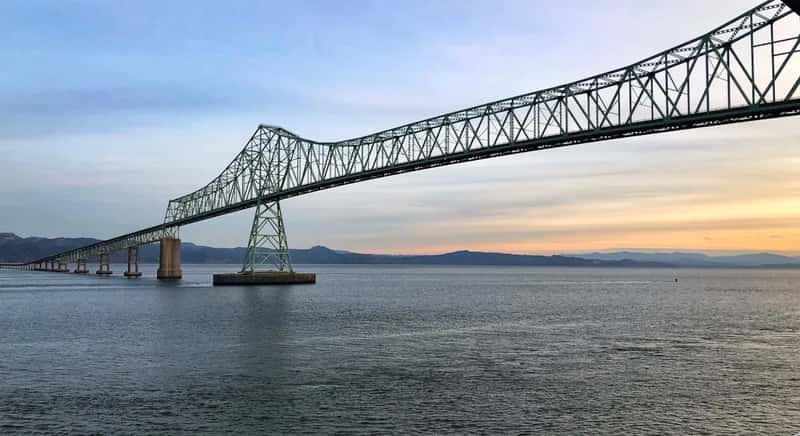
Astoria sits where the Columbia River meets the Pacific, a location with genuine historical weight. Located at the mouth of the Columbia River, where the river meets the Pacific Ocean, Astoria was the first permanent U.S. settlement west of the Rocky Mountains.[6] Its Victorian houses climb the hillsides above the river, giving the town a layered, photogenic look that has made it a filming location for several well-known movies.
Compared with the busier tourist towns further down the Oregon coast, Astoria keeps a more working-class, lived-in feel. It’s a first-rate destination for those who prefer a quieter, more authentic coastal town, known for its Victorian architecture, stunning river views, and vibrant arts community.[6] Housing costs have climbed in recent years, with the median home price landing around $532,000 in 2025, but retirees still find the town’s arts scene and slower rhythm worth the price of admission.
7. Port Angeles, Washington

On the northern edge of the Olympic Peninsula, Port Angeles looks out across the Strait of Juan de Fuca toward Canada, with the Olympic Mountains rising directly behind town. Lying along the Strait of Juan de Fuca and backed by the Olympic Mountains, Port Angeles strikes a balance between affordability, natural surroundings, and convenience, with median home prices sitting near $452,615.[8] That’s still well below prices in nearby Seattle, making it one of the more attainable waterfront options in the Pacific Northwest.
Healthcare access here is better than the town’s size might suggest. Retirees benefit from healthcare access provided by Olympic Medical Center, and for a weekend outing, Hurricane Ridge in Olympic National Park provides short, manageable trails leading to long-distance views of mountain peaks and meadows.[8] Washington’s lack of a state income tax adds another practical incentive for retirees watching their monthly budget closely.
8. Narragansett, Rhode Island
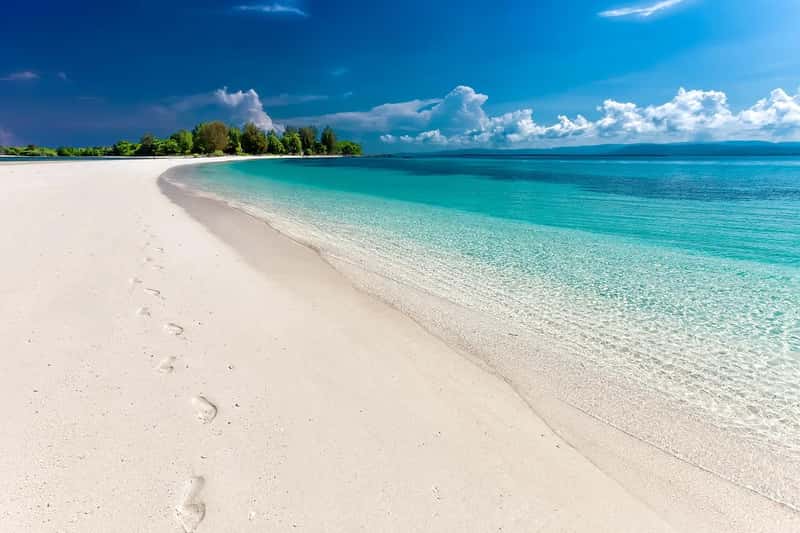
Narragansett gives New England retirees a way to stay close to the water without paying Newport or Cape Cod prices. For those seeking a northeastern waterfront retirement, Narragansett is more affordable than nearby Newport, Cape Cod, and Long Island, and public beach access is abundant.[1] The town’s beaches remain genuinely public, which isn’t always the case along this stretch of coastline.
Life here follows the seasons more visibly than in warmer coastal towns further south. Many beaches are even dog-friendly in the cooler months.[1] Summers bring visitors and a livelier social scene, while the off-season settles into exactly the kind of quiet, walkable routine many retirees are looking for when they picture life by the sea.
Each of these towns offers a different version of the same basic promise: real ocean or bay access, a genuine sense of community, and a pace of life that doesn’t feel engineered for tourists. Housing costs, tax structures, and climate vary enough between them that the right fit really does come down to personal priorities, whether that’s Gulf Coast warmth, Pacific Northwest mountains, or a New England harbor that empties out after Labor Day.