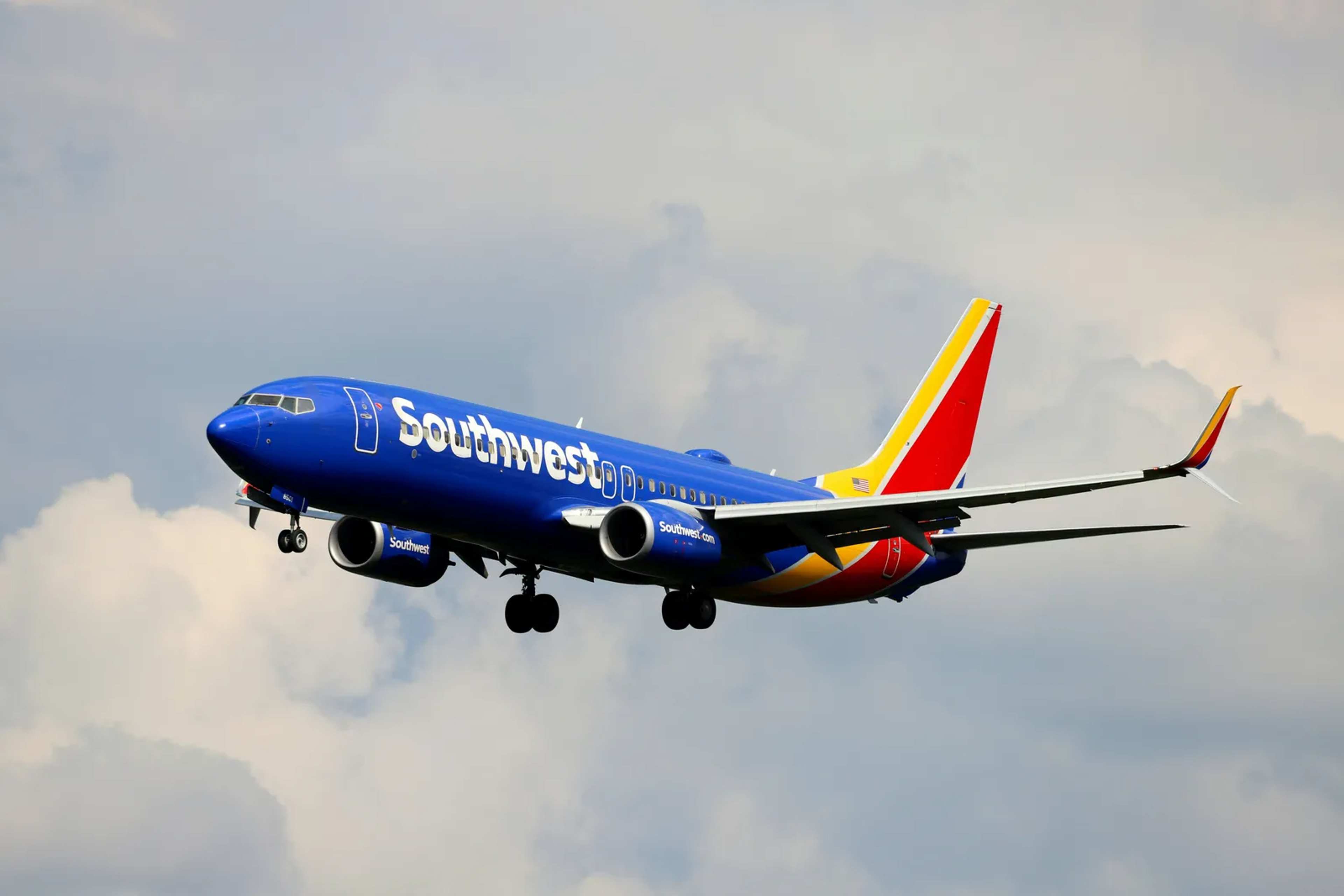
Most people book a flight the same way they’ve always booked one. Pick some dates, glance at a price, and click purchase before the fare disappears. That instinct feels reasonable, but airline pricing has grown more layered and more automated than it used to be, and a lot of the old shortcuts quietly work against travelers now instead of for them.
The strange part is that these slips rarely feel like mistakes in the moment. They feel like ordinary choices. It’s only later, at the gate or on the credit card statement, that the cost of those choices becomes obvious.
1. Booking at the wrong point in the calendar
Many flyers assume earlier is always cheaper, so they lock in a fare the moment tickets go on sale. In practice, airlines often price flights high when they first appear, capturing travelers who must commit early, then adjust downward once real demand becomes clear[1]. That means booking too soon can mean paying before the airline has any competitive pressure to lower the fare.
The opposite habit, waiting until the last week, tends to backfire just as often. Travelers still romanticize the idea of cheap last minute airfare, but airlines have become much better at predicting demand, and waiting until the final week before departure is usually expensive, especially on leisure routes[2]. Data from Google Flights and Expedia points to a middle window, with the average low point for domestic tickets around 43 days before departure, while Expedia’s fare data finds domestic economy fares cheapest 15 to 30 days out[3], so aiming for that stretch rather than either extreme tends to serve travelers better.
2. Ignoring the airport just down the road

It’s easy to fixate on the airport closest to home, especially in a big metro area with more than one option. That habit can be expensive, since nearby airports often offer fares up to 50 percent lower[4] for the same basic route. Smaller or secondary airports sometimes carry less demand and lower landing fees, and airlines pass some of that difference along.
The catch is that the savings only count if the math actually works out once you get to the airport. It’s worth weighing the drive, parking, or extra transit against what you’d save on the ticket itself, since factoring in transportation costs helps determine whether the savings are worth it[4]. A quick side by side comparison, done before booking rather than after, usually settles the question.
3. Treating travel dates as fixed when they don’t need to be

Plenty of travelers search for exact dates and stop there, never checking what a day earlier or later might cost. That rigidity has a price. Flexibility saves money, and shifting travel by a day or two can cut costs by roughly one hundred to three hundred dollars per ticket[4] on many routes.
Day of week matters too, and it’s a separate factor from how far in advance you book. Fare data shows that Tuesday, Wednesday, and Saturday departures are consistently the cheapest, while business and leisure travelers cluster around the weekend, driving those fares up[5]. Return dates carry weight of their own, and one industry analysis notes that the real win often comes from returning midweek, where savings are more considerable, while Friday or Sunday returns tend to cost more[6].
4. Booking a tight, self managed connection to save a few dollars

Piecing together two separate tickets on two different airlines can look like a clever way to shave money off a route, and sometimes it is. The trouble shows up the moment something goes wrong, because with a traditional connecting flight the airline is responsible for getting you to your final destination and must rebook you if the first flight is delayed, but with separate tickets that protection disappears[7].
Layover length becomes far more important on this kind of itinerary than travelers expect. Guides on the subject generally recommend a wide buffer, since a three hour layover is generally recommended for domestic self transfers, and checked baggage that must be collected and rechecked can add thirty to sixty minutes on its own[7][8]. Miss that connection and the fallout is not small, given that a missed self transfer can easily cost three hundred to eight hundred dollars for a recoverable situation, and one thousand to two thousand dollars or more on thin routes where seats are scarce[8].
5. Assuming the cheapest fare class is simply a smaller version of a regular ticket
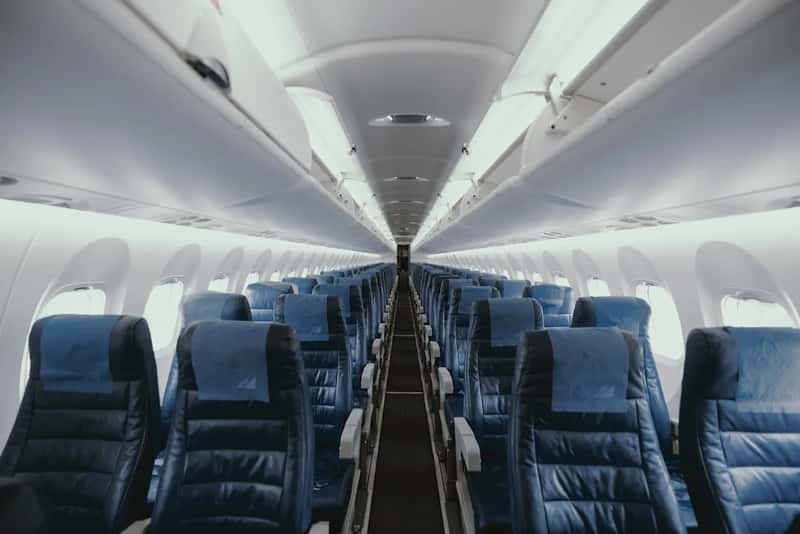
Basic economy has changed shape over the past year, and a lot of flyers are still booking it based on outdated assumptions. These fares generally exclude advance seat selection, carry last group boarding, and offer no free changes or refunds beyond the federal 24 hour cancellation window[9]. On some airlines the restrictions have gotten noticeably tighter recently, since American eliminated mileage earning on these fares in December 2025, and starting May 18, 2026, elite status members lost complimentary seat selection and upgrade eligibility on basic economy tickets, with all passengers now required to pay a fee for seat selection[10].
Seat selection fees are not a minor line item for airlines either. United Airlines alone earned about 1.3 billion dollars from seat selection in 2023, more than it made from baggage fees[1]. The lesson is straightforward: before choosing the lowest fare bucket, it’s worth checking what specifically gets stripped out on that particular airline, since the rules now vary quite a bit from one carrier to the next.
6. Letting the checkout screen convert your currency for you
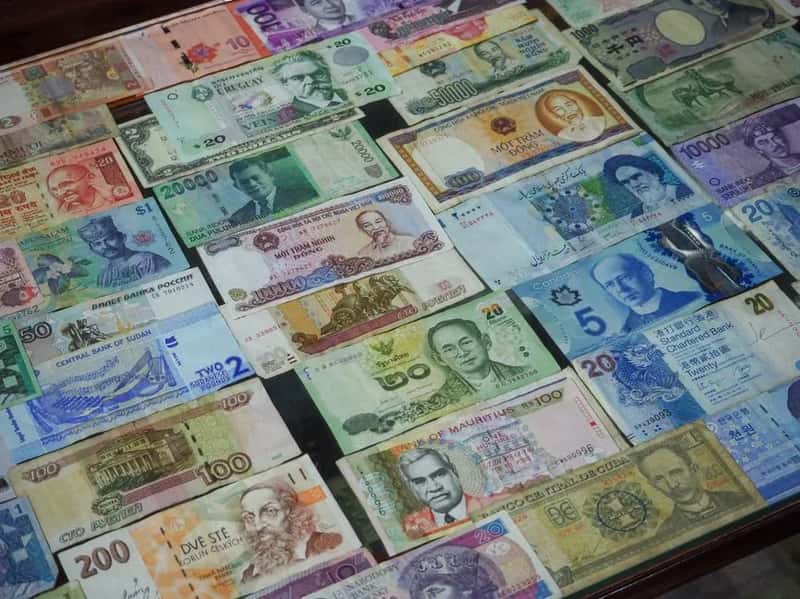
International bookings often present a small popup asking whether you’d like to pay in your home currency instead of the local one. It reads as a convenience, and that’s exactly the point. Dynamic currency conversion appears helpful, offering a familiar number in your home currency, but in practice it is one of the most expensive clicks you can make[1].
The markup gets buried inside an exchange rate that’s rarely disclosed clearly at the moment of purchase, so it’s easy to miss entirely. Declining the conversion and letting your card issuer or bank handle the exchange almost always works out cheaper, and it takes nothing more than picking the other option on the screen.
7. Skipping travel insurance and entry paperwork on international trips

Domestic flying rarely demands much beyond a ticket and an ID, so some travelers carry that same low effort mindset into international bookings. That habit gets riskier every year as more countries add electronic entry systems. Europe’s ETIAS travel authorization system is slated to take effect in the fourth quarter of 2026, applying to Cyprus, Norway, and all Schengen Zone nations[11], and the United Kingdom has its own ETA travel authorization system for American citizens[11].
Complex itineraries carry their own version of this risk, particularly when trips involve multiple carriers or long layovers. It’s a pattern worth watching for, since travelers still lose money through avoidable mistakes like separating tickets without enough layover time, skipping travel insurance on complex itineraries, or forgetting budget airline baggage rules[2]. None of this takes long to check, but it has to happen before the ticket is purchased, not after.
8. Buying the first fare you see without checking the full trip cost

A price that looks like a bargain on one search result can turn out ordinary once every add on is counted. Ancillary charges are not a rounding error anymore either, since airlines collected roughly 148 billion dollars in ancillary revenue worldwide in 2024, according to industry tallies cited by the International Air Transport Association[1]. Those fees cover the extras that rarely appear in the first price you see[1], from seat assignments to bags to boarding priority.
The fix is less about finding a secret deal and more about slowing down before clicking buy. As one flight comparison guide puts it, the smarter approach is to consider the total cost of your trip rather than just the airfare when deciding whether a deal is worth it[12], and to check other platforms or the airline’s own website[12] before settling on a number. That extra five minutes of comparison is usually the difference between a genuinely good fare and one that only looked that way at first glance.
None of these habits require special tools or insider knowledge to fix. Most of them just ask for a little more patience before hitting purchase, and a willingness to read past the first number on the screen. That small shift in approach tends to matter more than any single trick ever could.