The idea of packing up and living somewhere that doesn’t drain your bank account every month sounds like a fantasy to a lot of people, especially with U.S. rents and grocery bills climbing the way they have. Yet for thousands of retirees, remote workers, and everyday travelers, a monthly budget of $1,500 isn’t a stretch goal. It’s a comfortable reality in several corners of the world, where rent, food, transportation, and healthcare together cost a fraction of what they do back home.
Below are eight countries where that number genuinely goes the distance. Some are classic retirement havens with decades of expat infrastructure behind them. Others are newer discoveries gaining traction because of favorable exchange rates and lower visa hurdles. Each one offers its own flavor of affordable living, and the details matter, so let’s break them down one by one.
1. Portugal

Portugal has become the poster child for Americans chasing a lower cost of living without sacrificing European charm. The cost of living in Lisbon is significantly lower compared to the US, with Numbeo estimating the capital’s overall cost of living, including rent, is 30 to 50 percent lower than places like New York City or San Francisco. Smaller cities and towns outside the capital stretch a budget even further, which is why so many retirees settle in places like the Algarve or northern towns rather than the bigger cities.
Getting there is relatively straightforward too. Portugal’s D7 visa, the Passive Income Visa, currently requires showing about €8,400 a year in passive income for a single person, roughly the Portuguese minimum wage, and in practice most applicants demonstrate at least €1,000 a month. Pair that modest threshold with the country’s public healthcare system and a genuinely low grocery bill, and $1,500 a month covers rent, food, transit, and a social life without much trouble outside the priciest Lisbon neighborhoods.
2. Greece

Greece has quietly become one of the most talked-about retirement destinations of 2026, and the numbers back up the buzz. Greece has emerged as the best overall retirement destination, boasting 300+ sunny days, a laid-back lifestyle, and living costs around one-third of what many Americans pay back home. That kind of gap means a $1,500 monthly budget covers not just the basics but a decent apartment, regular meals out, and the occasional island getaway.
The recognition isn’t just anecdotal. International Living’s 2026 Global Retirement Index placed Greece at number one for the first time in the index’s 35-year history, with its score topping the index across healthcare value, visa access, cost of living, and climate. Add in genuinely affordable private health coverage, and Greece checks nearly every box for a low-stress, low-cost lifestyle abroad.
3. Mexico
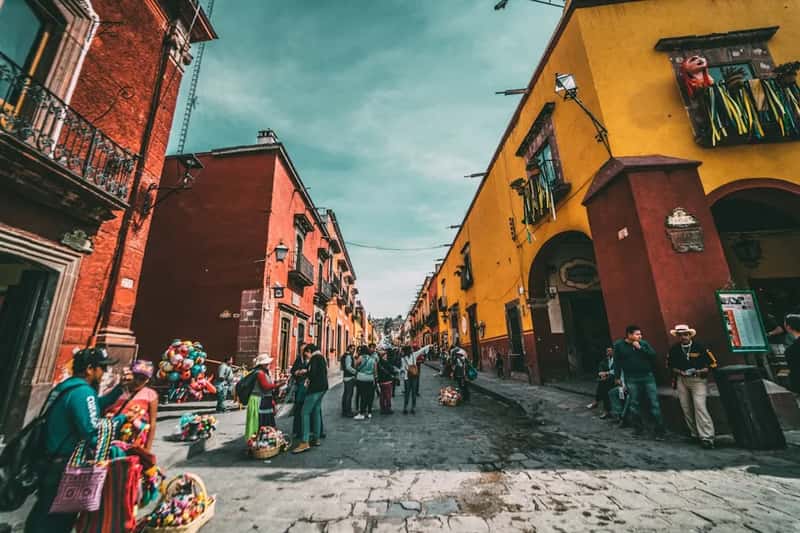
Mexico has long been the default choice for American retirees, and for good reason: it’s close, it’s dollar-friendly in tourist and expat zones, and the culture feels familiar to many. Towns around Lake Chapala remain popular precisely because they sit just three hours from the US, with low rents and strong expat networks. Outside the biggest cities, $1,500 still buys a comfortable apartment, fresh market food, and reliable local transportation.
That said, the visa landscape has shifted. Mexico was the most popular destination for U.S. retirees for decades, but by 2025 new income requirements of $4,200 a month for temporary residency and $7,000 for permanent residency have made it unattainable for many relying solely on Social Security. The everyday cost of living hasn’t changed much, but anyone planning a move should factor those newer residency thresholds into their timeline.
4. Panama
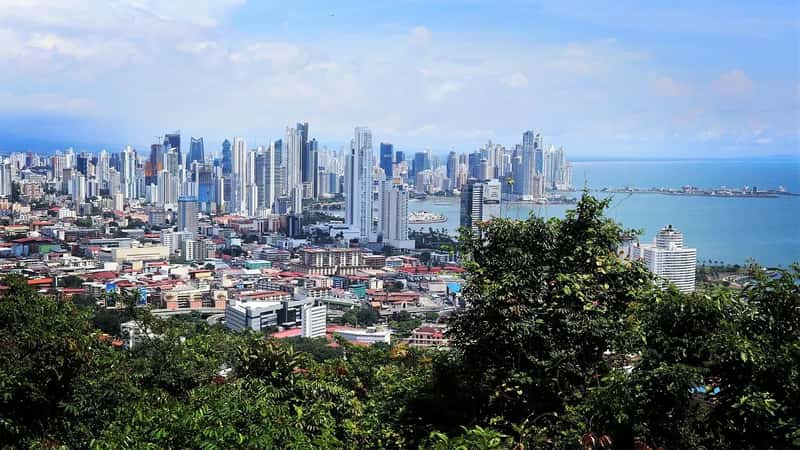
Panama’s appeal comes down to flexibility. City living costs more, but the interior towns are where a $1,500 budget really shines. Living in a smaller town could cost between $800 to $1,500 per month, while a comfortable life in bustling Panama City might require a monthly budget closer to $2,000 to $2,500. Mountain towns like Boquete are especially popular because the climate cuts utility costs dramatically.
Survey data backs up the country’s reputation for value. Panama ranks third in the InterNations ‘Personal Finance Index’ and remains the overall winner of the Expat Insider Survey for the second year, with monthly living expenses averaging around $1,277 per person. Daily costs help explain why: gas typically runs under $30 a month, car insurance is around $58 a month, and quick Uber rides in the city are often just $3 to $4. For a single retiree willing to skip the flashiest neighborhoods, $1,500 covers everything comfortably.
5. Colombia

Colombia doesn’t always get the spotlight that Mexico or Panama do, but it deserves a closer look. It ranks among the countries where a genuinely safe, comfortable lifestyle costs remarkably little. Among the safest countries in the world, the most affordable ones are Latvia, Chile, and Costa Rica, with a cost of living under $1,100 per month for rent, groceries, and other everyday expenses, and Colombia sits close behind in that same affordable bracket, particularly in cities like Medellín.
Healthcare is one of the country’s quiet strengths. Despite offering some of the lowest out-of-pocket healthcare expenses in the world, many expats in Colombia still choose private health insurance to access faster, higher-quality care. Even with that added private coverage, a monthly budget of $1,500 typically covers a modern apartment, groceries at local markets, and transportation with room left over for dining out.
6. Thailand

Thailand has been on the radar of budget-conscious expats for years, and Chiang Mai in particular has built a reputation as one of the best value destinations in Southeast Asia. Couples can live comfortably on $1,200 per month in Chiang Mai, which means a single person’s $1,500 budget offers real breathing room, or a couple can split that same amount and still live well.
The country’s broader appeal goes beyond just low prices. Thailand is counted among the most affordable expat havens where dollars stretch further than in the US, thanks to a winning combination of affordable housing, inexpensive yet excellent healthcare, budget-friendly dining, and accessible transportation. Bangkok costs more than Chiang Mai, naturally, but even there a careful budget of $1,500 covers a modest one-bedroom, regular street food, and healthcare that costs a fraction of U.S. prices.
7. Vietnam

If raw affordability is the goal, Vietnam is hard to beat. Vietnam is the cheapest country to live in comfortably as a foreigner in 2026, with total monthly costs averaging $800 including rent, food, transport, and healthcare. That leaves a $1,500 budget with substantial room for upgrades, whether that means a nicer apartment, more dining out, or simply banking the difference.
Housing costs illustrate just how far the money goes. Ho Chi Minh City and Hanoi offer one-bedroom apartments for $300 to $500 a month in central districts, while street food meals cost just $1 to $2 and a sit-down restaurant meal runs $3 to $5. For anyone willing to embrace a fast-paced, motorbike-heavy lifestyle, Vietnam turns $1,500 into a genuinely upscale existence rather than just a survival budget.
8. Georgia

The country of Georgia, tucked between Europe and Asia, has become a favorite for people chasing dramatic scenery and rock-bottom prices. In smaller cities like Kutaisi, the numbers are almost hard to believe. Grocery costs run around $311 per month with utilities around $46 per month, and a centrally located one-bedroom apartment costs just $315 per month. Transportation is similarly cheap, with an apartment on the outskirts renting for about $237, a monthly transit pass costing just $12, and taxis averaging around $7 for a five-mile ride.
There is one new wrinkle worth knowing about before booking a flight. Georgia instituted a new rule requiring all foreign residents and visitors to have mandatory travel insurance as of January 1, 2026, provided by the Georgian insurance company ARDI. That policy adds a modest monthly cost, but even with it factored in, $1,500 comfortably covers a spacious apartment, groceries, transportation, and plenty left over for exploring the country’s mountains and vineyards.
What ties these eight countries together isn’t just cheap rent or inexpensive groceries. It’s the combination of lower costs across every category, housing, food, transportation, and healthcare, that adds up to real financial breathing room. None of these places require you to sacrifice comfort or safety to make a $1,500 budget work; they simply operate on a different cost structure than much of North America or Western Europe.
Of course, exchange rates shift, visa rules change, and neighborhood choice matters enormously within any single country. Someone living centrally in Panama City will spend more than someone in Boquete, just as life in Lisbon costs more than a small town in the Algarve. Still, for those willing to do their homework and stay flexible about location, these eight countries prove that a modest monthly budget can still buy a genuinely full life abroad.