Grabbing a quick meal between errands has become such a normal part of daily life that most people rarely stop to think about how differently that habit plays out from one country to the next. In some places, fast food is an occasional convenience. In others, it has quietly become woven into the rhythm of everyday eating, showing up in billion dollar market figures, weekly household spending, and restaurant counts that keep climbing year after year.
The following nine countries stand out for how deeply fast food has settled into daily routines, based on recent market data, government reports, and industry research through 2026.
United States
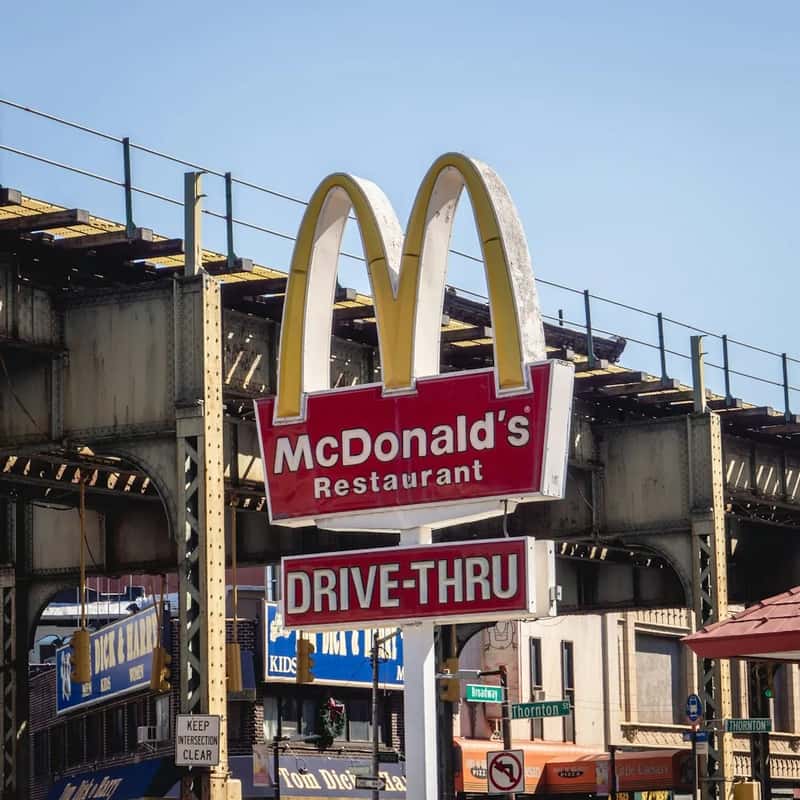
The United States remains the country most associated with fast food, and the numbers back up the reputation. Individuals in the US indulge in fast food one to three times per week, contributing to an annual expenditure of $160 billion.[1] That kind of spending reflects habits that show up across nearly every demographic group and income bracket.
Government health data adds another layer to the picture. During 2013 to 2016, 36.6% of adults consumed fast food on a given day, with the percentage decreasing with age from 44.9% among those aged 20 to 39 down to 24.1% among adults 60 and older.[2] Among adults who ate fast food, lunch and dinner were the most common occasions, at 43.7% and 42.0% respectively, followed by breakfast and snacks.[3]
United Kingdom

Britain’s image as a nation of pub lunches and afternoon tea does not quite match what people are actually ordering for dinner. The United Kingdom is second only to the United States in fast food consumption, which may surprise those who associate Britain primarily with traditional pub meals and afternoon tea.[4] The scale of the takeaway habit is substantial enough to reshape how people think about British eating culture altogether.
The UK fast food market reached £40.5 billion in 2025, recording year on year growth of 5.7% that outpaced inflation, with the average British citizen spending around 1,800 pounds per year on takeaway food and more than 45 thousand fast food outlets across the country.[4] Recent figures from Cancer Research UK show that 22 million fast food and takeaway meals are eaten weekly by adults in the UK.[5] London alone carries a huge share of that footprint, with thousands of outlets packed into the capital.
Canada
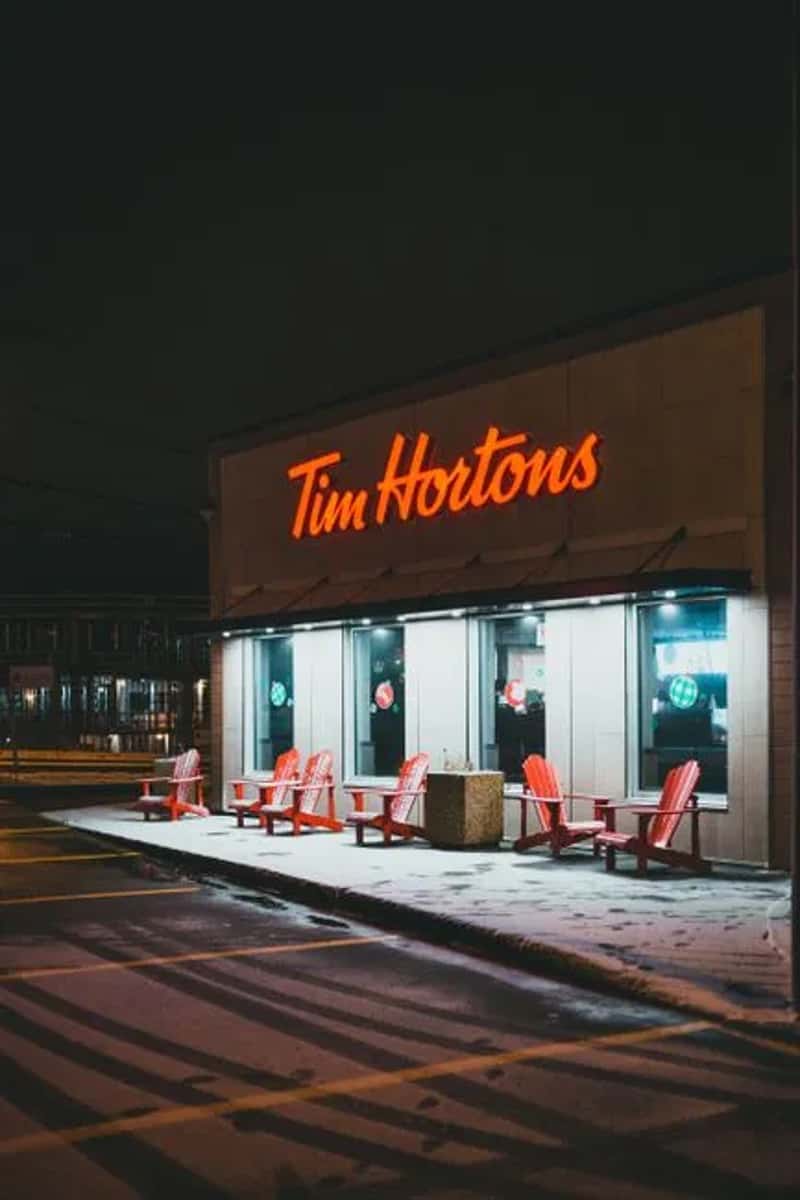
Canada’s reputation for healthy, outdoorsy living does not line up neatly with its dining habits. Canadians rank third globally in fast food consumption, with the average Canadian visiting fast food restaurants 150 times yearly and spending over $1,200 on quick meals.[4] That frequency puts Canada well ahead of many countries with far larger populations.
Cold winters seem to play a role too, pushing people toward quick, warm meals rather than cooking from scratch.[4] Canada shares many structural similarities with the US in terms of car dependency and retail food culture, which naturally translates into high fast food use across all age groups and income levels.[5] The industry has grown into a major employer as a result, supporting hundreds of thousands of jobs nationwide.
Australia
Fast food in Australia has grown from an occasional treat into a genuine budget line item for many households. Driven by increasingly hectic lifestyles, Australians are allocating a greater portion of their budget to fast food, making approximately 51.5 million monthly visits to fast food chains and dedicating nearly 32% of their household food budget to dining out.[6] That level of spending places Australia firmly among the world’s most frequent fast food consuming nations.
The market size, measured by revenue, of the Australian fast food and takeaway food services industry reached $7 billion in 2022.[6] The trend has only continued since then, with busy schedules and long commuting distances keeping drive through and delivery options in constant demand across both cities and suburban areas.
India

India’s fast food story is really a story about a growing middle class with more money to spend and less time to cook. The rise in disposable income in India has led to a corresponding increase in the frequency of dining out, with major chains such as McDonald’s entering the Indian market in 1996 and paving the way for Domino’s, Pizza Hut, KFC, and others to follow.[6] What started as a handful of foreign entrants has since exploded into a nationwide network of outlets in cities of every size.
The country’s quick service restaurant market was expected to post a compound annual growth rate of 23% through fiscal year 2025.[6] That pace of expansion is among the fastest anywhere in the world, driven largely by younger consumers who grew up with these brands as part of everyday city life rather than as a novelty.
South Korea
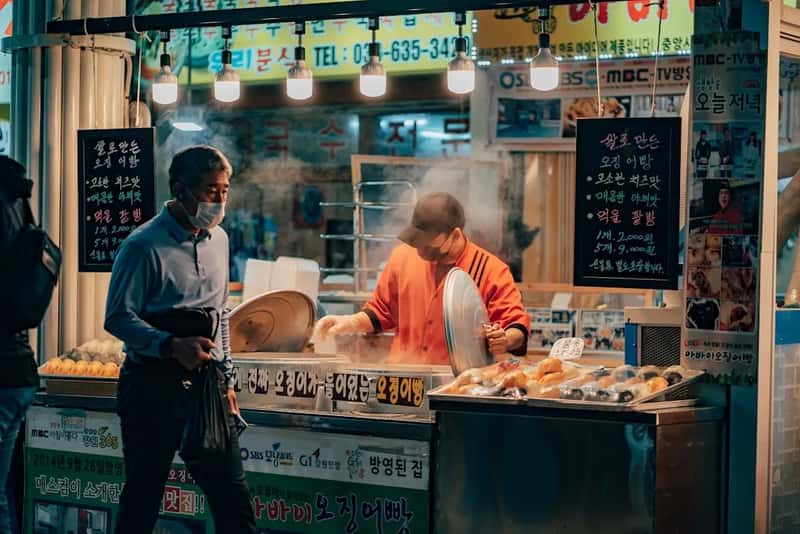
South Korea’s fast food culture has developed its own distinct personality, blending speed with a strong appetite for novelty and customization. Themed events, social media marketing, speedy service, and options for customizing food orders are the main features driving demand for quick service restaurants in South Korea.[10] That emphasis on personalization and social buzz has helped keep the sector growing even in a market that already has intense dining out competition.
Domestic chains have proven just as influential as international ones. Mom’s Touch Global is South Korea’s largest fast food franchise by outlet count, operating approximately 1,480 locations nationwide as of 2025.[11] School going and college students remain major consumers of fast food in restaurants due to their busy schedules and affordability, which keeps demand steady across younger generations.[10]
Japan
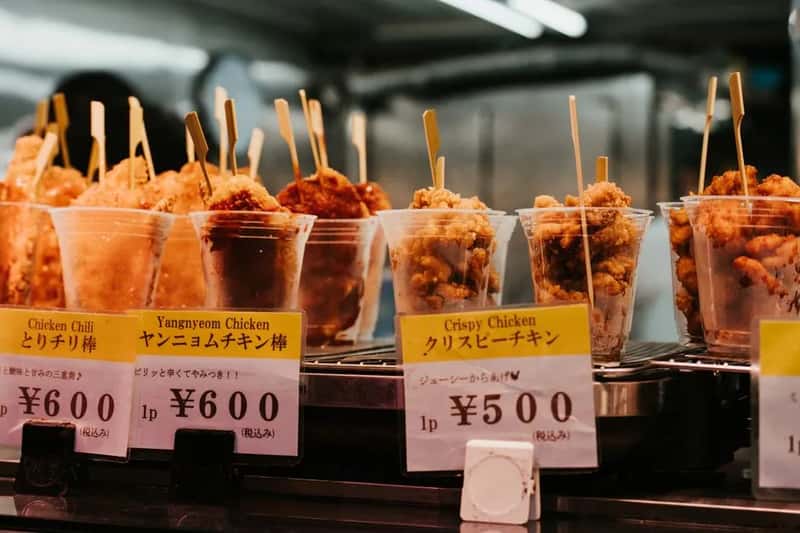
Japan approaches fast food less as an indulgence and more as an efficient extension of a highly structured work culture. Japan’s fast food market growth is tied to high operational standards, seasonal menu innovation, and deep integration with convenience culture, with over 60% of office workers purchasing lunch from quick service restaurants or convenience stores daily, according to the Ministry of Health, Labour and Welfare.[7] That daily lunch routine alone accounts for an enormous share of the country’s fast food volume.
Korean chains have also found real traction inside Japan’s competitive food scene. Mom’s Touch opened its second directly managed store in Tokyo’s Harajuku district in September 2025, following the success of its Shibuya flagship which attracted over 700,000 cumulative visitors in its first year.[11] The willingness of Japanese consumers to embrace a foreign fast food brand at that scale says a lot about how central quick, convenient meals have become to daily life there.
Germany
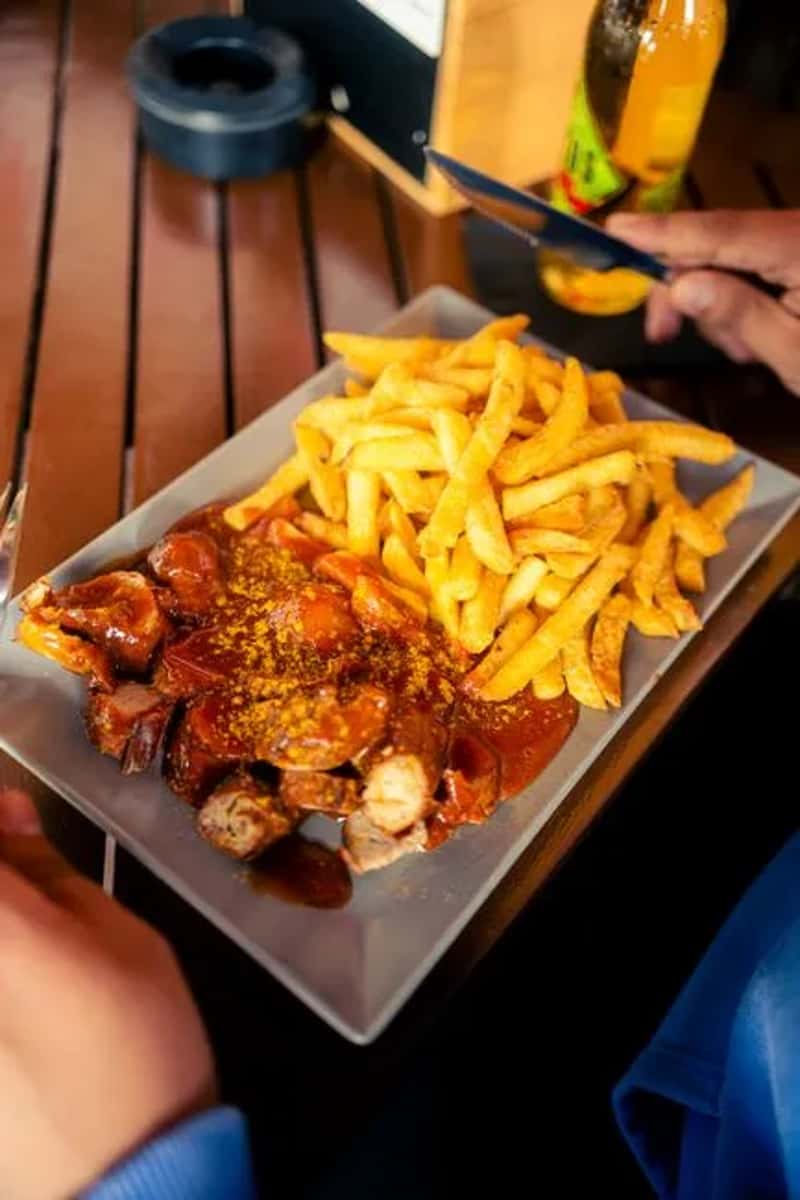
Germany often gets overlooked in conversations about fast food, yet the habit runs deeper there than many outsiders assume. Germany is on the list of countries with the highest fast food consumption, with German citizens eating fast food on average twice per week according to a study from the German Nutrition Society in 2024, as an efficient and practical lifestyle makes fast food a time saving solution.[5] That twice weekly average puts Germany on par with, or ahead of, several countries more commonly associated with quick service dining.
Germany’s fast food identity blends imported chains with strong local staples like currywurst and doner stands, giving the market a hybrid character. Busy urban centers such as Berlin, Munich, and Hamburg have seen steady growth in both international franchises and independent quick service operators. The combination of practicality and variety has helped keep fast food a fixture of German daily routines rather than an occasional exception.
Fast food consumption patterns differ sharply from one country to the next, shaped by everything from climate and commuting habits to disposable income and cultural attitudes toward home cooking. What ties these nine countries together is not a single shared reason but a mix of convenience, changing work schedules, and a growing appetite among younger generations for quick, affordable meals. The market figures and outlet counts behind these habits continue to climb in 2026, suggesting the trend shows little sign of slowing down anywhere on this list.