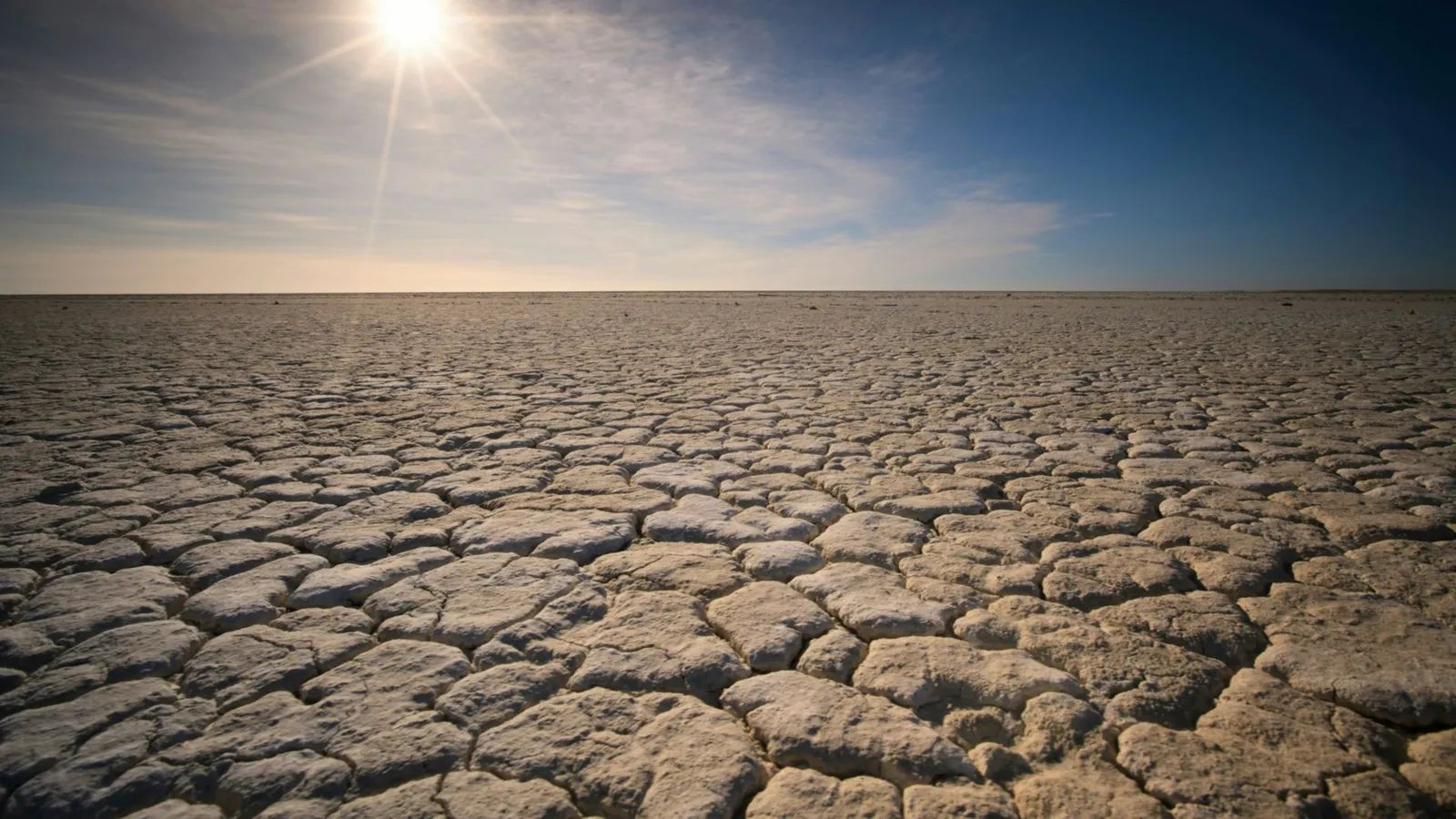
Cacti are the plants people picture when they think of heat and thirst, built to store water and endure long dry spells. A new study in Nature suggests that toughness may not protect them from the kind of severe drought that is becoming more common. Researchers who added extreme drought to habitat forecasts found that many cactus species could lose much of the land they now occupy ([1]).
A gap in climate forecasts
Large-scale biodiversity forecasts usually leave out extreme events, even though a warming climate makes them more frequent. Michiel Pillet, the study’s lead author, said that omission can cause scientists to underestimate risk. He carried out the work during his dissertation at the University of Arizona and is now a postdoctoral researcher at USF. The team examined nearly 1,000 cactus species across the Americas. When severe drought data were built into existing climate distribution models, the majority of those species showed a sharp decline in suitable habitat ([2]).
The projections are among the most striking figures so far. More than a quarter of the species could lose at least 80 percent of their suitable habitat by 2100, according to the study’s findings ([2]). The authors also argue that similar effects could appear in other plant groups once extreme weather is part of future climate scenarios.
The irony of a drought-proof reputation
Cacti have long been seen as nearly indestructible in hot, dry landscapes. That reputation is only partly accurate. A 2022 study in Nature Plants noted that many of the more than 1,500 cactus species live in cooler and more humid ecosystems, which challenges the assumption that most cacti can handle heat and drought ([3]). Their adaptations are specialized, and a shift in conditions can leave some populations with little room to adjust.
Guerrero, a co-author of the new study, described what field researchers are already seeing. Some cactus populations are already experiencing reductions in habitat, and some are nearing extinction risk because of the combined pressure of warming and extreme events ([2]).
What the findings do and do not show
The study is based on modeling, so it projects habitat loss rather than documenting extinctions that have already occurred. Several questions remain open:
- Which individual species will lose the most habitat, and where
- How quickly cacti can move or adapt as conditions change
- Whether conservation efforts can offset losses in the most exposed regions
The earlier 2022 study highlighted Florida, central Mexico, and parts of Brazil as areas where the most species could be affected ([4]). A regional report on that work also noted that extinction of saguaros appeared less likely. Those findings predate the drought analysis, so they should be read as a baseline rather than a full picture of the Southwest.
For conservation planners, the message is that a plant famous for surviving dryness may need protection from drought itself. Whether cacti can keep pace with a hotter, more erratic climate will depend on how quickly that risk is recognized and how well the models capture the extremes that now seem most dangerous.