

Fast food has become one of the most powerful forces in global food culture. In 2024, the fast food industry’s market value reached an impressive $957 billion, showcasing its immense scale and influence. That’s a number that feels almost abstract until you start looking at which countries are actually driving it.
The split between heavy consumers and countries that remain largely indifferent is sharper than most people expect. Geography, income, and urban density all play a role, but so does something harder to quantify: what a culture genuinely values at the dinner table. Some nations have handed fast food a permanent seat at their table. Others have quietly kept the door shut.
1. United States – The World’s Undisputed Fast Food Capital
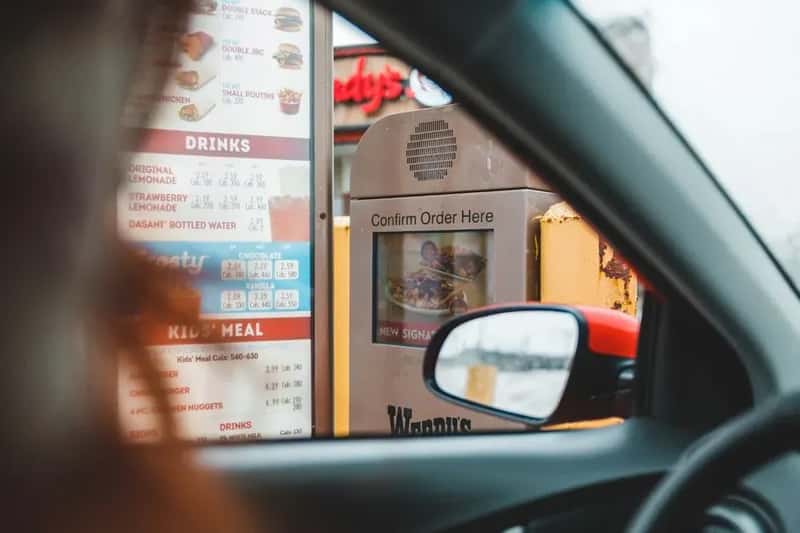
As of June 2024, America’s fast food industry was valued at around $331.4 billion, representing a little over one-third of the global fast food market, and the US ranked as the world’s most fast-food-obsessed country in 2024. The infrastructure behind that figure is extraordinary. In the United States, over 84 million people consume fast food daily, supported by a network of more than 200,000 fast food outlets, and drive-thru culture is so deeply integrated that up to 70% of fast food sales come from car service windows.
Individuals indulge one to three times per week, contributing to an annual expenditure of $160 billion, with roughly a third of American adults consuming fast food daily and the vast majority of households doing so weekly. Most Americans eat fast food one to three times a week, and over 83% of US families eat it at least once a week. The cultural marriage between convenience, car culture, and portion size has made American fast food something close to a national institution.
2. United Kingdom – Fish and Chips, Upgraded
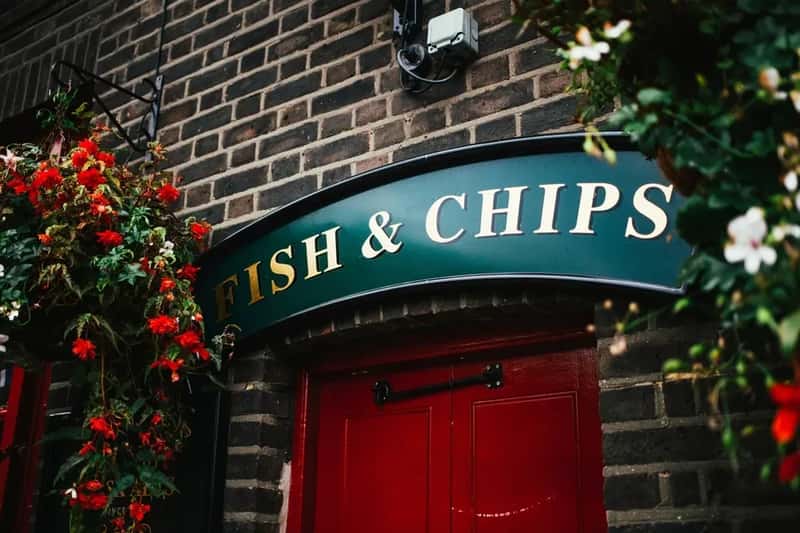
The United Kingdom ranks second only to the United States in fast food consumption, which may surprise those who associate Britain primarily with traditional pub meals and afternoon tea. According to a report by the UK Food Standards Agency in 2024, the average British citizen spends around 1,800 pounds per year on takeaway food, and there are more than 45 thousand fast food outlets across the UK, with London alone having more than 8,000 fast food restaurants.
Latest figures from Cancer Research UK revealed that 22 million fast food meals and takeaway meals are eaten weekly by adults in the UK. The UK fast food market reached £40.5 billion in 2025, recording year-on-year growth of 5.7% that outpaced inflation. Fried chicken shops, burger chains, and delivery apps have transformed British eating habits far beyond the classic takeaway experience.
3. France – The Gastronomy Paradox

Many people associate France with traditional French cuisine, but France has been rated among the highest consumers of fast food in the world, with international chains like Burger King, KFC, and McDonald’s establishing a strong presence in the country. France ranks second in some rankings for the highest number of fast food consumers around the world, with residents showing a particular affinity for Subway.
More than half of French households regularly enjoy fast food. The French have found a way to reconcile their deep culinary identity with genuine enthusiasm for quick service restaurants, partly because a lot of French people also love the “fast casual” style that comes with better ingredients, including salads, quiche, and artisan sandwiches. It’s less a surrender to junk food and more a reframing of what fast food can look like.
4. China – Near-Universal Participation
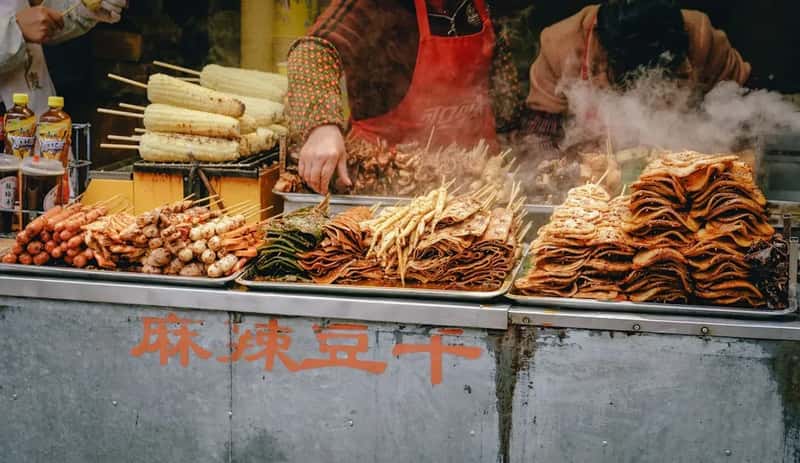
China’s rise as a fast food nation is driven by one of the fastest urbanization stories the world has ever seen, with fast food consumption remarkably high, with 97% of the population partaking and 41% eating fast food at least once a week, driven by busy lifestyles. That near-total participation rate is arguably the most striking single statistic in global fast food data. No other country comes close to it.
A growing middle class and rising disposable incomes continue to fuel a fast food boom in China, with international chains thriving alongside a booming domestic fast food brand scene, and the country is no longer just importing Western fast food concepts – it is now producing its own homegrown quick-service chains that compete at scale. Domestic Chinese chains serving noodles, dumplings, and rice bowls have become serious competitors to McDonald’s and KFC on their own turf.
5. Canada – Tim Hortons and Beyond
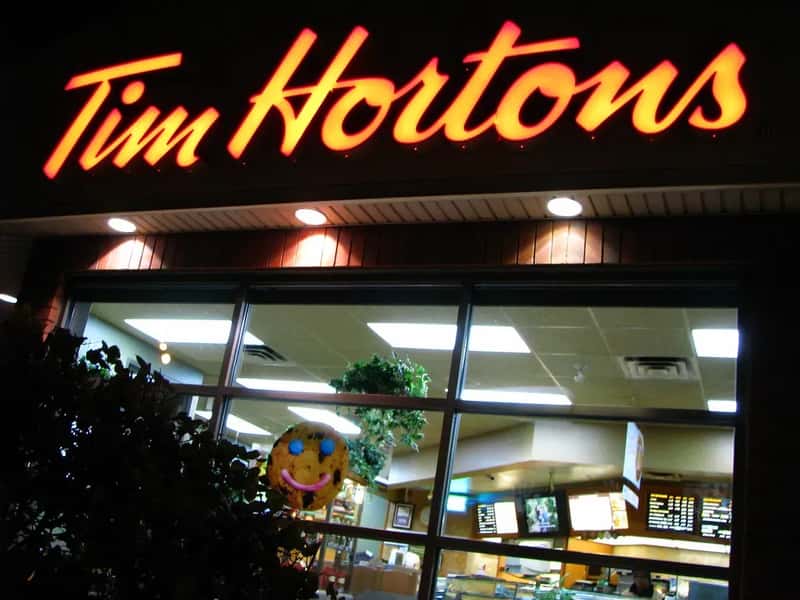
Canada employs more than 400,000 people within the fast food industry, with an estimated 30% of Canadians having worked in the sector at some point. That statistic alone tells you how deeply embedded the industry is in everyday Canadian life. Canada ranks among the top countries globally for fast food consumption, and people there love Tim Hortons, McDonald’s, and various bakery items.
Tim Hortons is more than just a coffee chain in Canada; it functions as a cultural touchstone. The country’s long winters, vast suburban sprawl, and highly urbanized population all push eating habits toward convenience. Canada shares many structural similarities with the US in terms of car dependency and retail food culture, which naturally translates into high fast food use across all age groups and income levels.
6. Australia – Takeaway as a Lifestyle
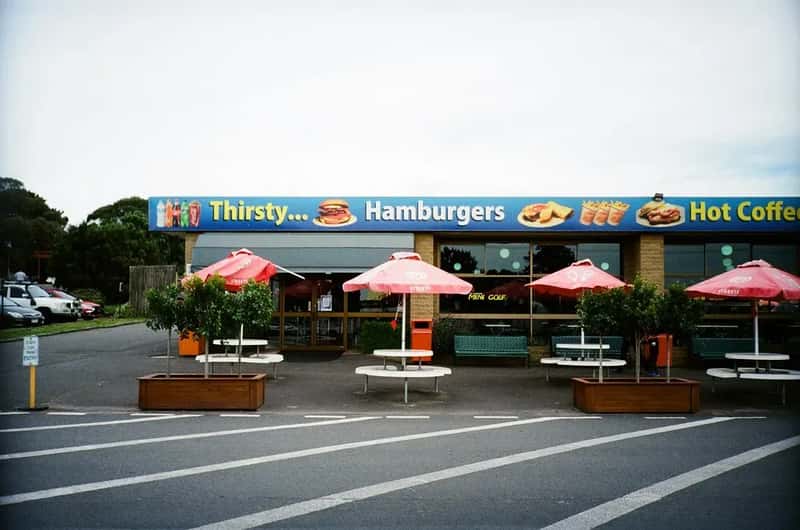
Driven by increasingly hectic lifestyles, Australians are allocating a greater portion of their budget to fast food and meals consumed away from home, making approximately 51.5 million monthly visits to fast food chains, accounting for nearly 32% of their household food budget dedicated to dining out. Based on UberEats 2024 consumer reports, the average Australian spends around 2,400 Australian dollars per year on takeaway food.
Australians eat fast food on average twice per week, and the country also has one of the largest numbers of McDonald’s outlets per capita outside the United States. American-style fast food culture took hold early in Australia and fused with local tastes, producing a market that blends international chains with domestic takeaway traditions. The rise of food delivery apps has only accelerated the habit in recent years.
7. Germany – Currywurst Meets the Golden Arches

Germany is on the list of countries with the highest fast food consumption, with German citizens eating fast food on average twice per week according to a study from the German Nutrition Society in 2024, as an efficient and practical lifestyle makes fast food a time-saving solution. Germany boasts a diverse restaurant scene, which comprised a total of around 70,619 establishments, and although there has been a slight decline in the number of restaurants in recent years, the industry remains highly competitive and vibrant.
Germany’s fast food culture is genuinely hybrid. International chains share the streets with Döner kebab shops and Currywurst stands, which have been serving quick meals to city workers for decades. The Döner kebab, introduced by Turkish immigrants and thoroughly adopted by Germans, is one of the most consumed fast foods in the country. Berlin alone has thousands of them, and they often outsell any single international chain.
8. Ethiopia – One of the World’s Strongest Resisters

Ethiopia maintains strong resistance to fast food culture, with fewer than 10 international chains operating in this nation of 115 million people, as traditional Ethiopian dining centers around injera (sourdough flatbread) with various stews, eaten communally and prepared fresh daily, and the cultural importance of sharing meals conflicts fundamentally with fast food’s individual consumption model.
Coffee ceremonies lasting hours further emphasize Ethiopia’s slow food traditions, creating natural cultural barriers to quick-service restaurant expansion despite rapid economic growth in urban centers. Ethiopian diets are mainly composed of cereals (especially teff), roots, tubers and pulses. The communal and ceremonial relationship Ethiopians have with food is, in many ways, the structural opposite of what fast food represents.
9. Vietnam – Street Food Wins Every Time
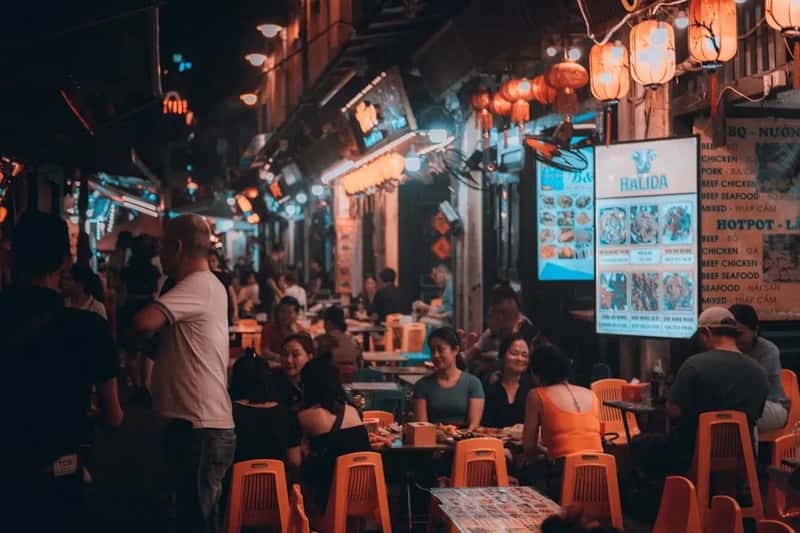
Among the countries studied for adolescent fast food consumption, Vietnam recorded one of the lowest rates – as low as 0.9% for severe food insecurity linked to fast food dependency. Vietnam has one of the richest street food cultures in the world, where fresh pho, banh mi, and bun bo hue are available at almost every corner for a fraction of the cost of any chain restaurant. That abundance of affordable, fresh local food makes branded fast food largely redundant.
Among countries studied for multiple suboptimal dietary factors in youth, Vietnam recorded some of the lowest rates at just 8.6%, compared with over 36% in countries with stronger fast food penetration. International chains have made inroads in Vietnamese cities, particularly among younger, wealthier consumers, but the overall penetration remains low. The street food vendor remains far more powerful than the drive-through in Vietnam’s food culture.
10. India – The Home Kitchen Still Rules
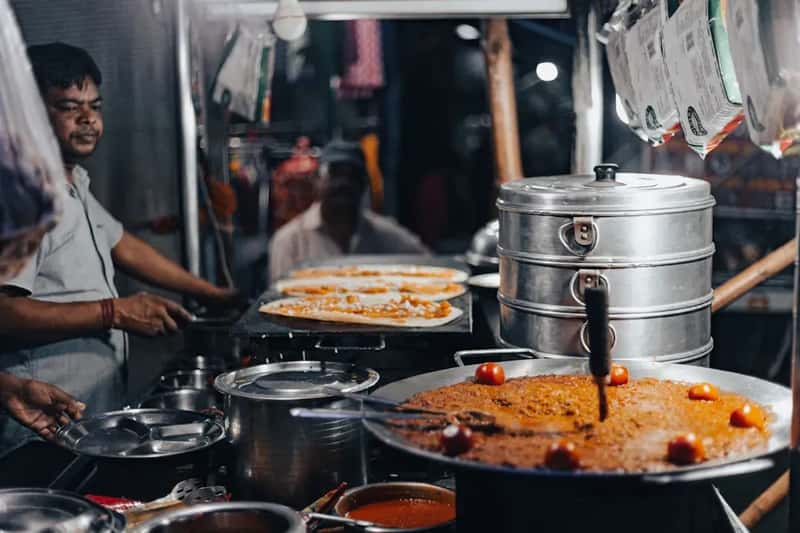
The quick-service restaurant market in India was valued at about $25.46 billion in 2024 and is forecasted to reach $38.7 billion by 2029, yet per-capita fast food consumption remains comparatively low when stacked against the top consumers. Roadside eateries, dhabas, and food stalls – traditional fast food formats – form a major part of the unorganized sector, meaning that many Indians who eat quickly prefer local, informal options over branded international chains.
Research on Indian young consumers found that they have a passion for visiting fast food outlets for fun and a change of pace, but home food remains their first choice, with the general view that homemade food is much better than food served at fast food outlets. Overall, consumption of fast food remains low in India, and people from high-income neighborhoods dine out more frequently and are more likely to perceive Western-style food as fast food compared to their counterparts from lower-income areas.
11. Italy – The Chains Are Here, but They’re Fighting Uphill
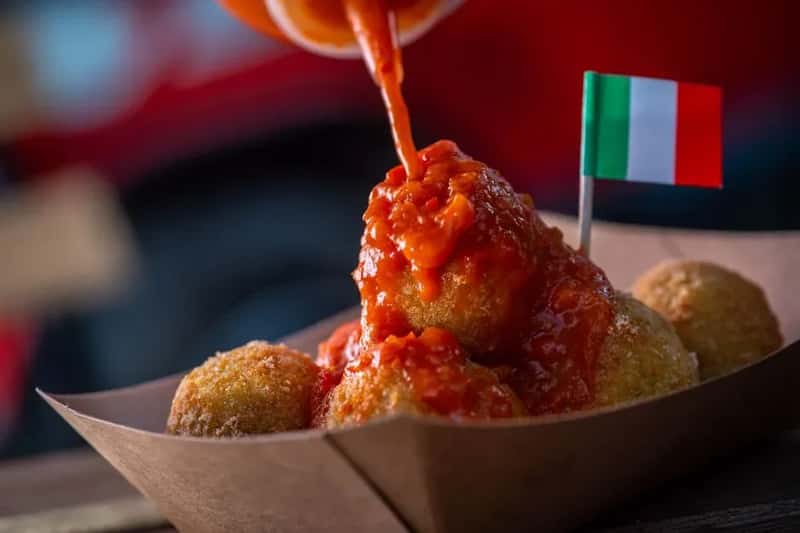
Italy is counted among the countries with some fast food presence, yet many of the world’s biggest fast-food chains are finding it difficult to survive in the Italian culinary market that features exquisite staples like pasta carbonara, lasagne, and saltimbocca. Burger King, for example, arrived in Italy in 1999 but still operates only 220 locations for a population of 60 million people, and Italy is home to only 50 KFC franchisees, 17 Subway locations, and 34 Domino’s Pizza stores.
Italy and Portugal were among the few countries that maintained dietary scores relatively close to their initial Mediterranean values, and the Italian diet remained characterized by high consumption of traditional Mediterranean foods such as fruits, vegetables, and cereals like bread, pasta, and rice. Italians have a deeply ingrained sense of when and how meals should happen, and a paper bag eaten on the go simply doesn’t fit. The cultural friction between Italian food identity and fast food convenience is real, and measurable.
12. Greece – Mediterranean Roots Still Hold
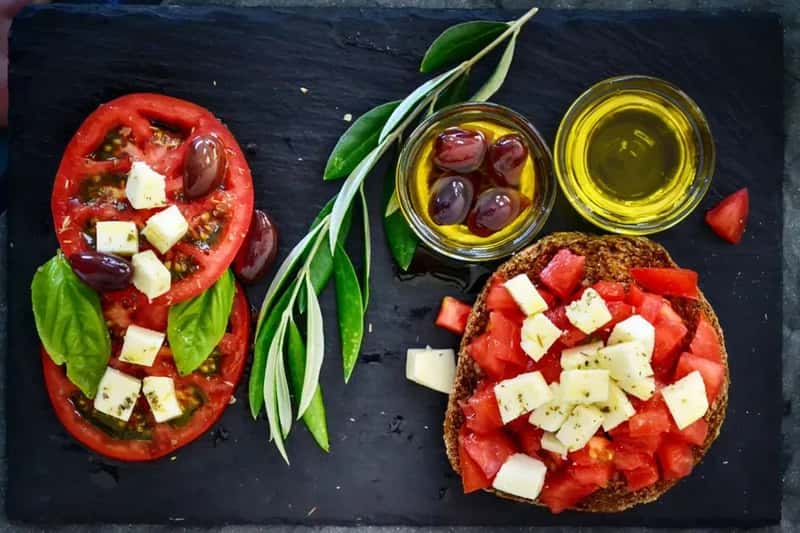
The Greek traditional diet holds a significant position within the Mediterranean diet, renowned for its health benefits and protective effects against diseases like heart disease and cancer, and historically, the Greeks have maintained excellent health and life expectancy due to their dietary practices, with the inhabitants of Crete boasting the highest per capita consumption of olive oil in the world at 25 liters.
The term Mediterranean diet refers to the traditional eating patterns of people living in countries bordering the Mediterranean Sea including Greece, and it is primarily a plant-based eating pattern that emphasizes fruits, vegetables, whole grains, legumes, nuts, and seeds, with olive oil as the primary source of fat. Despite a shift in the eating habits of Greeks towards a more Westernized food consumption pattern, popular street fast foods found in Greece include items such as gyros and souvlaki – local formats that compete directly with international chains. Greeks eat on the go, but largely on their own terms.
13. South Korea – Cultural Loyalty Over Convenience
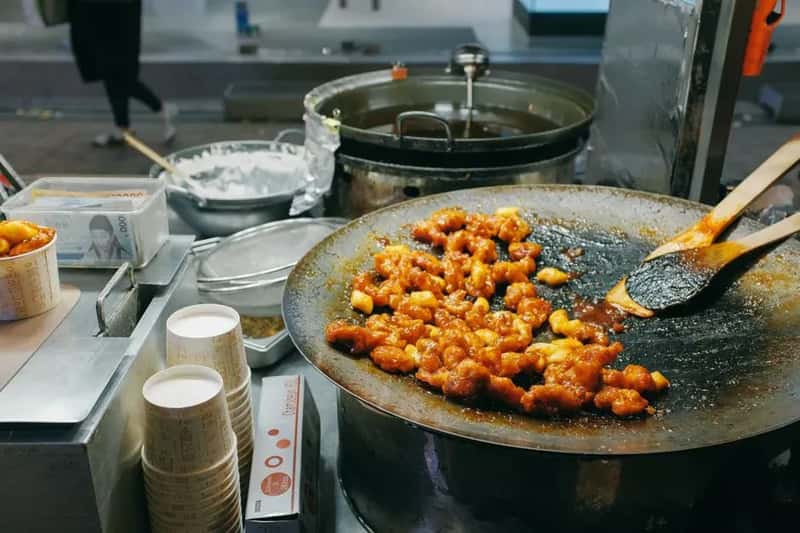
Despite having a developed economy and a fast city life, fast food consumption in South Korea remains low at less than once per week, and the culture of cooking at home and eating with family is still very strong in Korean society. Koreans prefer local fast foods such as kimbap and tteokbokki from street vendors rather than burgers and fried chicken from foreign restaurants, and the government actively promotes traditional Korean culinary culture as part of cultural heritage, which helps keep fast food culture from dominating.
South Korea is something of a fascinating outlier. It’s a wealthy, tech-driven society with a globally recognized food culture that has spread outward rather than yielded inward. Korean street food and home cooking carry enormous social status, and the food itself is genuinely accessible, delicious, and affordable. That combination gives global chains very little room to establish the kind of cultural grip they have in Western markets.
What emerges from looking at these 13 countries together is that fast food consumption is rarely just about convenience or cost. Culture, tradition, and the social meaning of eating together all play an enormous role. The countries that eat the most tend to share mobile lifestyles, car-dependent infrastructure, and a cultural acceptance of food as fuel. Those that barely touch it tend to have something else in common: a food identity strong enough to compete.