Most people never think twice about turning on a faucet and filling a glass. Yet behind that simple motion sits a mix of geology, infrastructure investment, and government oversight that varies wildly from one country to the next. Some nations are blessed with natural filtration systems built into their landscape, while others have had to engineer their way to purity through sheer necessity and technical skill.
1. Iceland
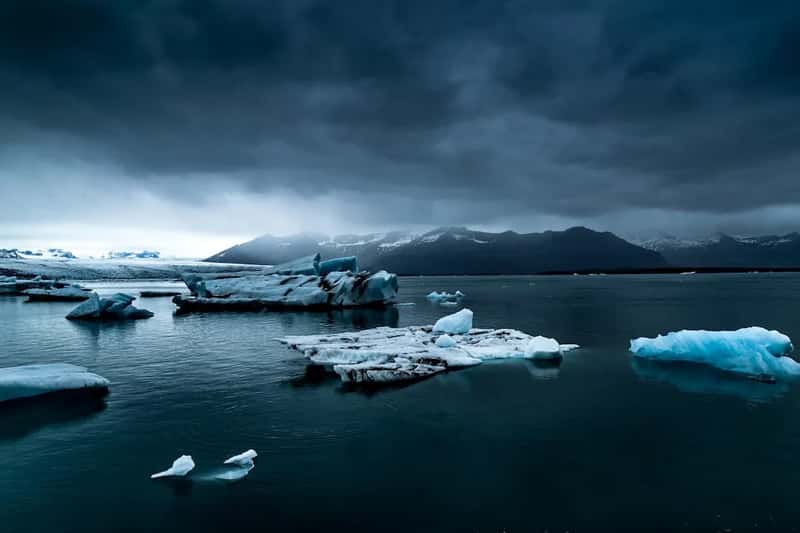
Iceland’s relationship with water starts underground, quite literally. Most of Iceland’s drinking water comes from snow and rain, and this moisture filters through porous volcanic rocks underground and is easily accessible from mountain streams. That natural process does most of the heavy lifting before the water ever reaches a treatment facility.
The numbers reflect just how little intervention is needed. Given the purity of water in Iceland, it doesn’t even need to be treated, and according to Water Technology, only 0.9% of water is treated before it reaches consumers. A recent global assessment reinforced this reputation even further. A 2025 global cleanliness assessment reinforced this reputation, ranking Iceland as the cleanest country in the world, followed by Switzerland and New Zealand, with water quality as one of the core factors behind that score.
2. Switzerland
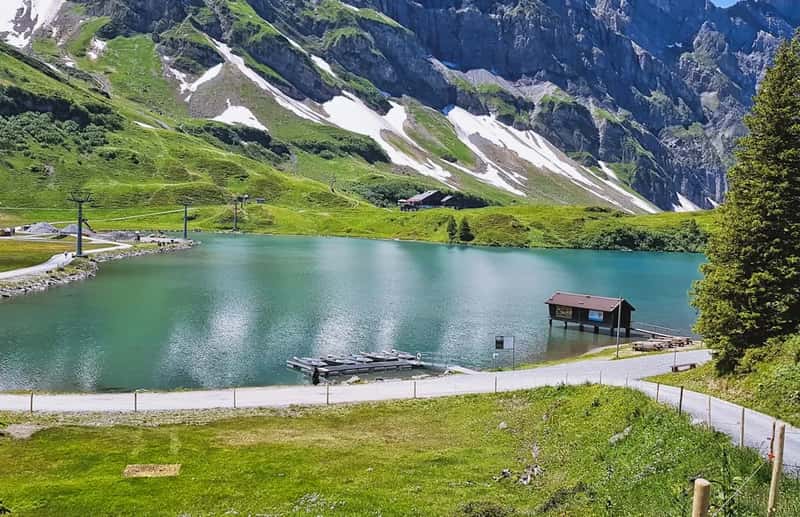
Switzerland earns its nickname as the water tower of Europe for good reason. It’s also called the “Water Tower of Europe” for its rivers and lakes. Much of what flows from Swiss taps begins its journey high in the Alps as snow and glacier runoff, filtering through layers of rock and soil long before it ever reaches a household pipe.
What sets the country apart isn’t just the source, though. Regulatory oversight applies uniformly across cantons, so a glass of tap water in a small mountain village tends to meet the same standard as one in Geneva or Zurich. That consistency, paired with strict testing, keeps quality reliable no matter where you happen to be standing.
3. Finland
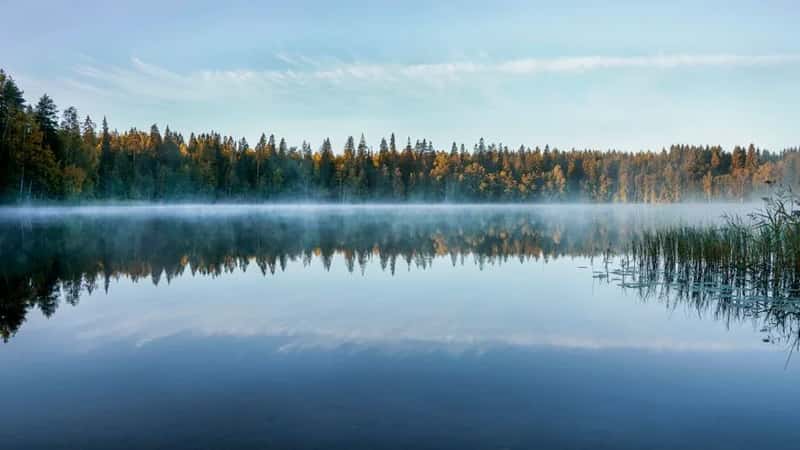
Finland’s geography practically guarantees clean water. Finland––”The Land of a Thousand Lakes”––has over 188,000 lakes. Groundwater plays an equally important role, since it collects in ancient granite formations and gets naturally filtered by sand and stone before it ever reaches a tap.
The results speak for themselves in terms of raw numbers. A whopping 99.98 per cent of Finland’s tap water surpasses quality standards, placing it high among countries with the cleanest drinking water. Locals trust it so much that bottled water barely registers as a market, since tap water there is often described as tasting better anyway.
4. Norway
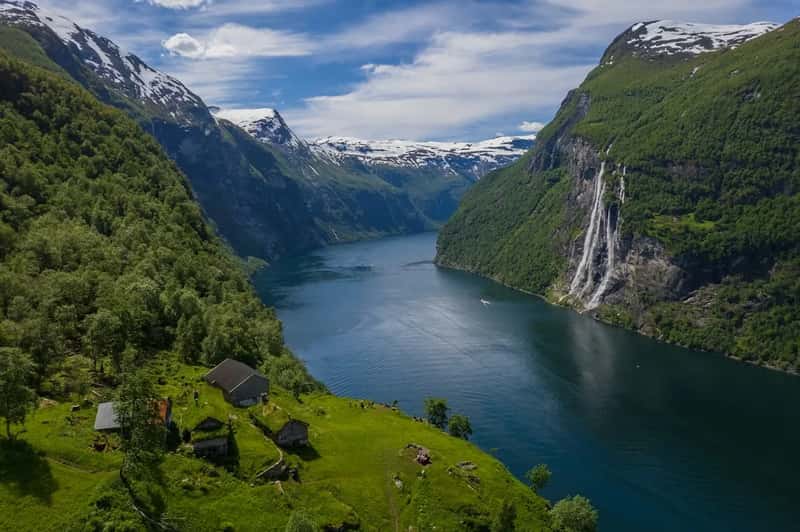
Norway shares a lot in common with its Nordic neighbors when it comes to water sourcing. Similar to Iceland, Norway’s water comes mainly from the mountains. Glaciers and snow melt into treated reservoirs that supply most of the country. The combination of remote wilderness and low population density keeps contamination risks fairly minimal.
Fjords and glacial streams give the country an abundance most nations simply don’t have access to. Norway’s abundant freshwater resources, including glacial streams and pristine fjords, contribute to its reputation for having some of the best water in the world. Combined with a strong environmental policy framework, Norway consistently ranks among the safest places to drink straight from the tap.
5. Denmark
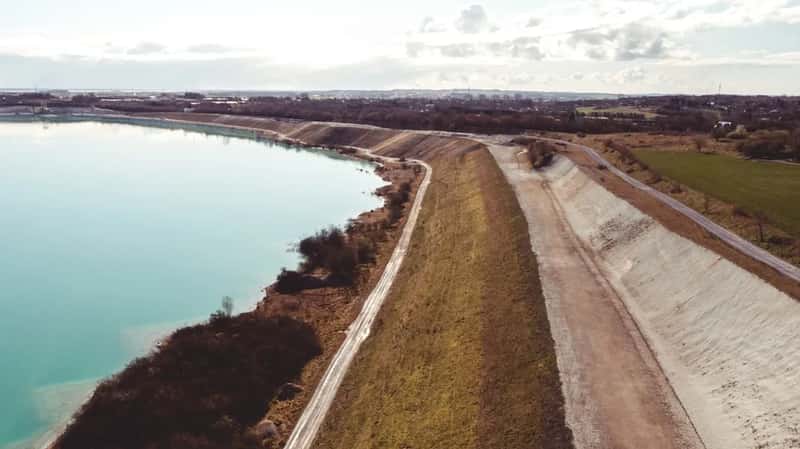
Denmark takes a slightly different approach by leaning almost entirely on groundwater. Approximately 90 percent of Danish drinking water comes from groundwater, sourced in a way that it is naturally filtered through different substances before it’s accessed, and rigorous testing along with high environmental standards means Denmark ranks high when it comes to clean tap water. That reliance on underground sources rather than rivers or lakes makes a meaningful difference in overall purity.
Groundwater simply avoids many of the problems that come with surface water. The reliance on groundwater rather than surface water reduces exposure to runoff and industrial pollutants. It’s a quieter, less dramatic story than glacier-fed systems, but the outcome is just as reliable for everyday households.
6. Singapore
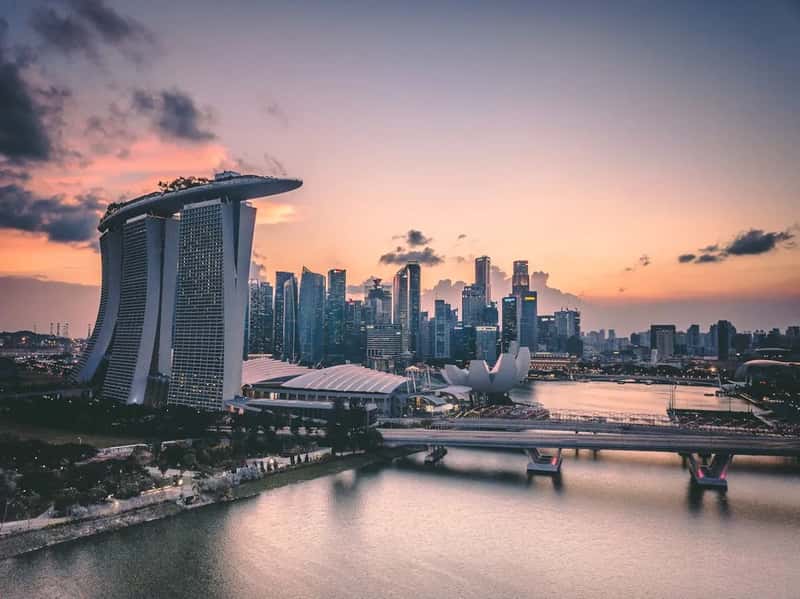
Singapore stands apart from the rest of this list because nature gave it very little to work with. Singapore has invested heavily in water technology to produce high-quality drinking water despite having limited natural freshwater reserves. Rather than relying on abundant lakes or glaciers, the city-state built an entire system around desalination, water recycling, and rainwater catchment.
That engineering-first approach has paid off in measurable ways. According to data tracked by global access indicators, Singapore has reached full population coverage for safe drinking water, a rare feat for a country with such limited natural resources. It’s proof that with enough investment, geography doesn’t have to be destiny when it comes to water security.
7. New Zealand
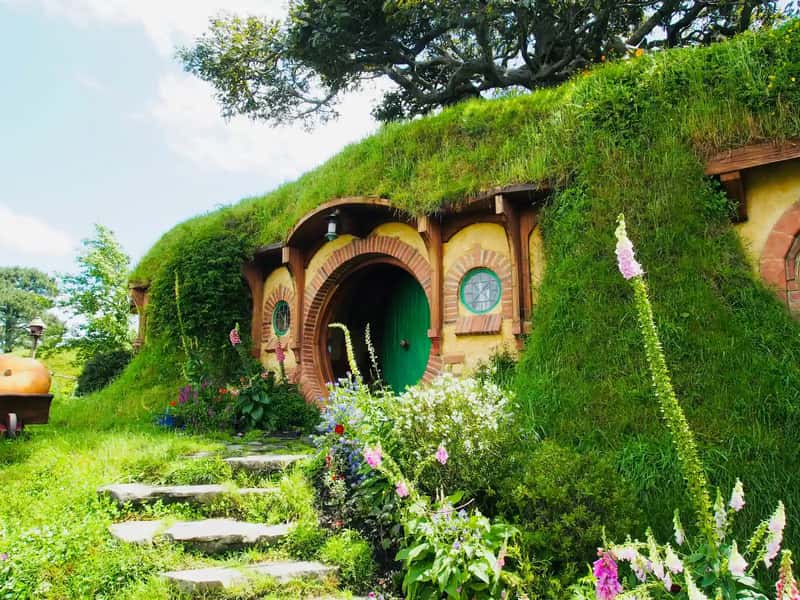
New Zealand’s isolation from major industrial centers works heavily in its favor. Surrounded by unspoiled natural landscapes, New Zealand offers some of the cleanest water on the planet. Low population density across much of the country also means less pressure on natural water sources compared to more densely packed nations.
Independent global rankings have reinforced this standing in recent years. A 2025 global cleanliness assessment reinforced this reputation, ranking Iceland as the cleanest country in the world, followed by Switzerland and New Zealand, with water quality as one of the core factors behind that score. Combined with strict environmental regulations, New Zealand continues to hold its place among the countries with the most reliable drinking water on the planet.
8. Austria
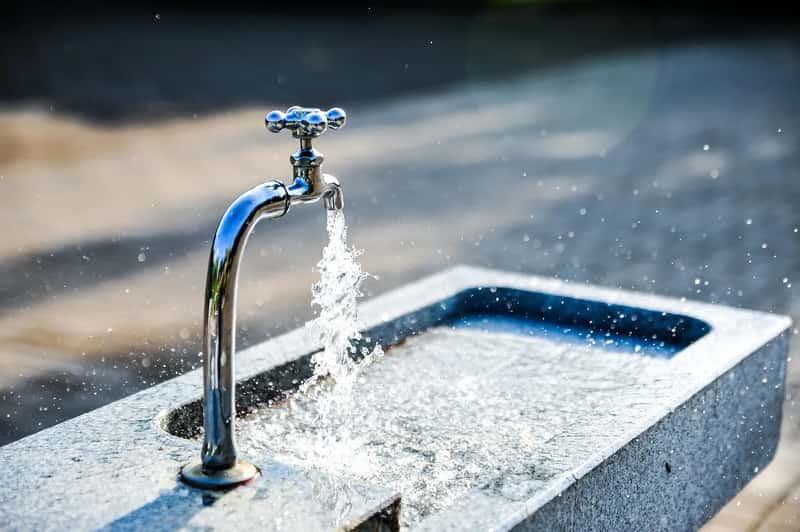
Austria’s water supply leans heavily on what’s already sitting underground. With 95% of its drinking water sourced from groundwater and natural springs, Austria is a standout in water quality. That natural abundance is only part of the picture, though, since the country backs it up with serious regulatory muscle.
Strict oversight keeps standards high across the entire supply chain. Strict legal standards and advanced infrastructure make Austrian tap water exceptionally clean and safe. Even without the dramatic glacier imagery associated with Iceland or Norway, Austria’s quieter groundwater system delivers results that hold up against any country on this list.
Clean drinking water tends to come from one of two places: nature doing most of the work, or human engineering stepping in where nature falls short. Iceland, Switzerland, Finland, Norway, Denmark, and Austria lean on geology and geography that most countries simply don’t have. Singapore proves the opposite path works too, turning scarcity into one of the most technically advanced water systems anywhere. New Zealand sits somewhere in between, benefiting from isolation and strict environmental stewardship rather than dramatic natural filtration alone.