With four years left before the 2030 deadline, a new study suggests the world may be nearer to protecting 30% of its land and waters than official records show. The Wildlife Society ([1]) reported on research that counts conservation areas the official tallies leave out. Its findings are encouraging, but they also come with caveats that matter for anyone who cares about wild places.
Two Numbers for the Same Planet
Official figures have held the share of protected land near 18.5%, a level that makes the goal look distant. The study, published in Nature, argues that this count misses a good deal of land already managed with wildlife in mind. Once those areas are included, the authors put the 2022 figure at 26.81% of the terrestrial world.
Helen O’Neill, the lead author and a postdoctoral researcher at the Institute of Zoology in London, said the analysis shows “much more of the land” falls under some kind of conservation designation than current records reflect. The gap between the two figures is what gives the study its weight.
What the Count Was Missing
Many of the overlooked sites are recorded in national files rather than in the global databases that governments and international bodies typically use. Some are parks and reserves, while others are lands managed by local communities. Because they appear outside the standard records, they have been easy to miss.
The authors are careful about the limits of their estimate. It draws on roughly a tenth of the world’s land, and coverage in some regions may be overstated or understated as a result. Some countries also lack the mapping needed to show all of their conservation areas, so the researchers consider their figure likely to be conservative.
Location is another unresolved question. The additional land often sits in places where protection is already strong, which means it may do little for ecosystems under the greatest pressure. The study does not identify where those areas are, leaving that analysis for future work.
Gaps in Habitat and Management
Even a higher total would not settle the matter. Researchers warn that the mix of protected ecosystems is uneven, with grasslands and shrublands underrepresented compared with other habitats. A target measured only in hectares or acres can hide those imbalances.
Bob Smith, the study’s lead investigator and director of the Durrell Institute of Conservation and Ecology at the University of Kent, pressed a related point. He argued that adding protected land will accomplish little unless those sites are effectively and fairly managed. In his view, the next phase of the effort should concentrate on how well existing areas perform.
Co-author Heather Bingham made a similar argument, noting that the target also calls for protected areas to be managed for biodiversity results and located where they can have the greatest effect. Designation alone, in other words, is only the first step.
A Wider Picture Beyond One Study
A 2026 global assessment from Campaign for Nature offers a broader view that is less optimistic about the sea. Its estimates suggest that existing government commitments could bring land protection close to 27% by 2030, which still falls short of the target.
Related Stories From Travelbinger

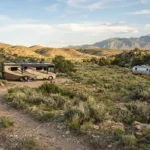

The United States is also making progress at the state level. California’s latest 30×30 update showed its share of land in conservation areas rising from 26.1% to 27.1% over the most recent year ([2]). For travelers, many of the parks and wild landscapes they visit sit within these networks, even when the designations are not widely advertised.
Ocean progress lags behind land
The most useful takeaway may be that the 30% goal is closer on paper than many assumed, yet the hard part lies ahead. Counting more land is a start, but the next four years will show whether those protected places are carefully run, well distributed, and truly safeguarding the wildlife they were meant to protect.