Travel lists tend to agree on more than their authors admit. When Lonely Planet, National Geographic, Frommer’s and a handful of independent writers all publish their 2027 picks within weeks of each other, certain names keep surfacing, and a few dates on the calendar do a lot of the work.
The order below is ours. It weighs how rare the reason to go is, how often respected editors flagged the place on their own, and how realistic a trip looks for an ordinary traveler. Treat it as a starting point rather than a verdict.
1. Luxor, Egypt

Just southeast of Luxor, at the point of greatest eclipse, totality will last 6 minutes 23 seconds.[1] That makes the August 2, 2027 eclipse the longest total solar eclipse on easily accessible land in the 21st century, and a longer one won’t occur until June 3, 2114.[2] Few travel reasons come with a deadline that firm.
Location matters here. The Giza Pyramids will see only a 95 percent partial eclipse, and Aswan misses totality too, while ancient Thebes, modern Luxor, sits very close to the point of greatest eclipse.[1] Weather is also on your side, since cloud cover is zero from Siwa Oasis to Asyut on the Nile[3], according to eclipse meteorologist Jay Anderson’s climatology. National Geographic also put Luxor on its 2027 list.
2. Southern Spain and the Eclipse Coast
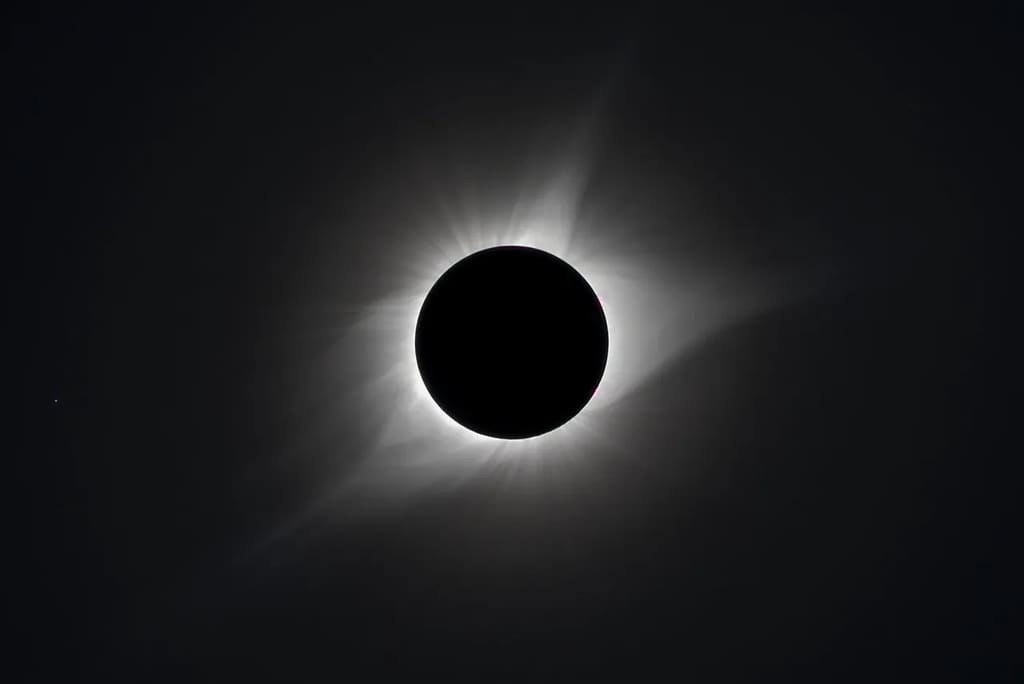
Not everyone wants to fly to Upper Egypt in August. Southern Spain gets between two and nearly five minutes of totality[4], and Tarifa sits at the long end with 4 minutes 39 seconds.[1] It’s the easier option for most European and North American travelers.
The catch is crowds. The path runs straight through the Costa de la Luz, the Campo de Gibraltar and the Costa del Sol, three of the busiest areas in Spain in August.[4] Beyond the eclipse, Spain has other 2027 draws: Lonely Planet picked León[5], and Frommer’s says 2027 is a great year to walk the Camino de Santiago.[6]
3. Normandy, France
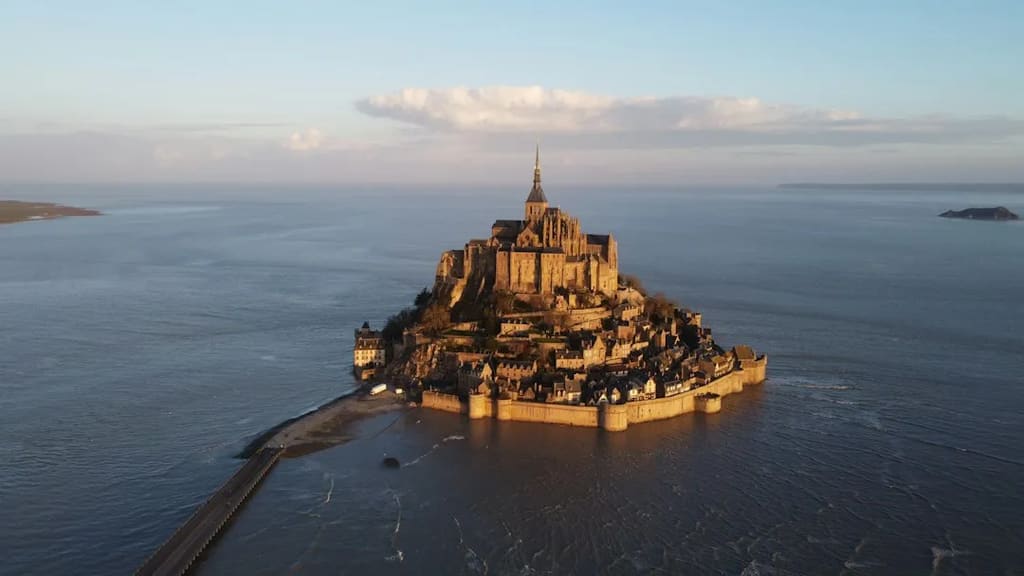
Normandy already draws history travelers for the D-Day beaches and the Bayeux Tapestry. In 2027 it has an extra anchor. National Geographic notes the region will celebrate 1,000 years since the birth of William the Conqueror.[7]
That anniversary gives the region a fresh storyline beyond the wartime sites most visitors know. It suits a slower trip with a rental car, small towns and a lot of coastline. Expect anniversary events to add to the usual summer crowds, so booking early is sensible.
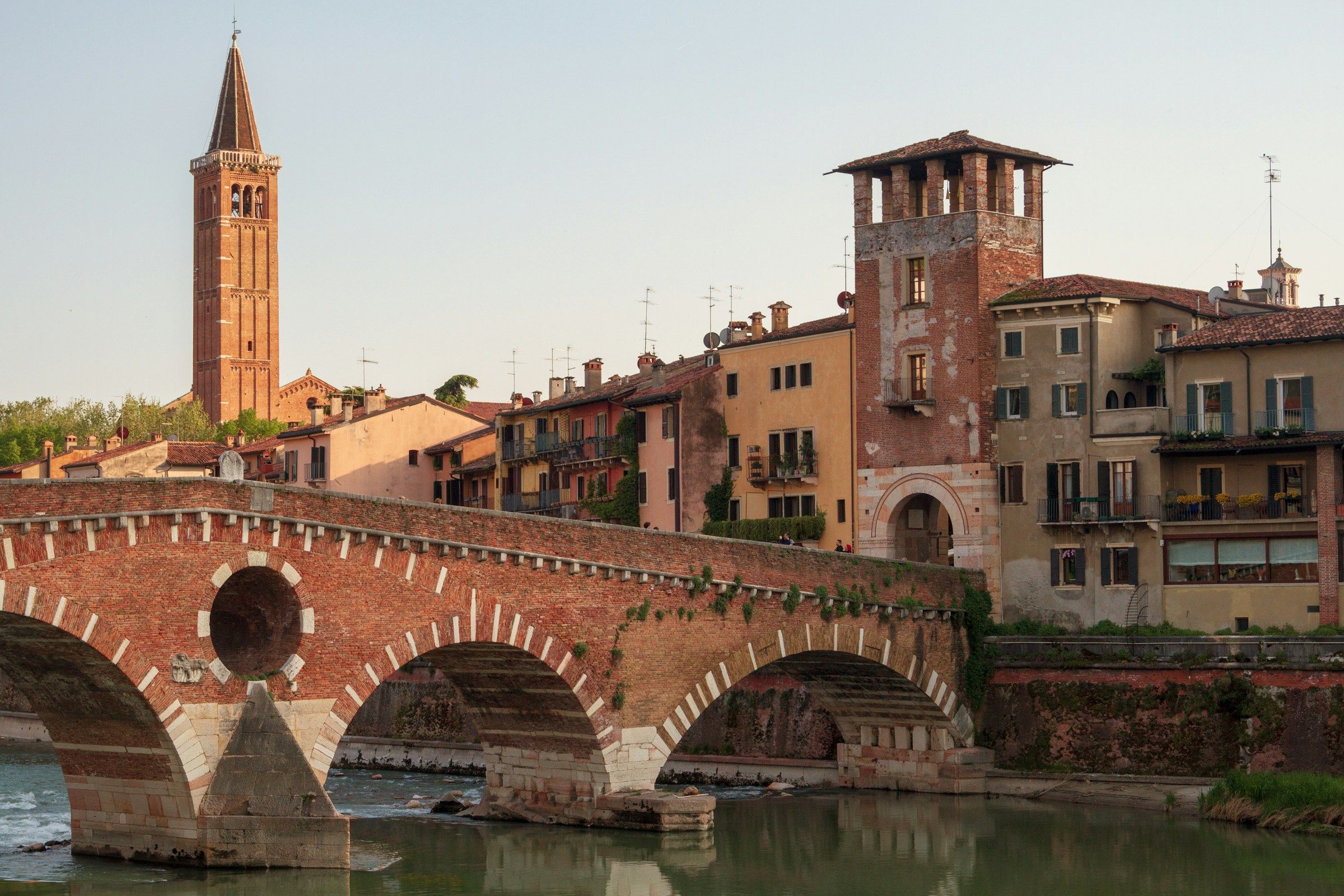
4. The Veneto, Italy
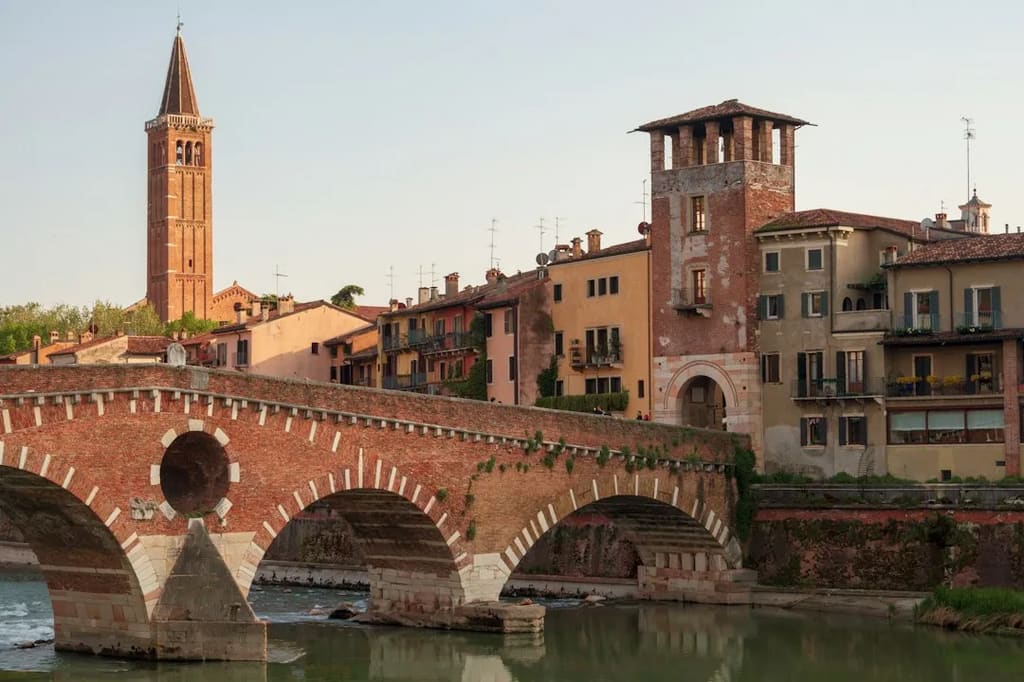
Venice gets the attention, yet the surrounding region is where Lonely Planet sends people. The Veneto is best known for Venice but also holds the Dolomites, Lake Garda and Renaissance cities like Verona and Padua.[5] CNN’s roundup describes it as an underrated region[8].
The appeal is range. You can pair a canal city with alpine hiking and lake swims in a single trip, and the train links between the main cities are straightforward. It’s a practical way to enjoy Italy without spending every day in the busiest piazzas.
5. Québec, Canada

Québec leads Lonely Planet’s list of North American picks for 2027. The guide credits it with a mix of European charm, French-Canadian culture and dramatic wilderness.[5] That combination is hard to find so close to so many US and Canadian cities.
A trip can run from the old streets of Québec City to long drives through forest and coast. Winter and fall both work, though they feel like two different places. For travelers who want a passport stamp without a long flight, it’s a strong pick.
6. Uzbekistan

Frommer’s made the boldest call of the major lists. It says Uzbekistan is poised to become the “it” destination thanks to two developments that have greatly improved the logistics of visiting.[6] The details are in Frommer’s full write-up.
The draw is the Silk Road cities of Samarkand, Bukhara and Khiva, with their tiled domes and old caravan trading quarters. Easier logistics tend to bring crowds, so going sooner rather than later is the usual logic. Check current visa and transport rules before you commit, since those are exactly what’s changing.
7. Chengdu, China

Chengdu shows up on two of the biggest 2027 lists, which is the strongest sign of consensus here. National Geographic includes it[7], and Lonely Planet points to its tea houses, street style and laid-back attitude.[5]
Pandas are the obvious hook. The city is renowned for its Research Base of Giant Panda Breeding, and it is also a celebrated gastronomical center.[8] Go hungry, and plan a few unhurried afternoons in the tea gardens.
8. Rabat, Morocco

Marrakech and Fes get the headlines, so Rabat feels like a quieter choice. Lonely Planet describes the UNESCO World Heritage city as a coastal arts and culture hub where Morocco’s past and present are intertwined through architecture, artisans and annual festivals.[9] It also offers atmospheric gardens, a modern skyline and soft sand surf beaches.[5]
The recognition is piling up. Time Out named Rabat’s L’Ocean District the second coolest neighborhood in the world.[9] It’s an easy city to walk, with a medina, a kasbah and the Atlantic all within reach.
9. Tsavo East and West, Kenya
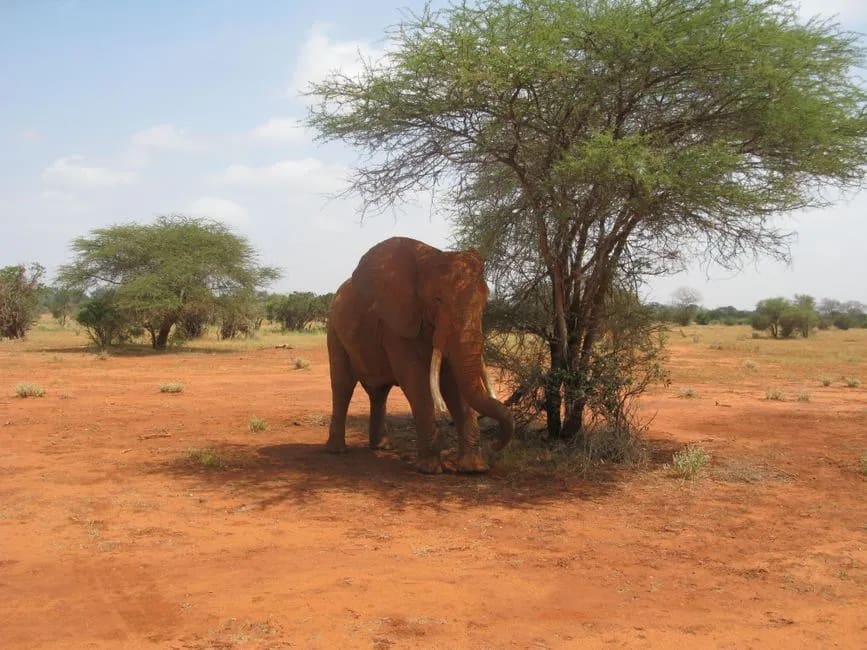
Kenya’s Tsavo parks are less polished than the Maasai Mara, which is part of the charm. Together they form Kenya’s largest protected wilderness, around four percent of the country’s land.[9] Lonely Planet put them on its 2027 list.
The wildlife is serious. Visitors can see red elephants, lions, cheetahs, giraffes, hippos and black rhinos.[9] Tsavo suits travelers who want space and fewer vehicles at each sighting.
Practical Notes Before You Book

The eclipse trips need the most advance work. Early August is peak season on the Andalusian coast, which books up for reasons unrelated to the eclipse[10], so lock in lodging early. For viewing, ISO 12312-2 glasses are the standard to look for.[10]
Heat is the other detail people underestimate. The partial phases last more than two hours, in August, in some of the hottest places in the world.[11] Carry at least two litres of water per person in Spain, and considerably more in Egypt.[11]