Most people pick a destination for the sights first and the food second. The drink in your glass usually comes last, if it comes up at all. Yet for a certain kind of traveler, what’s poured at the table can decide the whole route.
Some places are built around the brewery, the beer hall and the corner pub. Others are shaped by hillsides of vines and cellars cut into rock. Here’s a practical look at ten destinations, sorted by what you’d probably rather be drinking when you get there.
Czechia, for People Who Want the Source of the Lager
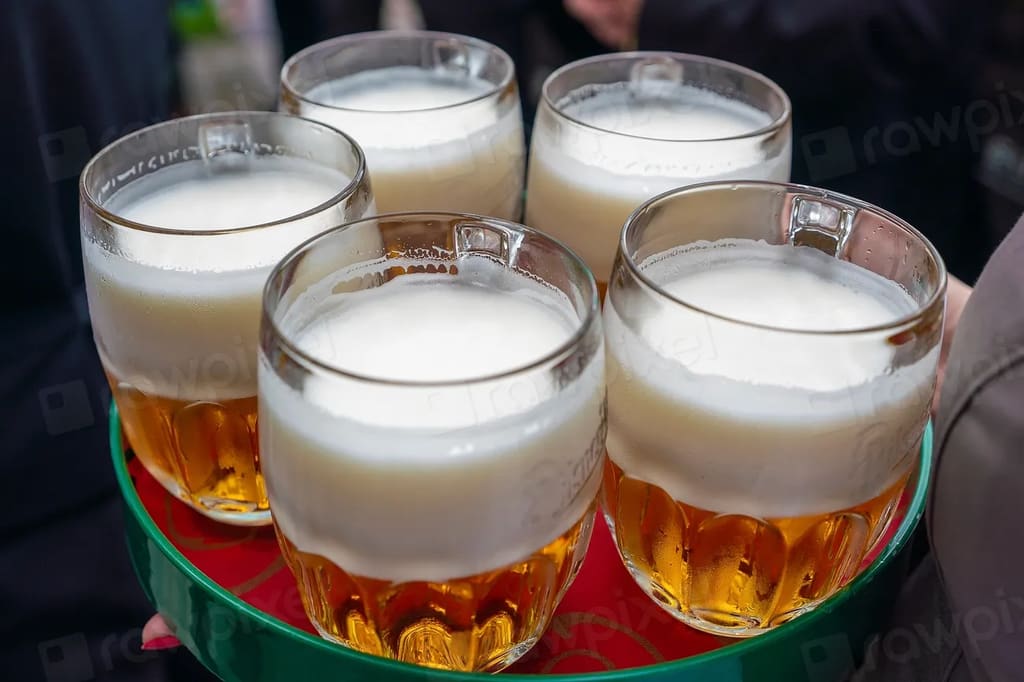
Czechia has led the world in beer drinking per person for 32 years running, according to the national brewers’ association. That’s true even after 2025’s dip to 121 liters per capita.[1] The figure is still almost double the European Union average of 67 liters a year.[2]
The country is also where the pale lager began. Pilsner Urquell is described as the world’s first pale lager, and brands like Budweiser Budvar and Gambrinus carry the tradition on.[3] One detail worth knowing before you go: only 28 percent of domestic beer consumption happened in pubs and restaurants in 2025[1], so the national habit increasingly plays out at home as well.
Munich, for the Big Beer Hall Experience
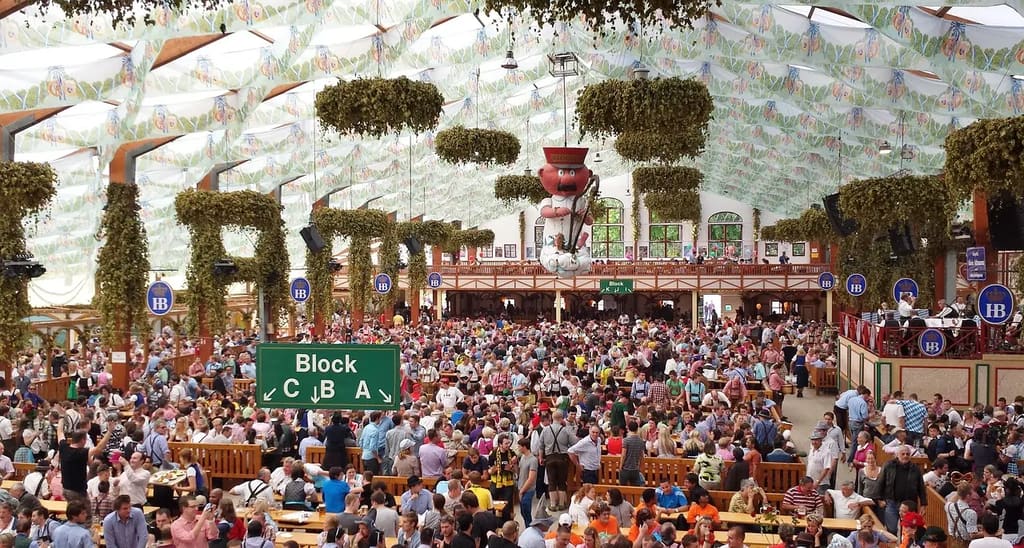
Oktoberfest is the obvious draw, and the numbers are huge. The 2025 festival ran 16 days and drew around 6.5 million guests to the Theresienwiese.[4] Hosts estimated beer consumption at about 6.5 million liters, down from 7 million in 2024.[4]
It’s more international than you might expect. Roughly one fifth of visitors came from abroad, mostly from countries such as the United States, Italy and the United Kingdom.[5] Budget accordingly, since a one liter Maß cost between €14.50 and €15.80 in 2025.[6] I could only verify full figures through 2025, so check the latest festival dates and prices before you book.
Belgium, for Drinkers Who Like Variety
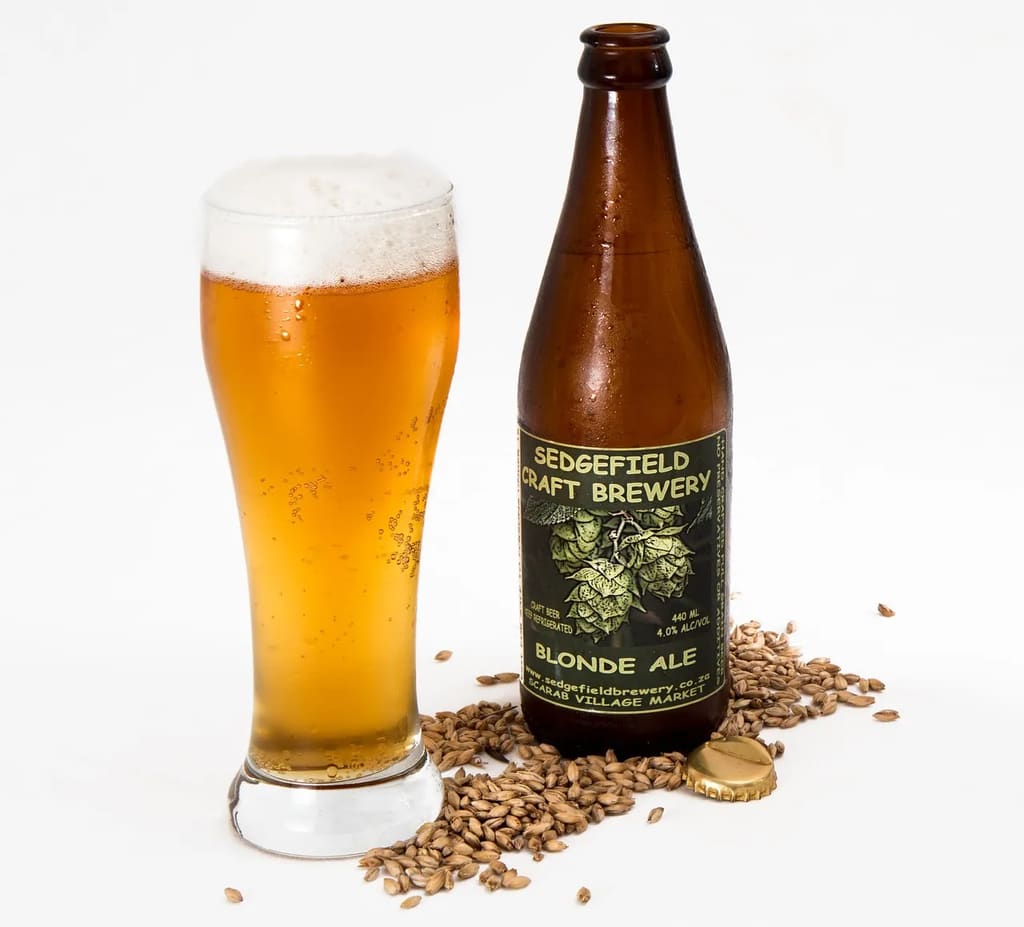
Belgium suits people who’d rather sample than commit to one style. UNESCO inscribed beer culture in Belgium on its Representative List of the Intangible Cultural Heritage of Humanity[7], and one source counts over 1,600 unique Belgian beers.[8] Brewery counts vary by source, with Brussels tourism citing some 200 breweries[9] while another guide says more than 400.[10]
Brussels adds a rare specialty. Cantillon was founded there in 1900 and makes Gueuze Lambic through spontaneous fermentation, a beer tied to the Senne valley.[9] Belgium is also known for cooking with beer, from flavorful sauces to beer washed cheese[11], so the menu is part of the trip too.
Bordeaux and Beyond, for Classic French Wine
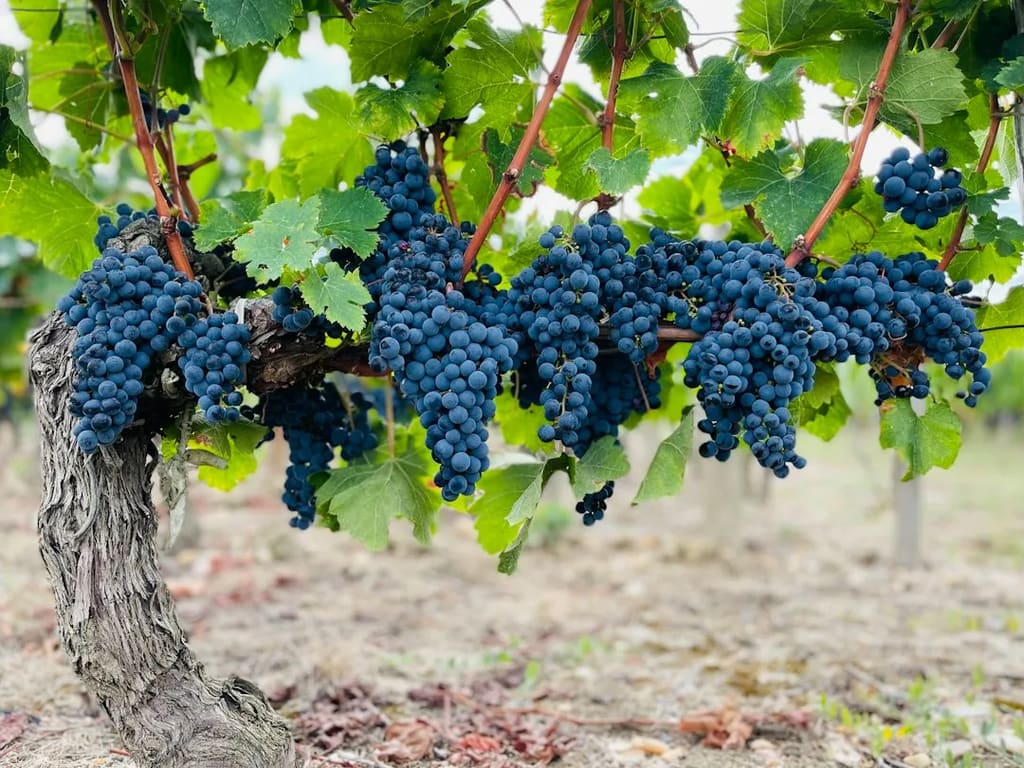
Bordeaux keeps its reputation honestly. It’s described as a global capital of wine, balancing tradition with cultural innovation.[12] In a wine travel survey, Bordeaux tied with Tuscany for second place on travelers’ wish lists, behind Piedmont.[13]
France offers quieter options too. Alsace sits on the northeastern border with Germany and is one of the most historically and culturally rich wine regions in the world.[14] Jura, tucked between Burgundy and the Swiss border[14], was also picked by sommeliers as an underrated choice in 2025.
Italy, for Wine With Scenery Built In

Italy handles wine travel at scale. A Nomisma report found that more than 138 million tourists visited Italy in 2025, and Italian wineries earned €3.1 billion from wine tourism activities.[15] That 138 million covers all visitors, not only wine travelers, so read it as context for how busy the country is.
Where you go depends on your taste. Tuscany is known for medieval villages and wines like Chianti and Brunello di Montalcino.[16] Piedmont led the wish list in that survey[13], and Etna in Sicily appears on one 2026 list of regions to visit.[17]
Rioja and the Douro, for Iberian Wine Trips
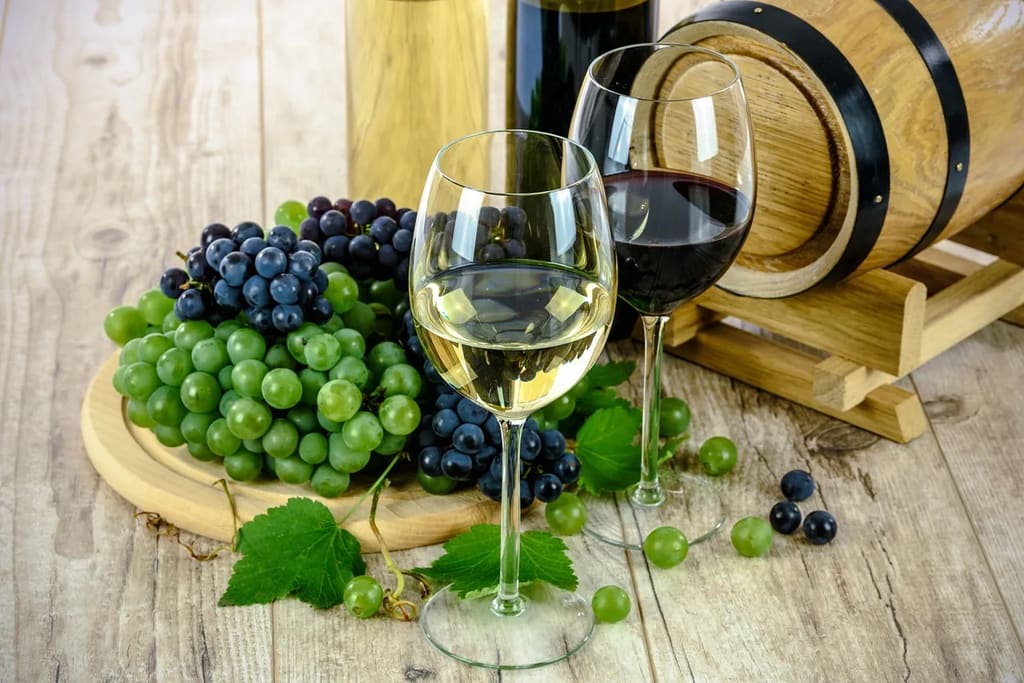
Spain’s Rioja works well if you like a bit of culture between tastings. It blends centuries old winemaking traditions with modern innovation.[12] The Vivanco Museum of Wine Culture offers an interactive look at the region’s history.[12]
Portugal’s Douro Valley is a strong pick for scenery. It winds along the Douro River and is one of the world’s oldest demarcated wine regions.[18] Expect boutique hotels in converted estates, chef led tastings and guided walks among old vines.[18] One 2026 guide calls it one of Europe’s best value wine travel destinations.[17]
Napa, Sonoma and Oregon, for a Wine Trip Without a Passport

American wine country is easy to reach for many readers. Napa Valley has become one of America’s top wine tourism destinations, thanks to luxury experiences and constant innovation.[12] In a travel survey, though, Sonoma took the top spot for most visited wine region, helped by proximity, affordability and reputation.[13]
Oregon is worth a look if Pinot Noir is your thing. The Willamette Valley has more than 700 wineries, and one guide says its Pinot rivals Burgundy at a fraction of the price.[17] Sommeliers also flagged the Finger Lakes of upstate New York as an up and coming region.[14]
South Africa and Argentina, for Value in the Southern Hemisphere
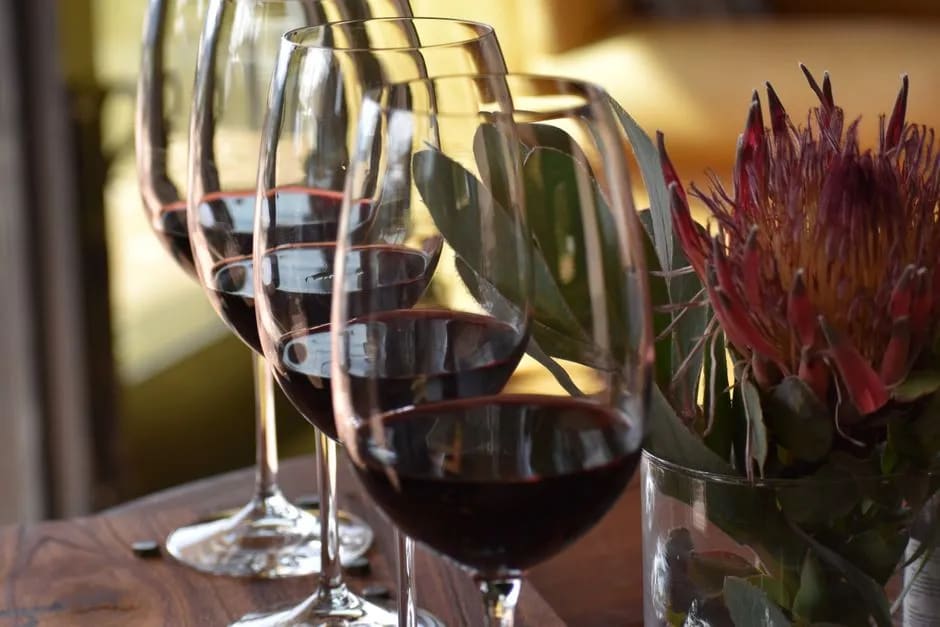
South Africa topped one 2025 ranking of wine tourism destinations. Titan Travel scored countries on bottle prices, number of wine tours, tasting costs and online search interest.[19] South Africa earned 8.38 out of 10 and offered 279 different wine tours.[19]
Money goes further here than in much of Europe. One 2026 guide says Stellenbosch and Swartland offer world class wines with exchange rates favorable to international visitors.[17] Mendoza in Argentina appears on the same list[17], which makes the Southern Hemisphere a sensible choice for travelers watching their budget.
Georgia and Mexico, for Wine Off the Usual Path

Georgia is for people who like their wine with deep history. Kakheti is considered the birthplace of wine, with evidence of winemaking dating back 8,000 years.[12] The region still ferments wine in buried clay qvevri jars, a method UNESCO recognizes as intangible cultural heritage.[12]
Closer to the United States, a sommelier survey by Wine Spectator named Valle de Guadalupe in Baja California as the most underrated wine region to visit.[14] Sardinia also made that list of sommelier favorites. These picks suit travelers who’ve already done the famous names and want something less crowded.
Germany, for the Undecided
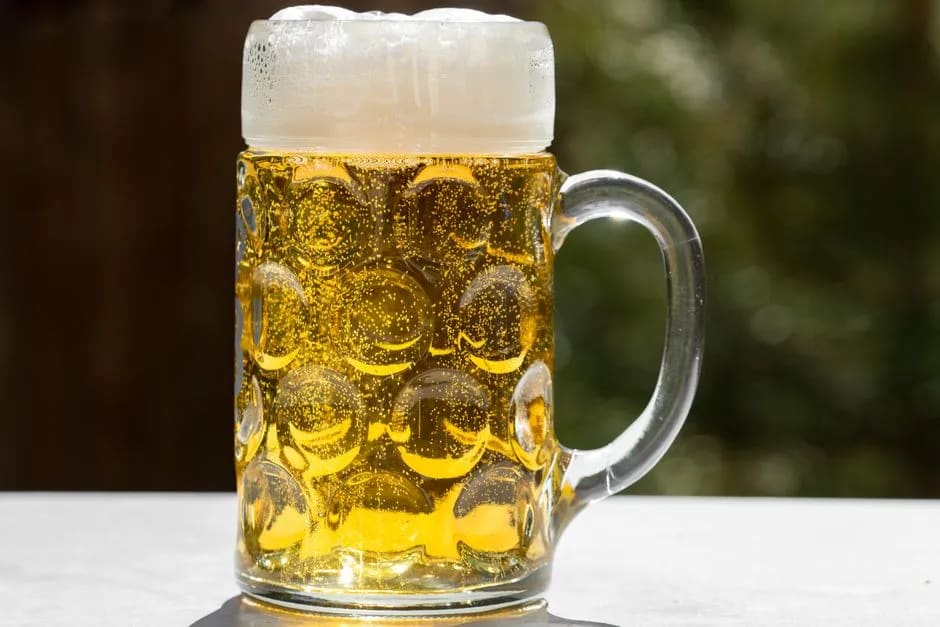
If you can’t pick a side, Germany lets you avoid choosing. Beer is the obvious draw, though the market is shifting. German brewers reported that alcoholic beer sales fell by roughly six percent in 2025, while alcohol free beer output rose by about eight percent.[20]
Wine fits into the same trip. The Mosel appears on one list of the ten best wine regions to visit in 2026.[17] Pair a few days in Bavaria with a stop along the Mosel and you’ve covered both glasses in one country.
Choosing Your Glass
Beer drinkers have strong cases in Czechia, Munich and Belgium, each offering a different style of drinking. Wine drinkers can build a trip around France, Italy, Spain, Portugal, the United States, South Africa or Georgia. Check festival dates and harvest seasons before booking, since both shape what a visit feels like.