You’ve probably watched someone glide through a checkpoint while you wrestled with a belt, a laptop and a bag of tiny shampoo bottles. It rarely comes down to luck. Most of the time, it’s a handful of small routines that have become automatic.
The rules have also shifted a lot since 2025, which makes this a good moment to look at what actually works. Here are the habits that seem to separate the smooth travelers from the scrambling ones, based on current TSA guidance and recent reporting.
They Join an Expedited Screening Program
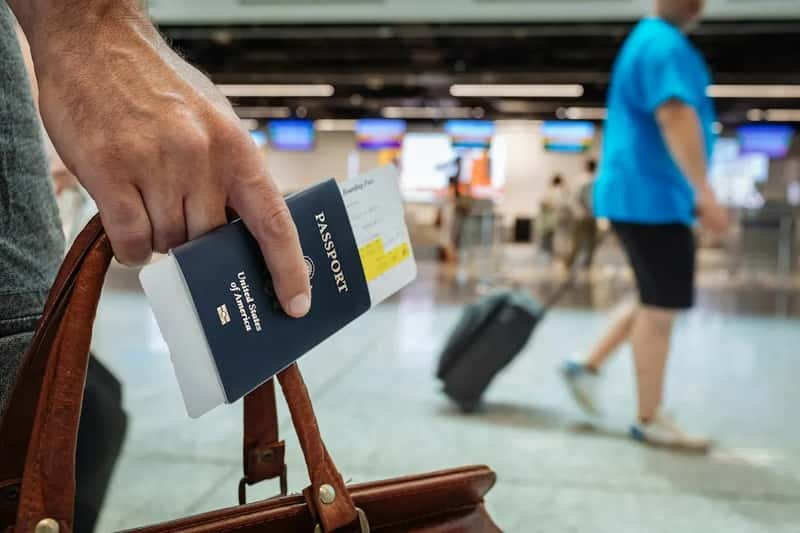
The easiest way to move faster is to pay once and skip much of the hassle. TSA PreCheck has let travelers keep their shoes on since 2013, and the program says average waits run under ten minutes.[1] The standard cost was $78 every five years[1], though providers can now set their own fees within federal guidelines[2], so it pays to compare.
The practical payoff goes beyond the line itself. With PreCheck you don’t need to remove your shoes, laptops, liquids or belts.[3] That means far less repacking, and lanes operate at more than 150 airports nationwide.[4] Frequent flyers tend to treat it as a cheap piece of insurance.
They Check Their ID Weeks Before the Trip
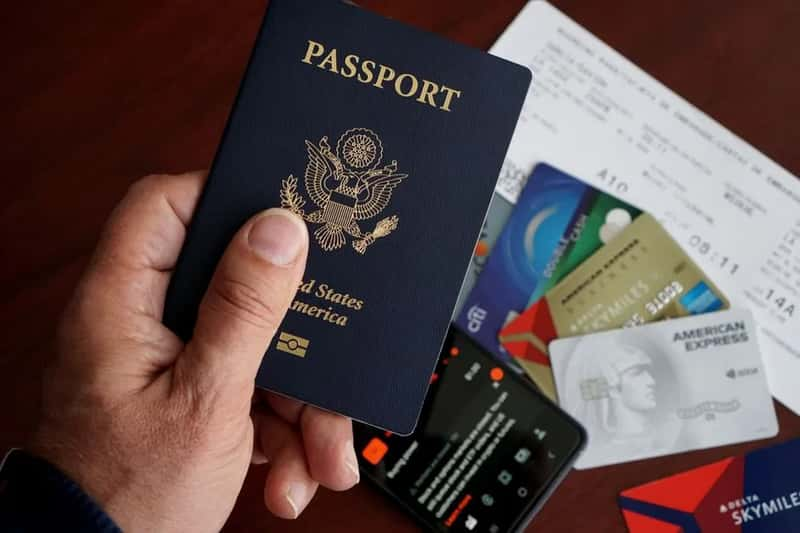
Seasoned travelers don’t wait until the checkpoint to learn their license is out of date. Since May 7, 2025, a REAL ID, a passport or another accepted document has been required for domestic flights.[5] A quick look for the star on your card, or a call to your state motor vehicle office, settles the question.
The stakes went up in 2026. Starting February 1, adults who try to fly domestically without acceptable ID face a $45 fee[5] for TSA’s ConfirmID process. It can take ten to thirty minutes, and TSA warns that verification is not guaranteed.[6] TSA said roughly six in every hundred travelers lacked acceptable ID[5] when it announced the fee.
They Use a Digital ID or Touchless Option When It’s Available
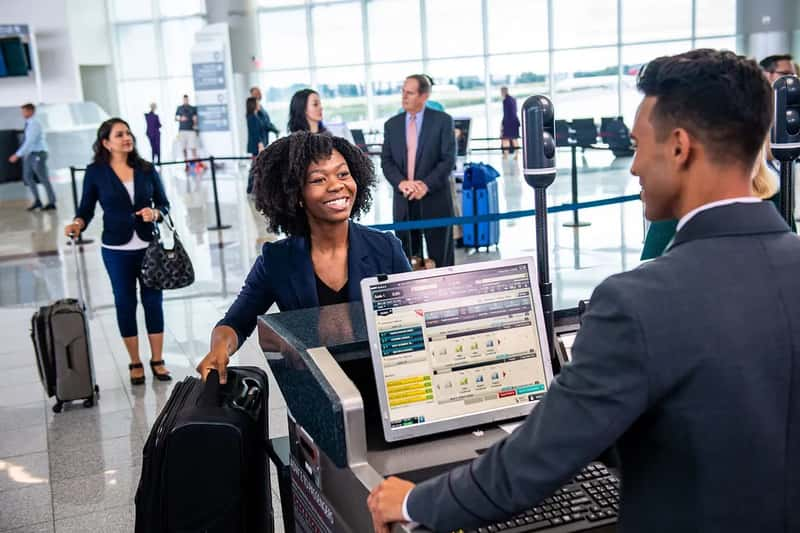
Some of the fastest travelers barely touch a card at all. TSA accepts certain mobile driver’s licenses issued by states approved for federal use[7], and the digital license must be based on a REAL ID, an enhanced license or an enhanced ID card.[7] Adoption is growing, though coverage depends on your state and airport.
PreCheck members have another route. With Touchless ID, eligible travelers can verify their identity through facial comparison instead of presenting a physical ID at participating checkpoints.[8] The rollout isn’t even, though. The experience can vary a lot from one checkpoint to the next[9], so smart travelers still keep a physical ID handy.
They Pack Liquids Where They Can Grab Them
The liquids rule hasn’t changed, and people who breeze through don’t fight it. Passengers may bring containers of 3.4 ounces or less in one quart sized resealable bag, with one bag per person.[10] A half empty large bottle still doesn’t qualify, since the limit applies to container size.
The habit that matters is placement. Keeping the liquids bag in an outer pocket lets you pull it out in one move.[11] At lanes with newer scanners you may not need to, but it costs nothing to be ready.
They Wear Shoes and Clothing That Cooperate
Footwear used to be the biggest time sink in the line. As of July 8, 2025, TSA no longer requires passengers to remove their shoes at checkpoints nationwide.[12] That doesn’t mean every pair is a free pass.
Shoes can still come off in some cases. Passengers may be asked to remove them for additional screening if they trigger scanner or metal detector alarms.[1] Thick soles and metal in footwear can also set off alarms[13], so people who travel often pick simple shoes. Many also put the belt, watch and loose coins in their bag before joining the line.[11]
They Empty Their Pockets and Prep Devices Early
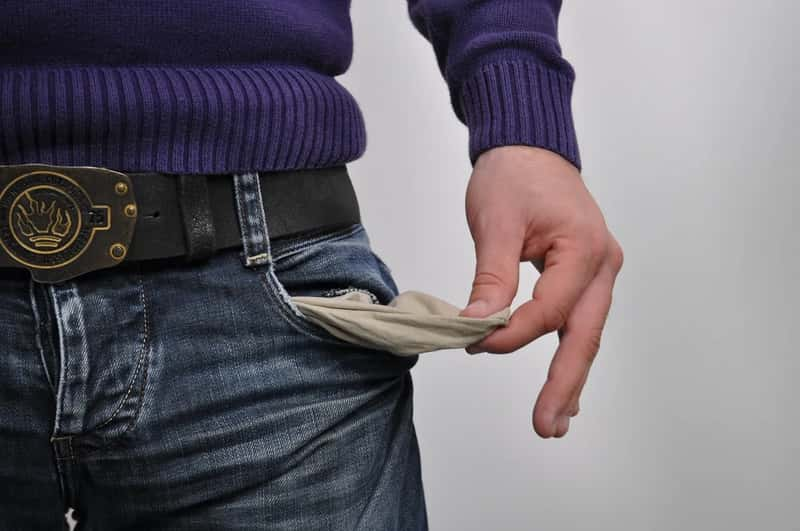
You can spot these travelers by what they do in the minute before the conveyor belt. TSA’s checklist says pockets should be empty of keys, tissues, currency, wallets and phones.[14] Those items go into the carry on bag, not the bin, which avoids a second pass through the metal detector.
Electronics get the same treatment. In standard lanes, devices larger than a cell phone come out of the bag and go into a bin with nothing on or under them.[14] Putting your laptop and power bank on top of your carry on contents[11] means no digging when it’s your turn.
They Read the Lane Before They Unpack
Security isn’t identical from one airport to the next anymore. In a CT equipped lane, travelers can generally leave laptops and travel size liquids inside their carry on bag.[15] The machine builds a detailed 3D image that officers can rotate and inspect from different angles.[15]
The sensible move is to follow the signs and the officer, not assumptions from your last trip. TSA still tells travelers to follow the liquids rule, and ordinary containers must be 3.4 ounces or less.[15] Pack to that limit, then follow the instructions in your lane[15], and you’ll be fine wherever you land.
They Speak Up About Medical Items and Exempt Liquids

Items that are allowed in larger amounts can still slow you down if the officer doesn’t expect them. Baby formula, breast milk and juice for infants are permitted in quantities above 3.4 ounces, but must be declared for additional screening.[16] Surprises tend to cause the longest pauses.
The same goes for medication. Medically necessary liquids don’t need a zip top bag, but you should tell the officer at the start of the checkpoint process.[10] They are subject to additional screening that could include opening the container[10], so people who travel with them plan a few extra minutes and keep everything clearly labeled.