Behind many familiar faces on the big screen sits a story that never makes it into the trailer. Long before the red carpets and film premieres, several of Hollywood’s most recognizable stars spent their childhoods or early adulthood fleeing war, revolution, or persecution, arriving in America with little more than what they could carry.
Their paths to fame varied wildly, from modeling agencies to acting classes to sheer accidental discovery, but the common thread is displacement. These are eight performers whose refugee origins shaped who they became long before anyone knew their names.
Andy Garcia, fleeing Castro’s Cuba as a small child
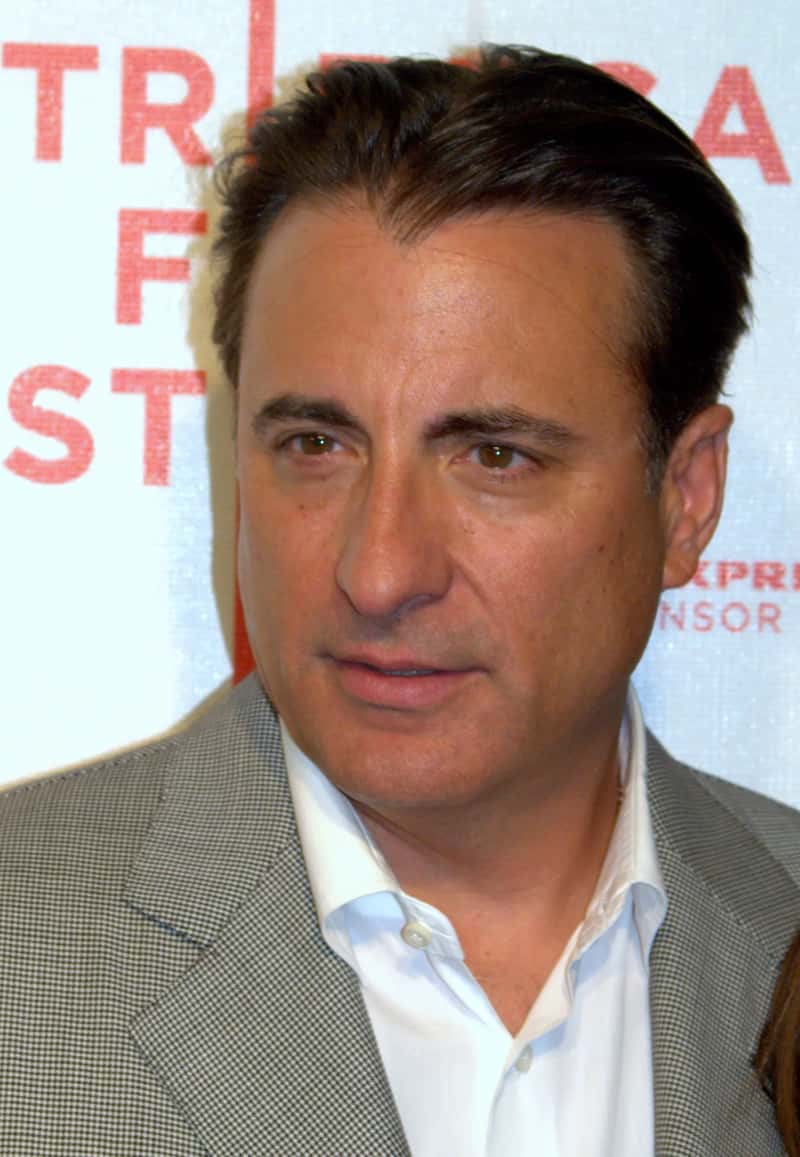
Andy Garcia was born in Havana in 1956, just a few years before the revolution that would upend his family’s life. García, born in Havana in 1956, two years after the revolution’s onset, fled Cuba with his family in 1961 amid the regime’s consolidation of power, an experience that informed his lifelong opposition to its totalitarian structure. His father had been a lawyer and landowner before the new government stepped in. His father, a lawyer and landowner, had properties confiscated by the state following the 1959 nationalizations, which targeted private holdings without compensation and exemplified the regime’s suppression of individual rights.
The family eventually settled in South Florida, starting over with almost nothing. Amidst the calamity, García’s family packed up and relocated to Miami, Florida, when he was only five. He would go on to earn an Academy Award nomination for his role in The Godfather Part III, a career milestone that traces back to a childhood spent adjusting to a brand new country. Garcia has remained outspoken about Cuba’s political history throughout his career, often drawing on that early upheaval in interviews and in his own directorial work.
Gloria Estefan, an infant refugee from Havana

Gloria Estefan’s family left Cuba in 1959, when she was barely more than a year old, as the Castro government seized control of the island. Her father had worked as a bodyguard connected to the pre-revolutionary government, which made the family’s situation especially precarious once the new regime took hold. They resettled in Miami among the wave of Cuban exiles who reshaped that city’s culture in the decades that followed.
Estefan grew up in Miami’s tightly knit Cuban American community, eventually becoming one of the most successful crossover artists in American music and film history. Her career, spanning chart topping albums, film scoring work, and acting credits, has always carried an undercurrent of that early exile experience. She has spoken publicly for years about the importance of preserving Cuban American identity and honoring the generation that fled with her family.
Milla Jovovich, out of the Soviet Union at age five
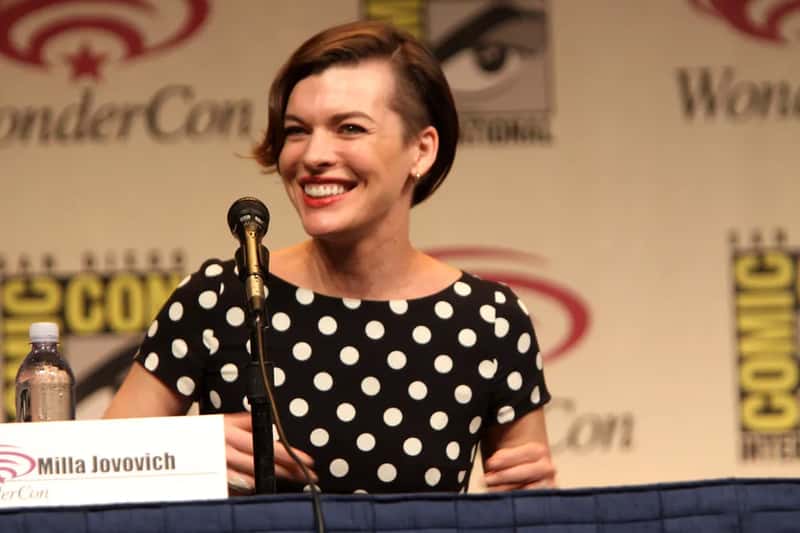
Milla Jovovich was born in Kyiv in 1975, the daughter of a Serbian doctor and a Soviet actress. When Jovovich was five years old, her family emigrated from the Soviet Union to London in 1981 for political reasons. They then moved to the United States and lived in Sacramento, California, before moving to Los Angeles seven months later. The move was not a career decision but a political necessity, driven by pressures the family faced under Soviet rule.
Life in Los Angeles started rough. Both parents served as cooks and housekeepers for director Brian De Palma. Her parents’ marriage did not survive the transition either, complicated further when her father ran into legal trouble years later. Her parents separated, and eventually divorced, because her father was arrested and spent several years in prison. Jovovich would go on to become one of action cinema’s most bankable stars through the Resident Evil franchise, a long way from those early years cleaning houses in Los Angeles.
Mila Kunis, leaving Chernivtsi on a religious refugee visa

Mila Kunis was seven years old when her Jewish family left Soviet Ukraine, driven out by antisemitism that had persisted for generations. Due to religious persecution, her family uprooted and immigrated to the U.S. when Kunis was seven years old. Their departure was made possible by a specific piece of American legislation. The Lautenberg Amendment, established in 1990, provided a critical legal pathway specifically designed for religious minorities seeking refuge from Former Soviet Union persecution.
The family arrived with almost nothing to their name. They came to the U.S. in 1991 on a religious-refugee visa and only $250 in their pockets. Kunis has spoken often about how disorienting that first year in America felt, given the language barrier and cultural shock of starting elementary school without speaking English. She went on to become one of the most bankable comedic actresses of her generation, known for roles in That ’70s Show, Black Swan, and Bad Moms, all while staying closely connected to her Ukrainian roots, especially since the outbreak of the war in 2022.
Shohreh Aghdashloo, escaping Iran on the eve of revolution
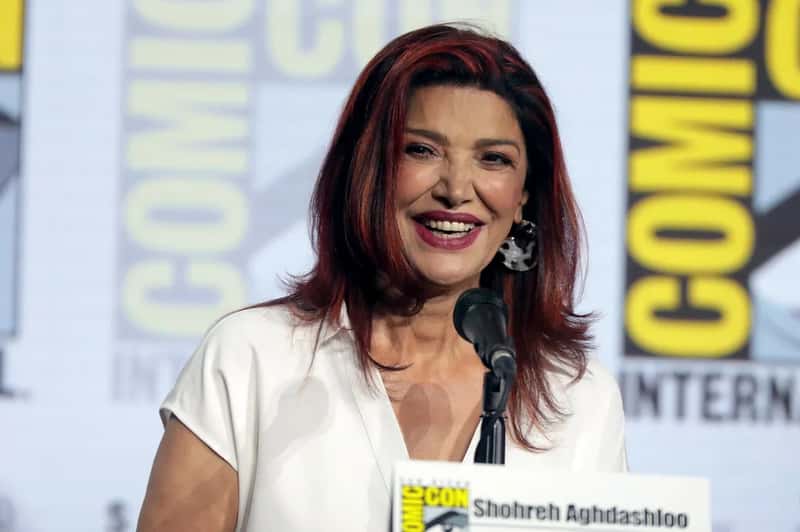
Shohreh Aghdashloo had already built a respected stage and film career in Iran when the 1979 revolution forced her hand. Her next two films garnered critical acclaim and established Aghdashloo as one of Iran’s leading ladies, although the films were banned in Iran itself. With her work suddenly outlawed and her personal safety in question, she left the country for England before eventually settling in the United States. Aghdashloo moved to England during the Iranian Revolution in 1979 and then to the United States, subsequently becoming a U.S. citizen.
She left with almost nothing, reportedly carrying just two suitcases and a small amount of cash when she boarded her flight out of Tehran. In 1979, with just two suitcases and $1,000, the 27-year-old actress boarded a flight to London, beginning an exile that would ultimately lead to Hollywood stardom. Decades of small roles eventually led to her breakout performance in House of Sand and Fog, which brought her an Academy Award nomination and made her the first Iranian American actor nominated for an Oscar. She has continued working steadily across film and television, including roles in The Expanse and Star Trek Beyond.
Hong Chau, born inside a refugee camp
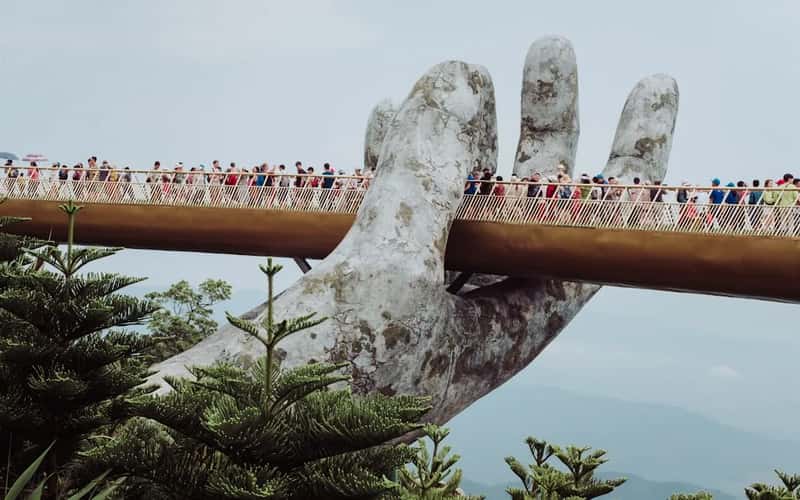
Hong Chau’s story begins even before her birth, when her parents fled Vietnam by boat in the final years of the 1970s. Hong Chau was born in a refugee camp in Thailand to parents who had fled Vietnam with Chau’s two elder brothers in the late 1970s. They were among the thousands of refugees who left the country by often unseaworthy vessels in the years after the collapse of the South Vietnamese government in 1975. The escape itself was harrowing for the family. Chau’s mother had been pregnant during the family’s escape, and her father, who had been shot by a guard as he left, was bleeding on the boat for three days.
The family was eventually sponsored and resettled in New Orleans, where Chau grew up attending public schools before studying film at Boston University. Her breakout role came years later in Downsizing, followed by widespread acclaim for her performance in The Whale. She is most known for her performance in the 2022 film The Whale, for which she was nominated for the Academy Award for Best Supporting Actress and other supporting-actress awards. Chau has become one of the more visible examples in Hollywood of a refugee success story built almost entirely on quiet, character-driven work rather than blockbuster fame.
Iman, exiled from Somalia during political upheaval
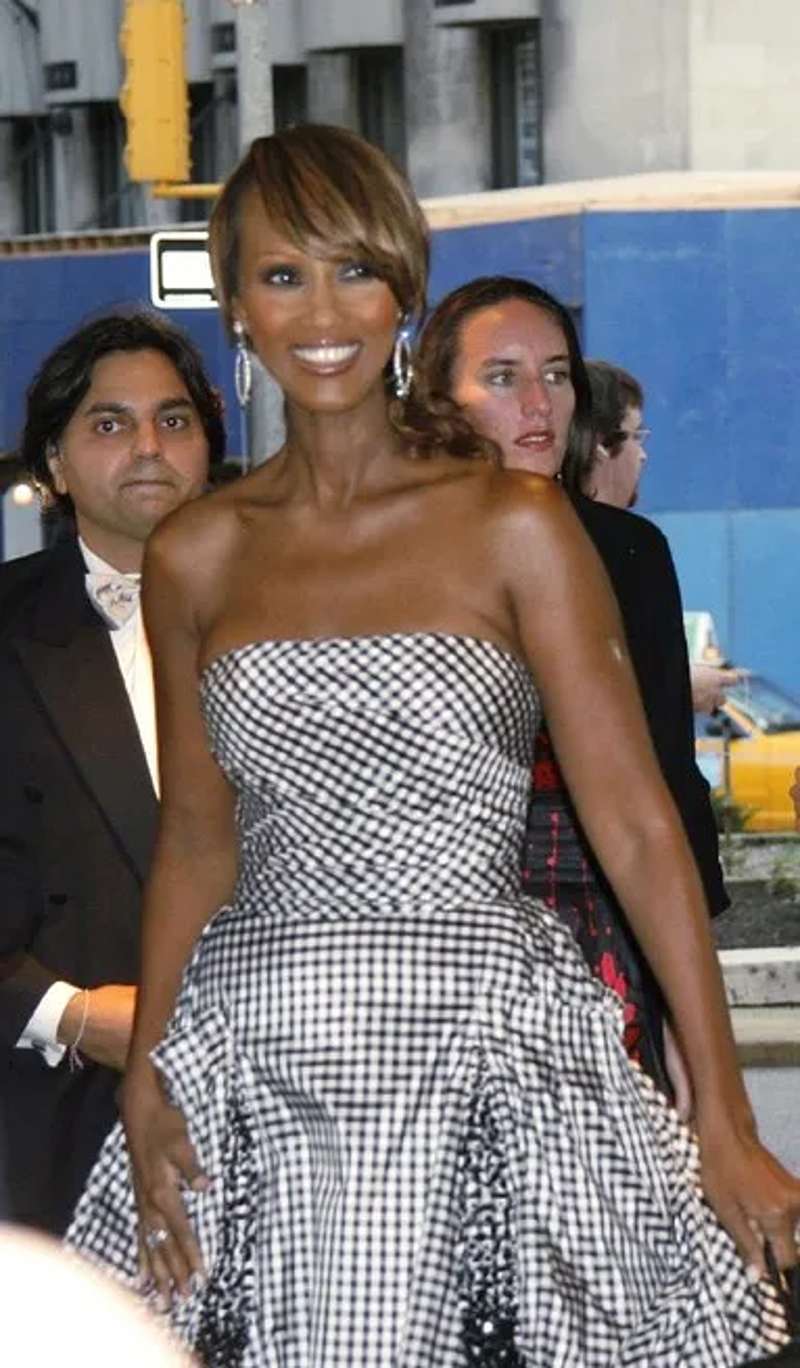
Long before she became one of the most recognizable supermodels in the world, Iman was a young woman fleeing political chaos in her home country. Born in Mogadishu in the mid-1950s to a family connected to Somalia’s diplomatic circles, she left the country amid the unrest surrounding the 1969 coup that toppled the civilian government. That departure sent her first to Kenya, where she lived as a displaced person before circumstances eventually brought her to the United States.
Iman went on to build a modeling career that broke barriers for Black women in fashion during the 1970s and 1980s, later crossing into film with roles in projects including Star Trek VI: The Undiscovered Country and House of Spirits. She has spent much of her later career as a businesswoman and humanitarian, frequently speaking about the instability she witnessed as a young woman in East Africa. Her journey from displacement to global fame remains one of the more unusual origin stories among performers of her era.
Dustin Nguyen, a child refugee after the fall of Saigon

Dustin Nguyen was a teenager in Saigon when the South Vietnamese government collapsed in 1975, forcing his family to flee the country along with hundreds of thousands of others in that same period. They eventually resettled in the United States, where Nguyen finished growing up far from the only home he had known. The transition meant learning a new language and adjusting to an entirely different culture during his formative years.
He found steady acting work through the 1980s before landing the role that made him a household name, playing Officer Harry Ioki on 21 Jump Street. The show turned him into one of television’s more recognizable young stars during that stretch of the decade. Nguyen has continued working in both American and Vietnamese film and television in the years since, occasionally reflecting in interviews on how his early experience as a refugee shaped his outlook on resilience and reinvention.