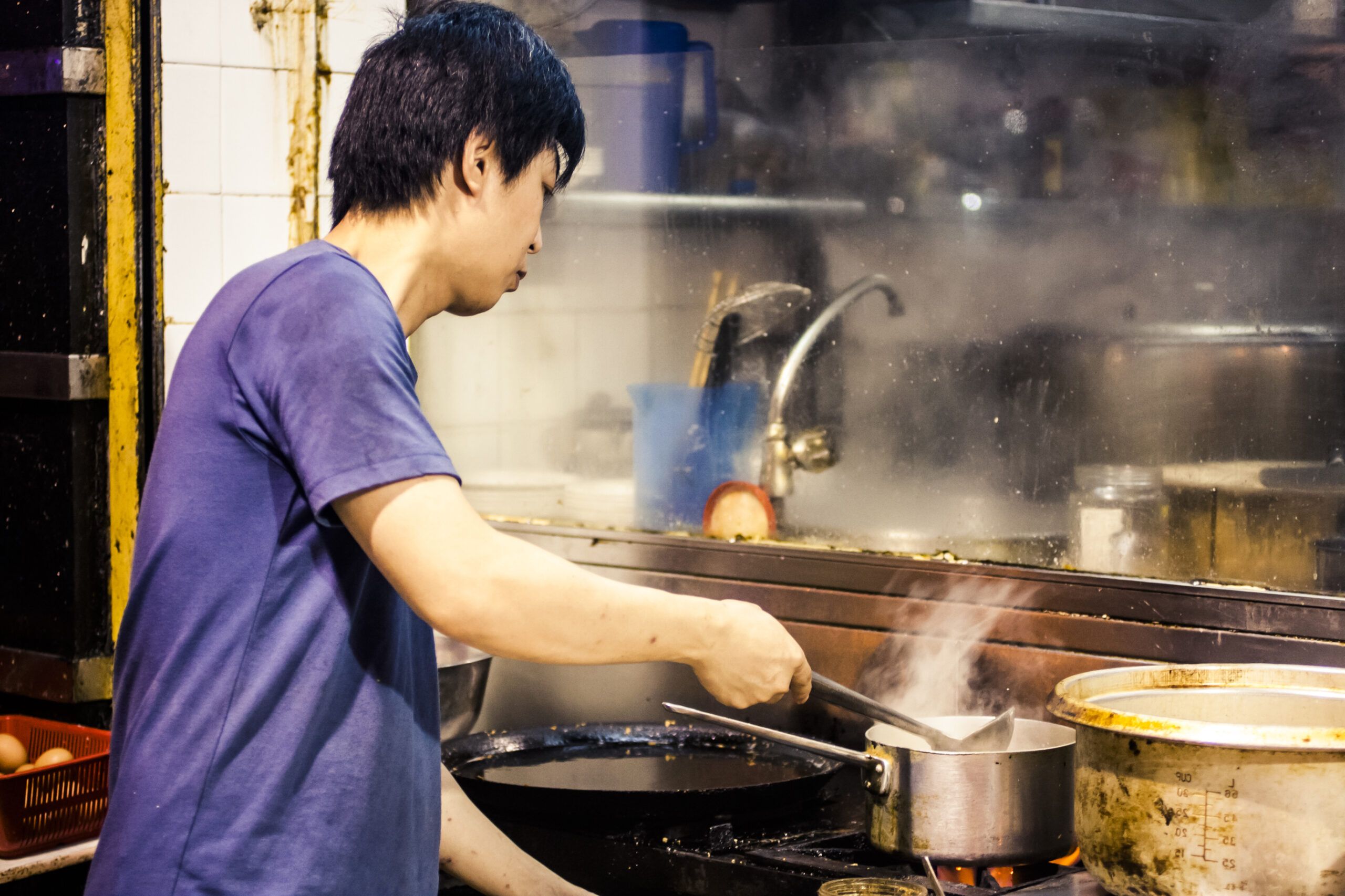
Most Western meals give each person a plate and a personal claim on it. A Chinese meal usually works differently. The dishes sit in the middle, everyone reaches in, and a lot of small signals about respect pass back and forth over the food.
Visitors don’t need to be perfect. Hosts tend to be forgiving when a guest is clearly making an effort. Still, a few habits carry real weight at the table, and it helps to know them before your first banquet or family dinner.
Wait to Be Told Where to Sit
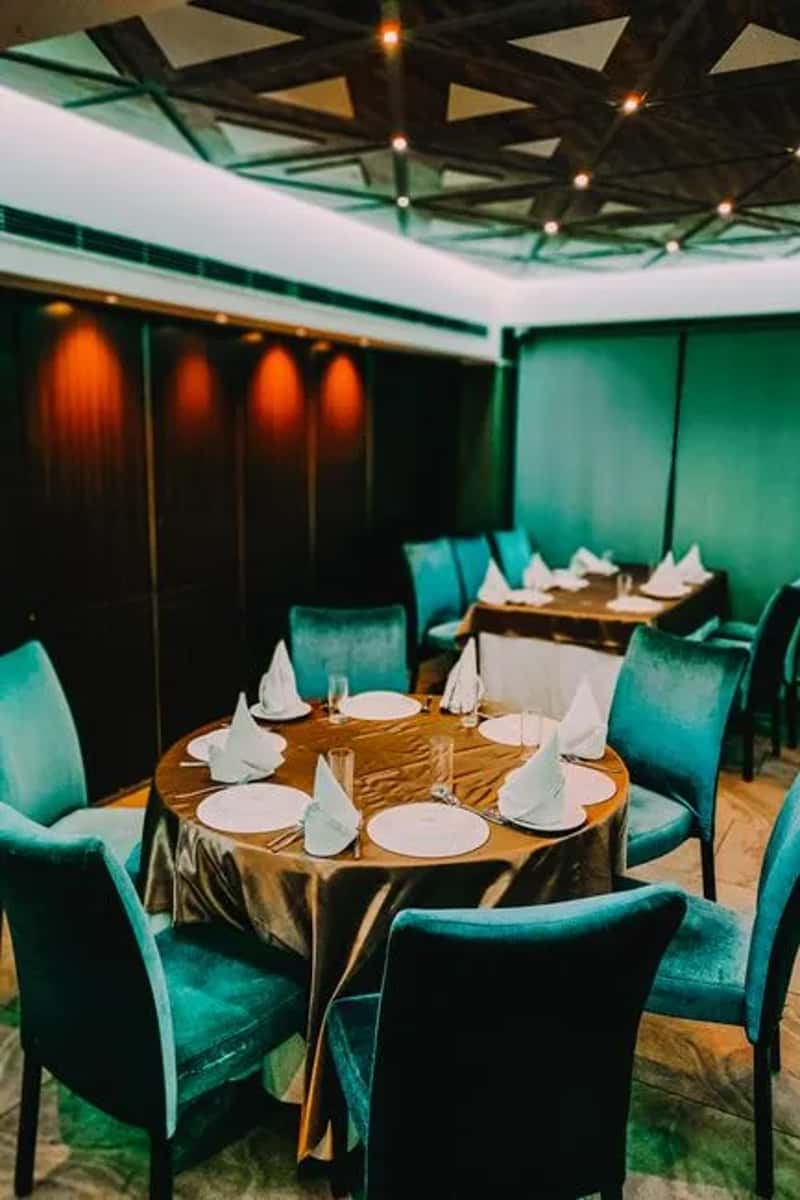
At formal meals, seating follows a fairly strict order. It’s based on seniority and organizational hierarchy.[1] The seat of honor is usually in the center, facing east or facing the entrance, and it’s often kept for the highest status guest or a foreign guest of honor.[1]
As a traveler, the safest move is to hover until someone points you to a chair. If you’re unsure, asking the host where to sit is considered polite rather than clueless.[2] Hosts often take the humblest spot themselves, usually the one nearest the kitchen entrance or service door.[1]
Let the Host Start the Meal
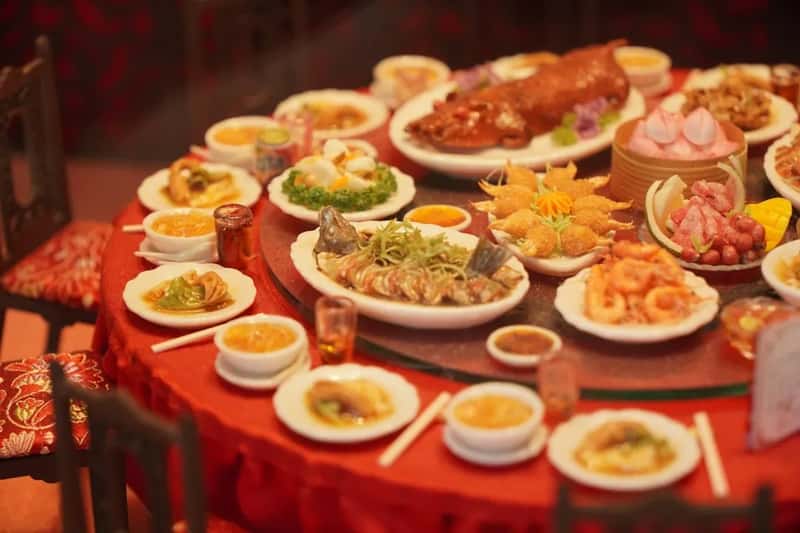
Food often lands on the table before anyone is meant to touch it. At a banquet, the meal doesn’t officially begin until the host proposes a toast, so you shouldn’t dig in as dishes arrive.[3] Watching the host is the simplest way to know when it’s time.
Pacing matters too. The main purpose of these meals is socializing, not filling your stomach.[3] If you wait for the cue to start and keep your pace with the table, you’ll avoid most awkward moments.[2]
Keep Chopsticks Out of Your Rice
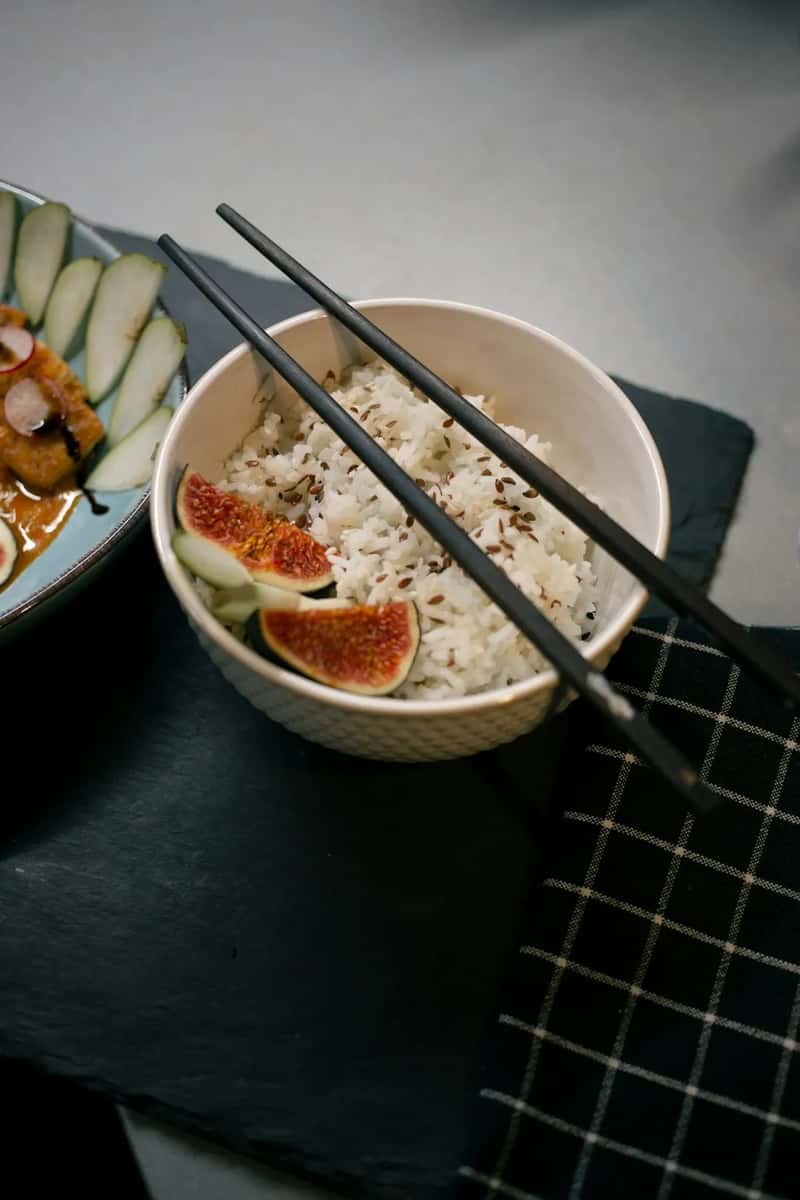
This is the taboo travelers hear about most. Sticking chopsticks upright in rice is the most widely mentioned one, because it resembles a funerary offering.[2] The upright pose is said to resemble funeral incense.[4]
When you’re not using them, lay them down instead. Chopsticks should rest flat and parallel with the table.[3] Chinese chopsticks rarely come with rests, so you can lay the mouth end alongside your plate, which keeps the food end off the table.[5]
Don’t Point, Drum, or Dig Around
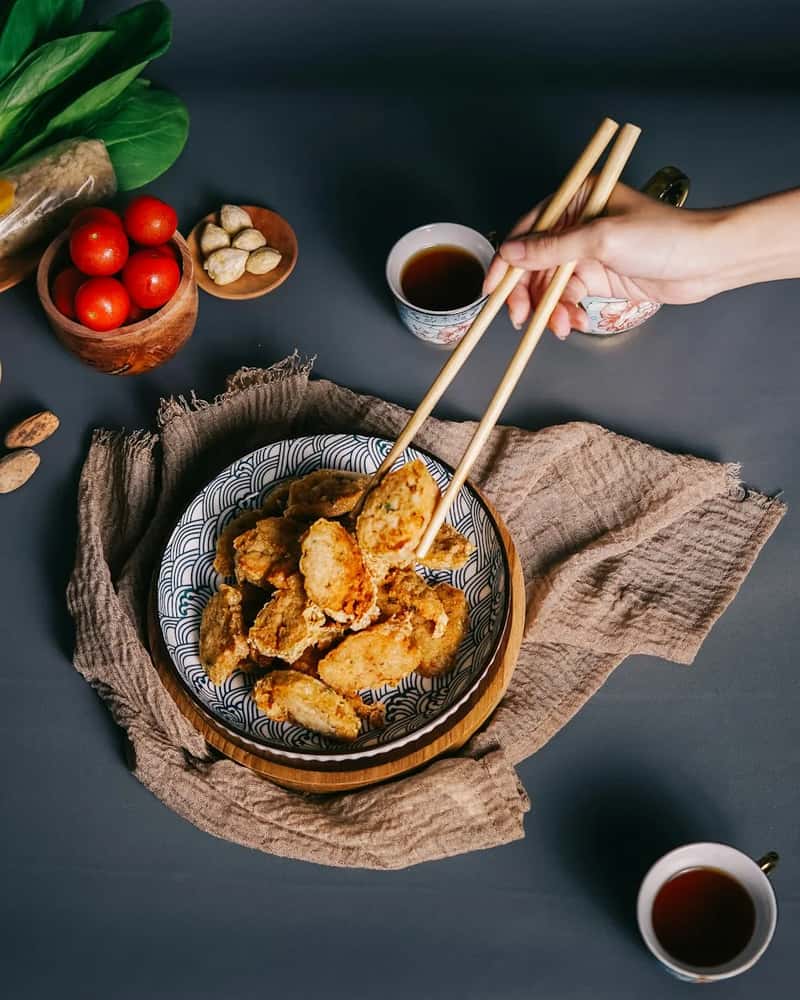
Chopsticks can also offend through what you do with them. They shouldn’t be used to point at people or be separated.[4] Drumming with them is also frowned on.[2]
Browsing is another giveaway of poor manners. Diners are expected not to dig through serving dishes for the best morsels.[4] If you touch a piece of food with your chopsticks, try to take that piece.[3] Decide first, then reach.
Use Serving Utensils and Respect the Turntable
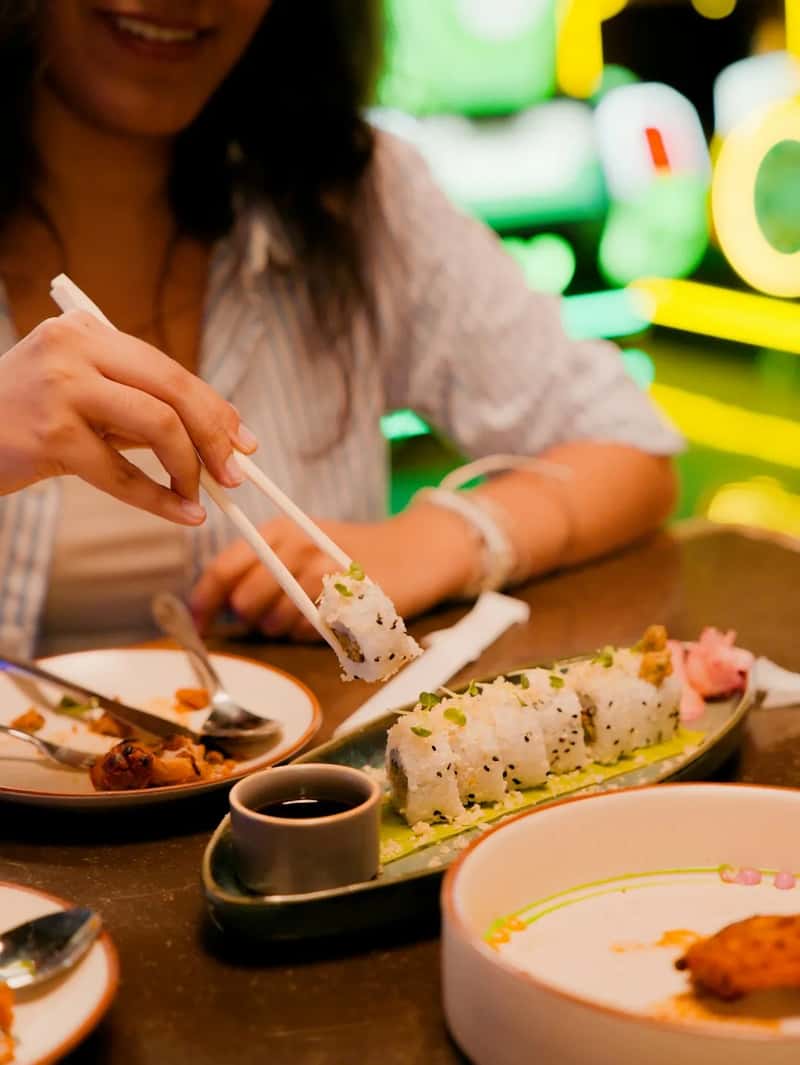
Shared dishes call for a small bit of hygiene etiquette. Don’t use your own chopsticks to pick up from public dishes. Use serving chopsticks or spoons instead.[6] Many restaurants now supply them. Some cities have mandated communal serving chopsticks and spoons, which are often longer and color coded.[7]
Large round tables often have a rotating tray in the middle. Turn it clockwise at a moderate speed, and only when nobody is reaching for food.[6] Also, don’t pick something up and then put it back, since nobody else will want it after that.[6]
Handle Toasts With Care
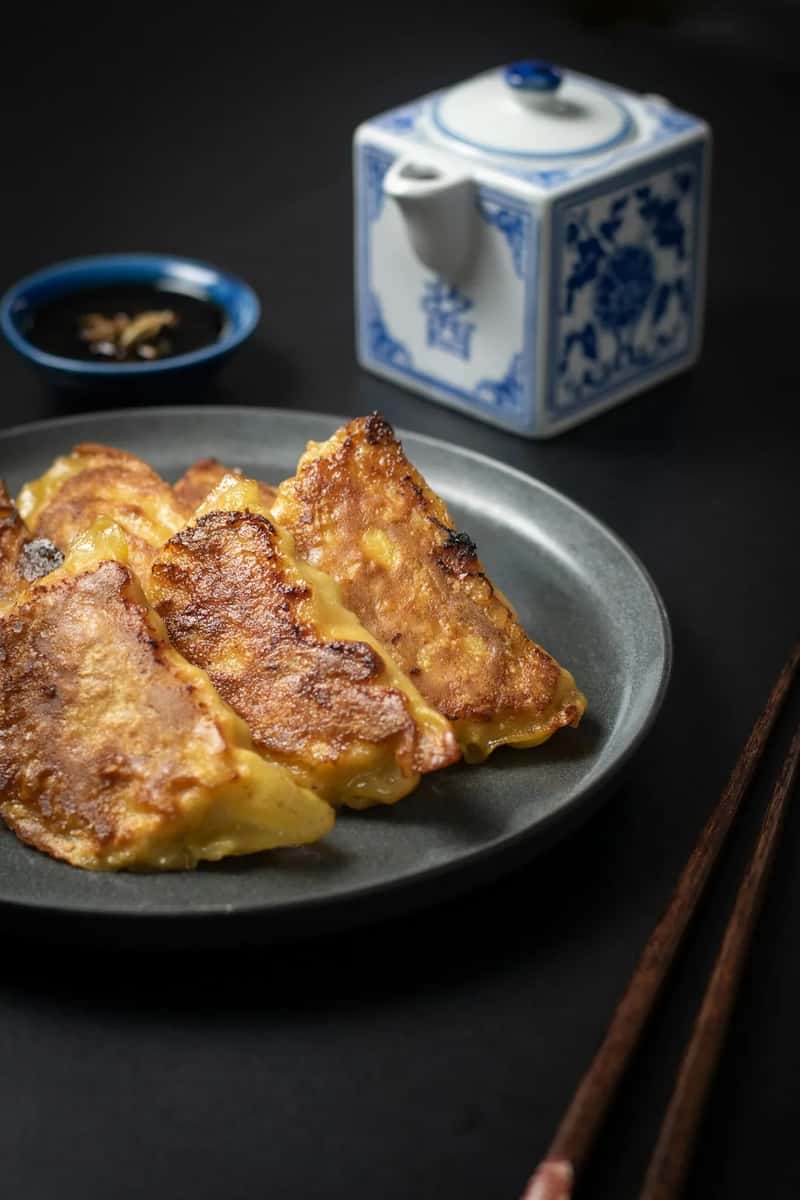
Drinking toasts are a real part of formal meals. In formal settings, toasting follows specific protocols, and guests are expected to accept toasts as a sign of respect.[4] The word you’ll hear is ganbei, which is often treated as an instruction to finish the drink, though social expectations vary.[2]
You don’t have to match everyone glass for glass. In many rooms, taking part matters more than the alcohol itself.[2] When clinking with a senior, keep your glass slightly lower to show respect.[2]
Take Only What You Can Finish
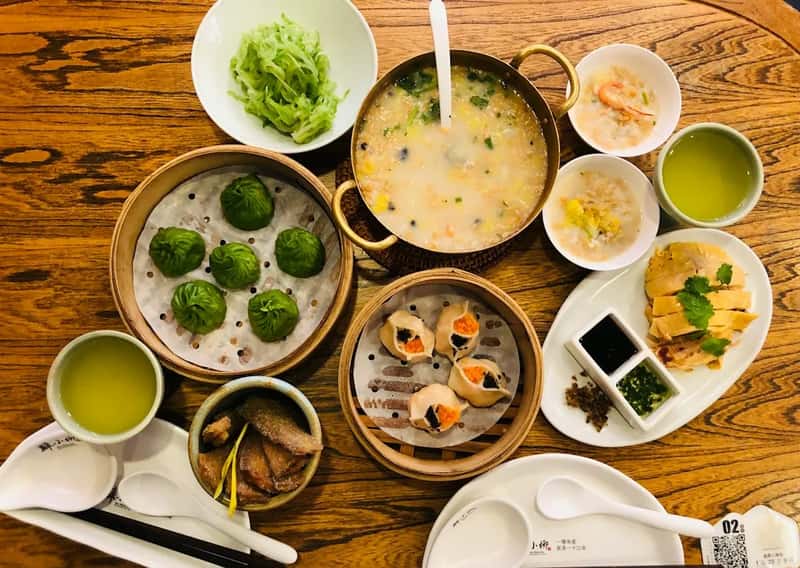
Servings are generous, and dishes keep coming. Several main dishes arrive together rather than in courses, usually about one dish per person, and celebrations may bring ten or more.[4] With that much on the table, restraint is part of the courtesy.
Take portions you can actually eat. Guidance on traditional etiquette advises taking food according to your ability, to avoid waste.[6] Diners are also expected not to leave food waste on their plates.[4]
Expect a Friendly Tussle Over the Bill
When the meal ends, don’t be surprised if two people lunge for the check. Disputing who pays is common, since paying shows generosity and hospitality.[4] It’s usually a ritual more than an argument.
As a guest, offer once or twice, warmly, and accept graciously if the host insists. A sincere thank you does more than a fight over the receipt. If you’re the one who invited, settle up quietly with the staff before dessert to avoid the scramble.