The idea of working from a laptop while hopping between countries sounds simple enough until you actually try it. Somewhere between the visa paperwork, the spotty WiFi, and the loneliness that sneaks up on you in a beautiful but unfamiliar city, reality sets in fast. Digital nomadism in 2026 looks a lot different than the Instagram version suggests, and there are a handful of lessons that tend to hit everyone the same way, usually after it’s too late to avoid them.
This isn’t a list of warnings meant to scare anyone off the lifestyle. It’s more of an honest look at the gaps between expectation and experience, the kind of things a friend would tell you over coffee before you book that one way ticket.
1. Visa rules are more complicated than they look online
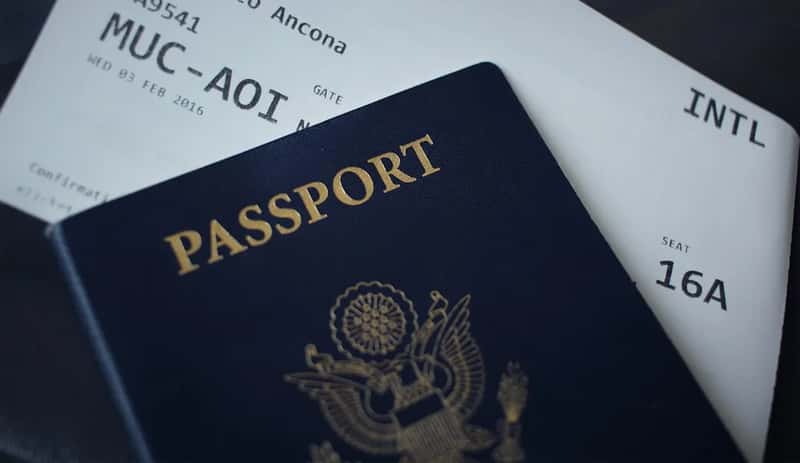
Every country has its own patchwork of tourist visas, digital nomad visas, and gray areas that people quietly exploit until they don’t. Countries like Portugal, Spain, and Croatia introduced dedicated digital nomad visas in recent years, but the income thresholds, tax implications, and renewal processes vary wildly and change often. What worked for a friend last year might not apply this year, since several countries have tightened requirements or added new minimum income rules.
Overstaying a tourist visa, even by a few days, can result in fines or future entry bans that don’t show up until you’re standing at an airport counter. It’s worth checking official government immigration sites directly rather than relying on blog posts, since those change less frequently than actual policy. The safest approach is building buffer time into travel plans so a visa expiration never lines up with a flight delay or a slow embassy appointment.
2. Reliable internet is not guaranteed anywhere, even in cities

A city having a reputation as a nomad hotspot doesn’t mean the WiFi in every cafe or apartment will hold up during a client call. Power outages, network congestion, and outdated infrastructure still trip people up in popular hubs across Southeast Asia and Latin America. Having a backup plan, like a local SIM with a solid data plan or a portable hotspot, tends to save more meetings than people expect.
Coworking spaces have become more consistent in recent years, but they’re not universal, and rural or lesser known destinations often lack them entirely. Testing internet speed before committing to a longer stay somewhere is a small habit that avoids a lot of frustration later. Apps and community forums where other remote workers report real speeds in specific buildings or neighborhoods are far more reliable than a hotel’s marketing claims.
3. Taxes don’t pause just because you’re traveling

Many new nomads assume that constant movement means no tax obligations, but most countries still expect citizens or residents to file based on worldwide income regardless of where they physically sit with a laptop. The United States, for example, taxes citizens on global income no matter where they live, and the Foreign Earned Income Exclusion has specific day count requirements that trip people up constantly. Other countries determine tax residency based on how many days someone spends there annually, and crossing that threshold without realizing it can create unexpected liabilities.
Working with an accountant who understands cross border and remote work situations is worth the cost, even for people who consider their finances simple. Ignoring this part of the lifestyle doesn’t make it disappear, it just delays a more expensive problem for later. Keeping a spreadsheet of travel dates from day one turns out to be one of the most useful habits a location independent worker can build.
4. Health insurance gets complicated fast

Regular domestic health insurance plans often don’t cover care outside the home country, leaving a gap that many people don’t notice until they actually need a doctor. Travel insurance policies exist, but many exclude longer term stays, chronic condition management, or anything beyond emergency care. Specialized nomad insurance providers have grown quickly in response, offering plans built specifically for people who move between countries for extended periods.
Reading the fine print matters here more than almost anywhere else, since coverage limits and exclusions vary enormously between providers. Some destinations, particularly parts of Southeast Asia and Latin America, offer high quality private healthcare at a fraction of costs back home, which softens the blow somewhat. Still, having a plan in place before getting sick abroad beats scrambling for one during an emergency, which is a lesson usually learned the hard way.
5. Loneliness shows up even in crowded places

It’s easy to assume that constant travel means constant social connection, but the opposite often turns out to be true. Friendships formed quickly in hostels or coworking spaces tend to be shallow and short lived, since everyone is moving through on different timelines. The novelty of a new city wears off fast when there’s no one familiar to share dinner with after a long work day.
Communities built around digital nomad hubs, like certain neighborhoods in Bali, Mexico City, or Chiang Mai, help somewhat by creating recurring events and meetups for remote workers. Still, the emotional cost of constantly starting over socially is real and rarely discussed openly before people commit to the lifestyle. Staying in one place longer than planned, sometimes months instead of weeks, tends to build the kind of relationships that actually stick.
6. Time zones dictate your schedule more than your destination does

Choosing a destination based on scenery or cost of living sounds appealing until a work schedule tied to a home office time zone forces awkward hours. Someone working for a company based in New York while living in Southeast Asia might find themselves on calls at midnight local time, night after night. This mismatch quietly erodes the appeal of a location that looked perfect on paper.
Planning travel around overlapping business hours, rather than purely around personal preference, saves a surprising amount of burnout. Some nomads deliberately choose regions closer to their client or employer’s time zone for exactly this reason. Others negotiate more asynchronous work arrangements upfront, which gives far more flexibility in choosing where to actually live.
7. The cost of living isn’t always lower than expected

Popular digital nomad destinations have become considerably more expensive as demand has grown, and prices in places like Lisbon, Bali, and Mexico City have risen noticeably over the past few years due to an influx of remote workers. Short term rentals aimed at foreigners often cost significantly more than what locals pay for similar apartments. What used to be a budget friendly lifestyle in certain hubs has shifted for some destinations toward something closer to mid range city living costs.
Researching actual current prices, rather than relying on outdated blog posts from several years ago, matters more than people expect. Lesser known destinations, or simply staying longer term to negotiate better rental rates, often stretch a budget further than chasing the most talked about hotspots. Local markets, public transport, and cooking at home instead of eating out constantly still make a meaningful difference in overall costs almost everywhere.
8. Building a routine matters more than chasing new places

The excitement of moving every few weeks fades quickly once the logistics of packing, adjusting to new environments, and rebuilding a workflow from scratch start piling up. Productivity tends to suffer the most in the first several days after arriving somewhere new, before a rhythm gets established. Constant novelty, it turns out, is exhausting in ways that are hard to anticipate before experiencing it firsthand.
Many experienced nomads eventually settle into a slower pace, staying in one location for months at a time rather than weeks. This approach, sometimes called slow travel, allows for deeper immersion in a place while still protecting enough structure to get actual work done. A predictable morning routine, a regular workspace, and a few reliable habits end up mattering more for long term happiness than the number of countries visited in a year.
None of these lessons mean the lifestyle isn’t worth pursuing. They just tend to be the kind of details that only become clear through actual experience rather than research beforehand. Anyone considering this path is better off going in with realistic expectations than with the polished version often shown online.