Ask someone who has lived their whole life near a famous landmark whether they visit it often, and the answer is usually a polite laugh. The places that dominate travel brochures and social media feeds are rarely the places locals actually spend their weekends. In many parts of Asia, decades of rapid tourism growth have turned once-quiet corners of a city or coastline into something closer to a theme park, and residents have responded by simply staying away.
This isn’t about these destinations being unsafe or unworthy of a visit. It’s more that the daily reality of living beside a mega-attraction, the traffic, the noise, the price hikes, wears thin fast. Here are eight well-known Asian tourist spots where the people who live nearby have largely opted out.
1. Kuta Beach and South Bali’s Tourist Strip, Indonesia
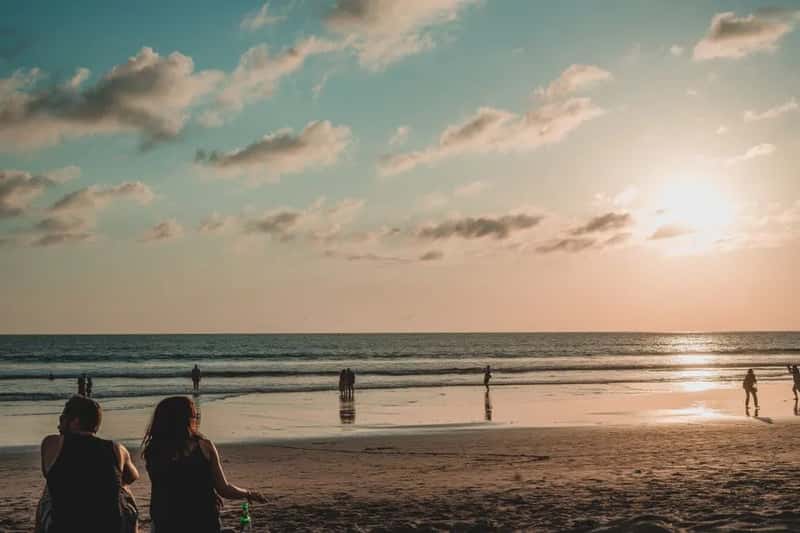
Bali absorbs an outsized share of Indonesia’s visitors, and the pressure shows most clearly in the south. Indonesia welcomed 13.9 million foreign tourists in 2024 and almost half of those, 6.33 million, visited Bali[1]. By 2025, that figure had climbed even further, with over seven million international arrivals recorded in Bali[2] for the year.
The strain is visible on the sand itself. Reporting on the area has noted that once-pristine beaches like Kuta and Seminyak are now buried under piles of trash, with local waste management systems struggling to keep up[3]. Bali was placed at the top of Fodor’s ‘No List 2025’ of places to avoid or reconsider, alongside destinations like Venice, Barcelona and Koh Samui[4], and many Balinese now do their swimming and socializing far from Kuta’s crowded shoreline.
2. Fushimi Inari Shrine, Kyoto, Japan
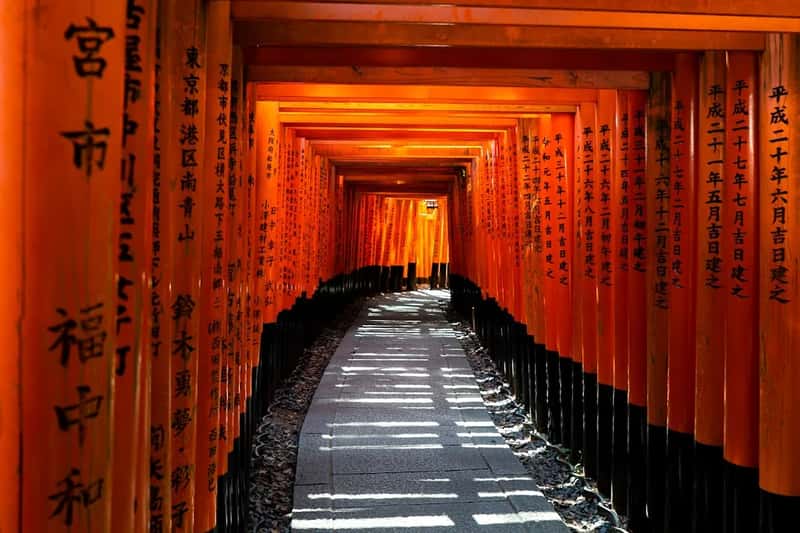
The endless red torii gates of Fushimi Inari look serene in photos, but the reality on the ground is a shuffling crowd from early morning until dusk. The torii gate tunnel is photographed thousands of times daily, with crowds building from 7 a.m. and peaking until sunset[5]. Some visitors have taken to arriving before dawn just to get a clear shot, with one American tourist’s group waking up at 5 a.m. to avoid the crowds at the historic city’s famous Fushimi Inari Shrine[6].
For residents, the shrine is just one symptom of a much bigger problem. Roughly 90% of Kyoto residents surveyed by Japan’s Yomiuri Shimbun newspaper complained about overtourism[7], and much of that frustration centers on daily life logistics. Residents in the city, home to around 1.5 million people, are especially annoyed by swarms of tourists clogging narrow streets and lanes in the city center and overcrowding public trains and buses that locals rely on for work and school commutes[7].
3. Mount Fuji’s Yoshida Trail, Japan
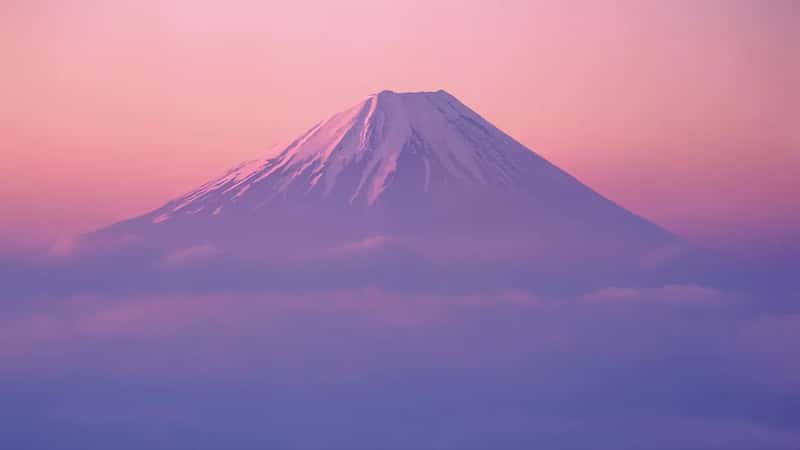
Japan’s most sacred peak has become one of the clearest examples of a destination trying to manage its own popularity. Japan’s iconic volcano draws over 300,000 climbers every year[8], a number that pushed authorities to overhaul the rules starting in 2024. To prevent extreme crowding, the daily limit of climbers on the Yoshida Trail has been restricted to 4,000 people[9], and as of the 2025 season, all climbers on all four trails must pay 4,000 yen per person, a fee doubled from the previous 2,000 yen charged only on the Yoshida Trail[10].
Beyond the money, the mountain now closes itself off at certain hours to break up the crush of overnight hikers. Trailhead gates close daily from 2:00 p.m. to 3:00 a.m. to enhance safety and manage access[11]. For many Japanese hikers who once climbed Fuji casually, the combination of fees, reservations and rationed access has made the mountain feel more like a managed attraction than a local pastime, and plenty now save their hiking trips for quieter peaks instead.
4. White Beach, Boracay, Philippines
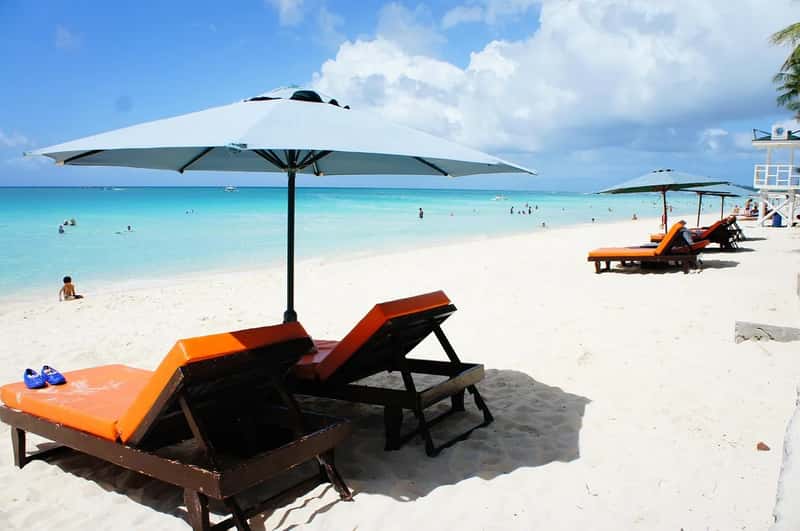
Boracay’s transformation from backpacker secret to global resort destination came with a cost that eventually forced the government’s hand. At its peak of overcrowding, large sections of its 2.5-mile main White Beach were jammed with thousands of visitors and long trains of beach beds and umbrellas, while fleets of boats motored up to the sand’s edge and multitudes of peddlers sold trips and trinkets right on the beach[12]. Pollution followed the crowds, as oil from the boats, litter from the beach, and sewage illegally piped into the sea polluted the waters[12].
The situation grew serious enough that the former president declared Boracay a cesspool and abruptly shut the island down from April to October in 2018[12] for rehabilitation. Even after reopening and rebuilding infrastructure, many longtime residents describe the island as fundamentally changed, and locals frequently head to quieter coves elsewhere in the Philippines rather than compete for space on the beach that made Boracay famous.
5. Patong Beach, Phuket, Thailand
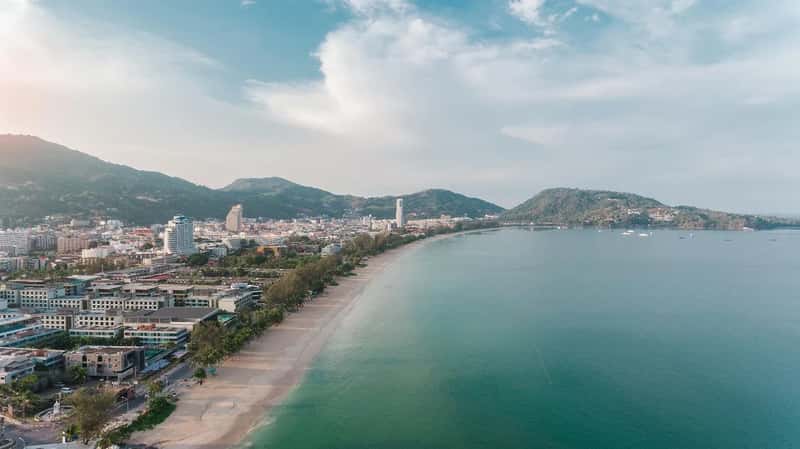
Phuket’s Patong Beach has long been the island’s most concentrated tourist zone, and the numbers have only grown since the pandemic. Phuket, alongside Bali, Boracay and Ha Long Bay, has experienced a sharp surge in visitors that has even exceeded pre-pandemic levels[13]. That surge brings the usual byproducts: dense traffic, noise late into the night, and beachfront space that fills up before mid-morning.
Local authorities have had to respond to more than just crowding. Phuket’s reputation as a top beach destination has required official systems that address not just crowding but also natural hazards tied to seasonal weather patterns[14]. Phuket residents who want a beach day typically drive past Patong entirely, opting for less developed stretches of coastline on the island’s quieter east and south sides.
6. Ha Long Bay, Vietnam
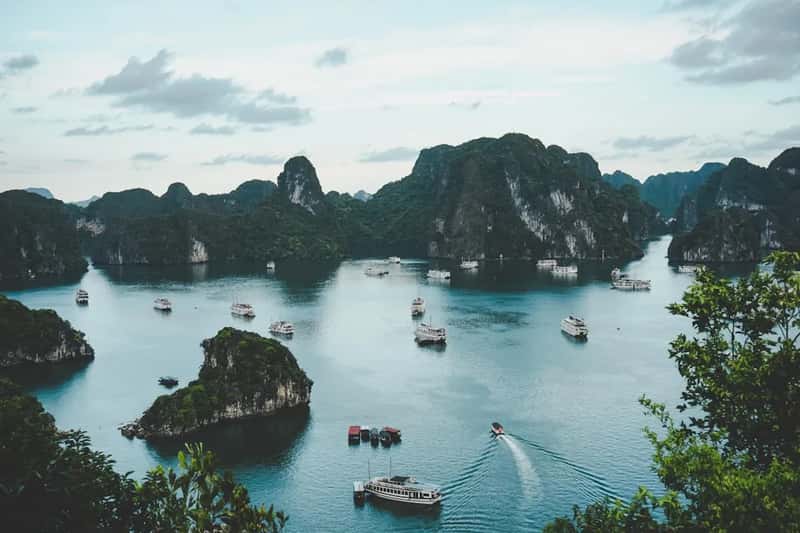
Ha Long Bay’s limestone karsts rising out of turquoise water are one of the most photographed sights in Vietnam, and that fame has brought a steady stream of cruise boats and day-trip tour groups. The bay is one of several Southeast Asian destinations, alongside Bali, Phuket and Boracay, that has seen visitor numbers surge past pre-pandemic levels[13]. On busy days, the water near the main piers can carry more tour vessels than open space, with engine noise and diesel fumes replacing the calm the bay is famous for.
For people living in nearby Halong City, the bay itself has increasingly become a backdrop for other people’s trips rather than a local getaway. Fishing communities that once used quieter coves for their own boats have had to adjust routes around the tourist traffic. Locals looking for a similar landscape without the crowds tend to travel further out to lesser-visited bays along Vietnam’s northern coast instead.
7. Angkor Wat, Siem Reap, Cambodia
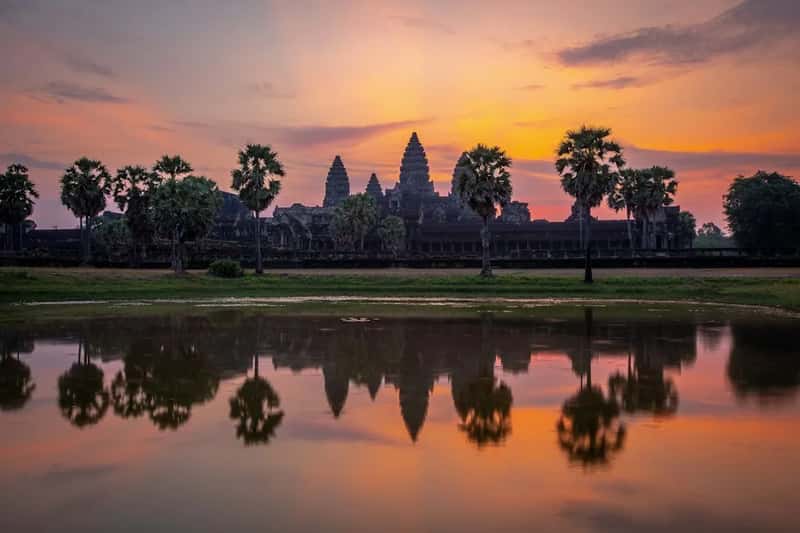
Angkor Wat is one of the largest religious monuments on Earth, and its scale is part of why it draws such heavy crowds, particularly around sunrise, when visitors gather in dense rows along the reflecting pools to catch the temple silhouetted against the morning sky. The experience can feel more like a photography scrum than a quiet moment with an ancient site, especially during Cambodia’s peak dry season months. Entry requires a paid pass, and the surrounding roads and parking areas fill quickly once tour buses start arriving from Siem Reap.
Many Khmer residents visit the temple complex for religious festivals or family occasions rather than as casual sightseeing, and they tend to time those visits around the crowds rather than during standard tourist hours. Vendors and guides who work the site every day often describe a very different rhythm to Angkor than the one visitors experience, one built around avoiding the busiest stretches rather than chasing the best light. For locals simply wanting to enjoy the temples without the crowds, sunrise at the main gate is generally considered the time to skip.
8. Taj Mahal, Agra, India
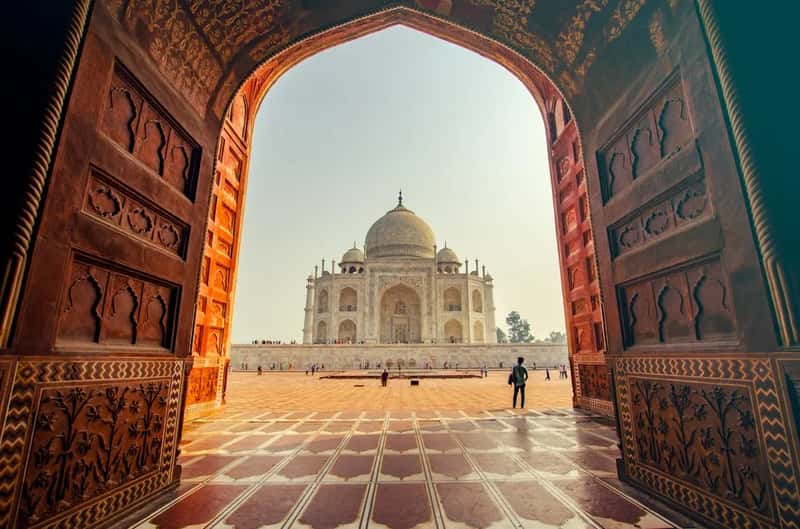
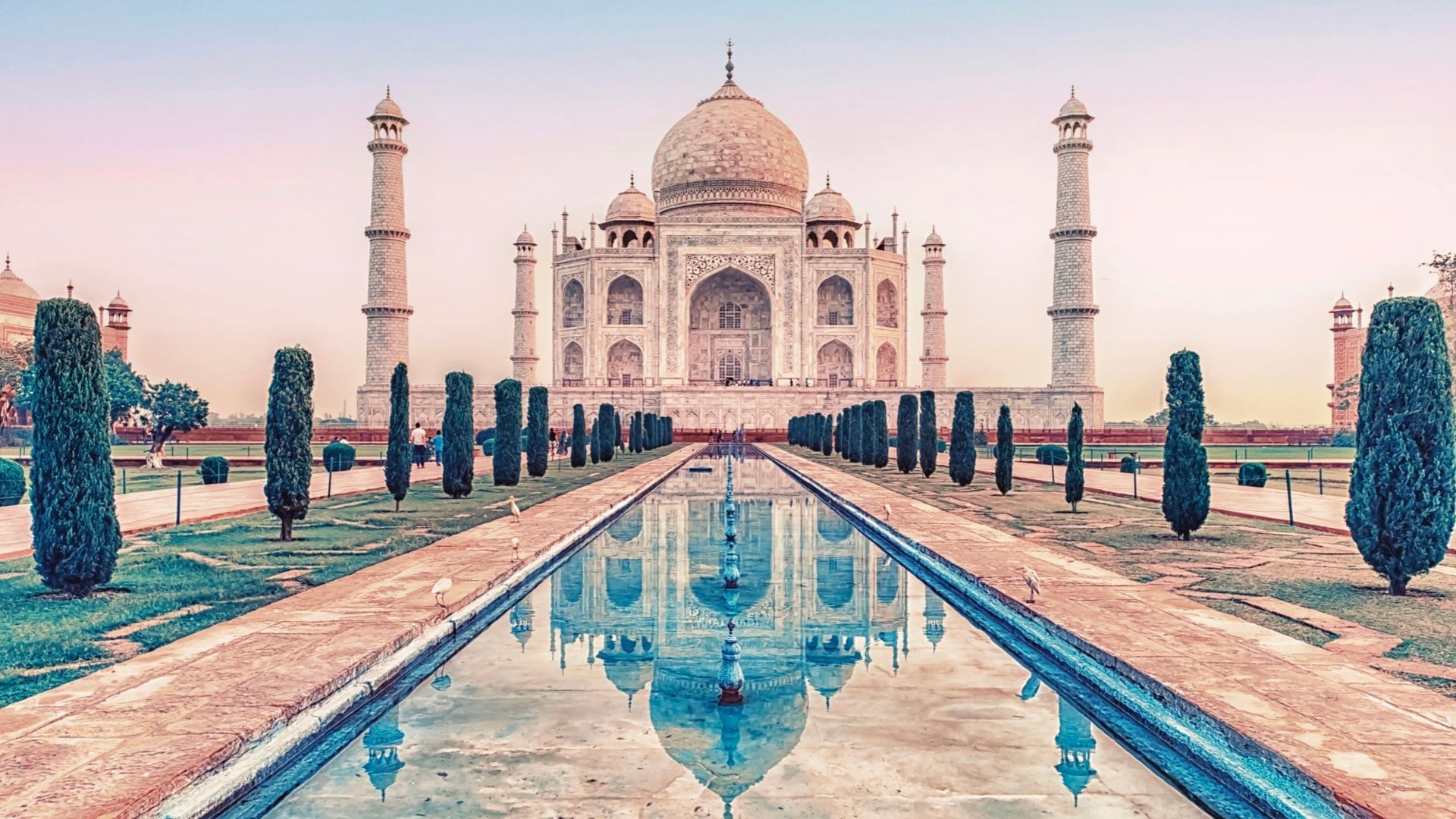
The Taj Mahal remains one of the most recognizable monuments in the world, and that recognition brings enormous daily foot traffic through its gardens and marble courtyards. Long entry lines, tight security screening, and a steady flow of tour groups moving through on fixed schedules make a leisurely visit difficult during peak hours. Domestic pricing structures that keep tickets far cheaper for Indian citizens than for foreign visitors mean the monument still draws heavy local weekend traffic, but many residents of Agra itself, who see the building constantly as part of their skyline, rarely bother joining the queues.
For people living in the city, the Taj Mahal is treated more like a backdrop than a destination, something reserved for visiting relatives rather than a regular outing. The area immediately surrounding the monument has also grown dense with souvenir stalls and touts, which adds friction for anyone not specifically there to sightsee. Locals who want a quieter view of Mughal architecture often head instead to smaller, less crowded sites nearby, such as Agra Fort or the tomb of Itimad-ud-Daulah, where the crowds are a fraction of what the Taj Mahal sees on any given day.
What ties these eight places together isn’t that they’ve lost their value. Kuta Beach still has good waves, Fushimi Inari’s gates are still striking, and the Taj Mahal is still an architectural marvel worth seeing at least once. The pattern is simpler than that: when a place becomes famous enough, it stops being a local’s spot and becomes everyone else’s, and the people who live closest are usually the first to notice the shift and the first to look elsewhere for a quiet afternoon.