On Friday afternoon, a Los Angeles airport was still landing planes while departures across the country stood still. Passengers at major hubs faced a day that few travelers expect. ([1])The Federal Aviation Administration ordered most departing flights in the United States to stay on the ground, citing “extraordinary circumstances and for reasons of safety,” and no restart time was announced.
A rare order with no restart time
Nationwide ground stops are almost unheard of. The disruption marked only the second time since the September 11 attacks that the FAA has ordered a ground stop covering the entire country. ([2])The last one came in January 2023, when a pilot alert system failed. That stop was lifted after a few hours.
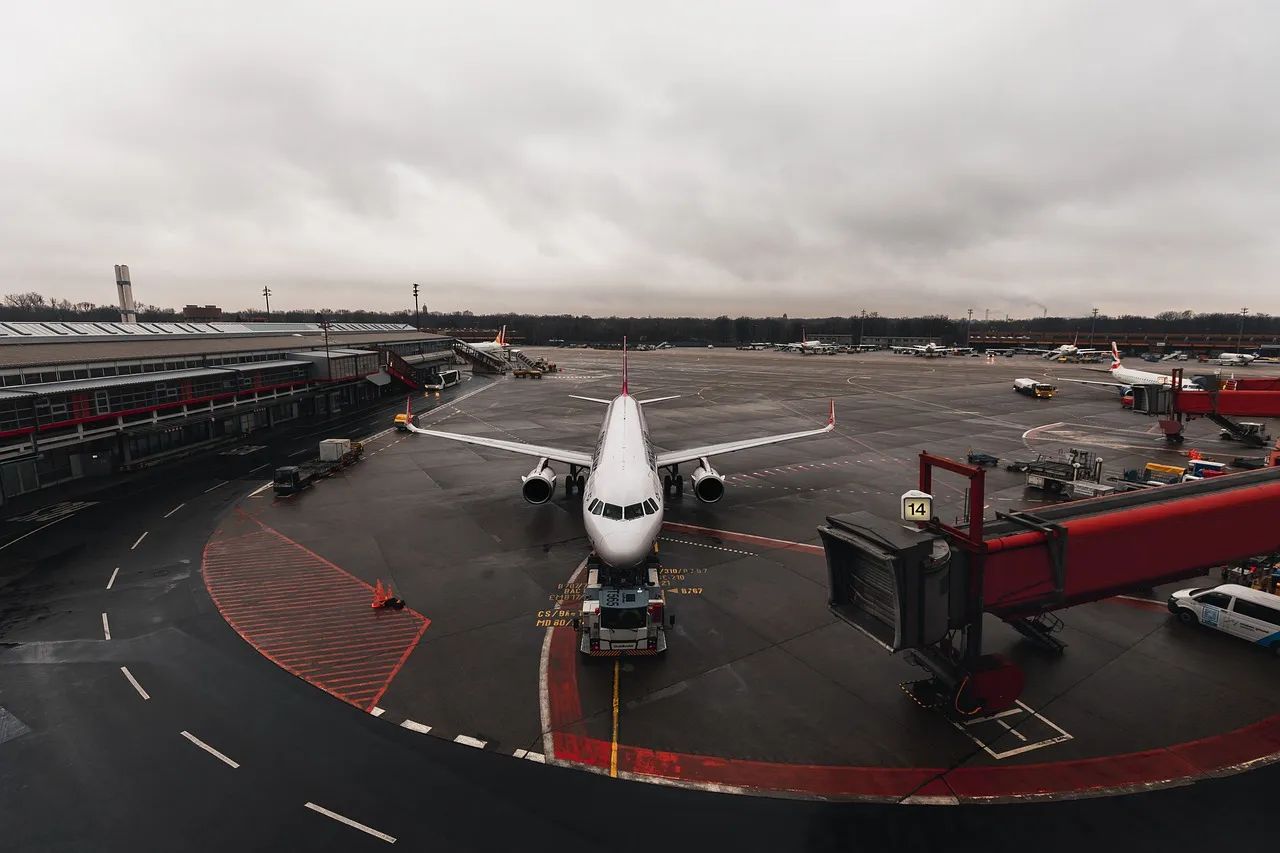
Ground stops are more common at individual airports, usually because of weather or localized equipment problems. Under a typical stop, aircraft already in the air may land, while planes on the ground cannot take off. Friday’s order reached far beyond that pattern, which is why it drew such intense attention from travelers and airlines alike.
What officials have said so far
The FAA attributed the problem to communication issues affecting multiple air traffic control centers and said its technicians were investigating. Officials later described a telecommunications outage, and the White House and FAA said the issue appeared to stem from a “telecommunication outage.” ([3])The root cause had not been confirmed when the stop was in effect.
Shortly after 5 p.m. Eastern, the agency said every flight already airborne had been accounted for. Homeland Security Secretary Markwayne Mullin tried to ease public concern, saying “Everybody is safe” while adding that the federal government was still working to determine the cause of the communications outage.
Cancellations climb and airlines adjust
By 6 p.m. Eastern, FlightAware counted nearly 1,700 U.S. cancellations and more than 10,000 delays, and those figures were expected to rise. ([2])Airlines were working through the disruption differently, and their situations varied by route and destination.
- United Airlines said all new domestic departures were halted, with international departures handled case by case.
- Alaska Airlines and Hawaiian Airlines said flights within Alaska and Hawaii could continue, along with departures from the West Coast to Hawaii.
- Boston Logan reported that the FAA was permitting some transatlantic flights to depart.
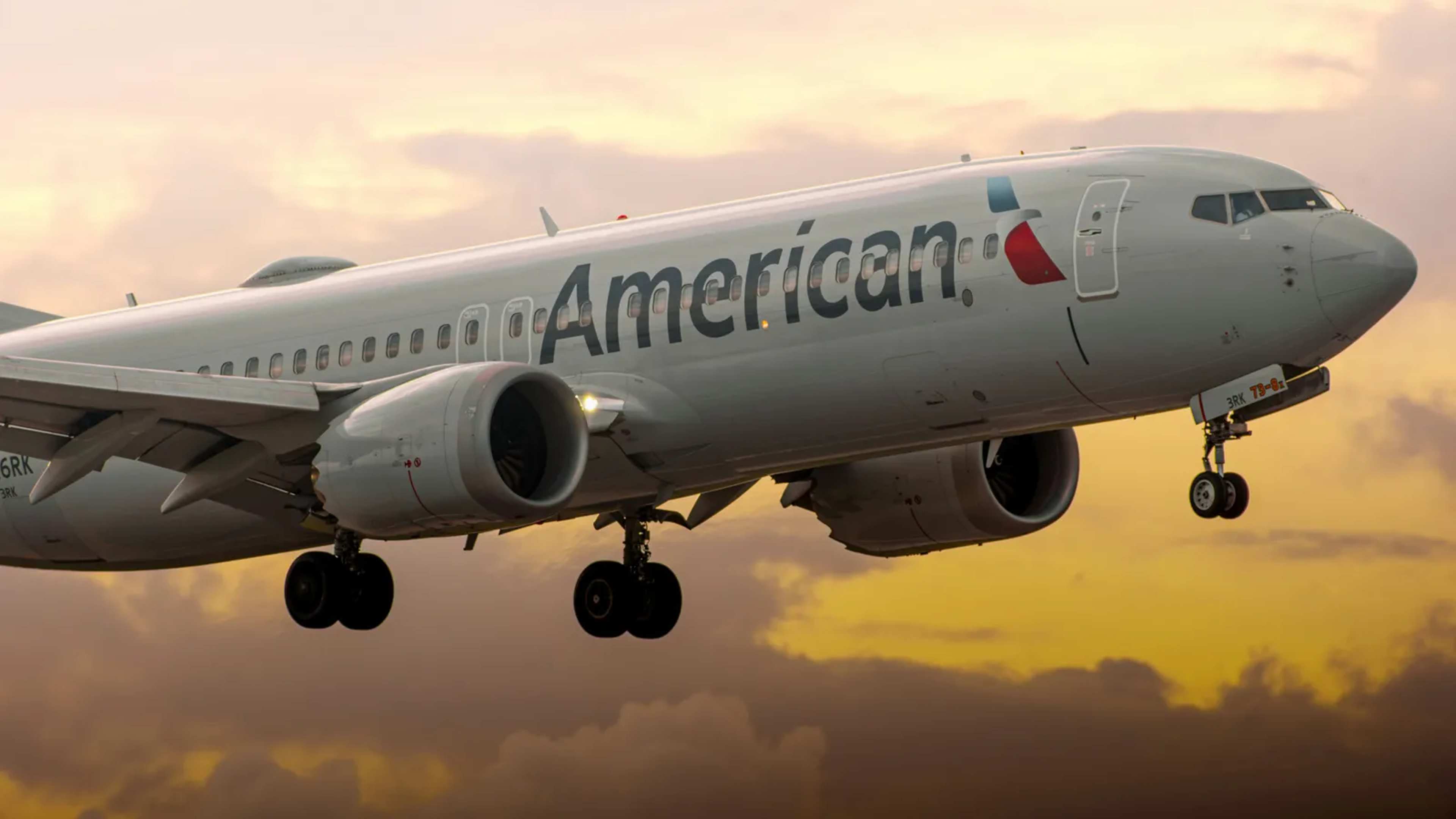
American Airlines told TPG it expected its operations to be affected for the rest of Friday evening. The carrier said it would have “all hands on deck” once the FAA lifted the stop. The FAA also said flights would be allowed to depart as enroute facilities recovered, with coordination through its command center. ([4])
What passengers should do now
Travelers with canceled or significantly delayed flights are entitled to a refund if they decline to travel or accept a rebooking, regardless of the reason for the disruption. Under Department of Transportation rules, a significant delay generally means arriving at least three hours late on a domestic trip or six hours late on an international one. ([1])
Large disruptions can also strain rental car and hotel inventory near airports, so acting early may help travelers who need a backup plan. Credit card trip protections may not cover a government-ordered grounding of this kind, so travelers should save receipts for any unexpected costs. Whether the stop is fully lifted or extended, the next several hours will determine how long the effects linger. Travelers should check their airline and the FAA for the latest updates before heading to the airport.