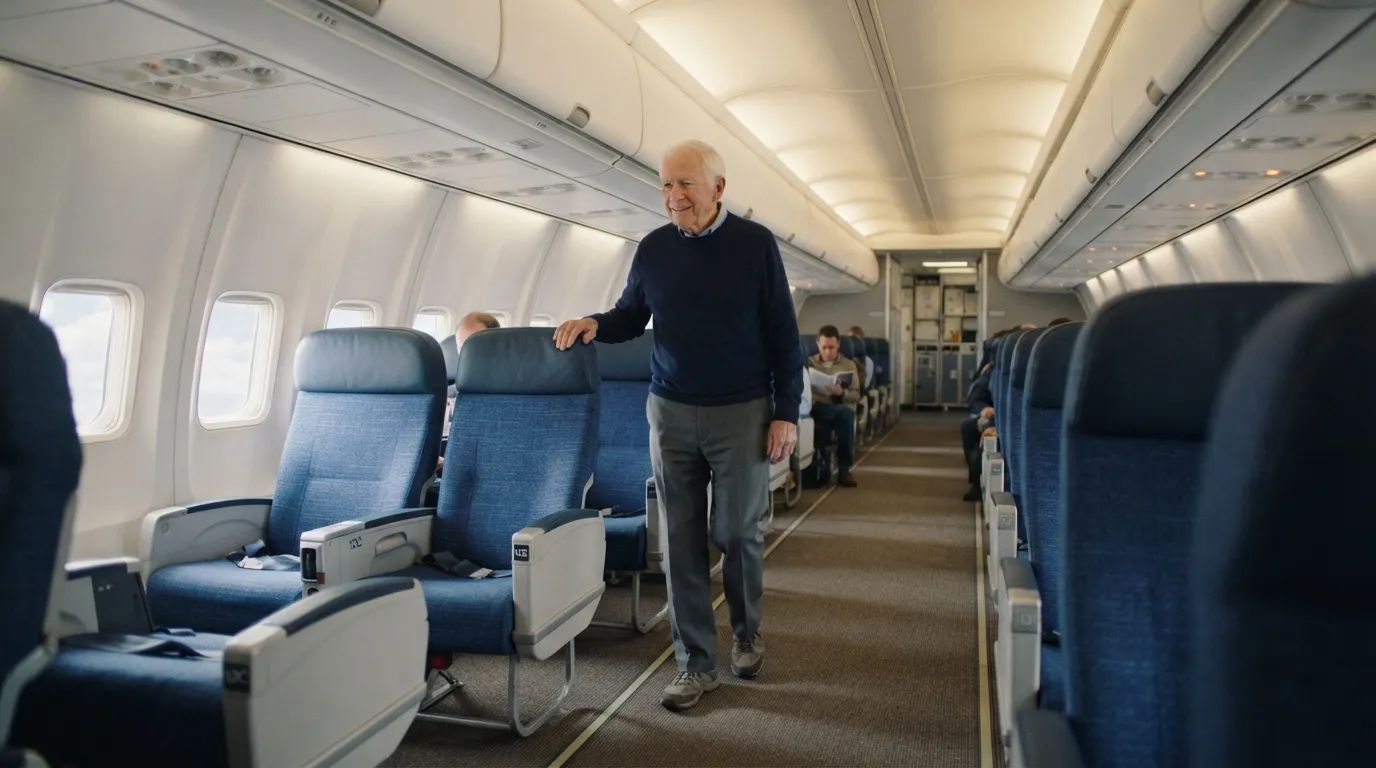
A Southwest 737-700 seats up to 137 passengers, and on one flight reported this year, more than half the seats sat empty.1 The crew still asked everyone to stay exactly where they were. Rows of open seats, and nobody was allowed to claim them.
That is the catch with a half-empty cabin. It does not hand you the run of the plane, and a long flight can still leave you wedged in a cramped row or waiting on help that never comes. Federal rules on seats and assistance are built around disability, not a birthday, so the way you phrase a request matters. The first request on this list is the one almost everyone tries without asking, and the reason it goes wrong is not what you would guess.
#15 – Moving to an Empty Row After the Seatbelt Sign Goes Off
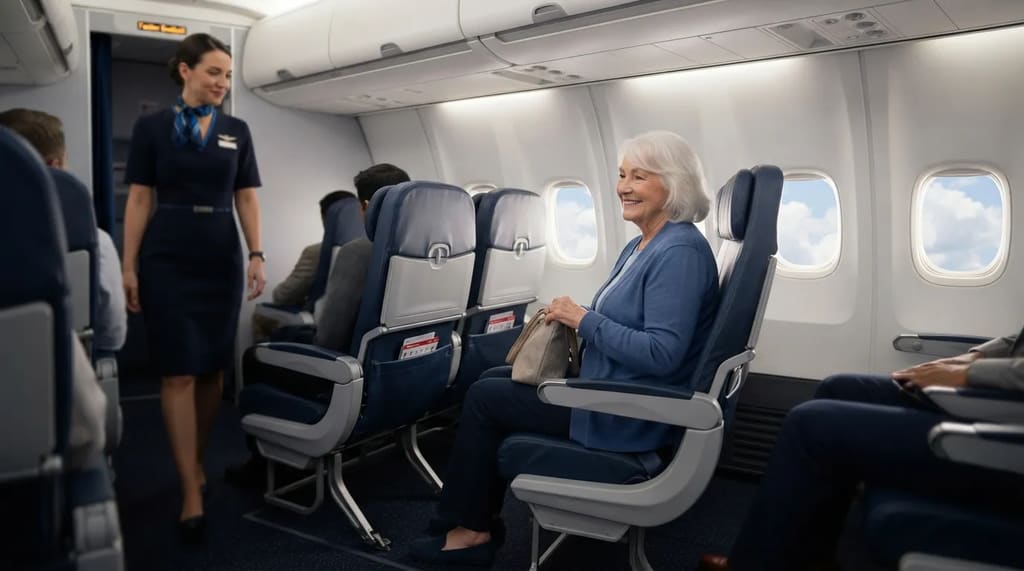
Wait until the seatbelt sign is off, then ask a flight attendant before you move.2 Seats are not settled until the boarding door closes, and sometimes not until after takeoff. Late connecting passengers, standby travelers and weight-and-balance adjustments by the crew can all reshuffle a cabin.
A Southwest spokesperson has said weight and balance matter most at takeoff, so customers are asked to stay in assigned seats before departure.2 Southwest moved to assigned seating only in January 2026, and one report described a 26-passenger flight where the crew made three announcements against moving.3
Ask, even when the row is plainly empty. It takes a few seconds, and a yes from the crew means you will not be sent back to the seat you left.
A yes covers a seat in the cabin you bought. The cabin you did not buy is another matter.
#14 – A Seat in a Section You Did Not Pay For
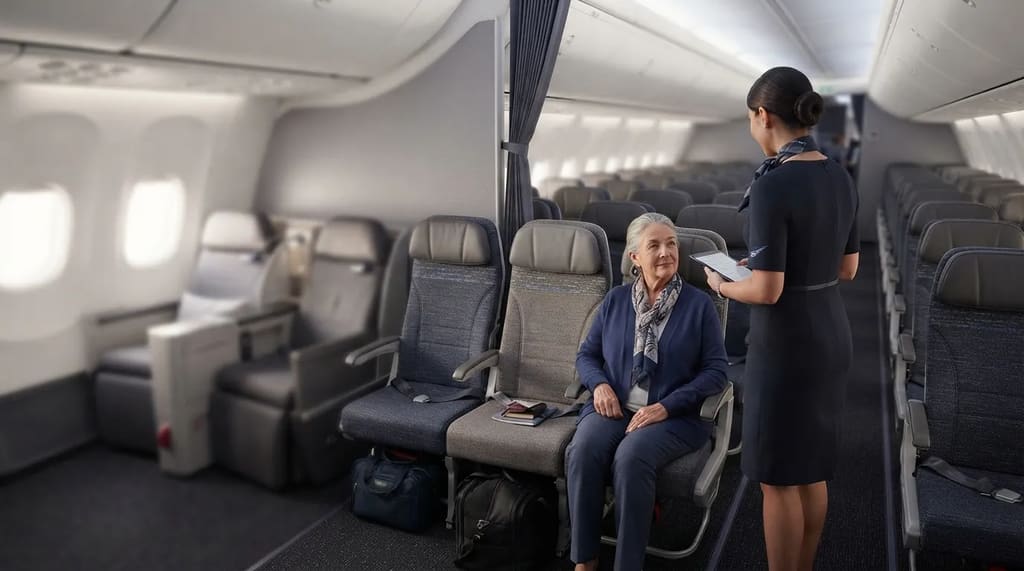
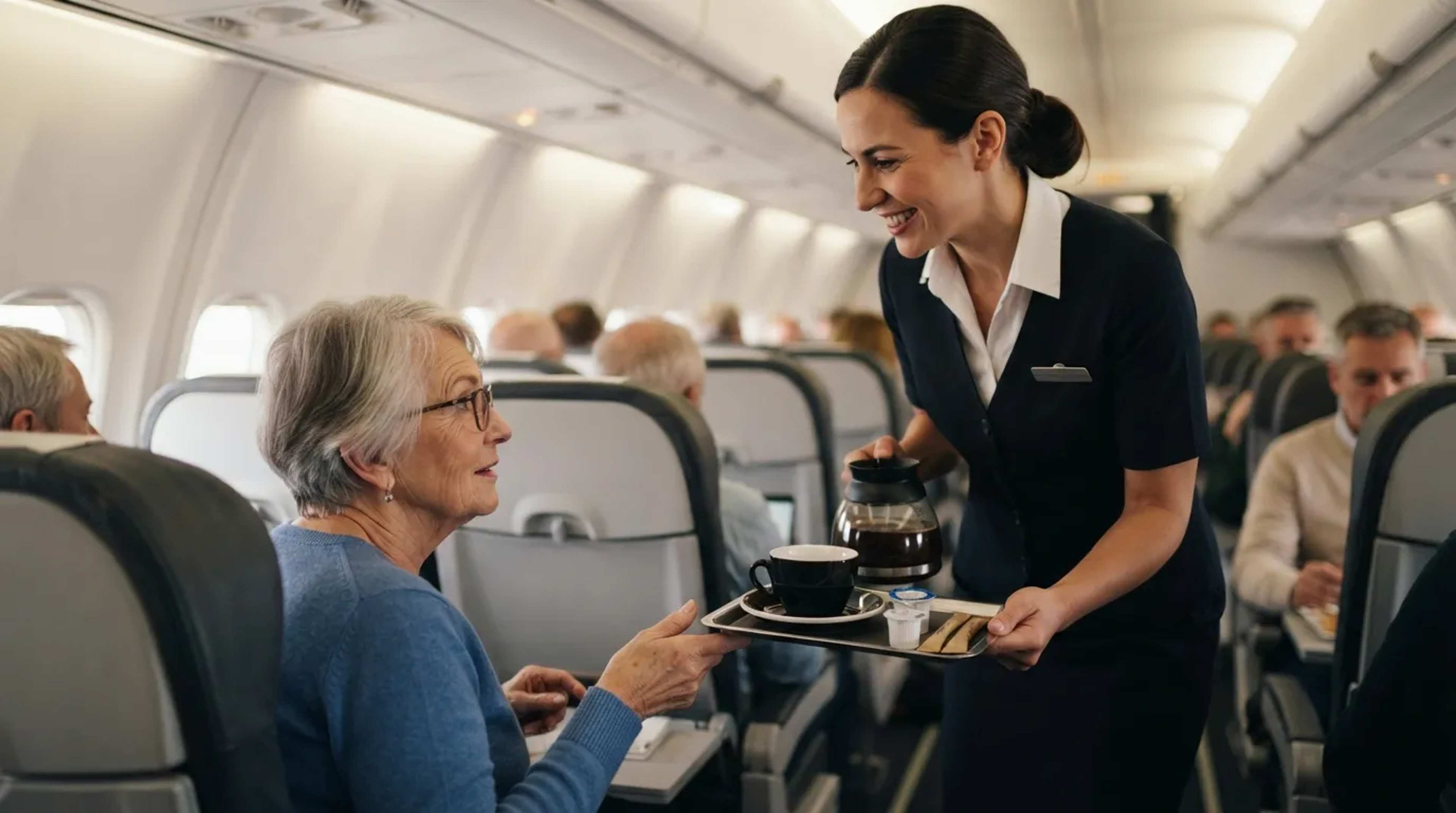
Moving into business or first class mid-flight is usually not possible. A flight attendant may approve a move, but the answer can depend on which class your ticket covers.
Even inside economy, rows toward the front can carry an extra charge. American Airlines calls these preferred seats. An empty row up there is a seat the airline sells, which makes it a much harder yes than a spare row near the back.
Quick Compare
- Business or first: usually off the table, and it hinges on the class your ticket covers.
- Preferred economy rows: extra-charge seats the airline sells, so a harder yes.
- Standard rows in your own cabin: the realistic ask, especially with a stated need.
I would not spend a request on a premium seat you did not buy. Federal rules do not require an airline to seat a passenger with a disability in a different class of service, though an airline may choose to.4 5
Inside your own cabin, the request that carries real weight is one tied to a stated health need.
#13 – A Seat Change Tied to a Stated Need
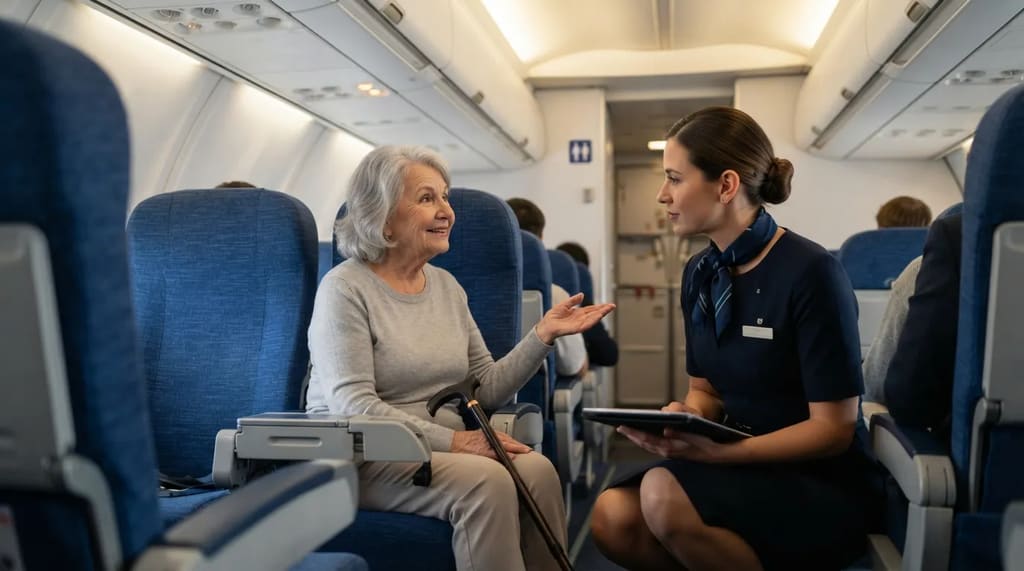
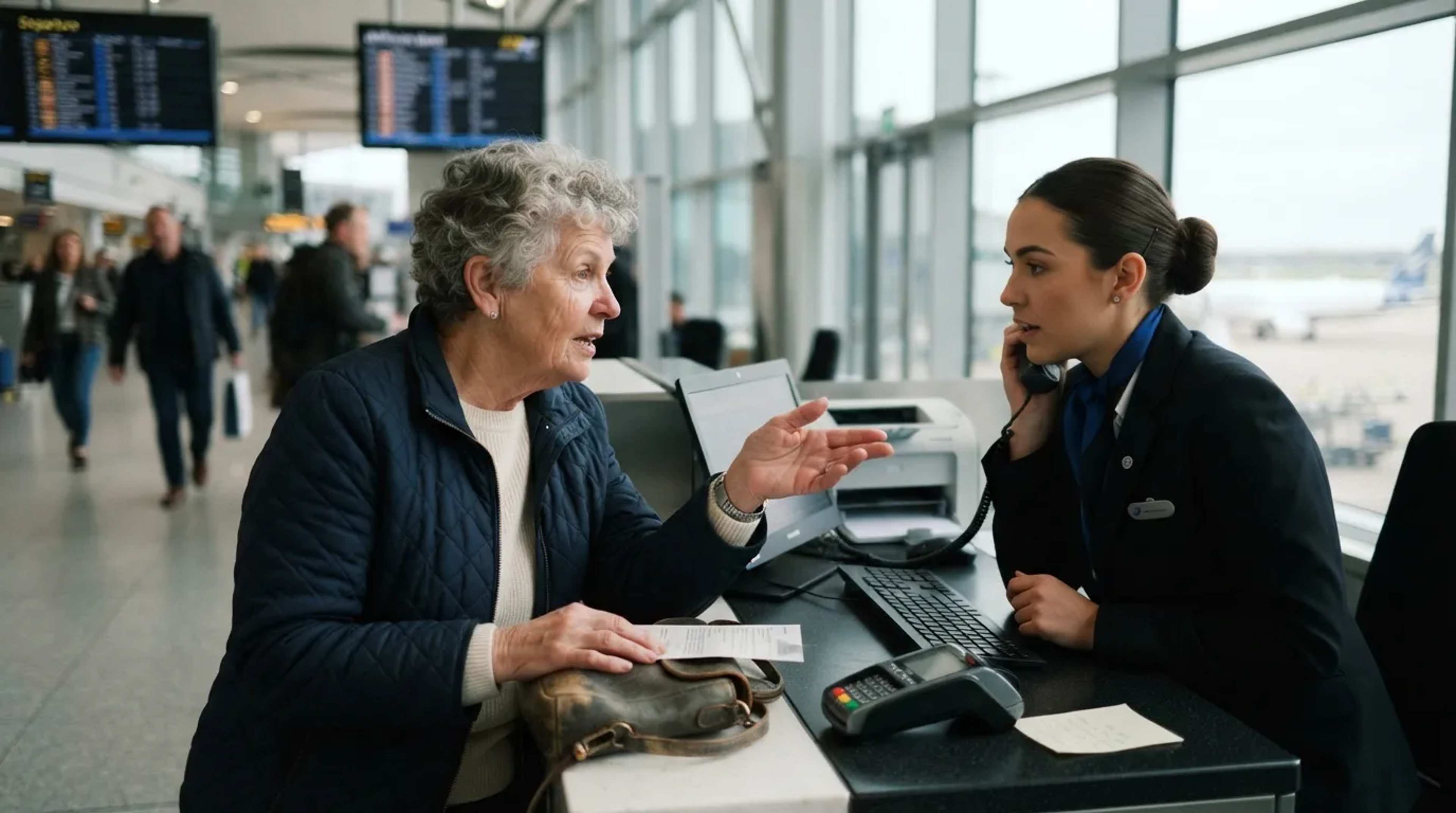
If a move matters for your health, say so. You can ask a flight attendant to move you once everyone is seated, especially when you have a legitimate safety or health concern.
Wording counts for more than your age. An aisle seat near the lavatory because of a hip replacement is easier to act on than a wish for more legroom. Telling the crew you cannot climb over a seatmate gives them a problem they can solve.
At a Glance
- Easier to act on: “I have a hip replacement and need an aisle seat near the lavatory.”
- Easier to act on: “I cannot climb over a seatmate to get out.”
- Harder to act on: “I’d like more legroom.”
- Best timing: once everyone is seated, to a flight attendant.
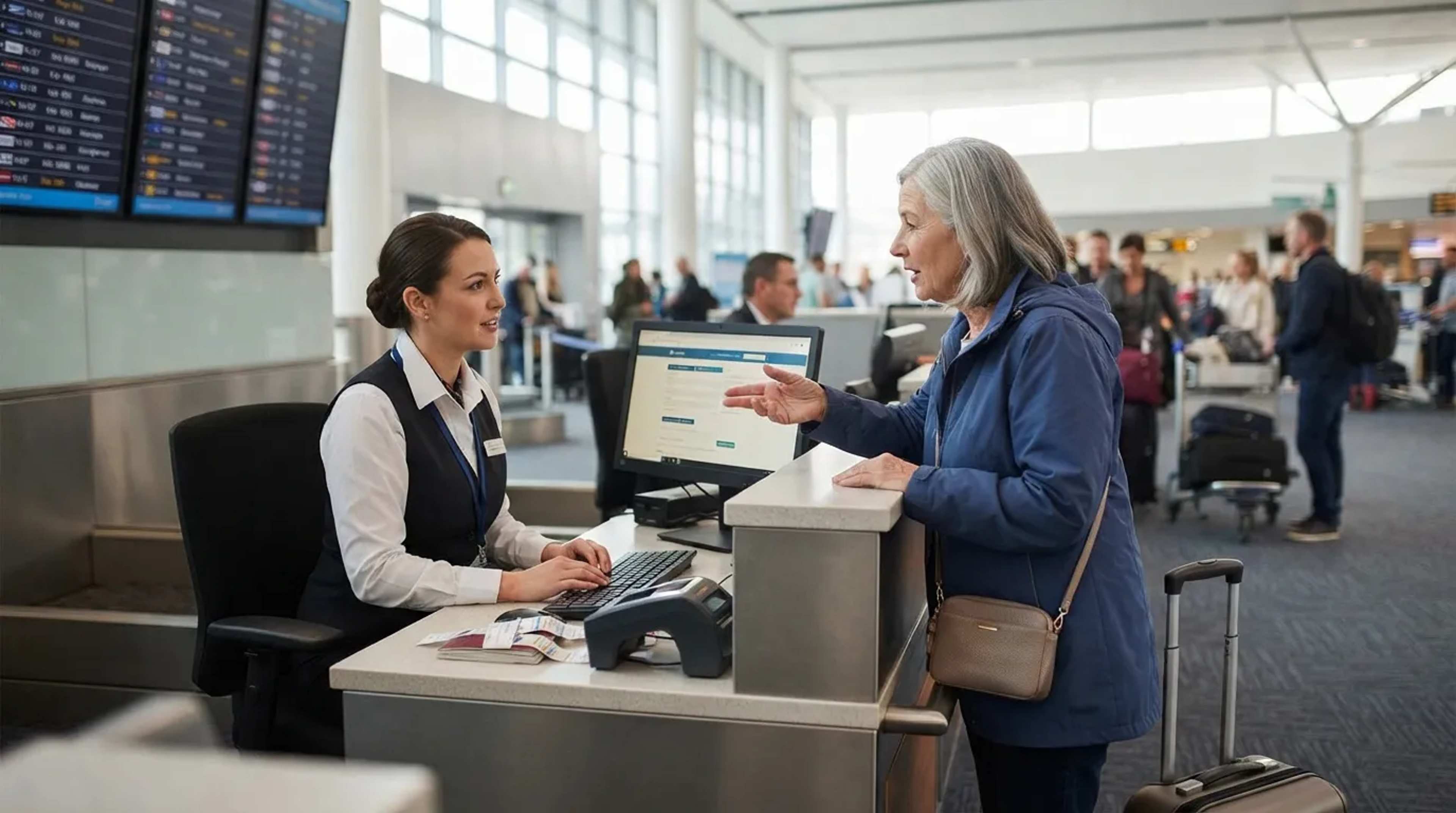
The federal rules follow the same logic. Airlines must provide certain seats to passengers who self-identify as needing them, if the seat exists in the same class of service. Other passengers with a disability must get the seat that best accommodates them, if they meet the airline’s procedures.5
Among the seats a need can earn, the aisle matters most on a long flight.
#12 – An Open Aisle Seat on a Long Flight
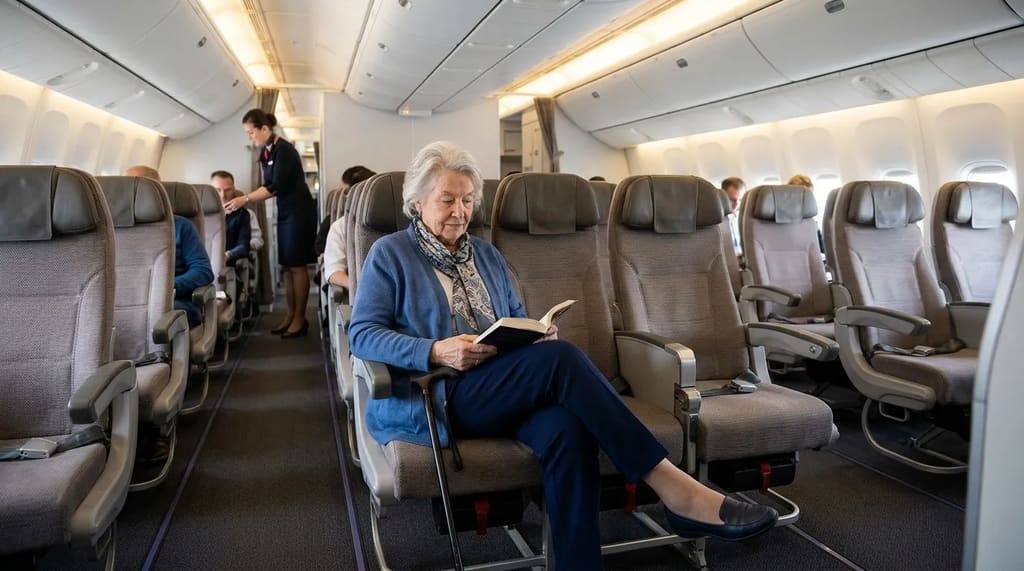
The Centers for Disease Control and Prevention advises an aisle seat where possible, so you can walk around every two to three hours.6 Kiplinger’s retiree travel guide agrees, noting an aisle seat makes it easier to stand and stretch.
Related Stories From Travelbinger


The window has its own appeal. It gives you something to lean on to sleep, while the aisle gives you more room for your legs. On a long flight, room to move is worth more than a wall to lean on.
Fast Facts
- Aisle: easier to stand, stretch and walk every two to three hours.
- Window: a surface to lean on for sleep, but you climb past a seatmate to leave.
- Best for long flights: the aisle.
- Best for short hops: the window, if you do not plan to get up.
On a flight of several hours, I would take the aisle every time. If the cabin has room, ask for a move into one the same way you would ask for an empty row. On a short hop where you do not plan to get up, the window is fine.
An aisle seat only helps if you use it, and the advice on how often is not uniform.
#11 – A Walk Down the Aisle Every Hour or Two
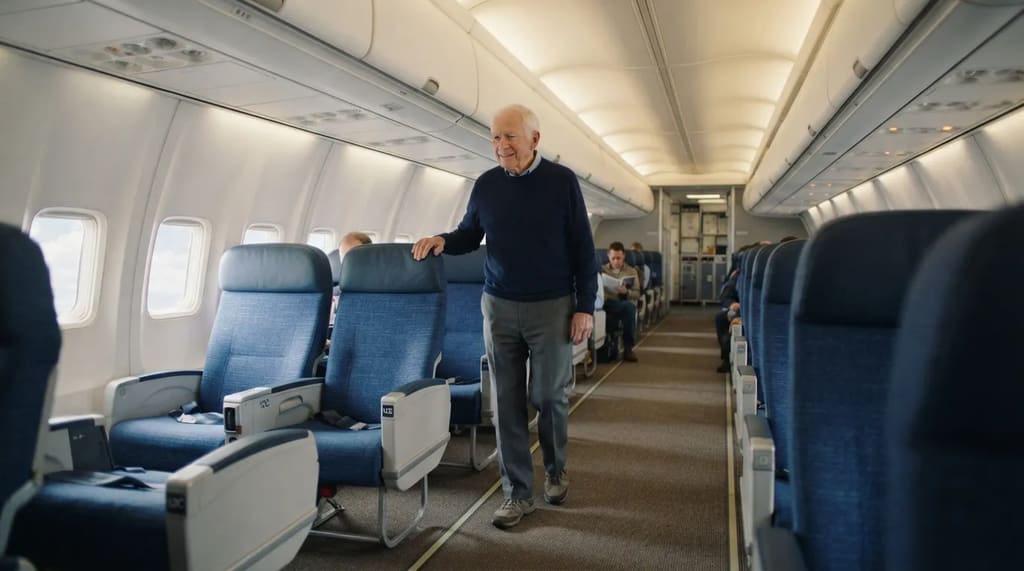
Advice on how often to walk runs from every hour to every three hours. Whatever the interval, the sensible routine is short walks when the seatbelt sign permits, plus ankle circles and calf flexes in your seat when it does not.7
- Southwest 737-700 Reconfiguration: https://simpleflying.com/southwest-airlines-completes-boeing-737-700-seat-reconfigurations-ahead-schedule/
- KTLA Southwest Weight Balance: https://ktla.com/news/the-reason-you-may-be-forced-to-take-a-middle-seat-on-the-plane-even-when-there-are-empty-rows/
- Southwest Seat Move Reports: https://finance.yahoo.com/news/southwest-airlines-terrible-policy-angers-191700528.html
- DOT Seating Accommodations: https://www.transportation.gov/individuals/aviation-consumer-protection/seating-accommodations
- eCFR Part 382 Subpart F: https://www.ecfr.gov/current/title-14/chapter-II/subchapter-D/part-382/subpart-F
- CDC Prevent Blood Clots: https://wwwnc.cdc.gov/travel/page/dvt
- WebMD Flying and Blood Clots: https://www.webmd.com/dvt/flying-blood-clots