There is something quietly brutal about a 14-hour flight. You are sealed in a metal tube at 35,000 feet, the air is dryer than any desert you have ever visited, your legs are slowly losing circulation, and your internal clock has absolutely no idea what time zone it belongs to. Most people just endure it. They white-knuckle through the hours, arrive exhausted, and spend the first two days of their trip recovering.
It does not have to go that way. A handful of surprisingly simple habits, backed by real research and the hard-won experience of frequent flyers, can transform the whole experience. Some of these will surprise you. Let’s dive in.
1. Hydrate Like It Is Your Job – Seriously

Here is a fact that tends to stop people mid-sentence: humidity levels in airplane cabins drop to between ten and twenty percent, compared to thirty to sixty-five percent in typical indoor environments – meaning airplane cabins are actually drier than the Sahara Desert, which averages around twenty-five percent humidity. That is not a metaphor. That is a measurable, documented reality that hits your skin, your eyes, your sinuses, and your energy levels all at once.
Humidity levels in airplane cabins routinely drop below twenty percent, leading to rapid loss of bodily fluids. Studies suggest men might lose up to two liters and women up to 1.6 liters of water on a ten-hour flight. Think about that the next time you skip a glass of water in favor of a Coke. Aircraft cabins are dry, which accelerates dehydration and contributes to exhaustion, which is why passengers are advised to drink at least one and a half liters of water during the flight and carry a personal bottle to refill regularly.
Switching to non-alcoholic beverages like water, herbal tea, or diluted fruit juices can help maintain energy levels and mental alertness throughout the duration of a long flight. Skip the free wine. Your post-landing self will thank you for it enormously.
2. Pick Your Seat With Strategy, Not Habit
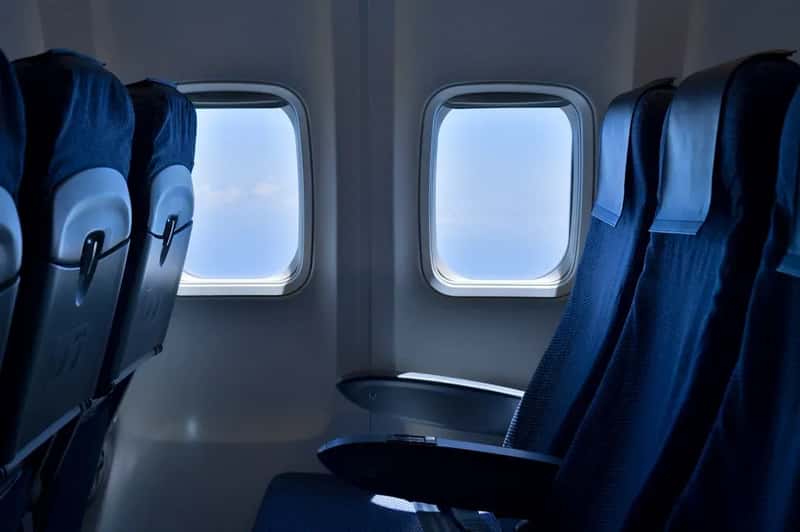
Most people click the first available seat and move on. That is a mistake that costs hours of comfort. If you plan to finish some work, an aisle seat gives you the freedom to stretch your legs and move around without disturbing your neighbor, while for a quieter, more restful flight, a window seat lets you lean against the wall for a nap. These are not the same seat. They serve very different purposes.
On wide-body planes, the economy seats with the most room are the bulkhead seats in the front of the cabin or the exit rows, which is the best bet for taller passengers, though keep in mind that the bulkhead wall is where airlines often put bassinets, so if you are bothered by crying babies, this may not be ideal. There is always a trade-off. The trick is knowing what trade-off you can live with.
It is strongly recommended to check the seating plan for your aircraft before flying, and the website SeatGuru has a comprehensive list of seating plans with color-coded ratings representing overall comfort levels. That five-minute check before booking could make the difference between eight hours of misery and eight hours of solid rest.
3. Dress for the Cabin, Not the Destination

I know it sounds obvious but you would be shocked how many people board a long-haul flight wearing stiff jeans, a belt with a heavy buckle, and shoes with six different laces. Honestly, dressing wrong is one of the fastest ways to make a long flight feel twice as long. Comfortable clothes are a must for any long-haul flight, and breathable fabrics and layers that you can adjust depending on the cabin temperature are the smart move.
Remember to bring the right type of shoes – something with too many laces will be difficult to remove both in the cabin and at security, and your feet will swell during a flight, meaning a shoe that fits tightly at the beginning will be even more challenging to put on at the flight’s conclusion. Foot swelling on flights is real and it happens to most passengers on longer routes.
Staying comfortable and regulating your body temperature is crucial for an enjoyable long-haul flight, so dressing in breathable layers made from natural fibers like cotton and linen, which can wick away moisture and promote airflow, is the practical choice. Think of your outfit as functional travel gear, not a fashion statement.
4. Wear Compression Socks (Yes, Really)
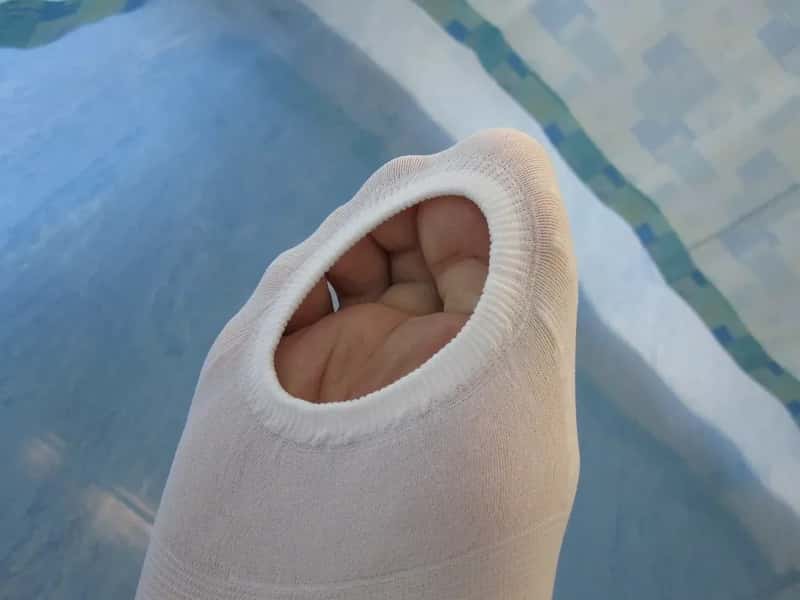
This one gets laughed at. People associate compression socks with their grandparents or hospital recovery wards. Let’s be real though – the science on this is hard to argue with. A research review from the Cochrane Database of Systematic Reviews showed that the risk of venous thromboembolism (VTE) is 1.5 to 4 times more likely on a flight four hours or longer. That is a meaningful elevation in risk simply from sitting still.
Among 2,637 participants in randomized trials, fifty developed symptomless deep vein thrombosis – three wore compression stockings and forty-seven did not, with a highly significant odds ratio showing major protective benefit from wearing them. The evidence here is not soft or anecdotal. The pressure from compression socks helps blood vessels work more efficiently, aiding in the return of blood to the heart and reducing the risk of swelling and blood clots, and can also alleviate discomfort and fatigue in the legs during and after the flight.
Even people with no physical risk factors can benefit from wearing compression socks on lengthy flights. They have come a long way in design, too – you can find them in patterns, colors, and styles that look entirely normal. No one needs to know.
5. Build a Real Sleep Environment in Your Seat

Sleeping on a plane is an art. Most people try to sleep the same way they always do, then wonder why it does not work. The cabin is brighter, noisier, drier, and more upright than anything your body considers normal rest conditions. You have to create the conditions deliberately. As soon as the plane is at cruising altitude, setting up your space for rest is key – slip on an eye mask, put on noise-canceling headphones or earbuds to drown out engine hum and chatty neighbors, and consider a travel blanket or large soft shawl, as airplane cabins often get chilly mid-flight.
Neck support that prevents head drops is critical for maintaining sleep without repeatedly waking from head rolling, and structured neck supports like the TRTL pillow or Cabeau Evolution prevent the head-drop wake cycle that fragments airplane sleep – standard U-shaped neck pillows provide minimal support compared to these structured alternatives. That cheap horseshoe pillow from the airport gift shop is doing very little for you.
A study found that travelers who adjusted their sleep schedule before flying experienced significantly less jet lag compared to those who made no pre-flight adjustments. Going to bed slightly earlier or later in the days leading up to departure – depending on your direction of travel – primes your body clock for the shift ahead.
6. Use Noise-Canceling Headphones as a Comfort Tool
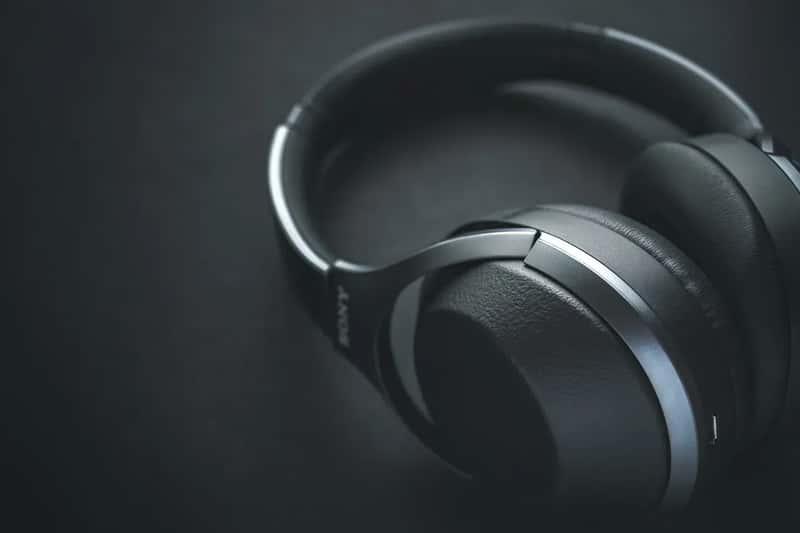
Engine noise on a long-haul flight is constant, low-frequency, and relentless. It is the kind of sound you stop consciously noticing but that your nervous system never stops processing. Active noise cancellation is exceptionally effective against consistent, low-frequency droning sounds such as airplane engines, and the reduction in cognitive load this creates allows the brain to redirect processing resources away from constant environmental monitoring and toward tasks, relaxation, or social engagement. That is not a small benefit. That is your brain reclaiming bandwidth.
Contrary to popular belief, headphones with active noise cancellation do not cancel out all external noise – they work to reduce consistent and predictable noise, which makes them perfect for flying as the algorithm can latch on to the constant hum of the engines and block it out almost entirely. It is genuinely one of the most impactful single investments a frequent flyer can make.
Besides improving the listening experience, noise-canceling headphones have several practical benefits such as limiting noise from loud environments like airports and loud transportation like airplanes, and some research has investigated their wider health benefits. Think of them less as an audio product and more as a cabin pressure valve for your nervous system.
7. Move Your Body Every Single Hour
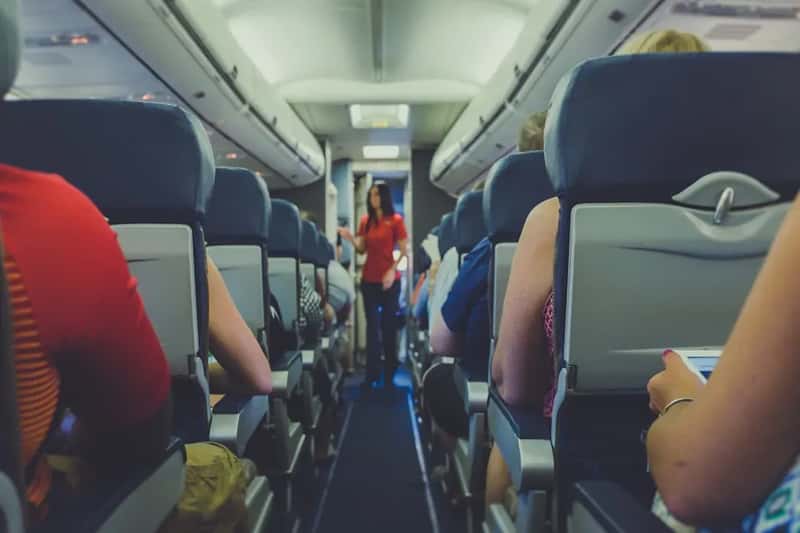
Sitting completely still for ten hours is something the human body was simply not built to do. Immobility for extended periods reduces circulation, particularly in the legs, creating risks for deep vein thrombosis in susceptible individuals and causing swelling, stiffness, and discomfort even for healthy passengers, as blood pools in the lower extremities when sitting motionless, reducing cardiovascular efficiency and creating that heavy-legs sensation. You have felt this. Everyone has felt this.
Taking frequent walks through the cabin is recommended to all flyers, as are in-seat exercises such as ankle circles, foot flexes, knee lifts, and shoulder and neck rolls. These are not dramatic or disruptive exercises. A minute of ankle circles every hour, a slow walk to the galley and back – it all adds up to substantially better circulation and less post-flight stiffness.
Here is a simple mental trick: treat every hour of the flight like a timer. The moment that hour ticks over, stand up or do something in your seat. It is like setting tiny checkpoints across a long race. The miles pass faster, and you land feeling like a person rather than a piece of carry-on luggage.
8. Pack a Proper Comfort Kit in Your Carry-On
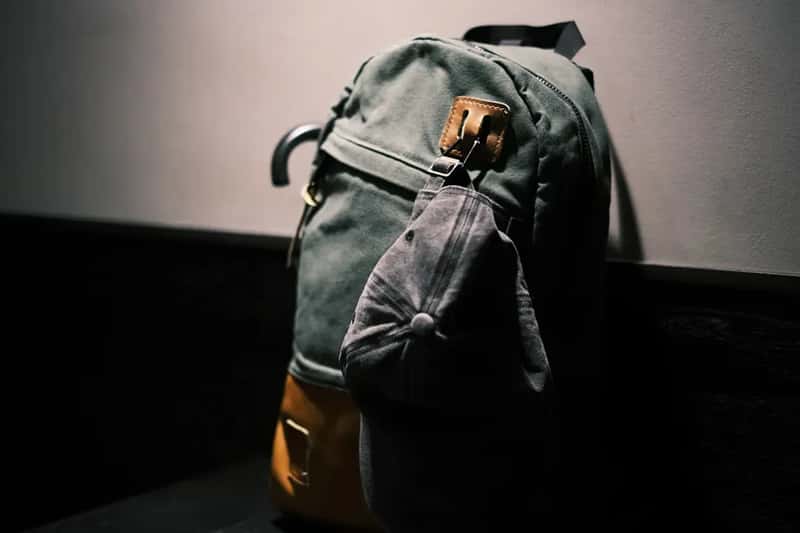
The difference between a good long flight and a miserable one is often sitting inside a small bag tucked under the seat in front of you. The recycled air on an airplane can not only internally dehydrate you but it can cause your eyes and skin to experience more dryness than usual, meaning lip balms and moisturizers that are small enough to bring in your carry-on can help you combat this dry air, and if you are a contact lens wearer, opting for glasses during the flight can avoid dry and irritated eyes.
Take a small toiletries bag with you containing lip balm, roll-on deodorant (since aerosols are not permitted in the cabin), and toothpaste and a toothbrush. Brushing your teeth mid-flight sounds minor but it genuinely resets your mental state – experienced flight crew consistently name this as one of the best mid-flight refresh habits available to everyone, in any cabin class.
Using packing cubes or pouches in your carry-on to group items – one pouch for your comfort kit, one for electronics, one for snacks – means you can quickly grab what you need from under the seat without rummaging through everything, which is a surprisingly significant quality-of-life improvement in the cramped environment of an airplane seat. Organization is comfort in disguise.
9. Manage Your Eating and Alcohol Habits Intentionally
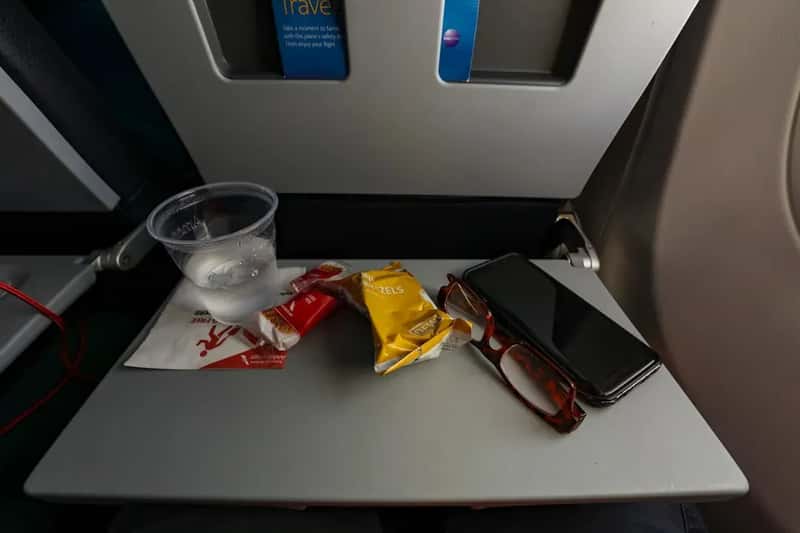
The little trays of airplane food arrive with an almost hypnotic timing. You eat because something arrived, not because you are hungry. It is hard to say for sure how much this affects overall comfort, but the evidence on alcohol during flights is a lot clearer. Airline cabin air, which is typically less than twenty percent humidity, can amplify alcohol’s dehydrating effects leading to a more severe hangover after the flight, and alcohol also disrupts the body’s natural sleep cycles, making it harder to adjust to new time zones and recover from jet lag after long-haul travel.
Passengers should hydrate before and after the flight to better support hydration management, and avoiding beverages that can dehydrate – like excessive amounts of alcohol and caffeine – is also crucial. The free drinks are genuinely tempting. Treat them as an occasional indulgence rather than a flight-long habit, and your body will notice the difference on arrival.
Adequate rest before long-haul flights is crucial for maintaining energy levels and combating fatigue, and travelers should aim for seven to eight hours of quality sleep the night before the flight and consider implementing calming pre-flight routines such as light stretching or meditation to aid in relaxation. What you do the evening before departure often matters just as much as what you do in the air. Walking onto a long flight already rested is an underrated advantage that most people never think to plan for.
The Bottom Line: Small Habits, Big Difference
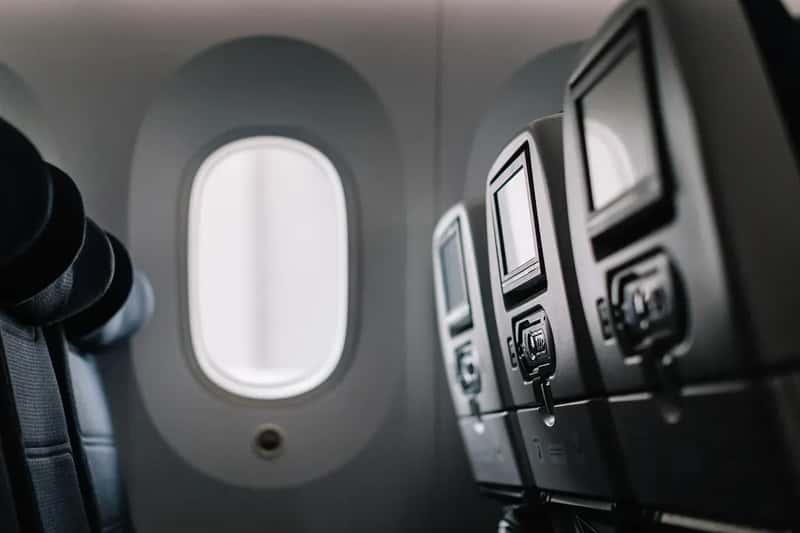
Long-haul flights are never going to feel like an afternoon at a spa. Nobody is claiming that. Small, purposeful habits can make a major difference in how refreshed a traveler feels upon landing, and simple strategies, when applied consistently, can transform extended flights into a comfortable and even restorative experience. That is the real promise here – not perfection, just a dramatically better experience than white-knuckling through the hours in a state of low-grade misery.
The habits above are not expensive or complicated. Most of them cost nothing at all beyond a bit of planning. Hydrate consistently, choose your seat wisely, dress for comfort, protect your circulation, create a sleep environment, block the noise, move regularly, pack smart, and watch what you eat and drink. Nine habits. Nine small investments. One genuinely better flight.
What would you have guessed made the biggest difference? The answer might surprise you.