There’s something primal about the way your heart races when you spot a spider in the corner of your room, or how your breath catches seeing a snake slither across a hiking trail. These reactions aren’t just random quirks of your personality. They’re deeply embedded responses that our ancestors developed over millions of years, hardwired into our brains for survival. While modern life has distanced us from most dangerous predators, our bodies still remember. That sudden jolt of fear when you see certain creatures? It’s your ancient brain doing exactly what it was designed to do, keeping you alert to potential threats that once meant the difference between life and death.
What’s fascinating is that these fears aren’t uniform across all animals. We’re not born terrified of cows or chickens, even though they’re much larger than many creatures that make us jump. Instead, our instinctive fears target specific groups of animals that posed genuine dangers to early humans. Some of these fears make perfect sense when you look at the statistics, venomous creatures, and apex predators that still claim human lives today. Others might surprise you, revealing uncomfortable truths about which animals have shaped our evolution in unexpected ways. Let’s dive into the creatures that trigger our most ancient survival instincts.
Spiders

Spiders earned a total of 4.39 points out of 5 for fear and 4.47 points for disgust in a recent study examining human responses to frightening creatures. Close to 19 percent of volunteers expressed an extreme fear when exposed to photos of spiders, making them the clear winner among fear-inducing animals. Scientists at the Max Planck Institute discovered something fascinating about our relationship with these eight-legged creatures. Babies as young as six months old feel stressed when seeing these creatures, long before they could have learnt this reaction.
The fear runs deeper than you might think. Researchers propose that the reason for this particular reaction is due to the coexistence of these potentially dangerous animals with humans and their ancestors for more than 40 to 60 million years. Honestly, it makes sense when you consider that spiders have been around long enough to become hardwired into our brains. Even children so young they couldn’t possibly have learned that spiders are something dangerous still showed pupil dilation, indicating a stress response that’s built into us from birth.
Snakes
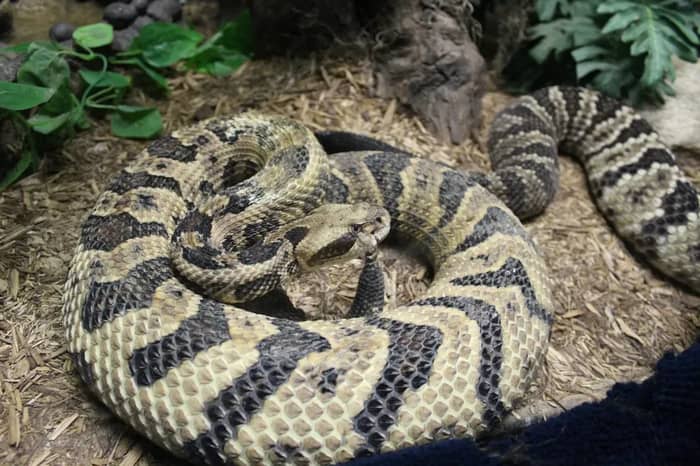
The image of a venomous viper inflicted the greatest fear response in almost 10 percent of volunteers, placing snakes firmly in second place among humanity’s most feared creatures. Here’s the thing: this fear isn’t random. The snake represents an extremely salient fear stimulus not only to humans but also to other primates, and many authors have proposed that the human brain is deeply adapted to respond to snake stimuli, according to research published in 2023.
Throughout the long evolutionary history of primates, snakes have consistently been among their most deadly predators. The data from baby studies is particularly revealing. When babies saw pictures of snakes and spiders, they consistently reacted with larger pupils than when shown control images of flowers and fish, suggesting that a fear of these creatures could be innate. Let’s be real, if even infants who’ve never encountered a snake show heightened stress responses, that tells us something fundamental about how our species evolved.
Sharks
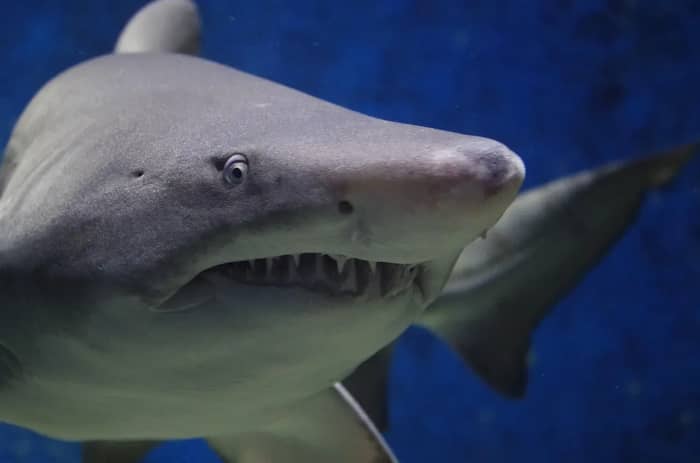
Sharks inspire terror in many beachgoers, yet the statistics tell a surprising story. In 2024, just 47 people were hurt in unprovoked shark attacks – the lowest level in almost 30 years. The chances of drowning are 1 in 1,134 compared to the 1 in 4,332,817 odds of being bitten by a shark, which puts the actual risk into perspective.
Still, the fear persists. Out of more than 500 shark species, only 13 are known to bite humans “frequently”, defined as biting humans 10 or more times. One of the most common causes of shark attacks is believed to be mistaken identity, particularly when surfers resemble seals from below the water’s surface. The gap between perception and reality couldn’t be wider – every year, an estimated 80 million sharks are killed by fisheries alone, meaning we’re far more dangerous to them than they are to us.
Large Carnivores

Big cats, bears, and wolves occupy a special place in human fear psychology. It makes perfect sense from an evolutionary standpoint. Exposed and relatively defenseless, our predecessors stood a good chance of being eaten by bigger, badder species, and for most of our evolutionary history as primates, we were far more likely to play the role of Big Mac than Big Man on Campus.
Research found that one in four Agta men had been attacked by a reticulated python, and of the 120 men whose stories were considered for the study, six had been killed by a python – a death-by-python rate of 1 in 20. Some predators, such as leopards, ate many of our ancestors, which explains why our brains developed specialized threat-detection systems. The human body still carries the legacy of being prey – our fight-or-flight responses kick in instantly when confronted by large predators, even in the safety of a zoo.
Bats
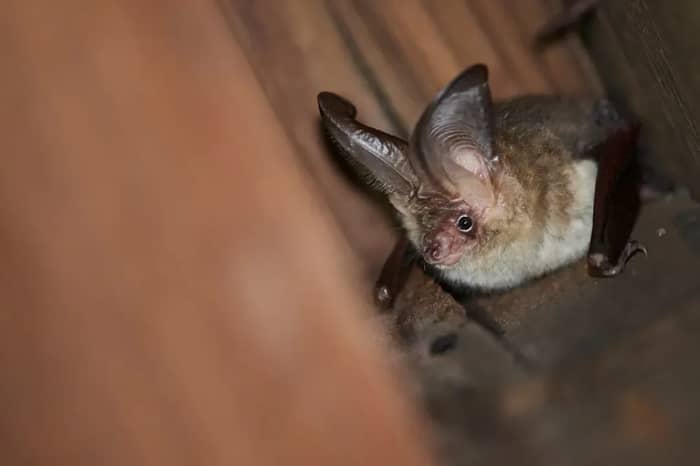
Bats evoke a unique combination of fear and misunderstanding. The more common way of getting rabies is from the silver-haired bat, according to researchers at the Mayo Clinic. During 1960–2018, approximately 70% of 89 human rabies cases acquired in the United States were caused by exposures to bats, which has contributed significantly to their fearsome reputation.
The reality is more complex than the fear suggests. In 2020, public health programs tested approximately 24,000 bats for rabies, and 1,401 (5.8%) were confirmed positive. I know it sounds crazy, but bats are actually vital to ecosystems – they pollinate plants and control insect populations. The bat doesn’t always bite; sometimes the saliva will drool onto you, and you could have a minor open cut, or sometimes a bat will lick on the skin and transmit the virus that way, which makes any bat encounter potentially risky, but doesn’t justify wholesale fear of these creatures.
Crocodiles and Alligators
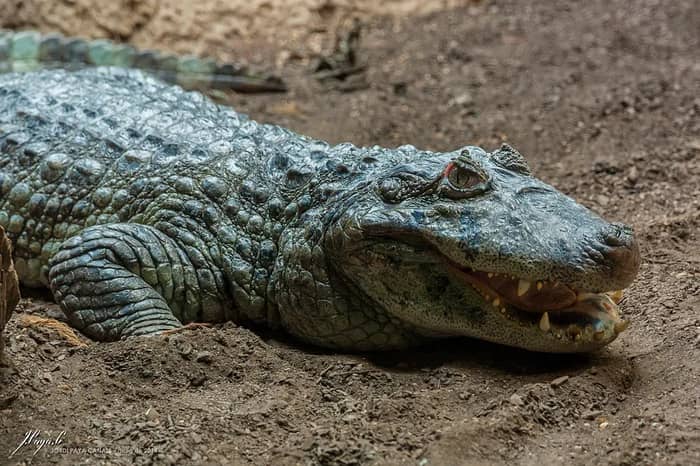
Ancient, powerful, and perfectly adapted for hunting, crocodilians represent one of nature’s most efficient predators. These animals trigger deep-seated fears that reach back millions of years. Crocodiles, komodo dragons, or sharks took their bites more opportunistically, savoring the occasional human or proto-human the way one might enjoy some special holiday treat.
There’s something primal about the fear of crocodiles. Unlike many predators, they hunt both on land and in water, making them particularly versatile threats. Their patient, ambush-style hunting – where they can remain motionless for hours before exploding into action – taps into our ancestral memories. Roughly three dozen unprovoked attacks occur globally each year, with fatality rates significantly higher than many other predator encounters. The fear is justified in regions where humans and crocodilians share space, particularly in parts of Africa, Australia, and Southeast Asia.
Scorpions
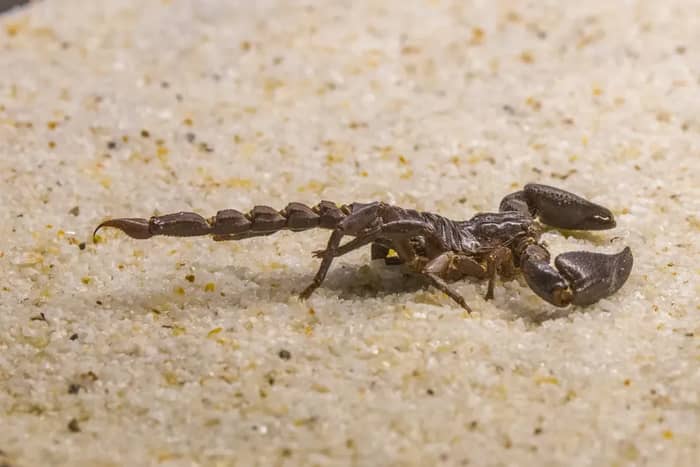
With their raised stinging tails and armored bodies, scorpions trigger immediate revulsion and fear in most people. Research from 2023 examining fear responses found that scorpions rank among animals that evoke significant fear across cultures. Eye-tracking studies focusing on scorpions in Somaliland provided supportive evidence for innate fear responses to these creatures.
Only about 25 species out of roughly 2,000 scorpion species possess venom potent enough to kill a human. Yet our brains don’t make that distinction when we spot one scuttling across the floor. The fear likely stems from evolutionary pressures – scorpions have existed for over 400 million years, giving our mammalian ancestors plenty of time to develop avoidance behaviors. Their nocturnal habits and tendency to hide in shoes, clothes, and bedding make them particularly anxiety-inducing in regions where they’re common.
Rodents
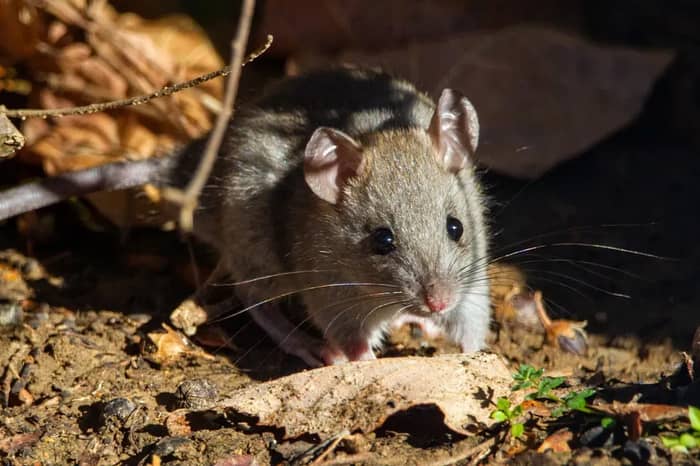
Mouse-like animals, including mice, rats, and bats, induced low fear and disgust levels compared to spiders and snakes, but they still trigger significant anxiety in many people. The fear of rodents often stems less from direct danger and more from disease association. Historically, rats have been linked to plague outbreaks and other illnesses that killed millions.
What’s fascinating is that rodent phobias often develop through cultural transmission rather than innate programming. The persistence of irrational fears towards mostly harmless species in humans highlights the powerful influence of local and indigenous knowledge, beliefs, misconceptions, and socio-cultural transmission published in research from 2025. Many people who fear mice have never been harmed by one. The rapid, unpredictable movements of rodents – darting across floors or appearing suddenly – trigger our threat-detection systems even though the actual danger is minimal.
Wild Dogs and Wolves
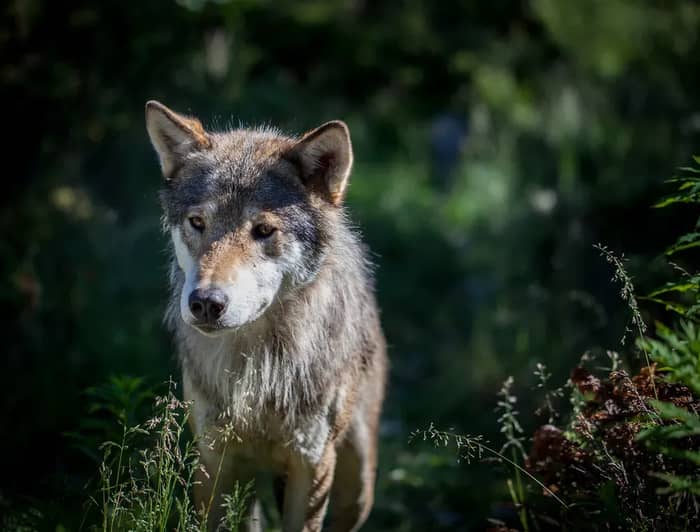
Wolves and wild canines occupy a complicated space in human fear psychology. In up to 99% of human rabies cases, dogs are responsible for virus transmission, which explains part of our wariness. Throughout history, wolves competed with humans for resources and occasionally preyed on livestock or even people, cementing their status as threats.
The fear of wild canines differs from other animal fears because of the pack-hunting dynamic. A lone wolf rarely posesa serious threat to adult humans, but a pack hunting cooperatively triggers deeper anxieties. Interestingly, modern research shows wolves generally avoid humans – attacks are extraordinarily rare in North America and Europe. The fairy tales and folklore depicting wolves as villains have amplified fear beyond what’s warranted by actual risk. Still, the evolutionary memory persists, and encounters with wild dogs or wolves in remote areas can trigger intense fear responses.
Humans
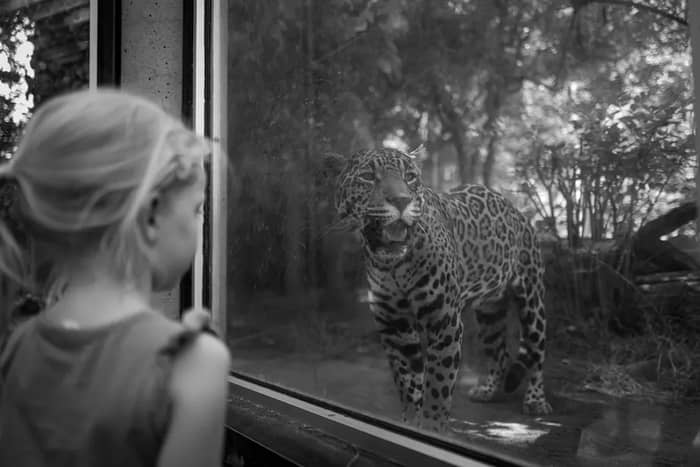
Here’s something that might surprise you: animals fear humans more intensely than any other predator. Animals such as giraffes, leopards, zebras, warthog,, and hyenas were twice as likely to flee, and they abandoned waterholes 40% faster in response to human stimuli than they did when encountering lions, or even hunting sounds such as gunshots and barking dogs, according to research published in Current Biology in 2023.
89% of savanna mammals were more likely to run, and 84% ran faster when they heard humans compared to lions. Think about that for a moment – we inspire more terror than apex predators. Wildlife worldwide fear the human ‘super predator’ far more than other predators, and this finding was confirmed by studies in South Africa, Australia, and other regions. A study demonstrates that kangaroos, wallabies, and other Australian marsupials fear humans far more than any other predator as well, published in 2024.
Fear itself can reduce wildlife numbers, and fear of humans can cause cascading impacts on multiple species throughout entire landscapes. Maybe the most terrifying animal on Earth isn’t one with fangs, venom, or claws – it’s us. The ecological consequences of being the planet’s most feared species extend far beyond individual encounters, reshaping entire ecosystems simply through our presence. So what do you think about that? Tell us in the comments.