Housing shortages have a way of turning quiet policy debates into loud political fights, and short-term rentals have become one of the most visible targets. From coastal Spain to the hills outside Dublin, governments are running out of patience with platforms that turn apartments into de facto hotels. What started as scattered local rules a few years ago now looks like a coordinated, continent-spanning shift toward outright restriction.
Some of these countries have already pulled the trigger on partial bans. Others are still debating the details, but the direction of travel is unmistakable. Here is a country-by-country look at where the pressure is building fastest, and the reasoning driving each government’s hand.
1. Spain

Spain has moved from warnings to enforcement with striking speed. Madrid’s crackdown has already reduced tourist flats from 16,959 to 14,297, a drop of nearly sixteen percent, while regulators found that only a small fraction of listings, roughly seven percent, actually held valid licences. The national government followed up with serious financial penalties, confirming that Airbnb must face a 64 million euro fine originally imposed in December 2025 by Spain’s Ministry of Social Rights, Consumer Affairs and Agenda 2030.
Barcelona remains the most extreme case in the country, and arguably in Europe. City officials confirmed that in 2024 the council announced it would not renew the licenses for the 10,101 apartments approved for tourist use once they expire, with the cutoff set for November 2028. Spain’s Constitutional Court upheld the plan in March 2025, and five neighboring municipalities have since said they will end their own tourist rentals on the same timeline. The mayor framed it plainly: the goal is to return those flats to residents in a city where rents had soared.
2. Netherlands
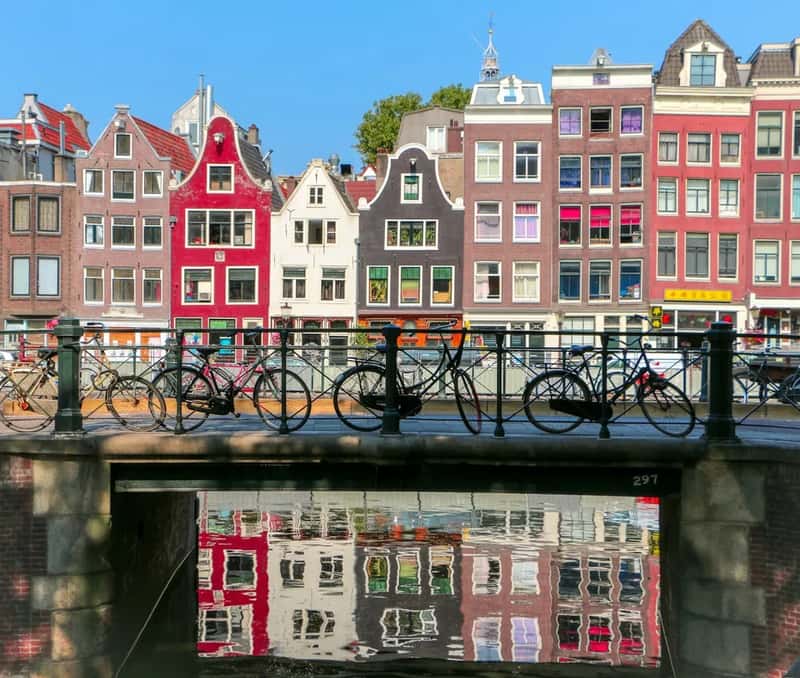
Amsterdam has spent years tightening the screws on holiday lets, and it is not finished yet. The city currently limits whole-home lets to 30 nights per year, but that ceiling is about to drop sharply. As of 1 April 2026, the city is set to reduce the annual cap on short-term rentals from 30 nights to just 15 per year in high-demand districts like the city centre and De Pijp, aiming to preserve its character and ensure residents aren’t displaced by investors profiting from tourism.
Analysts following the sector describe the change bluntly, noting that the new rules severely limit the number of nights hosts can rent out their properties, signaling the end of Airbnb-style rentals as a viable business for many hosts. The city is not alone in the Netherlands, but Amsterdam’s approach has become the template other Dutch municipalities are watching closely. Given how far the cap has already fallen in just a few years, a further tightening toward something closer to zero nights for non-primary residences would not be a surprising next step.
3. Hungary
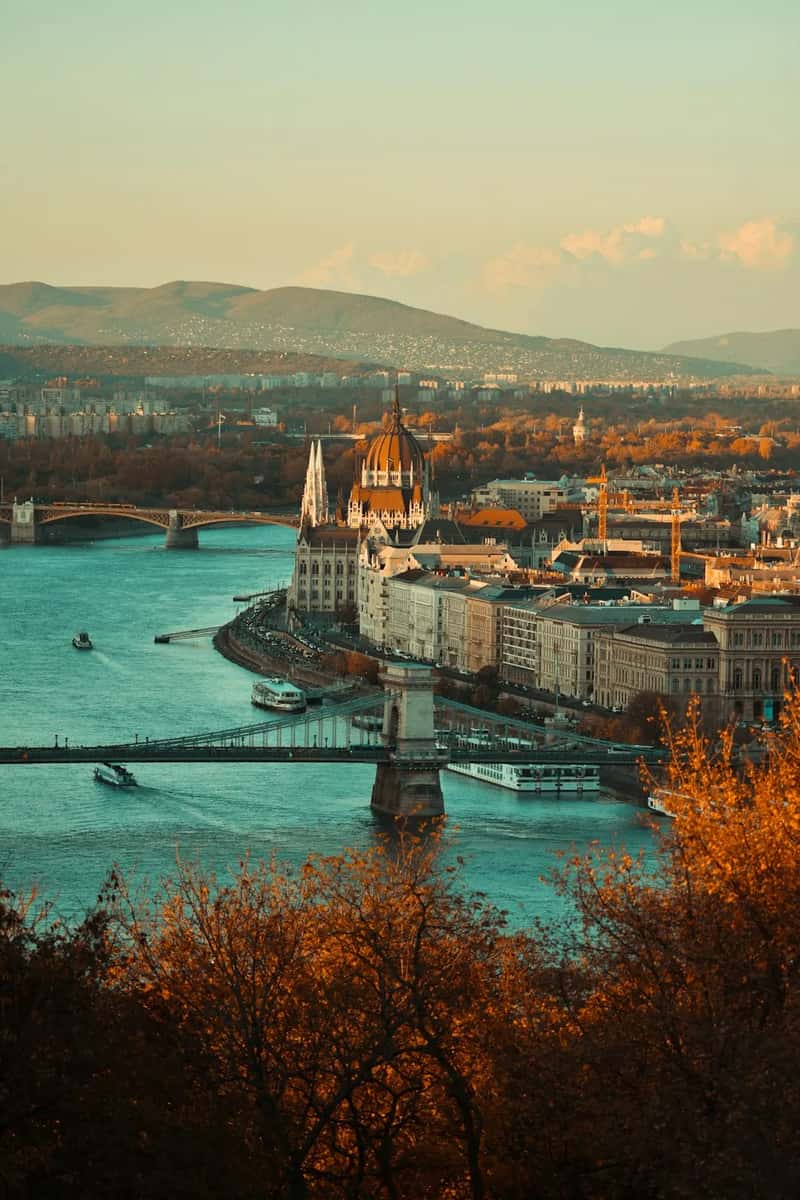
Hungary crossed a line that few other European countries have dared to cross: a genuine, district-wide ban. Reporting confirms that in Budapest, the central 6th district, Terezvaros, banned short-term rentals outright as of January 1, 2026, after a local referendum and a green light from Hungary’s Supreme Court. This makes it the first such ban in the country, in a district where short-term flats had grown to about 8 percent of all housing, and the city as a whole now has more Airbnbs than hotel rooms.
What makes Hungary worth watching closely is the mechanism behind the ban. It was not simply imposed from above; it followed a public vote, which gives it a degree of democratic legitimacy that could make it easier to replicate elsewhere. Analysts covering the story note that other districts could follow, and given Budapest’s citywide imbalance between tourist flats and hotel capacity, a broader municipal or even national response seems plausible within the next few years.
4. Greece

Athens has taken a more gradual route, but the trajectory points toward stricter limits rather than looser ones. The city imposed a freeze on new short-term rental registrations in three central municipal districts, covering tourist-heavy areas such as Plaka, Koukaki, and Exarcheia, which began in January 2025 and has been extended through 2026. Existing licensed properties can keep operating, but the door has effectively closed to newcomers in those neighborhoods.
The freeze is not staying contained to the capital. Government officials have signaled the freeze may spread to Thessaloniki, Santorini, Paros, and Chania, all destinations that have struggled with the same tension between tourist demand and resident housing. If Athens extends the freeze into an outright ban, or if the government decides to formalize the policy nationally, Greece could move from cautious pilot programs to something considerably firmer.
5. Ireland
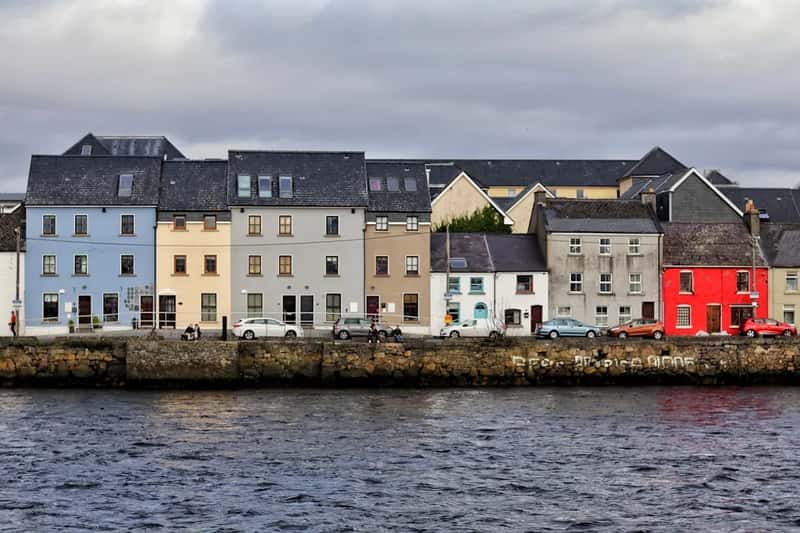
Few countries illustrate the housing versus tourism standoff as starkly as Ireland. One striking comparison making the rounds shows 2,300 available rental homes on Daft.ie against upwards of 8,000 short-term lets on Airbnb, a gap that has fueled political urgency. The government’s response now includes a rural planning measure that would prevent newly built one-off rural homes from being used as short-term rentals for at least 10 years after construction.
On top of that, Dublin is preparing a national registration scheme, confirming that Ireland’s new short-term rental rules, effective May 2026, require all properties rented for up to 21 nights to register with Fáilte Ireland, aimed at easing the housing crisis by potentially shifting 10,000 properties to long-term rentals. Separately, ministers agreed to restrict short-term lets in towns with populations above 20,000, giving existing operators two years to comply. None of this is a nationwide ban yet, but between rural restrictions, urban caps, and mandatory registration, Ireland is assembling most of the legal groundwork a full ban would need.
6. Portugal

Portugal was an early mover in Europe’s regulatory shift, and it has kept adding layers since. Its largest cities began restricting Airbnb-style rentals in 2021 by banning new licenses in designated housing pressure zones across Lisbon, Porto, and Faro. What started as a controversial experiment has since been reinforced rather than rolled back.
The government followed up with structural changes rather than just zone freezes. In 2022, officials introduced mandatory registration, stricter safety rules on short-term rentals, and tax incentives for landlords to switch back to residential letting, while also increasing investment in social housing to encourage growth in affordable housing. Portugal has avoided a blanket ban so far, but the pattern of steadily narrowing where new licenses can even be issued suggests the pressure zones could eventually cover most of the country’s tourist hotspots.
7. France

France has arguably passed the most sweeping national legislation of any European country. The Loi Le Meur, described as going further than any other EU member state, was adopted in November 2024 and progressively implemented throughout 2025–2026. Under the new rules, every meublé de tourisme in France must obtain a 13-digit registration number via the national Declaloc portal and display it on all listings from 20 May 2026.
The penalties attached to noncompliance are not symbolic. Fines run as high as 10,000 euros for missing registration, 20,000 euros for false declarations, and up to 50,000 euros for more serious infractions, and platforms are legally required to pull noncompliant listings. Paris itself has already tightened the screws further, cutting the maximum number of rental days for a primary residence from 120 to 90 as of January 2025. With over 90,000 listings in the capital alone by the end of 2024, France has built one of the strictest enforcement systems in Europe, and there is little sign officials plan to loosen it.
8. Germany
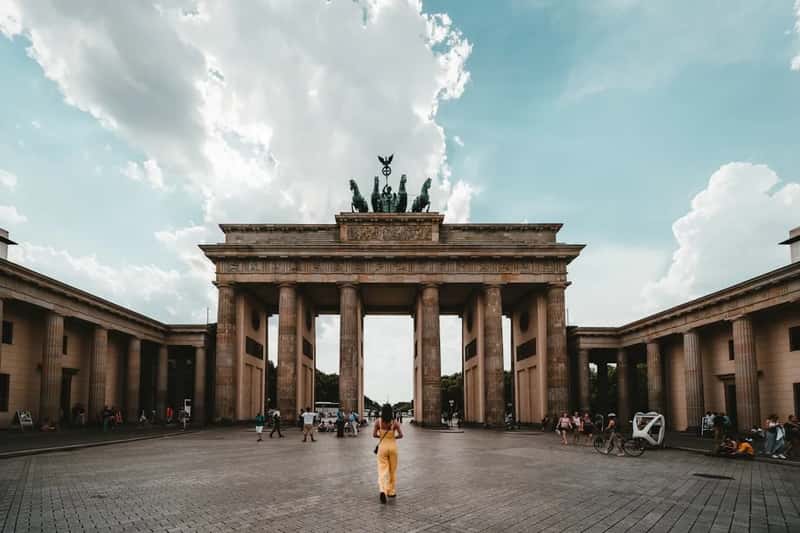
Berlin has run one of Europe’s toughest short-term rental regimes for over a decade, and courts keep backing it up. The city’s Zweckentfremdungsverbot, its ban on the use of residential space for short-term rentals without special permission, was introduced in 2014 and has been upheld and strengthened over the years. That legal foundation was reaffirmed again recently, as a court ruling in September 2025 reaffirmed the city’s position that residential housing must be preserved for long-term tenants.
The practical effect has been significant, with the policy having successfully removed hundreds of Airbnb properties from the market in Berlin alone. Other German cities have watched Berlin’s approach closely, and given how consistently German courts have sided with residential-preservation arguments, it would not be surprising to see similar permission-based bans spread to other major cities facing their own rent pressures.
9. Italy

Italy has not banned short-term rentals outright, but the direction of its 2026 policy overhaul leaves little doubt about where things are headed. The government’s draft budget would replace the reduced 21 percent tax rate for a single short-term rental property with a flat 26 percent rate applied across all short-term rental income, a move explicitly tied to concerns about overtourism and housing shortages. On top of the tax change, the country rolled out a mandatory national identification code, with more than 620,000 CIN codes issued in the first year of the national database.
The 2026 Budget Law added another structural limit that pushes hosts toward formal business status. Under the new framework, the short-term rental tax scheme applies to a maximum of two properties per tax year, with anything from the third property onward considered a business activity requiring VAT registration. None of this amounts to a ban yet, but the combination of higher taxes, mandatory registration, and business-status thresholds is squeezing casual hosts out of the market in a way that could easily tip into stricter local bans if housing pressure keeps building.
Taken together, these nine countries show a pattern rather than a coincidence. Housing scarcity, tourist overcrowding, and political frustration with platforms like Airbnb have pushed governments from mild registration rules toward genuine bans, expiring licenses, and shrinking night caps. Whether any of them reach a true nationwide ban remains uncertain, but the legal and political groundwork is already in place in most of them. For travelers and hosts alike, the safest assumption right now is that the rules will keep tightening, not loosening, at least for the next few years.