

The United States ranks 59th out of 60 countries in Remote’s 2025 Global Life-Work Balance Index. That’s not a typo. For a country that prides itself on ambition and productivity, it’s a striking number, and more and more Americans are starting to notice.
A Gallup poll found that roughly one in five Americans say they would like to move abroad permanently. For many, the draw isn’t just lower costs or warmer weather. It’s the simpler, harder-to-define feeling of actually having a life outside of work. These are the nine countries where Americans say that feeling finally clicked.
1. New Zealand

New Zealand holds the top spot in the Remote Global Life-Work Balance Index for the third consecutive year, improving its score from 2024 thanks in part to a slight increase in minimum wage. The country scores consistently well across key indicators including statutory annual leave, public safety, and happiness. It doesn’t dominate every single metric, but its across-the-board reliability is precisely what makes it stand out.
With a Quality of Life Index score among the highest globally, New Zealand ranks particularly well in pollution levels, healthcare access, and recreational activities. The country offers a high minimum wage and 32 days of statutory annual leave, and recent visa reforms allow employees to work remotely for foreign employers while staying for up to nine months. For Americans used to two weeks of vacation and no guaranteed sick pay, those numbers feel almost unreal.
2. Denmark
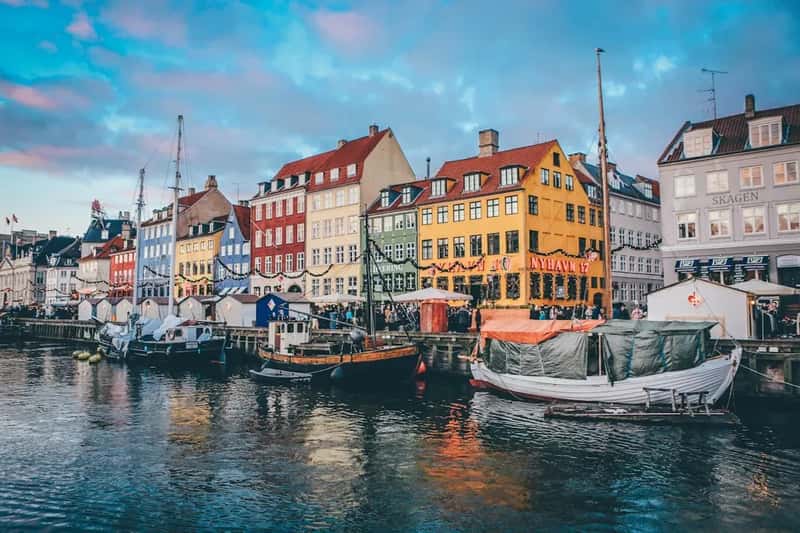
Denmark is renowned for its exceptional work-life balance, placing third in the Work and Leisure category of the InterNations Expat Insider Survey 2025. A full-time workweek typically runs around 37 hours, and workers receive five weeks of paid vacation plus public holidays. The Danish concept of “hygge,” which loosely translates to cozy contentment, isn’t just a lifestyle trend sold in home goods stores. It genuinely shapes how people approach time off.
Denmark is considered the world’s second-happiest nation according to the World Happiness Report and offers a generous statutory annual leave entitlement of 35 days. The country also adopts one of the world’s most parent-friendly leave policies and is considered one of the safest places to live, as well as one of the leaders in promoting LGBTQ+ inclusivity. Copenhagen, in particular, has a reputation for modern urban planning and green space that makes after-work life genuinely enjoyable.
3. Germany

Germany climbed to fourth position in the 2025 life-work balance index. While punctuality and professionalism are traditionally seen as core German values, there’s also a strong emphasis on working smarter, not harder. The cultural shift toward efficiency over sheer hours puts it in a different league from the American grind mentality.
Key factors behind Germany’s improved score in 2025 include an increase in statutory sick pay, especially for parents, a rise in overall happiness, and a reduction in average hours worked per week. American expats who have settled in German cities consistently note the sense of being genuinely disconnected from work after 5 PM. The boundaries are real, and colleagues respect them.
4. Norway

Norway moved from ninth place in 2024 to fifth in 2025, a rise driven by adjusted parental leave policies. The government extended the 80 percent salary coverage period by 11 days, and parents who choose to take extended leave are no longer financially penalized. The structural support for families here goes well beyond anything the American federal system currently provides.
The work culture in Norway steers heavily toward equality and cooperation, and leaving early isn’t just allowed, it’s actively encouraged. The Norwegian philosophy of Friluftsliv, or open-air living, means life happens outside, come rain or shine. Norway also has a strong culture of flexible working hours, with many workplaces offering flexitime that lets employees start and end their workday at different times, as long as they complete their weekly hours.
5. The Netherlands
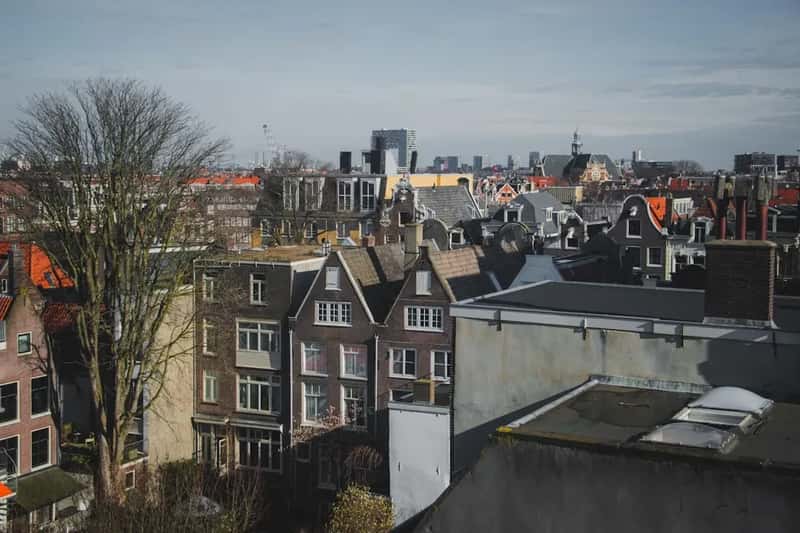
The Netherlands is a popular destination for international professionals, thanks to good salaries, attractive visa options, and a high level of English spoken in the workplace. Amsterdam ranks fifth in InterNations’ 2024 Working Abroad Index, with many expats saying they’re satisfied with their jobs and work-life balance. Nearly every meeting ends on time, and overtime is genuinely uncommon.
Many employees in the Netherlands work a four-day workweek or have flexible work arrangements. Overtime is not a widespread practice, as employers are conscious of maintaining work-life balance, and when it is required, it’s compensated with additional pay or time off. The Netherlands ranked sixth in Gallup’s 2024 World Happiness Report, which assesses various indicators across life satisfaction and social and economic well-being.
6. Portugal

Portugal ranked first in the 2025 Global Retirement Report as the world’s best retirement destination. The latest Wealthy Expats in Portugal Survey Report 2025 revealed that expats rated Portugal’s quality of life at a 77 percent satisfaction rate, with lifestyle, climate, cost of living, friendliness, culture, safety, and healthcare cited as the main reasons for moving there. That’s a remarkably consistent level of expat satisfaction, particularly across such a broad range of factors.
One of the main practical draws is affordability. The cost of living in Portugal is, on average, roughly a third lower than in the United States. Workers in Portugal are also entitled to 35 days of paid leave including public holidays, and the country’s relative safety alongside its warm climate and recreational opportunities make it one of the best destinations in Europe to live and work.
7. Spain

Spain has claimed the top spot among the best expat countries for three consecutive years according to the InterNations Expat Insider survey. It ranks first for quality of life, especially in terms of leisure options and healthcare, and expats are highly satisfied with the ease of settling in, the climate, and the cost of living. The informal rhythm of Spanish daily life, where evenings are long and meals are unhurried, leaves a lasting impression on Americans.
Spain is building a reputation as one of Europe’s leading countries for employee wellbeing. Its statutory annual leave policy of 31 days of paid leave, including public holidays, is among the most generous in Europe, and the country boasts a strong expat community that can be a particular draw for those looking to relocate. In November 2024, the Spanish government announced significant changes to its immigration program, including extending its job-seeking visa from three months to a full year.
8. Canada

Canada remains the only country in the Americas to feature in the top ten for life-work balance. In stark contrast to its neighbor to the south, which ranked 59th out of 60 countries reviewed, Canada scores solidly across many of the metrics assessed in the 2025 life-work balance study. The cultural similarity to the U.S. makes the transition smoother, while the structural differences in healthcare, leave policies, and workplace norms can feel genuinely revelatory.
The average workweek in Canada is approximately 35.8 hours. Employees enjoy at least two weeks of paid vacation, and new mothers receive up to 15 weeks of maternity leave. Culturally, Canadians value outdoor activities and family time, and for expatriates, the country offers a welcoming environment with a high quality of life. It may not be the most exotic destination on this list, but the shift in work culture from south to north of the border is real.
9. Ireland

Ireland holds the number one spot in the European Life-Work Balance Index for 2025. The country improved its life-work balance score by over four points, owing to a further improved safety rating and a reduction in average weekly working hours. With a hard-working yet warm and inclusive workplace culture, Ireland is also one of Europe’s happiest countries. American expats specifically note how approachable Irish workplace culture feels, familiar in language but meaningfully different in pace.
By contrast, the United States is heavily penalized in global rankings because it lacks federally mandated paid leave, making it unique among advanced economies, and carries some of the highest healthcare costs of any developed nation. Ireland’s universally accessible healthcare, combined with its English-speaking ease of entry, makes the gap between the two countries feel all the more tangible. For many Americans who’ve landed in Dublin, the adjustment doesn’t take long at all.
What runs through all nine of these countries is a shared assumption: that workers are human beings first, not productivity units with occasional personal lives. The policies differ, the cultures vary, and the trade-offs are real. Still, the pattern is consistent enough that it stops being a coincidence and starts looking like a deliberate design. The question for many Americans returning home is no longer whether a better balance exists elsewhere. It’s whether they can bring some of it back with them.