A kiss at an airport arrivals gate is one of the most ordinary things in the world. In a handful of countries, though, that same gesture can draw stares, a complaint to the police, or something more serious. Travelers tend to assume the rules are loose, or that they only apply to locals.
Official guidance and travel safety groups say otherwise. Enforcement may be inconsistent, but when it happens, tourists rarely receive leniency simply for being visitors.[1] The nine countries below are the ones where a little restraint makes the most sense.
United Arab Emirates

The UAE is often the first place people think of, and for good reason. The UAE Government Portal’s guidance says holding hands is acceptable, but kissing and hugging in public is not.[2] The law behind this is Federal Decree Law No. 31 of 2021, which came into force in January 2022.[2]
Cases are usually triggered by a complaint rather than by patrols. Police action typically follows complaints from members of the public.[2] In Dubai, tourists have been jailed for kissing in public, with sentences reported up to three months.[1] Deportation can follow, and during Ramadan, displays of affection in daylight hours are prohibited regardless of nationality or religion.[1]
Qatar

Qatar keeps its customs closely tied to Islamic practice. The Government of Canada’s advice is blunt about it: public displays of affection, including holding hands and kissing, are not well socially accepted.[3] That covers even the mild gestures many visitors would consider harmless.
Living arrangements matter too. Men and women are not permitted to share a home unless they are legally married or related.[3] Security is also worth checking before you book, since the U.S. State Department advises reconsidering travel to Qatar because of armed conflict risk following hostilities between the United States and Iran that began on February 28, 2026.[4]
Saudi Arabia
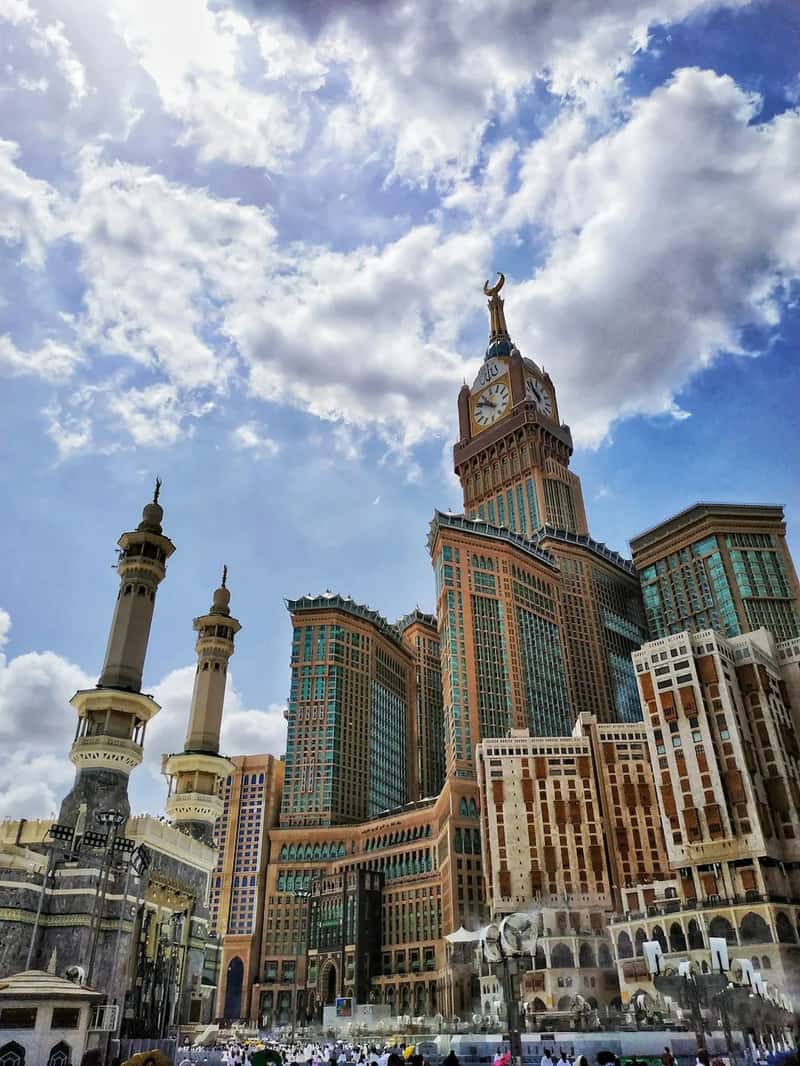
Saudi Arabia has opened up to tourists in recent years, but its public conduct rules haven’t loosened in step. The country has expanded its tourism sector and welcomed millions of visitors through new visa programmes.[5] Even so, conduct viewed as violating local morality laws can attract legal action.[5]
The practical advice is simple. Visitors are expected to respect local customs, dress appropriately and avoid public displays of affection.[5] Save the closeness for your hotel room or a private resort, and treat public spaces as places for formal, reserved behavior.
Iran

Iran is a difficult case, partly because tourism there comes with wider concerns. All visitors are expected to comply with Iranian legislation regardless of their nationality.[5] Behavior that is fine elsewhere can carry serious legal consequences, and public affection between unmarried people is treated as a moral offense.
The bigger issue right now is safety. Reports summarizing U.S. advisories say the highest level “Do Not Travel” warnings remain in effect for conflict affected areas such as Iran, Iraq, Lebanon, Syria, Gaza, and Yemen.[6] Anyone considering a trip should read their government’s current advice before thinking about etiquette.
Indonesia
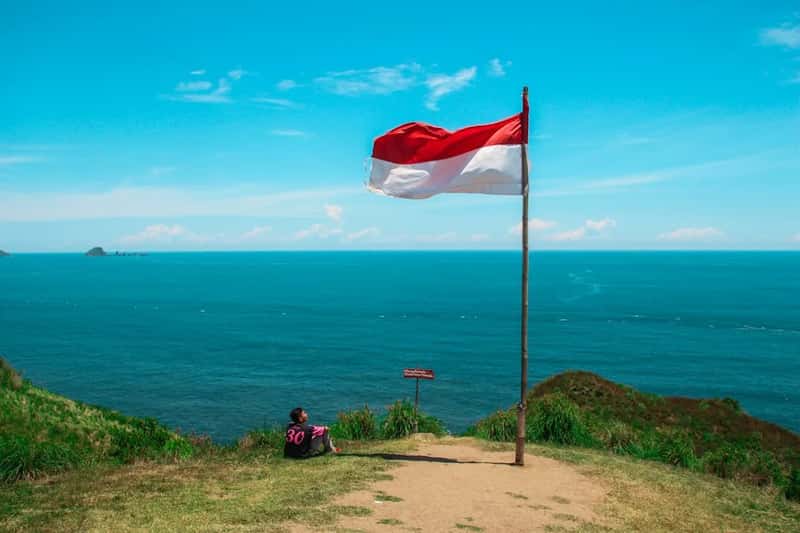
Indonesia is best known for Bali’s relaxed beach scene, yet the legal picture changed this year. The country began implementing a new Criminal Code on 2 January 2026.[7] Sex outside marriage can be punished by up to one year in prison, and cohabitation by unmarried couples by up to six months.[8]
Officials have tried to calm tourism worries. Prosecution can start only when a direct family member, meaning a legal spouse, parent or child, files a complaint.[9] Public kissing and heavy affection remain poor ideas anyway, especially outside tourist hubs, and the province of Aceh applies Islamic bylaws that are far stricter than the rest of the country.
Malaysia

Malaysia looks modern on the surface, with a busy capital and a mix of cultures. Even so, public intimacy is usually frowned upon. A 2026 guide to Kuala Lumpur notes that public displays of intimacy, such as kissing, are discouraged due to cultural values on modesty.[10]
The legal risk depends on who is watching and where you are. Malaysia runs a dual system of civil and Islamic law, and conduct that makes others uncomfortable can be deemed obscene or offensive.[10] Some travel blogs report couples being warned or fined in parks and transit stations, though such accounts vary in reliability. Holding hands is generally seen as much milder than kissing.
India

India doesn’t have one clear law against kissing in public. Instead, older guidance points to the obscenity provision that makes obscene acts in public punishable by fine or jail.[11] Those sources refer to Section 294 of the Indian Penal Code, which was replaced in 2024 by the Bharatiya Nyaya Sanhita, and the new code carries a similar offense.
The word “obscene” is open to interpretation, so much depends on the officer, the neighborhood, and whoever complains. Big cities and tourist beaches tend to be more relaxed than small towns and religious sites. As a rule, hugging and hand holding draw fewer problems than kissing.
Egypt
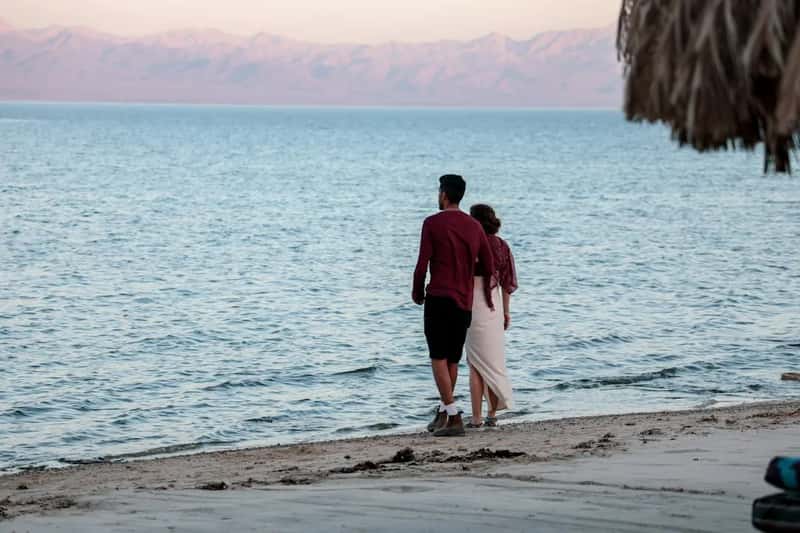
Egypt sits in a middle zone. Global Rescue lists it alongside the UAE, Qatar and Saudi Arabia among Middle Eastern countries where laws govern[1] public behavior, though enforcement is generally milder than in the Gulf. Another travel guide describes public affection there as more acceptable than in some neighbors, but still best kept modest.[12]
In practice, resorts on the Red Sea are more tolerant than Cairo’s older districts or places of worship. A quick hug is unlikely to cause trouble, while extended kissing can attract unwanted attention or a complaint. Unmarried couples should be aware that hotel and local attitudes to sharing a room can vary.
Thailand

Thailand’s reputation for easygoing tourism can mislead people. Travel writers have long noted that the country is conservative when it comes to public displays of affection.[13] Kissing in public is widely seen as inappropriate, while handholding is becoming more acceptable in cosmopolitan areas such as Bangkok.[13]
Temples and other sacred sites call for extra care. Affection there is considered disrespectful, whatever the couple’s marital status. Beach towns and nightlife districts are looser, yet keeping things low key is the safer approach almost everywhere in the country.