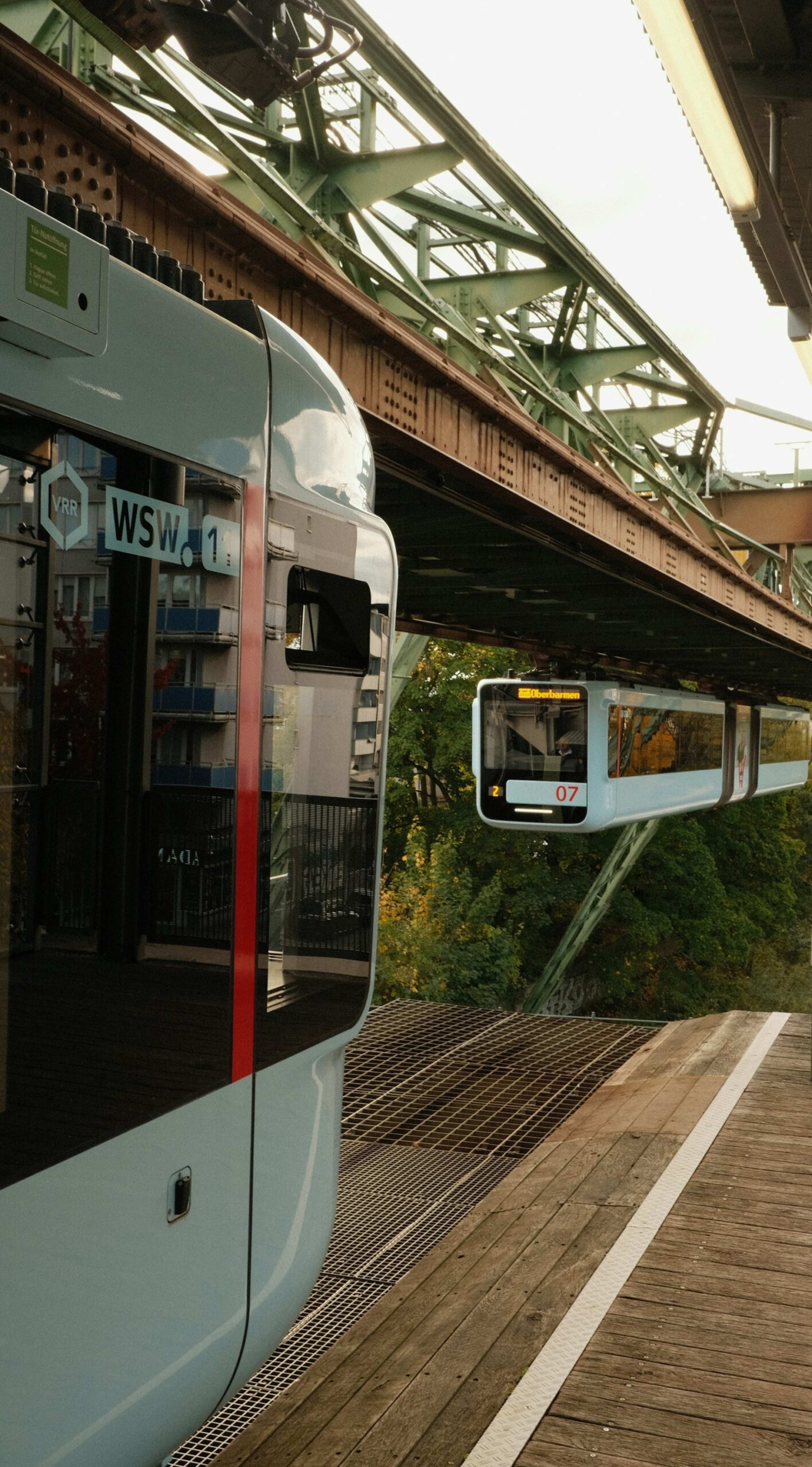
Look up in almost any big Asian city and you’ll find a mix of scripts competing for your attention. Some of those signs were put there for locals, some for tourists, and some for both at once. Which language wins depends on history, tourism policy, and how a country runs its transport system.
English shows up far more in some places than in others. This article looks at six countries where visitors can reasonably expect it on street names, transit maps, or station displays. It leans on proficiency rankings released in late 2025 and on documented signage practices.
Singapore: English as the Working Language of the City
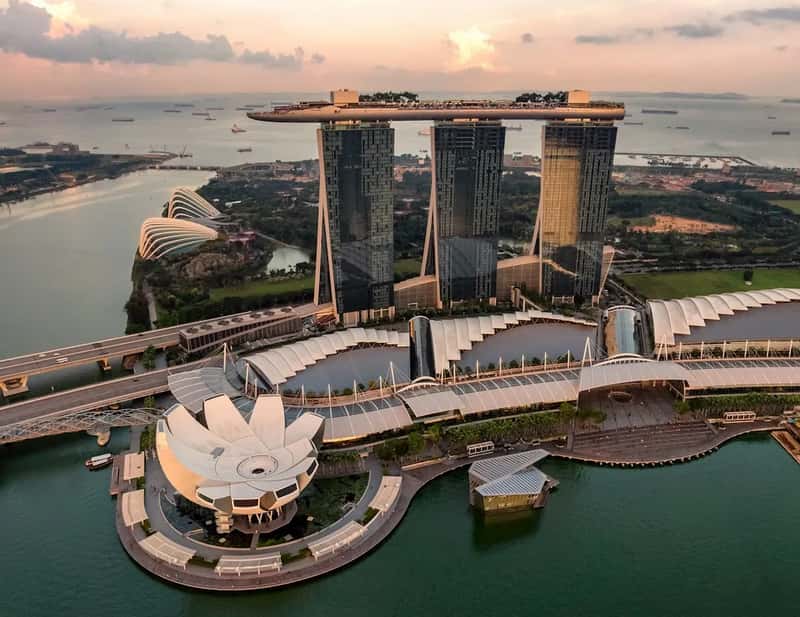
Singapore is the easiest case to make. English is its main working language, so street names, public notices, and transit information appear in it as a matter of course. Chinese, Malay, and Tamil also appear on some signs, but English is usually the one common thread.
The country is also missing from a ranking where you’d expect it. Singapore, long a top performer in Asia in earlier editions, has been excluded from the EF index since 2025 after being reclassified as a native English speaking country.[1] That reclassification says a lot about how deeply English runs through daily life there.
Malaysia: Bahasa First, English Where It Counts
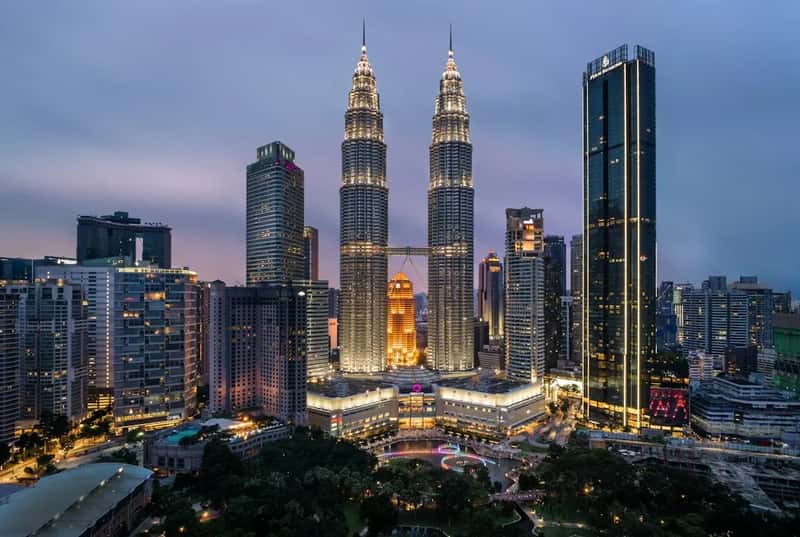
Malaysia sits at the top of the Asian table for English skills. With a score of 581 out of 650, Malaysia placed 24th globally, making it the highest ranked Asian market in the 2025 index.[2] That strength shows up in Kuala Lumpur, though not evenly across every kind of sign.
Road signs follow a clear pattern. Bahasa Melayu is the main language, but English is also used for important areas such as tourist attractions, airports, railway stations, and immigration checkpoints.[3] So a visitor will find English exactly where they tend to need it most, even if a residential side street stays in Malay.
The Philippines: English Built Into Public Life
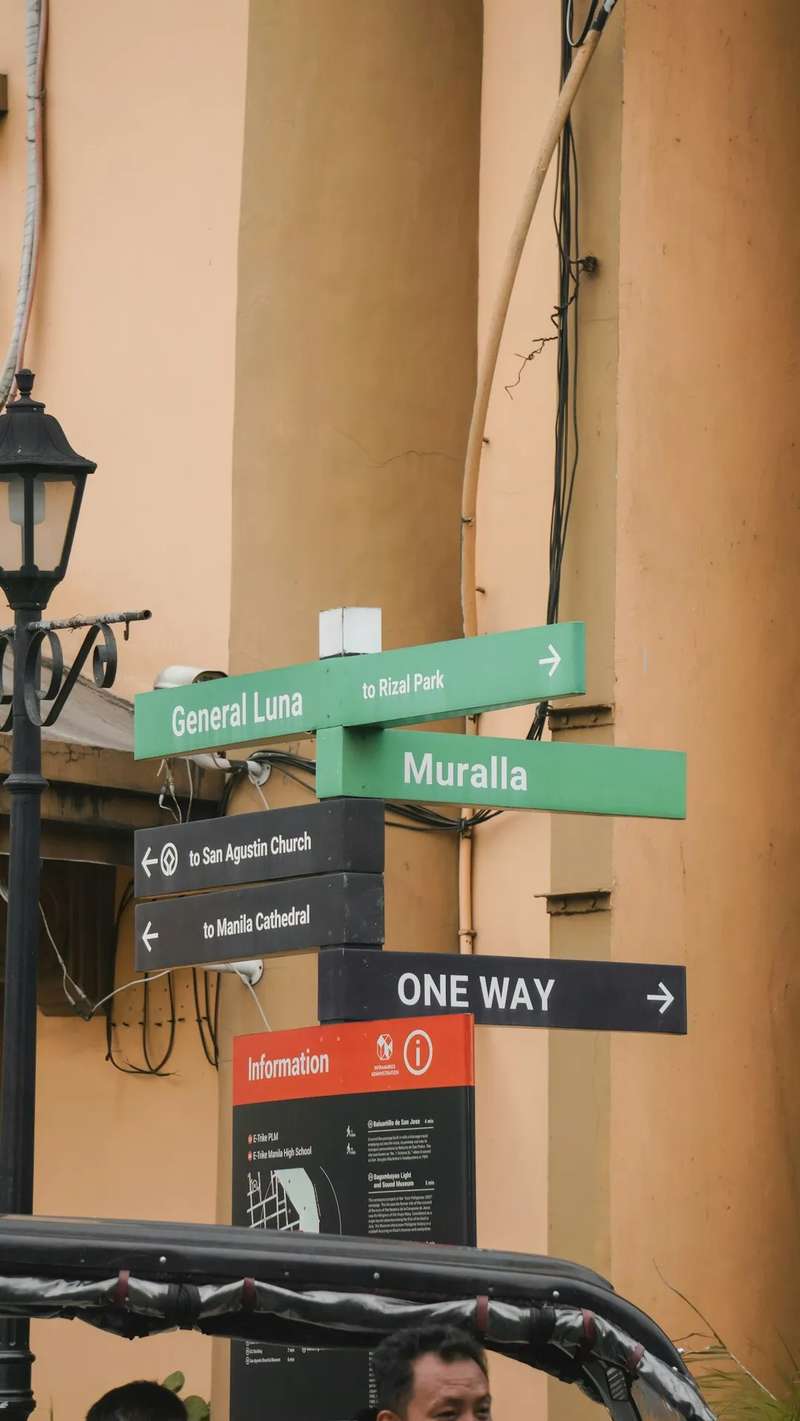
The Philippines has long used English in schools, courts, and media, and that carries over to what you read on the street in Manila and other large cities. It ranked second in Asia in the 2025 EF index with a score of 569, within the high proficiency band.[2] Globally, it placed twenty-eighth.[4]
One analysis of the country’s English usage points to long standing use in media, schooling, government, and especially the business process outsourcing sector.[5] That helps explain why English notices, shop fronts, and directions feel routine there rather than something added for tourists.
India: A Multilingual Country With English Everywhere

India has dozens of major languages, and signs in big cities often carry two or three of them. English usually sits alongside Hindi or a regional language, which is why it turns up on metro maps, airport boards, and highway markers in cities such as Delhi, Mumbai, and Bengaluru. It works as a common bridge between regions with different scripts.
The country’s overall proficiency numbers are more modest than its signage might suggest. In the 2025 EF index, India placed seventy fourth.[4] Signs in major cities are one thing, and average adult test scores across a very large population are another.
Japan: English Signs Backed by Careful Planning
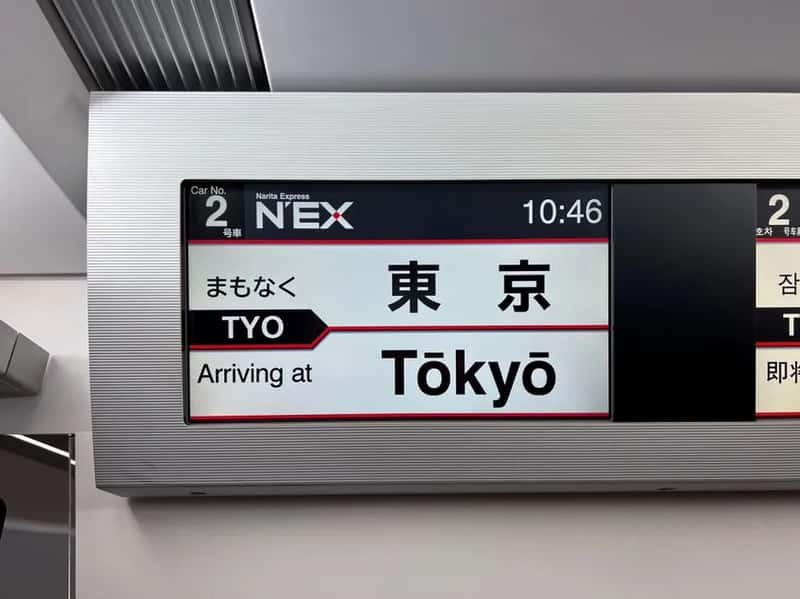
Japan may surprise readers, since its English proficiency ranking is low. The 2025 EF survey ranked Japan ninety sixth overall and seventeenth among the 25 Asian entries.[4] Yet major stations are heavily labeled for foreign visitors.
Station numbering is a good example. Starting in October 2016, JR East began numbering 276 stations in the Tokyo area, using route indicators that combine letters and numerals.[6] Also, Tokyo Station, Kyoto Station, and Osaka’s Namba Station have extensive English signage[7], while smaller stations may have less.
South Korea: Seoul’s Layered Transit Signs

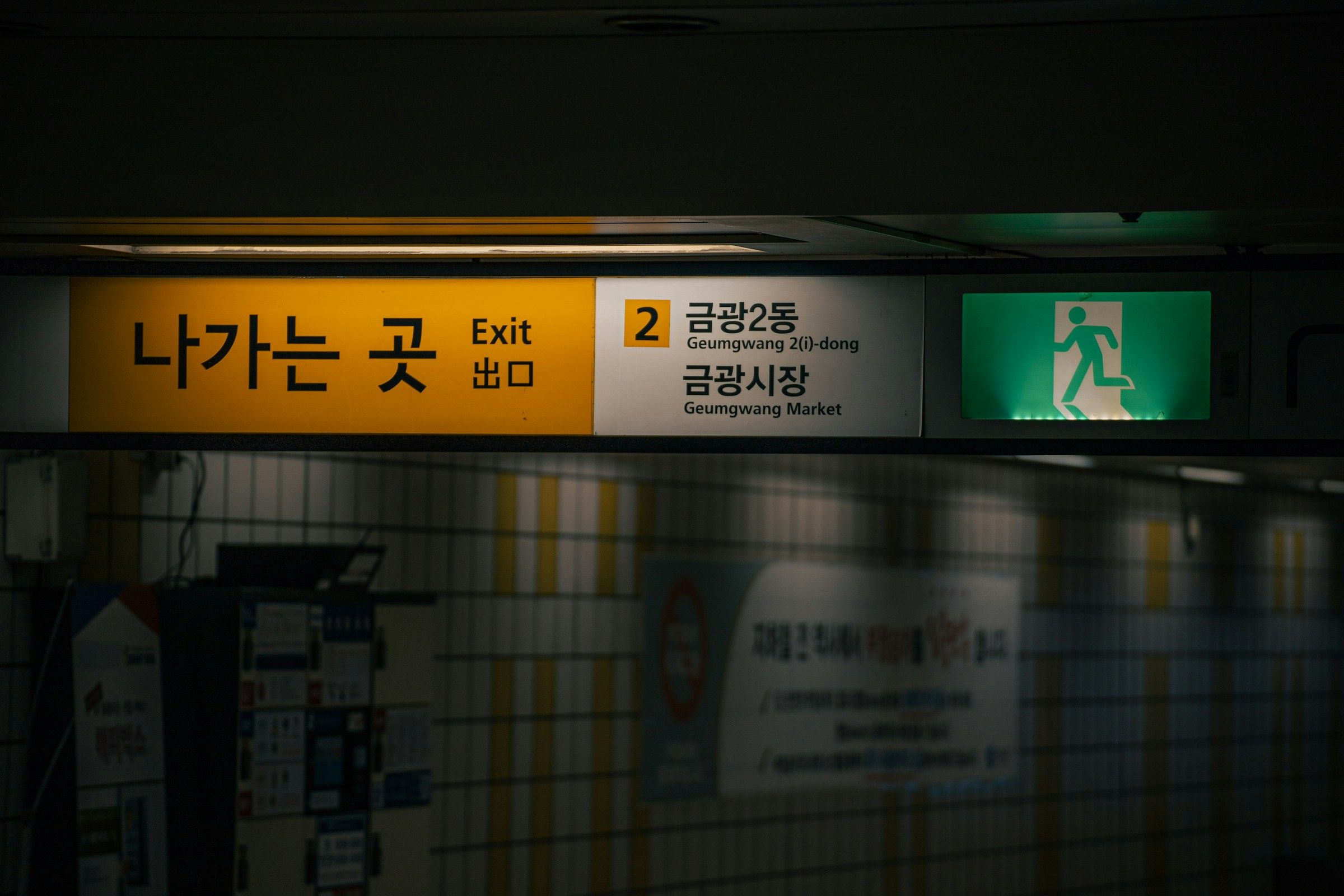
South Korea placed forty eighth in the 2025 EF index, but Seoul’s subway is built with visitors in mind. Station names, direction indicators, and exit numbers are written in Korean and English.[8] The system also adds other languages at many stops.
Announcements follow a similar pattern. According to one 2026 visitor guide, onboard signs and announcements name the next station in Korean, English, Chinese, and Japanese.[9] Busan follows a comparable approach, and its train announcements are spoken in Korean, followed by English.[10]
What Ties These Six Together
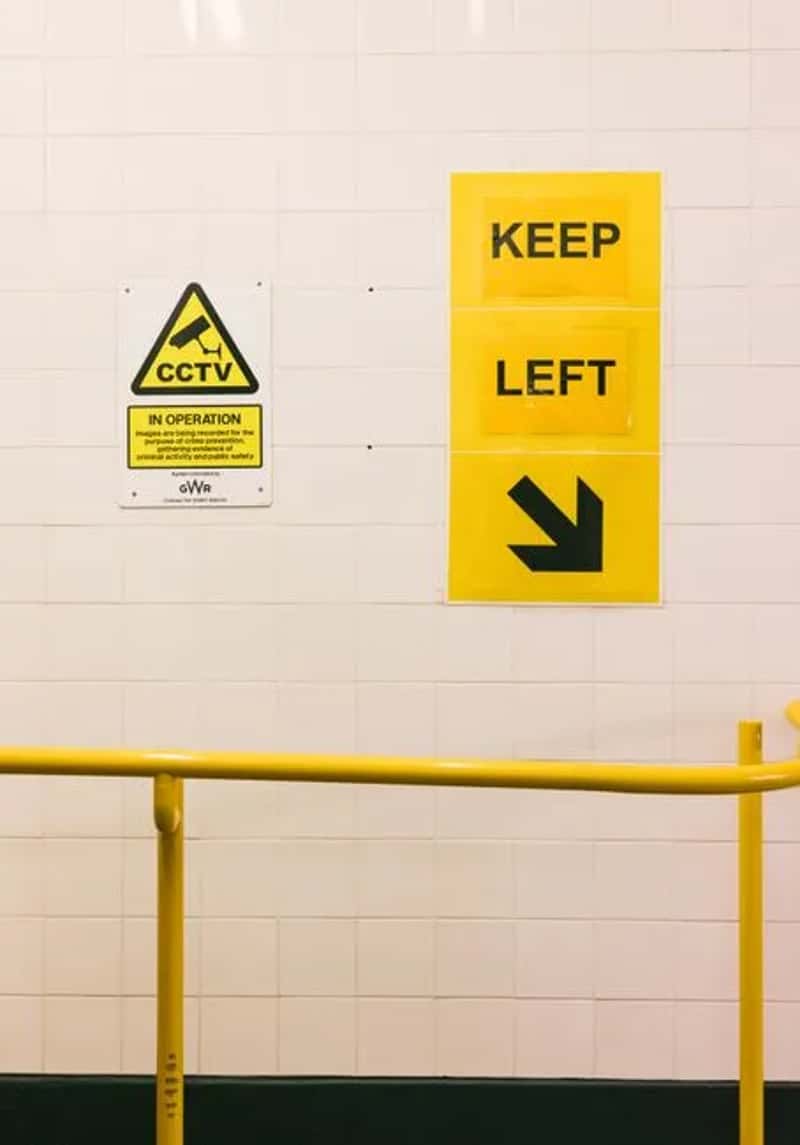
The reasons differ by country. Singapore, Malaysia, and the Philippines rely on English as a daily language, while India uses it to connect regions. Japan and South Korea add English mainly in transit, tourism, and shopping areas.
Proficiency rankings and signage don’t always match. Japan scored low in 2025, yet its major stations are well labeled in English. The pattern is clearest in busy hubs and thins out in smaller towns.