The idea of stretching five dollars into a full day of food, shelter, and getting around sounds like a fantasy cooked up by someone who has never paid for a cup of coffee in a Western city. It’s the kind of claim that invites skepticism. Yet in certain corners of the world, that number is not a fantasy – it’s simply Tuesday.
The catch, of course, is context. Living on five dollars a day requires choosing the right country, adopting local habits, eating where locals eat, and sleeping where backpackers sleep. It demands flexibility rather than comfort-seeking. In the nine countries below, the math actually works – not as a survival exercise, but as a genuine, sustainable way of spending a day.
1. Vietnam – Street Food Nation With Prices That Defy Logic
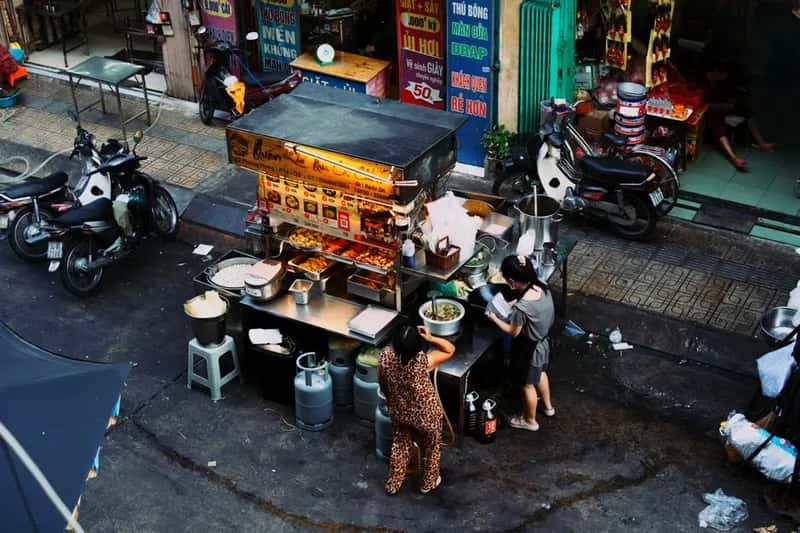
Vietnam is one of the most affordable countries in Southeast Asia, with an average monthly cost of living sitting between $500 and $700 – significantly lower than neighboring countries such as Malaysia or Thailand, where costs typically start at $700. That monthly ceiling translates to a daily spend that, for someone eating locally and moving on public transport, can comfortably sit at or below five dollars.
Iconic noodle dishes and strong coffee cost just one to two dollars. You can realistically spend each and every meal eating out with your wallet still feeling full. Food costs between one and three dollars per serving, while transportation at fifteen to fifty cents per trip is many times cheaper than in most Western countries. The north-to-south variety of landscapes and culture simply adds to the value.
2. Nepal – Himalayan Depths on Almost Nothing
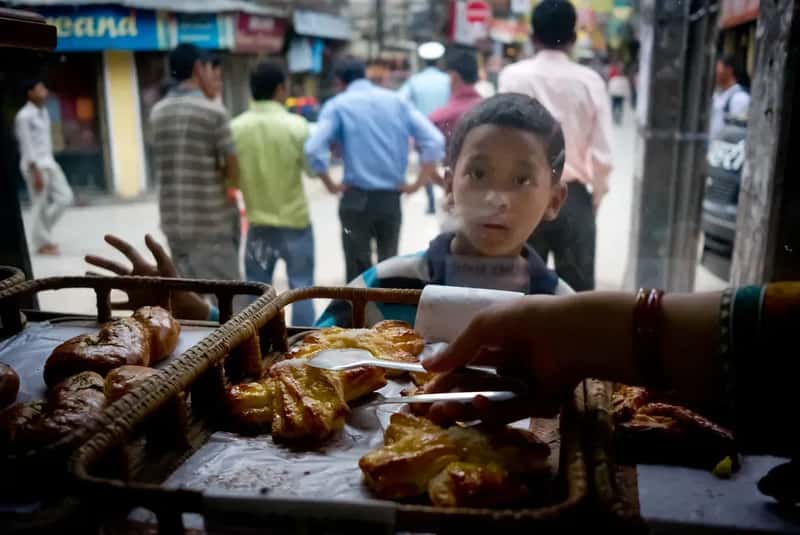
Nepal is one of the most affordable countries in the world for people earning in US dollars, euros, or British pounds, with the Nepali rupee trading at approximately 133 per US dollar in 2026. The cost of living in Nepal is, on average, nearly 68 percent lower than in Germany, and rent runs roughly 87 percent lower. Outside Kathmandu’s tourist corridors, those numbers stretch even further.
Many find Nepal surprisingly affordable for daily life, especially outside the bustle of major tourist corridors. Fresh produce from markets, street food, and simple meals keep costs low, while guesthouses and long-term stays offer excellent value away from city centers. Transportation remains wallet-friendly when relying on local buses or scooters. A street food or dal bhat meal costs between one and three dollars, local bus rides run just ten to thirty cents, and a Pathao motorbike ride costs fifty cents to two dollars across town.
3. Bangladesh – The World’s Most Underrated Budget Destination
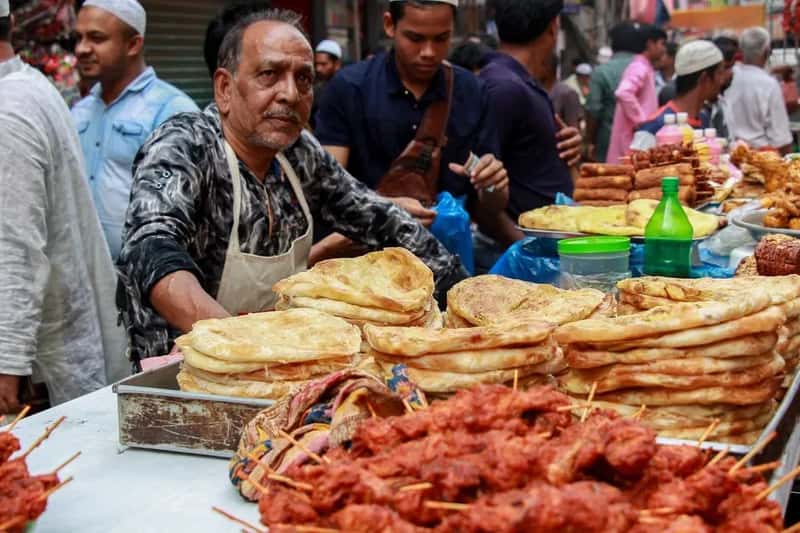
The average cost of living in Bangladesh is around $434 per month, which is nearly three times less expensive than the world’s average. Bangladesh ranks 191st out of 197 countries by cost of living. That ranking is not a warning sign – for the budget-conscious traveler or long-stay visitor, it’s a green light.
The overall cost of living in Bangladesh in 2026 is roughly 68 percent less than in the United States, and eating in a restaurant costs about 79 percent less than in the US. The capital city, Dhaka, is famous for its lively markets and delicious street food, and the country is also home to the world’s largest river delta, the Sundarbans, a UNESCO World Heritage Site and sanctuary for the Bengal tiger. Daily life here, kept simple and local, easily slots within a five-dollar ceiling.
4. Indonesia (Outside Bali’s Tourist Bubble) – Archipelago Affordability
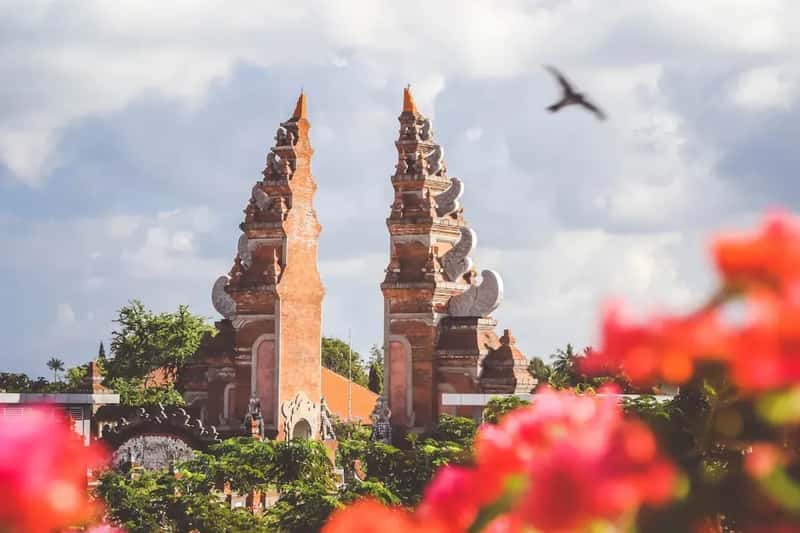
Indonesia, with an average cost of living of around $340 per month, ranks among the cheapest countries to live in, nearly three times cheaper than the global average including major cities. Jakarta is roughly 60 percent cheaper than London, making it one of the most affordable capital cities in the world. Step outside the tourist hubs and that figure drops further still.
Indonesia still lets a backpacker live big on a lean daily average that, in Western Europe, barely buys lunch. Transportation in Indonesian cities is very affordable – a trip on public transport costs about 25 cents, a monthly pass costs just $12, and a taxi starts at one dollar. The key is avoiding Bali’s popular tourist pockets, where prices can creep toward Western levels, and instead exploring the country’s thousands of quieter islands and towns.
5. Cambodia – Ancient Temples, Modern Bargains
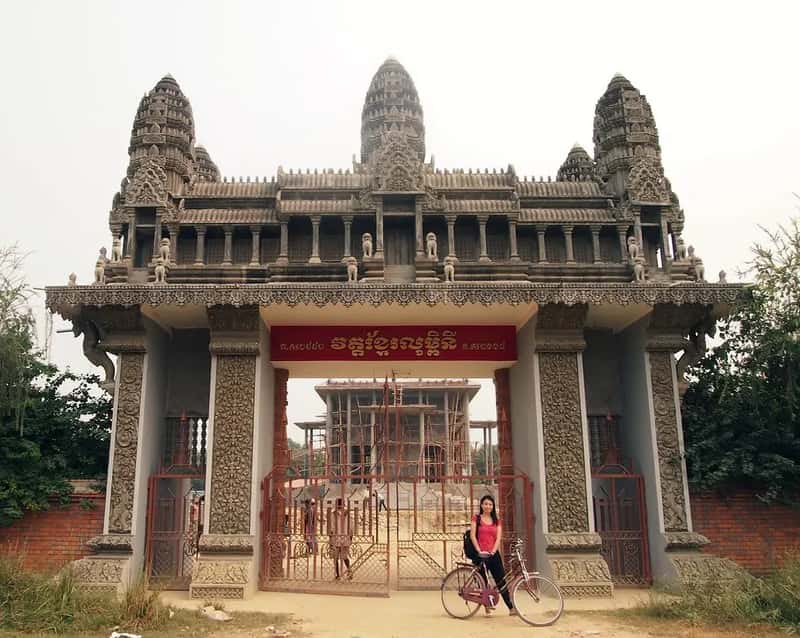
Cambodia ranks among the world’s most affordable travel destinations. The cost of living in Cambodia is, on average, nearly 50 percent lower than in Germany, and rent runs about 56 percent lower. The US dollar is widely accepted alongside the local riel, which makes day-to-day budgeting straightforward for foreign visitors.
The low cost of socializing is a particularly attractive element of expat life in Cambodia, with many bars and restaurants selling fresh draft beer at fifty cents for a glass. Compared to nearby countries like Thailand or Vietnam, Cambodia offers lower average costs for accommodation, food, and entrance fees. Eating at local markets, taking tuk-tuks, and staying in guesthouses makes the five-dollar daily budget not only workable but surprisingly comfortable.
6. India – A Subcontinent Sized for Small Budgets
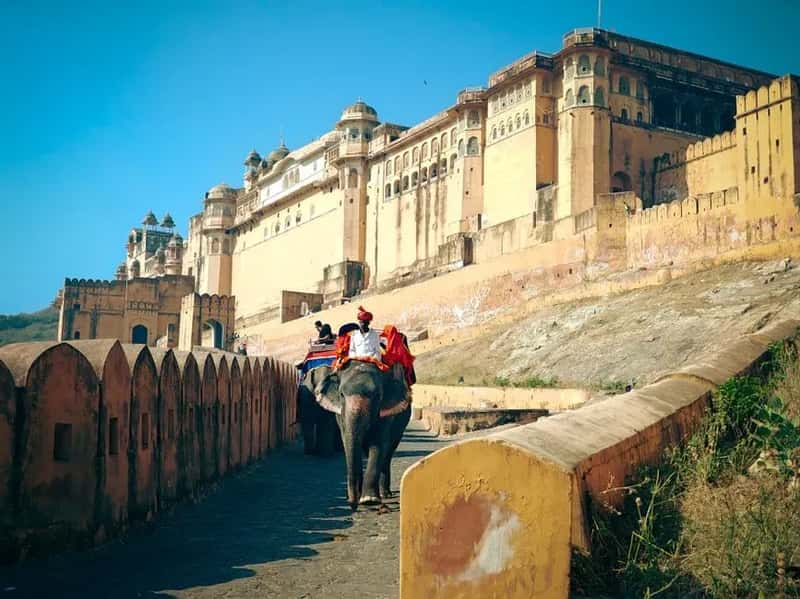
India offers an average monthly living cost of $300 to $500 in most regions. Activities like hiking and visiting national parks are often affordable, frequently under $5 for entry, and cultural experiences like visiting ancient temples or exploring food markets come in at less than $10. The sheer size and regional diversity of the country mean that affordable pockets exist almost everywhere you look.
India is a feast for the senses and the wallet. From the Taj Mahal to Kerala’s backwaters and Himalayan treks, long-distance trains, budget hotels, and local meals keep travel costs impressively low. In smaller cities and rural areas especially, a five-dollar daily budget covers three proper meals, local transport, and a simple guesthouse room – sometimes with change to spare.
7. Bolivia – South America’s Most Affordable Secret

Bolivia is one of the most budget-friendly countries in South America, making it an attractive option for anyone seeking a new culture, adventure, or even language learning without high expenses. Bolivia’s low cost of living allows for a comfortable lifestyle for much less than most visitors are used to, whether based in La Paz or smaller towns.
Monthly utilities in Bolivia are very affordable, with electricity running $15 to $40, water just $5 to $10, and internet service $20 to $50. Total utility costs typically range from $20 to $50 for budget living. Overall, the cost of living in Bolivia is lower than in many other countries in the region, especially for expenses like rent, transportation, and food. This makes it possible to live comfortably on a tighter budget. Markets in cities like Sucre and Cochabamba sell full hot meals for well under two dollars.
8. Laos – The Quiet Country That Rewards Simple Living
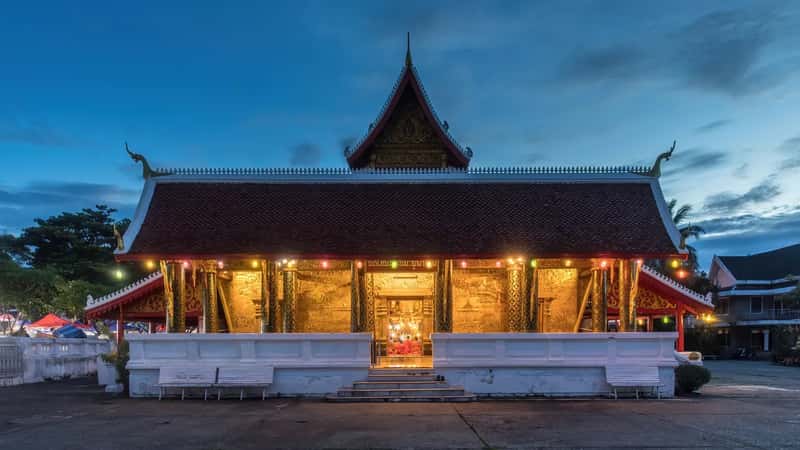
Laos is one of Southeast Asia’s best-kept secrets. With serene rivers, ancient temples, and the laid-back town of Luang Prabang, it’s perfectly suited for travelers seeking peace and authenticity. Guesthouses, local eateries, and tuk-tuk rides are all incredibly affordable.
Laos is where your budget breathes. Dusty local buses crawl up Highway 13 with windows open, and you still come out ahead. Night markets hand you skewers, herbs, and sticky rice for pocket change, while simple fan rooms do the job without drama. Scooters sip fuel and slow boats drift for the price of patience. The daily rhythm of Laos is built for slowness, which naturally curbs spending without any sense of sacrifice.
9. Bangladesh’s Neighbor Pakistan – Extraordinary Value for Careful Travelers

If you don’t mind local guesthouses and local restaurants, you can easily travel around Bangladesh for $500 a month. In fact, it’s probably just Bangladesh, Pakistan, and maybe Malawi. Pakistan deserves its spot on this list precisely because its affordability is still largely undiscovered by mass tourism.
Street food in cities like Lahore and Karachi – from naan and curry to grilled kebabs – costs well under a dollar per meal. Shared transport between cities remains remarkably cheap, and guesthouse rooms in local neighborhoods are available for just a few dollars per night. The country’s infrastructure has limitations and travelers should research entry requirements and regional safety conditions carefully before visiting, but for those who do go, the daily budget stretches further here than almost anywhere else on earth.
What these nine countries share is not poverty – it’s a price structure built around local economies rather than imported Western expectations. A five-dollar day isn’t about going without. It’s about choosing food from a market stall over a tourist café, a local bus over a rideshare app, a guesthouse over a branded hotel. In these places, that choice doesn’t mean hardship. It means participating in daily life the way most people there actually live it.