Have you ever wondered why some people seem to blow past their 80th birthday while others struggle to reach it? It’s not just luck or good genes. Where you’re born plays a surprisingly big role in how long you’ll live. Some nations have cracked the code on longevity, while others are watching their life expectancy numbers drop year after year.
The gap between the world’s longest and shortest lifespans is staggering, nearly reaching over three decades in some cases. Think about that for a moment. Your zip code might matter more than your genetic code. Let’s dive into which countries are leading the pack and which ones are falling behind.
Monaco: The Tiny Principality With the Longest Lives

Monaco residents top the global list with an average life expectancy of 86.5 years, making this European microstate the undisputed champion of longevity. Women in Monaco reach an impressive 90.2 years on average, while men hit 84 years, figures that leave other nations trailing far behind. Let’s be real, this isn’t just about Mediterranean sunshine. Monaco combines immense wealth with a world-class healthcare system focused on preventive care and early diagnosis, creating conditions most people can only dream of. The Mediterranean diet rich in seafood, fruits, and vegetables, combined with state-funded healthcare and enough disposable income for wellness aids, creates what amounts to a perfect storm for longevity.
San Marino: Europe’s Longevity Secret

San Marino follows closely behind Monaco with a life expectancy of 85.8 years, proving that small European republics seem to have figured something out. This independent republic supports its longest-living population through a universal healthcare system and strong emphasis on disease prevention. The country doesn’t rely on cutting-edge medical technology alone. High per capita income, access to quality food and clean water, and a culture valuing physical activity all contribute to these remarkable numbers. It’s hard to say for sure, but the combination of old-world traditions with modern healthcare infrastructure seems to work wonders here.
Hong Kong: Asia’s Life Expectancy Leader

Hong Kong ranks third globally with 85.6 years of average life expectancy, a stunning achievement for such a densely populated urban center. The region has the lowest infant mortality rate in the world and high-quality child health care, setting a foundation for longevity from birth. Here’s the thing: Hong Kong’s high level of economic development allows residents to enjoy high-quality healthcare and education systems, along with widespread access to quality food and clean water. What’s really surprising is that Hong Kong spends less on health and social care as a proportion of GDP than many other countries, including the United States, yet still achieves superior results.
Japan: Where Traditional Diet Meets Modern Medicine
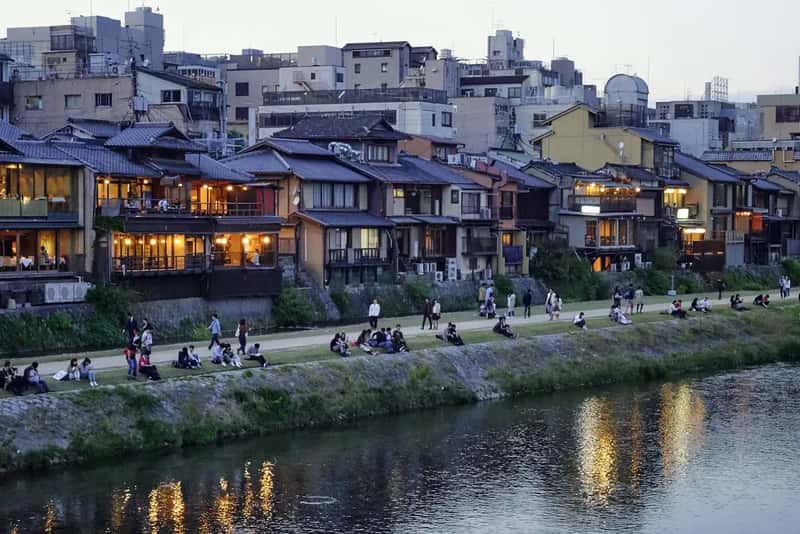
Japan has the fourth-highest life expectancy at roughly 84.95 years, with females reaching 87.97 years and males 81.91 years. Japan’s high life expectancy is largely attributed to diet, with lots of fruits and vegetables, fresh meat and fish, and grain-based foods similar to the Mediterranean diet. I think what sets Japan apart is the combination of factors working together. The Japanese government invested heavily in public health more than 50 years ago, resulting in robust childhood vaccination programs and universal health insurance. Japanese citizens also remain very active, even into their elderly years, making movement a natural part of daily life rather than a scheduled gym session.
South Korea: The Fastest-Growing Life Expectancy
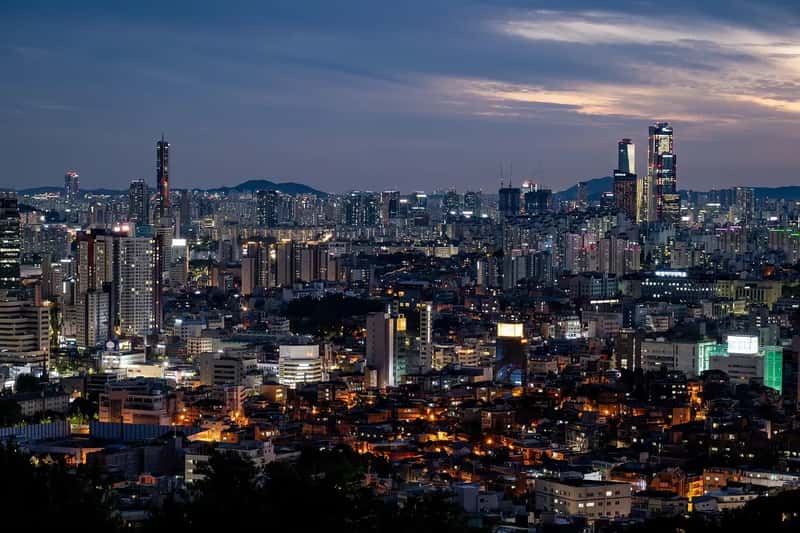
South Korea has a combined life expectancy of 84.14 years, with men averaging 80.83 years and women 87.23 years. What’s absolutely remarkable is the speed of this change. South Korea’s life expectancy may be the fastest-growing in the world, rising from roughly 52 years in 1960. That’s a gain of over three decades in just six decades, honestly. A greater understanding of nutrition, improvements in food distribution, and better access to health and social care have enabled the country to make huge strides in longevity. Many experts expect South Koreans to enjoy the longest life expectancies in the world by 2030, potentially overtaking current leaders.
Switzerland: Alpine Air and Universal Healthcare

Switzerland’s average life expectancy is 84.38 years, with women expected to live about 86.05 years and men about 82.63 years. This Alpine nation combines natural beauty with practical policy. Switzerland features in the top ten countries for life expectancy, underscoring the correlation between wealth and long lifespan. The Swiss approach emphasizes both prevention and treatment, creating a healthcare system that catches problems early. Environmental factors play a role too, with clean mountain air, outdoor recreation opportunities, and a culture that values work-life balance all contributing to these impressive figures.
Singapore: The Engineered Blue Zone

Singapore features in the top ten countries for life expectancy at 84.27 years, representing a modern approach to longevity. Singapore has been designated as the world’s sixth Blue Zone, with proactive government policies through healthcare, dietary nudges, support for the elderly, and green spaces attributed for it being named an engineered longevity hotspot. Unlike traditional Blue Zones that evolved naturally over centuries, Singapore actively built its longevity advantage. The tropical city-state has seen a remarkable increase in life expectancy and the number of centenarians doubled from merely 700 in 2010 to 1,500 in 2020. It proves that intentional policy decisions can reshape population health outcomes within a generation.
Italy: Mediterranean Lifestyle at Its Finest

Italy demonstrates high life expectancy figures with an average of 84.20 years, rooted in centuries of culinary and cultural tradition. The country benefits from what many consider the healthiest diet on Earth. Fresh vegetables, olive oil, moderate wine consumption, and strong family bonds create an environment where aging feels less like decline and more like continuation. Part of Italy, particularly Sardinia, was identified as one of the original Blue Zones, regions where people live exceptionally long lives. The Italian approach to meals as social events rather than rushed fuel stops likely contributes more than we realize to their longevity advantage.
Australia: Sun, Sport, and Social Medicine

Australia ranks highly with an average life expectancy of 84.1 years, combining excellent healthcare with an outdoor lifestyle. The country’s universal healthcare system ensures access regardless of income, while its climate encourages year-round physical activity. Australians have embraced a culture of sport and outdoor recreation that keeps people moving well into older age. The combination of preventive healthcare programs, skin cancer awareness campaigns, and relatively low pollution levels in most areas creates conditions favorable for longevity. It’s worth noting that Australia manages these results while being geographically isolated, proving that distance from other nations doesn’t have to be a health disadvantage.
The United States: Declining Despite Wealth

According to 2024 UN data, the average life expectancy in the United States is 79.5 years, rising to 82 years for females and falling to 77 years for males. Life expectancy at birth in the U.S. increased to 78.4 years in 2023, still 4.1 years below the comparable country average of 82.5. Here’s what’s really troubling: Between 2019 and 2022, the U.S. experienced a sharper decline and a slower rebound in life expectancy than peer countries due to increased mortality from the COVID-19 pandemic. Several factors contribute to the U.S.’s lower life expectancy, including the typical American diet emphasizing processed foods, tobacco and alcohol use, physical inactivity, high prevalence of chronic conditions including obesity and diabetes, made worse by a lack of coordinated public health initiatives. Despite spending more on healthcare than any comparable nation, Americans aren’t living as long.
Russia: A Mortality Crisis Decades in the Making

Russia life expectancy for 2023 was 73.25 years, representing only a modest increase from 2022. This masks a deeper crisis. Life expectancy in Russia dropped in the early 1990s, declining from 63.9 years to 58.2 years for men and 74.3 to 71.6 for women between 1990 and 1994. More than 75% of the decline in life expectancy was due to increased mortality rates for ages 25 to 64 years, with cardiovascular diseases and injuries accounting for 65% of the decline. Many factors appear to be operating simultaneously, including economic and social instability, high rates of tobacco and alcohol consumption, poor nutrition, depression, and deterioration of the health care system. The war in Ukraine and mobilization affect the indicator negatively, particularly for men’s life expectancy.
Nigeria: Africa’s Lowest Life Expectancy

Nigeria has the lowest life expectancy at 54.78 years, representing a gap of more than three decades compared to global leaders. Nigeria is among the countries with the lowest life expectancy worldwide, where people born could be expected to live only up to around 54 years. The lowest life expectancy for women in the world in 2023 was for girls born in Nigeria, with only 54 years. Chad has the lowest life expectancy at a mere 53.68 years due to ongoing conflict, high levels of poverty, and limited access to quality healthcare. The challenges facing these nations are profound: inadequate healthcare infrastructure, high infant mortality, infectious disease burden, malnutrition, and ongoing conflicts all contribute to shortened lifespans that seem almost unimaginable from a Western perspective.
Where you’re born still matters enormously for how long you’ll live. The nearly 32-year gap between Monaco and Nigeria represents not just statistics, but millions of individual stories cut short or extended by circumstances often beyond personal control. Overall, global life expectancy figures paint a hopeful picture, with the global average for both genders rising from 46.5 years in 1950 to 71.7 years in 2022, and expected to climb further to 77.3 years by 2050. The countries succeeding share common threads: accessible healthcare, healthy diets, social connection, and environments that make healthy choices the easy choices. The ones struggling face complex challenges requiring sustained effort across economic, social, and healthcare systems. What lessons from the longest-lived nations could change your own life expectancy? The answer might be closer than you think.