Equal pay feels like something that should have been resolved by now, yet here we are in 2026 still talking about it. Globally, women earned 0.83 dollars for every dollar earned by men in 2024. While there’s real progress happening in some corners of the world, other nations lag dramatically behind. Let’s be real, the numbers can be shocking when you see which countries still have the widest disparities and which ones are actually showing us how it’s done.
South Korea Leads With the Widest Gap

South Korea holds the unfortunate distinction of having the highest gender pay gap among OECD countries, with a 31.2 percent difference between the genders as of 2022. In 2023, male workers in South Korea out-earned their female counterparts by 29.3 percent, and in 2024, on average, Korean women earned 29 percent less than men. The country’s longstanding workplace seniority system shoulders much of the blame here. This system, which rewards years of service, disproportionately penalizes women as they are more likely to temporarily leave the workforce for child rearing.
Japan Struggles With Persistent Wage Inequality

Japan isn’t far behind South Korea. The problem is highly evident in Asian countries like Japan, where in 2023, the wage gap between the sexes was 22.0 percent. In 2023, the gender pay gap for the median wages in Japan was 22 percent. Honestly, Japan’s struggle with gender equality runs deep, intertwined with traditional gender roles that remain pervasive. Japan ranked 118th out of 146 countries covered by the global gender gap index, placing the country far behind other G7 nations. The low scores were mainly due to the nation’s small number of female parliamentarians, as well as a low ratio of women in managerial positions. Despite economic modernization and more women entering the workforce, cultural expectations around motherhood and caregiving continue to stall progress on wage parity.
Israel Holds Second Place Among OECD Nations

The country in second place is Israel, with a gender pay gap of 25.4%. While still elevated, this trails South Korea but exceeds most other developed economies. Women in Israel face challenges in career advancement and equal compensation that reflect broader structural issues within the labor market. The gap speaks to unresolved tensions between economic participation and workplace equity. Still, it’s remarkable how wide the margin remains in a country with a highly educated female workforce.
Estonia Faces Significant European Disparity
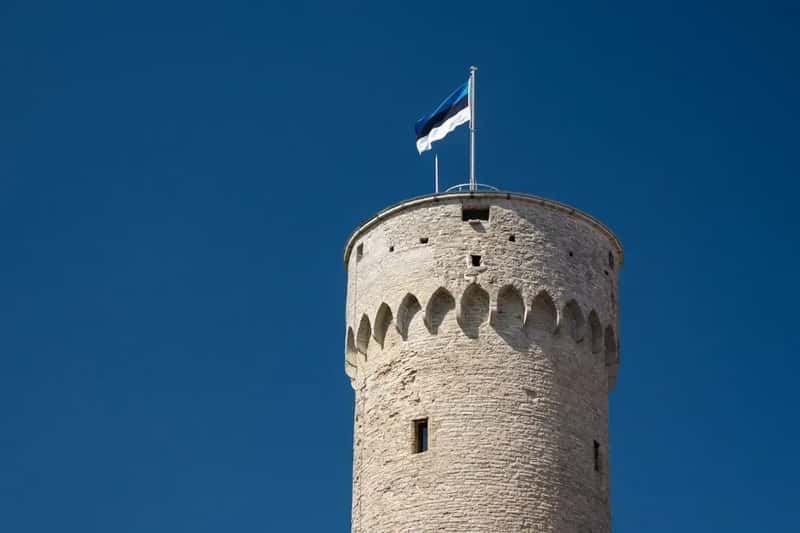
Looking at Europe, Estonia stands out for the wrong reasons. In the European Union, the gender pay gap ranges from less than 5% in countries like Luxembourg, Romania, Slovenia, Poland, Belgium, and Italy, to over 17% in Hungary, Germany, Austria, and Estonia. Estonia’s gap remains among the highest in the EU, reflecting occupational segregation and differences in sectors where men and women typically work. Women in Estonia tend to be concentrated in lower-paying industries, which partly explains the persistent disparity.
The United States Shows Minimal Movement
In the United States, the pay gap has held steady, although in 2023 the pay gap actually increased across all age groups, as men’s wages have increased at a higher rate than women’s. In the United States, women earned 85% of what men earned in 2024, marking slow, incremental improvement over decades. On an hourly basis, women were paid 18.0% less on average than men in 2024, after controlling for race and ethnicity, education, age, marital status, and state. The issue gets worse when you account for race. Black women are paid only 69.6% of white men’s wages at the middle, while Hispanic women are paid only 65.3% of white men’s wages. These disparities underscore how gender and racial discrimination compound in the labor market.
Australia Remains Stagnant Despite Efforts

Australia has experienced a persistent gender pay gap, with women’s earnings averaging 83% of men’s earnings in 2024, and this gap has remained relatively stable over the past decade. Despite various policy initiatives aimed at promoting equality, meaningful change hasn’t materialized. The stagnation suggests that structural factors like occupational segregation and career interruptions due to caregiving responsibilities remain unresolved. It’s frustrating to see a wealthy nation struggle to close this gap, considering its resources and political commitment to fairness.
Latvia Leads European Union in the Gap
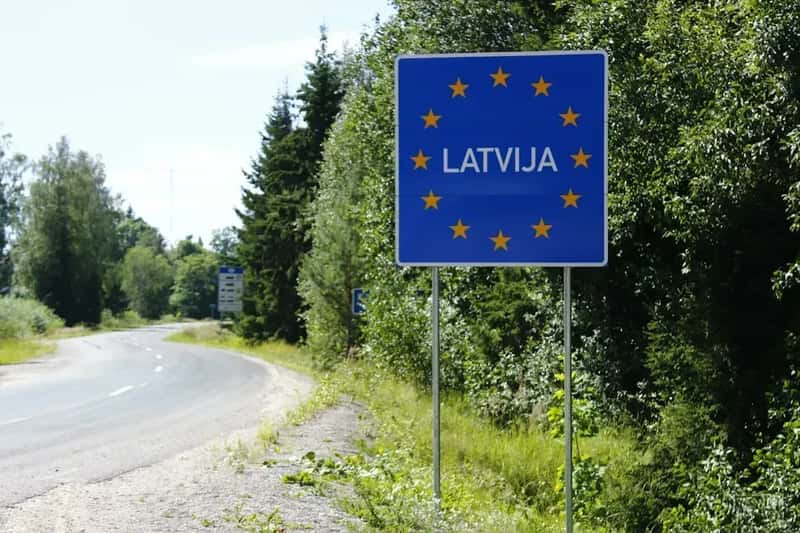
In 2023, the highest gender pay gap in the EU was recorded in Latvia at 19.0%. Latvia’s position is surprising given its location in Northern Europe, a region often associated with progressive gender policies. The disparity points to unique labor market dynamics in the Baltic states. Women in Latvia often work in sectors with lower wages, and career advancement opportunities remain limited compared to their male counterparts.
Germany’s Inequality Surprises Many
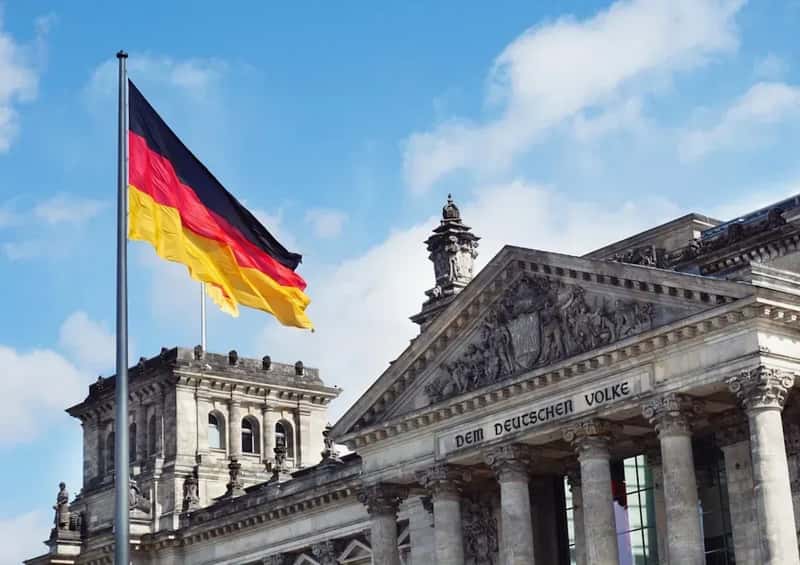
Germany often gets credit for progressive policies, but its gender pay gap tells another story. In 2023, women in Germany earned on average 18% less per hour than men. Compared to other European Union countries, Germany has a relatively large gender pay gap, with factors contributing to this including a higher prevalence of part-time work among women, occupational segregation, differences in educational fields and limited access to senior management positions. It’s a stark reminder that even wealthy, socially advanced nations struggle with deeply embedded workplace inequality.
Middle East and North Africa Struggle the Most

Looking at the different world regions, the Middle East and North Africa has the largest gender gap as of 2023. The region’s extremely low female workforce participation compounds the wage disparity issue. The Middle East and North Africa face much larger disparities, driven largely by low female employment, with the region’s female labor-force participation at only about 19%. Cultural, legal, and structural barriers prevent women from entering the workforce at anywhere near the rate seen in other regions. When women do work, they earn considerably less than men, reflecting both occupational limitations and outright discrimination.
Iceland Shows What’s Possible

Here’s the thing: some countries are actually getting it right. The lowest gender gap in 2023 was in Iceland, which has an index of 90.8 percent. Iceland is the world’s only country that has closed over 90% of its gender gap. Companies with more than 25 employees are obliged to prove they are paying their employees equally, and mothers and fathers both receive six months’ parental leave and 80% of their pay. Iceland’s success stems from a combination of legislation, cultural shifts, and sustained government commitment to gender equality. The country has essentially made pay equity a non-negotiable standard, and it shows.
Luxembourg Achieves a Negative Gap

In 2023, the lowest gender pay gap in the EU was recorded in Luxembourg at negative 0.9%. Yes, you read that right. In Luxembourg, a negative gender pay gap in unadjusted gross hourly earnings was observed at negative 0.9% in 2023, which indicates on average women are paid more for each hour of work compared to men. While this might seem like a win for women, it’s important to note that a negative gap often reflects selection bias, particularly when employment rates differ between genders. This is often due to a selection bias, especially when the employment rate is lower for women than for men: women engaging in the labour market may have comparatively higher skills and education levels than men.
Belgium Closes In on Parity

Belgium has the most equal pay at 1.1% among OECD nations. Belgium’s near parity is the result of strong labor protections, robust enforcement of equal pay legislation, and relatively high rates of female participation in higher-paying occupations. For ages 25 to 34, negative gender pay gaps were observed in Belgium at negative 5.0, meaning younger women actually out-earn their male peers in certain age brackets. This suggests that while older generations still experience disparity, younger cohorts are breaking free from historical patterns.
It will take 134 years to reach gender parity, according to the World Economic Forum’s Global Gender Gap Report. That timeline is sobering, to say the least. The countries that have made real progress share common traits: mandatory pay transparency, strong parental leave policies, and cultural shifts that challenge traditional gender roles. The ones lagging behind are often hindered by entrenched workplace cultures, weak enforcement of equality laws, and societal expectations that burden women with unpaid care work. What’s your take on how we can speed this up?