A doorway in South Korea marks a real boundary between outside and inside. Guests who understand that tend to feel at ease within the first few minutes of a visit. Most of the customs below are small, but hosts notice them.
Some of these habits come from daily life, and others come from the country’s housewarming tradition. A few are simply matters of respect for older people. Here are nine that are worth knowing before you ring the bell.
Take Your Shoes Off at the Entrance
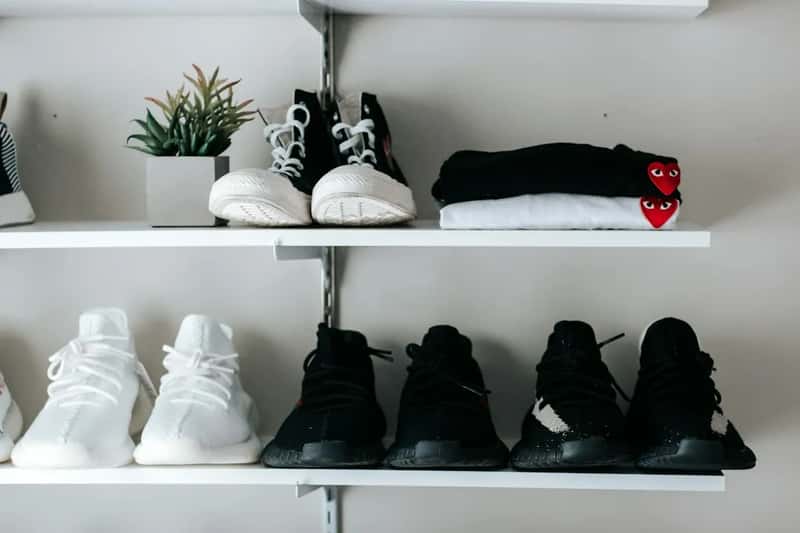
Shoes stay at the door. One etiquette guide calls removing shoes non-negotiable in Korean homes.[1] You’ll usually find a shoe rack or a small entrance area, called the hyeongwan, where they belong.[1]
Don’t wait for the host to remind you. Slipping your shoes off as soon as you step in is the polite default. Then set them neatly at the side, not in the middle of the entry space.
Wear Clean Socks and Accept the Slippers
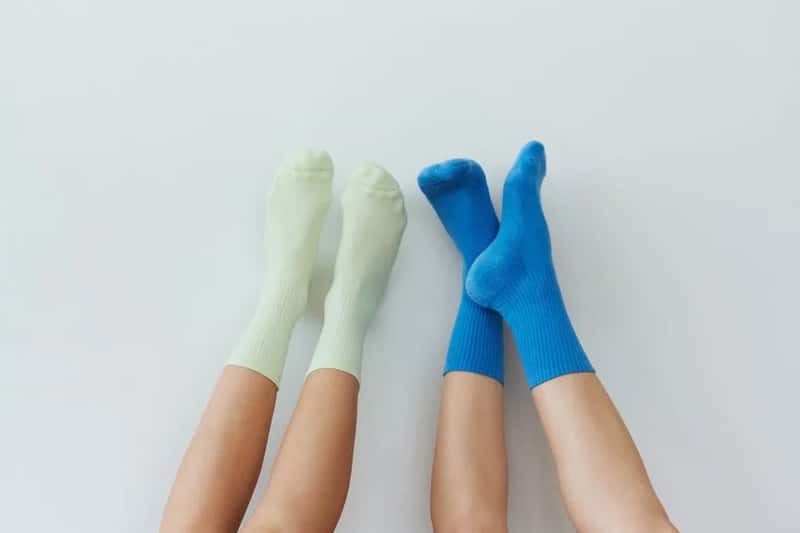
Since your shoes will come off, your socks are on display. A Korean writer advises wearing socks or tights without holes.[2] Another guide adds that strong odors get noticed too.[1]
Some hosts set out slippers for guests. If none are offered, it’s fine to walk around in your socks.[1] Packing a fresh pair in your bag is an easy fix if you’ve been walking all day.
Bring a Practical Gift, Not a Fancy One
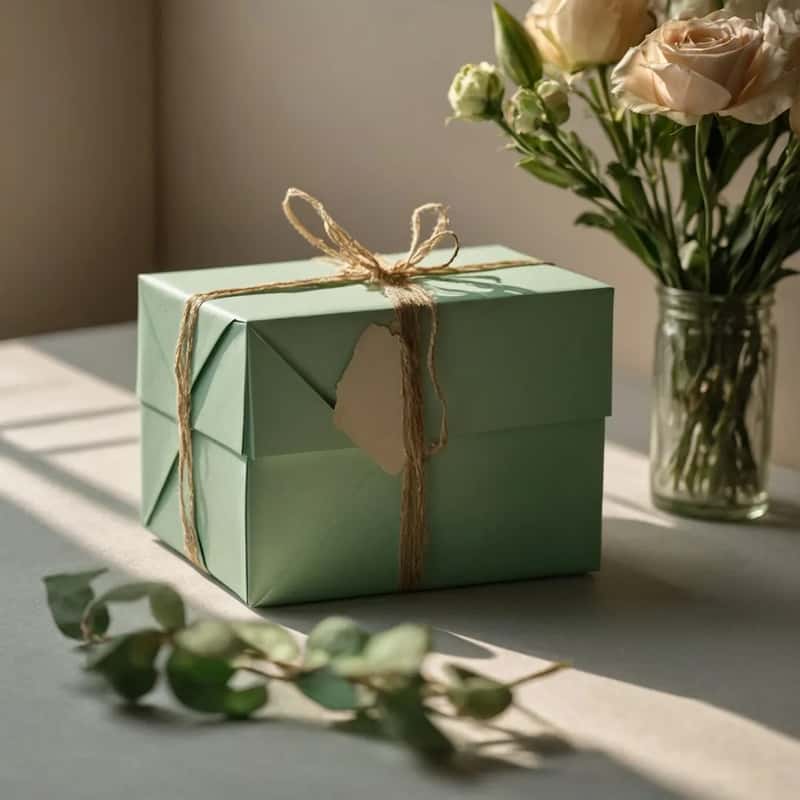
Arriving empty handed is a misstep, and a bottle of wine isn’t the usual answer. Inexpensive, practical gifts such as toilet paper or laundry detergent are the standard choice at a housewarming.[2] The same writer warns that a host saying to bring nothing shouldn’t be taken at face value.[2]
The practicality is the point. Cleaning supplies suggest a fresh start and a clean slate.[3] If you worry about overloading the host with toilet paper, paper towels or facial tissues are another option.[4]
Steer Clear of Gifts With Unlucky Meanings

Some items carry symbolism that can land badly. One gift guide lists sharp objects, shoes, umbrellas, sets of four and red writing on a name as things to avoid.[3] Knives and scissors, for instance, are said to suggest cutting a relationship.[3]
Not every taboo is followed by everyone. The shoe superstition is described as not universally observed.[5] Still, skipping these items costs you nothing, so it’s the safer path when you don’t know the household well.
Wait to Be Shown Where to Go
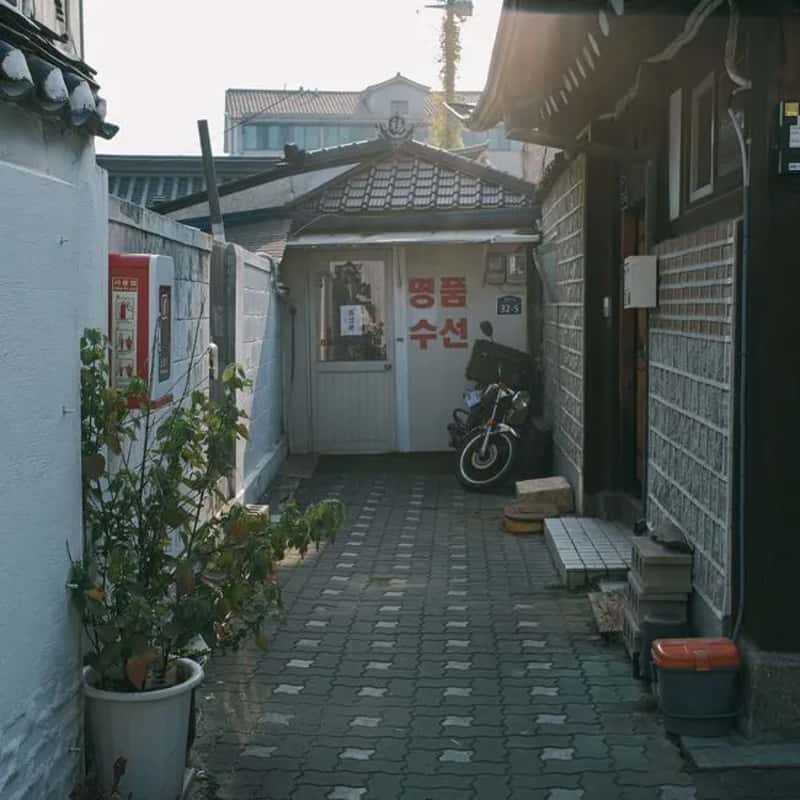
Once you’re past the entrance, hold back a little. Avoid walking into rooms uninvited, and wait to be directed to a seat.[1] Treat the home as the host’s space until they open it to you.
This matters most on a first visit. Peering into bedrooms or wandering to the kitchen can feel intrusive, even when meant as friendly curiosity. If you want a tour, let the host offer it.
Sit Properly, Especially Around Elders
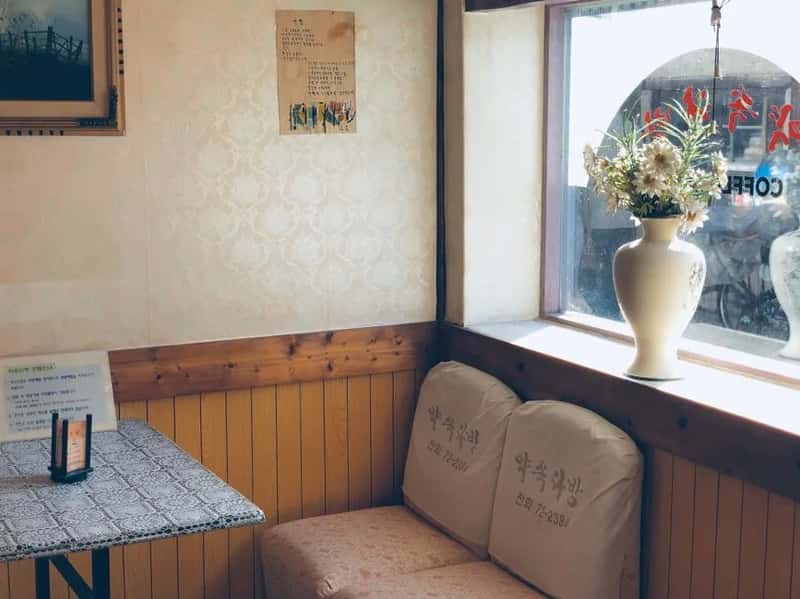
Posture says something in a Korean living room. Crossing your legs or sprawling on the floor can come across as too casual, particularly in front of older people.[1] Sitting upright, at least at the start, is a simple way to show respect.
You’ll often be seated at a low table, so comfort is a fair concern. Shift positions quietly if your legs get stiff. Watch what the older people in the room do and follow their lead.
Greet Everyone Politely
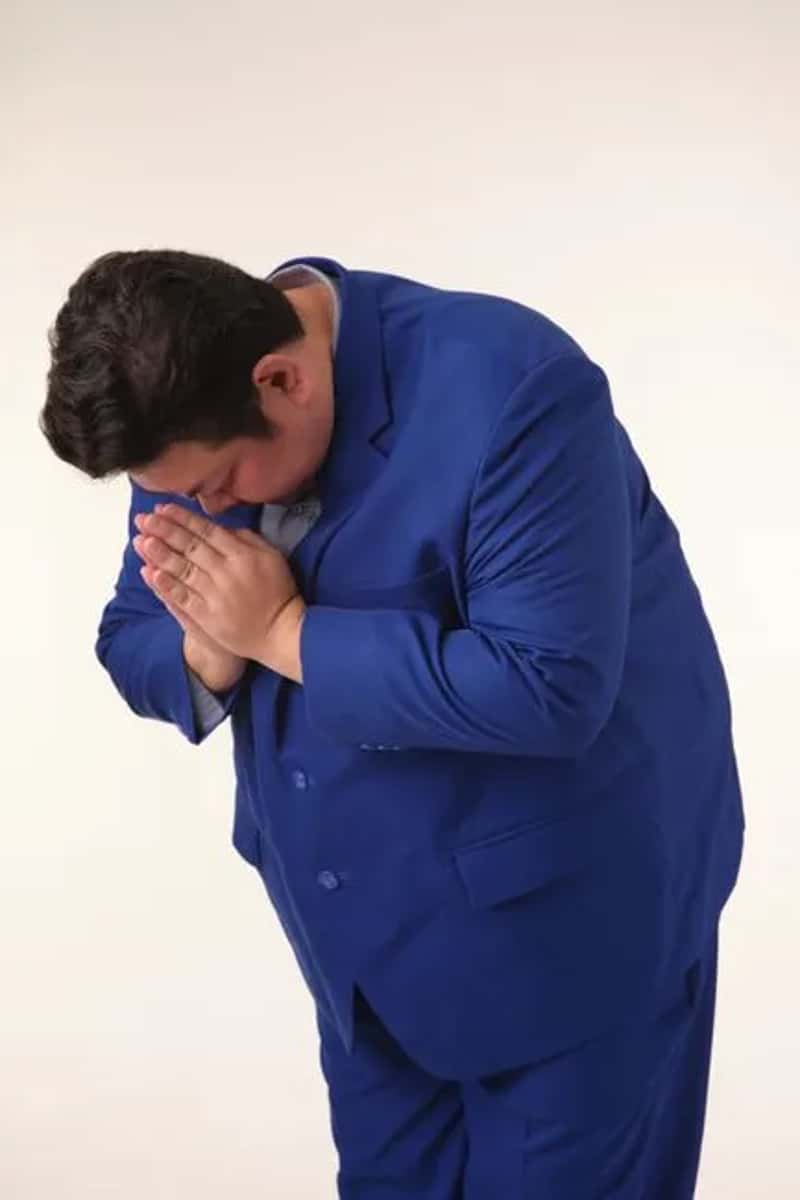
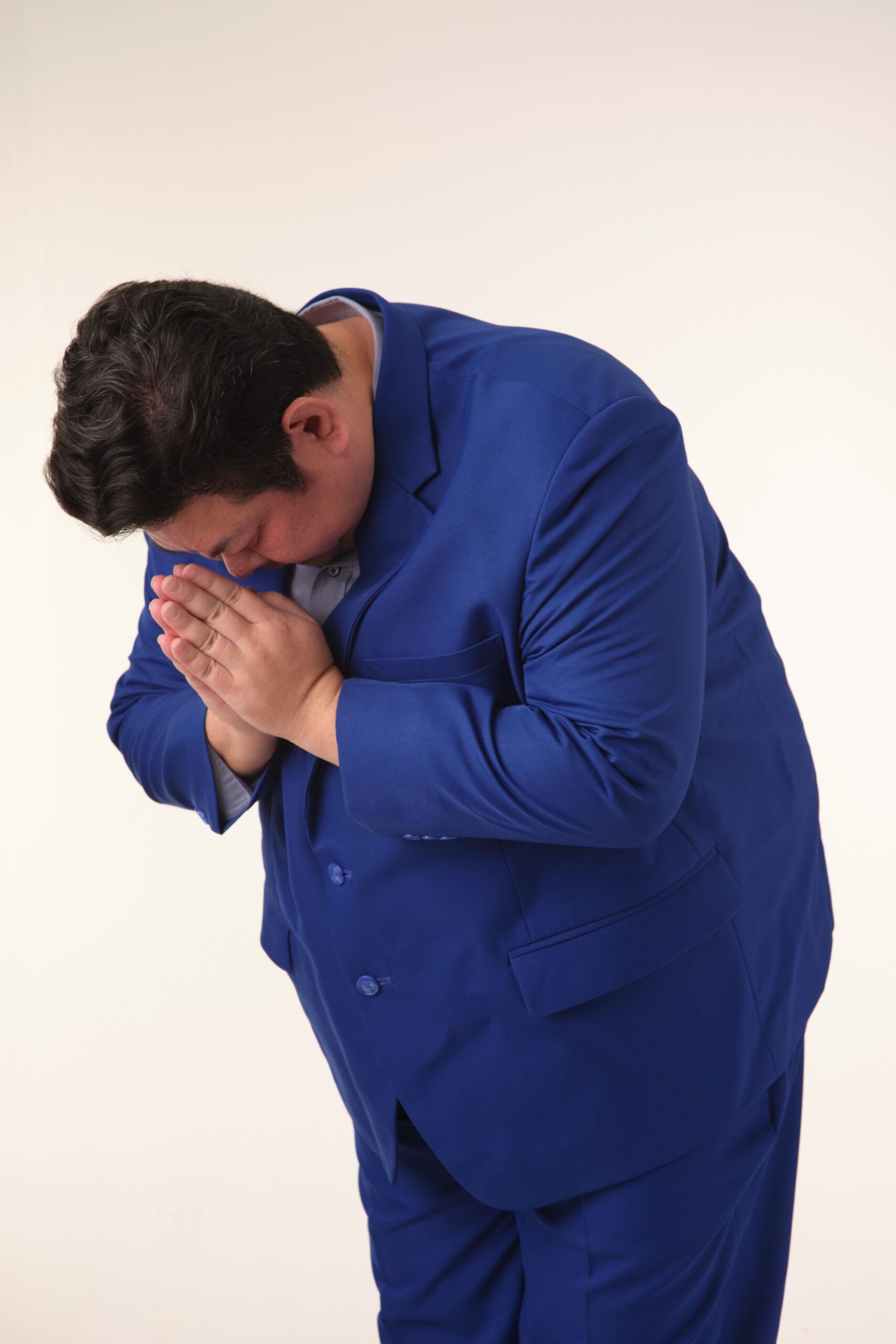
A proper hello sets the tone. Polite speech is recommended, especially with parents or older relatives, and a bow or a simple annyeonghaseyo goes a long way.[1] Greet the eldest people first if you can tell who they are.
Keep your volume in check afterward. The same guide suggests avoiding overly loud speech and not dominating the conversation.[1] Being a warm but modest guest is usually the goal.
Accept Food and Drink, Even a Little
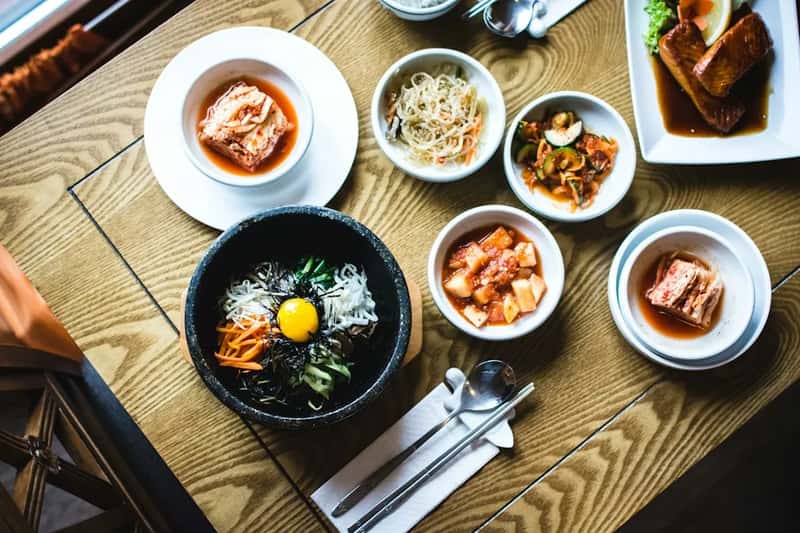
Refusing everything can feel cold to a host who’s been cooking. If you’re offered something, politely accept at least a little, since it shows respect.[1] A few bites of each dish are better than a flat no.
Hosts at a housewarming often go all out. They’re expected to prepare a full meal, not just snacks and drinks.[5] Japchae, a glass noodle dish, and bindaetteok, a mung bean pancake, are the traditional favorites.[5]
Understand How a Housewarming Works
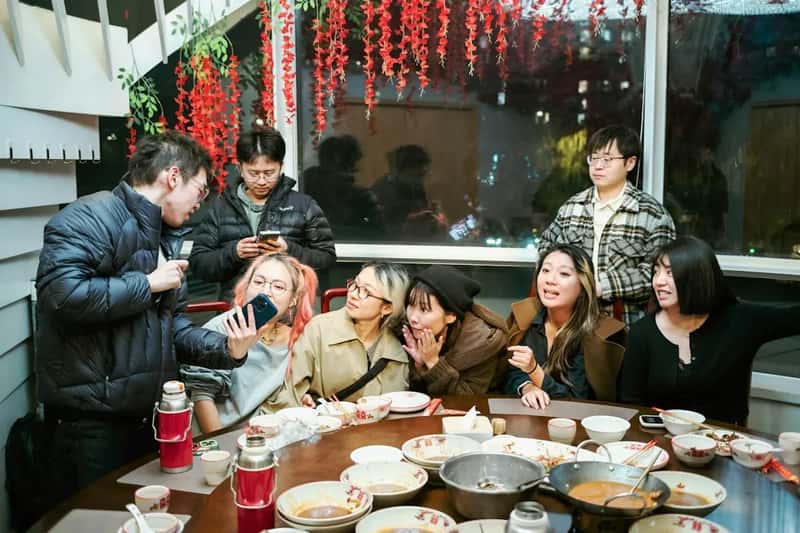
A housewarming in Korea is called jipdeuri. The word combines jip, meaning house, and deuri, meaning entering.[6] It’s usually held a few weeks or even months after the move, once the home is tidy enough for guests.[6]
The guest list can be specific. One Korean author says separate parties are thrown for family, friends and coworkers.[2] Newlywed couples also host one after returning from their honeymoon.[2]