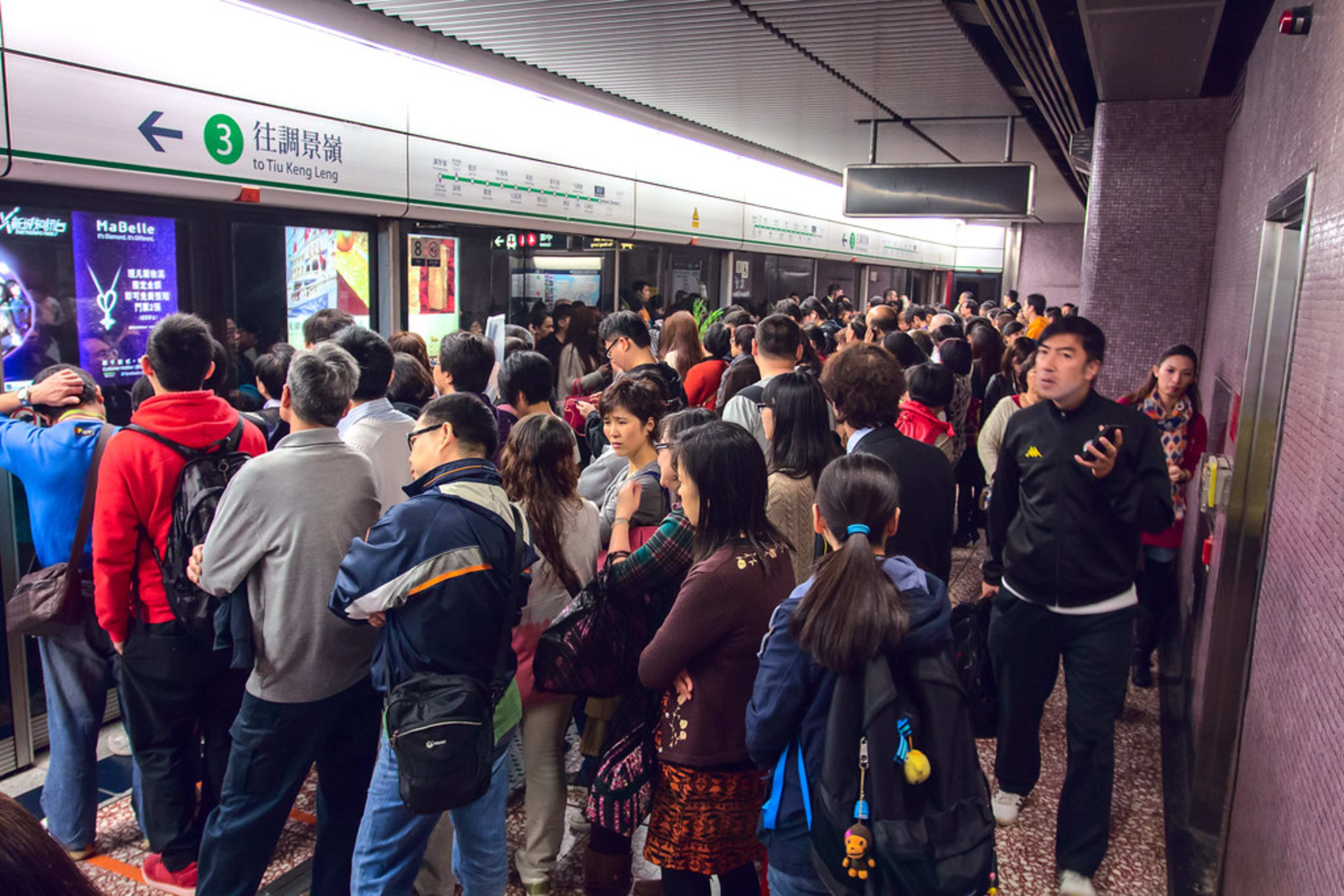

Checking into a hotel abroad carries a quiet sense of arrival. You made it. The hard part – the flights, the layovers, the baggage carousel anxiety – is behind you. It’s easy to relax too quickly, toss your bag on the bed, connect to the Wi-Fi, and start scrolling through dinner options like everything is fine.
Except that moment of ease is also when most tourists start making mistakes. Some are costly, some are a genuine security risk, and a surprising number of them happen within the first thirty minutes of walking through the door. Here are nine of the most common ones.
1. Putting Your Luggage on the Bed the Moment You Walk In
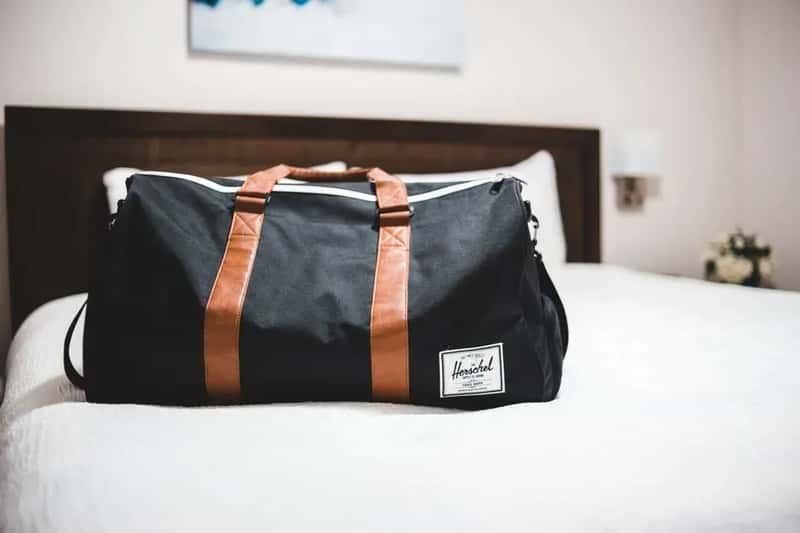
It feels completely natural. You open the door, wheel in your suitcase, and toss it on the nearest flat surface – which usually happens to be the bed. Travel experts are clear: you should not put luggage on the hotel bed, because bed bugs can be rife in hotels purely because of how many people pass through them. Contrary to popular belief, bed bugs don’t discriminate and can be found in any hotel – luxury to inexpensive – and any home, big, small, clean, or dirty.
When you arrive in your room, immediately place your luggage on a tiled floor in the bathroom or kitchen, where the insects are unlikely to hang out. Even if the place looks immaculate, it could still harbor bedbugs, the EPA notes. Check mattresses and box springs for signs of bedbugs before settling in. A quick two-minute inspection costs nothing and can save you weeks of misery back home.
2. Connecting to Hotel Wi-Fi Without Any Protection

Connecting to the hotel’s Wi-Fi network has become second nature for travelers. It’s fast, convenient, and usually free – but it’s far from secure. Many travelers assume that hotel networks are safer than public hotspots at airports or cafes, but in reality, they can be just as risky. During summer 2024 alone, a staggering majority of North American hotels were hit with successful cyberattacks, with well over half of hotels being targeted five or more times.
Hackers can set up their own Wi-Fi networks with names that closely mimic the hotel’s official one. If you connect to one of these rogue networks, your traffic can be monitored or redirected to malicious sites. Cybersecurity specialists advise using a VPN, avoiding sensitive transactions like banking on hotel Wi-Fi, and enabling two-factor authentication on all critical accounts to stay protected while traveling.
3. Skipping the Room Inspection After Check-In
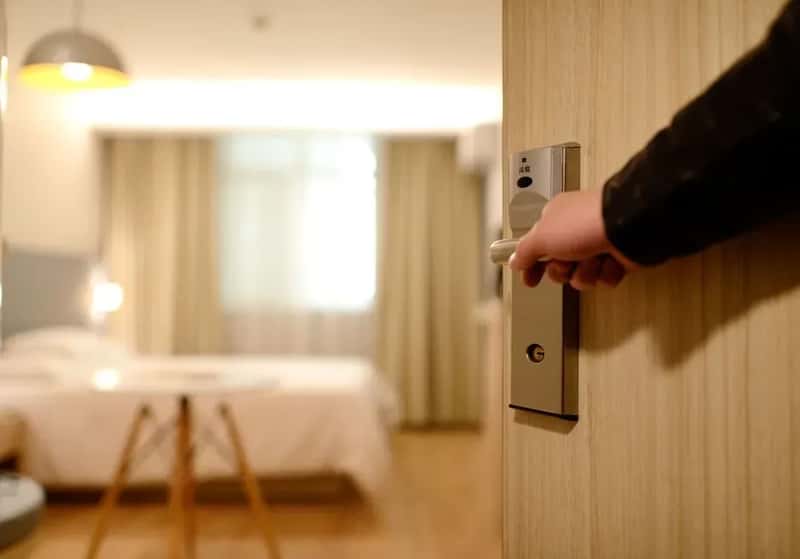
After you check in, you should check behind curtains, under the bed, and around the room to ensure it is safe. Make sure the phones in your room work. Check for carbon monoxide detectors, fire alarms, and fire extinguishers. Ensure all doors and windows, including the bathroom door, lock properly. Most guests skip all of this completely, treating the room as automatically safe simply because it belongs to a hotel.
Surveys suggest roughly one in nine travelers have discovered hidden cameras in their lodgings. While rare, it’s always better to be safe than sorry. Start by visually inspecting your room – scan for odd decor, stray wires, or anything out of place. Pay close attention to common hiding spots like smoke detectors, air vents, alarm clocks, and even furniture or bathroom amenities. Shining your phone’s flashlight can help, as camera lenses often glint under light.
4. Not Using All the Door Locks Available to You
Your hotel room door is your best barrier to external risk. When inside your room, make sure you use all the locks provided. Do not open the door unless you are completely sure who you are opening it for. Hotel key cards can sometimes be overridden by master keys. That’s not a theoretical concern – it’s a documented vulnerability across all price categories of hotels.
If your hotel room lacks a secondary lock or a latch, consider packing a rubber or alarmed door stopper, or a portable door lock – most cost under $10 and add an extra layer of security to keep unauthorized entry at bay. Portable door locks fit most doors and can prevent them from opening from the outside, even if the intruder has a key. It’s one of the most underused pieces of travel gear out there.
5. Touching the Minibar Without Understanding How It Works

This one catches people off guard more than almost anything else. You open the little fridge, pick up a bottle of sparkling water to read the label, put it back, and think nothing of it. Some travelers find themselves with unexpected charges simply because they weren’t aware of the sensor technology in place. In some hotels, guests are automatically charged for minibar items when sensors detect anything has been moved for more than 60 seconds.
Modern minibars use weight sensors that automatically charge your room the moment an item is moved. Pick up a $9 bottle of water to read the label, set it back down, and the charge still appears on your bill. Some travelers report needing multiple calls after their stay to reverse incorrect minibar fees. The simplest fix is to avoid touching anything in the minibar. If you need snacks or drinks, visit a nearby convenience store or grocery instead.
6. Ignoring Hidden Fees Until Checkout

Hidden costs are commonly known as “resort fees” or “amenity fees” and have long frustrated consumers who discover their room costs far more after undisclosed fees for Wi-Fi, gym access, or pool use. Many hotels in Las Vegas, for example, advertise room rates lower than the resort fee itself, causing the total price to more than double the advertised price. This is a trap that catches even experienced travelers off guard, especially abroad where fee structures vary wildly.
Effective May 12, 2025, the FTC’s Rule on Unfair or Deceptive Fees prohibits bait-and-switch pricing and other tactics used to obscure and misrepresent total prices and fees for live-event tickets and short-term lodging. However, the FTC’s all-in pricing rule only covers U.S. properties. International reservations still carry the risk of surprise surcharges at the front desk. Always ask about the total bill upfront when you’re staying abroad.
7. Accepting a Ground-Floor Room Without Thinking Twice
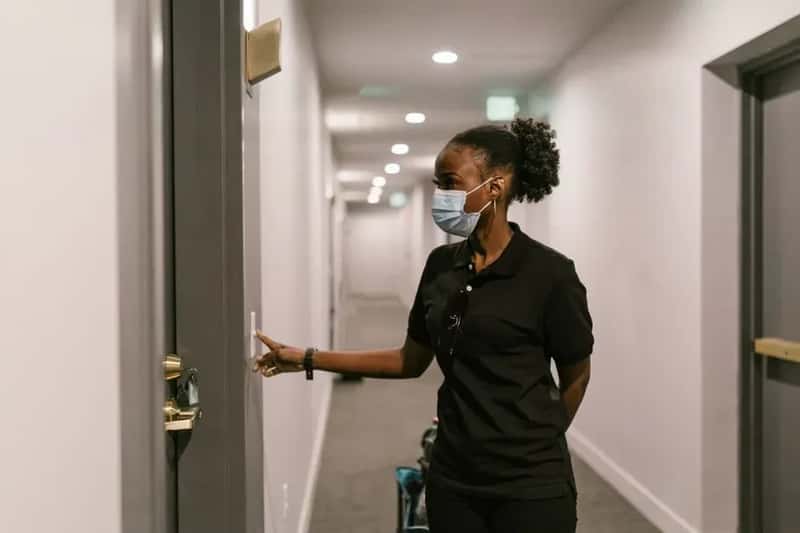
Many tourists accept ground-floor rooms without question. Many safety experts recommend staying between the third and sixth floors – where rooms are high enough to avoid easy break-ins, but low enough to be reached by fire engine ladders. Ground-floor rooms are easy targets for intruders, especially those with easy access via balconies. Rooms at the end of hallways or those with adjoining doors are also best skipped for added security.
The idea is to stay in a room low enough to get out of in the event of a fire and high enough to avoid intruders through the window. Definitely avoid the ground floor and the first floor, as those are prime spots for break-ins. Equally, you don’t want to be too high up, as emergency services may struggle to reach upper floors with ladders in some situations. It’s a simple thing to ask at the front desk and well worth the two-minute conversation.
8. Leaving Valuables in Plain Sight or Skipping the In-Room Safe
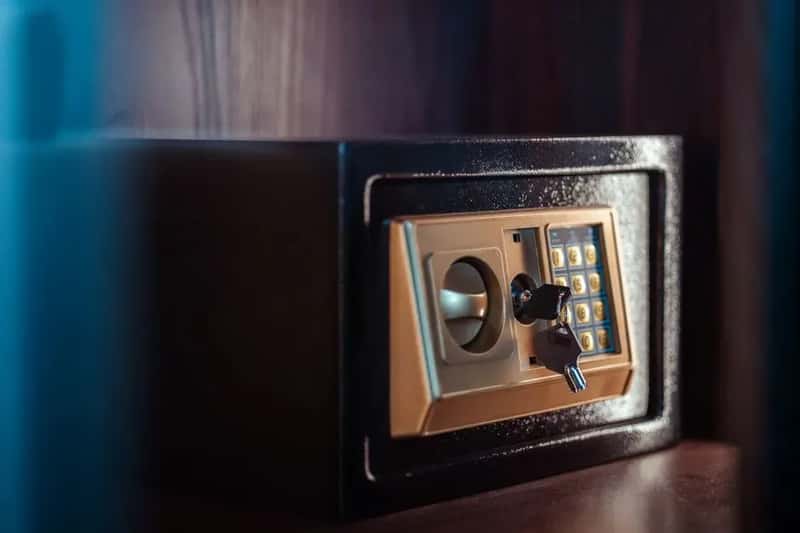
Tourists consistently underestimate how visible their belongings can be. A passport on the nightstand, a laptop open on the desk, a wallet peeking out of a jacket pocket hung on the door – it’s an invitation. Use the safe in your room to secure copies of your documents. If your room does not have a safe, consider packing your travel documents in a bag with a travel lock for an added layer of security.
Protect your valuables by using the hotel safe, or better yet, leave them at the front desk while you’re out. Get a written receipt for anything you leave with the front desk and find out whether you’re covered in case of loss. Many hotels do not accept liability for items left in guestroom safes. That last point is important – a safe doesn’t equal insurance, so know your coverage before you assume you’re protected.
9. Announcing Your Room Number or Posting Your Location in Real Time
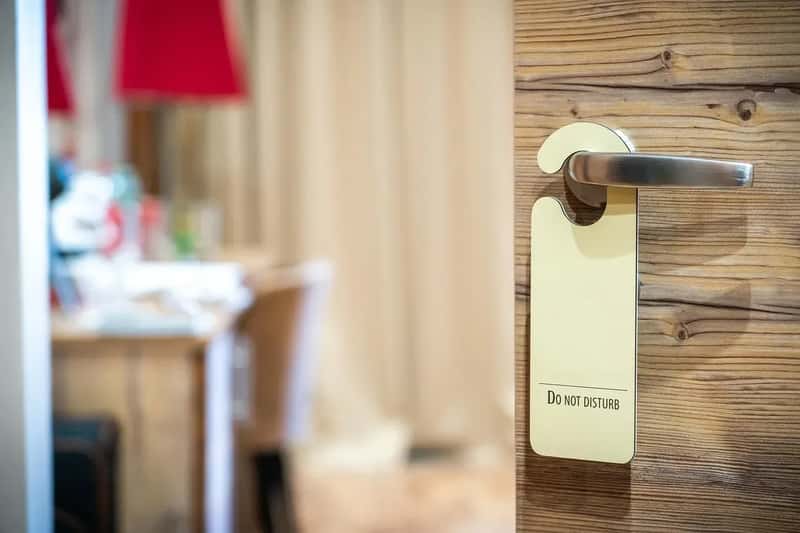
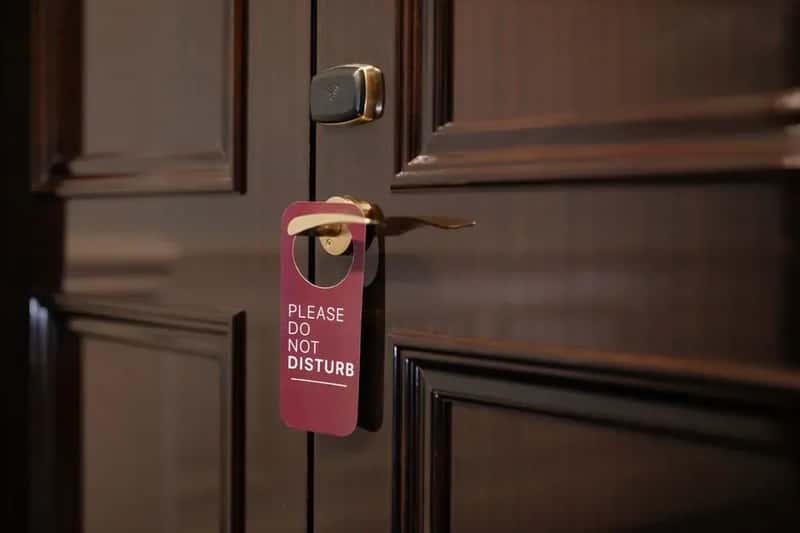
Be discreet with your room number and don’t hesitate to request a new room if hotel staff accidentally says it out loud. Hang the “Do Not Disturb” sign on your door once you enter your room and leave it up until you check out. Have reception write down your room number instead of saying it aloud, but don’t keep the written room number and room key together.
Being mindful about what you share on social media matters here too. Posting real-time updates that reveal your exact location or room view can unintentionally advertise where you’re staying. Leaving the “Do Not Disturb” sign on your door and leaving a light or the television on provides the illusion that someone is in the room when you go out and deters break-ins. Small habits, reliably practiced, make a real difference over the course of a trip.
Foreign hotels are genuinely exciting places – new rhythms, unfamiliar design, a different kind of quiet at night. None of these precautions need to take over your experience. Most take under five minutes to carry out. The travelers who get caught out are almost always those who assumed familiarity where none existed, treating a room in Bangkok or Lisbon or Buenos Aires exactly like their bedroom at home. A little awareness at check-in goes a long way toward making sure the only thing you bring back from your trip is good memories.