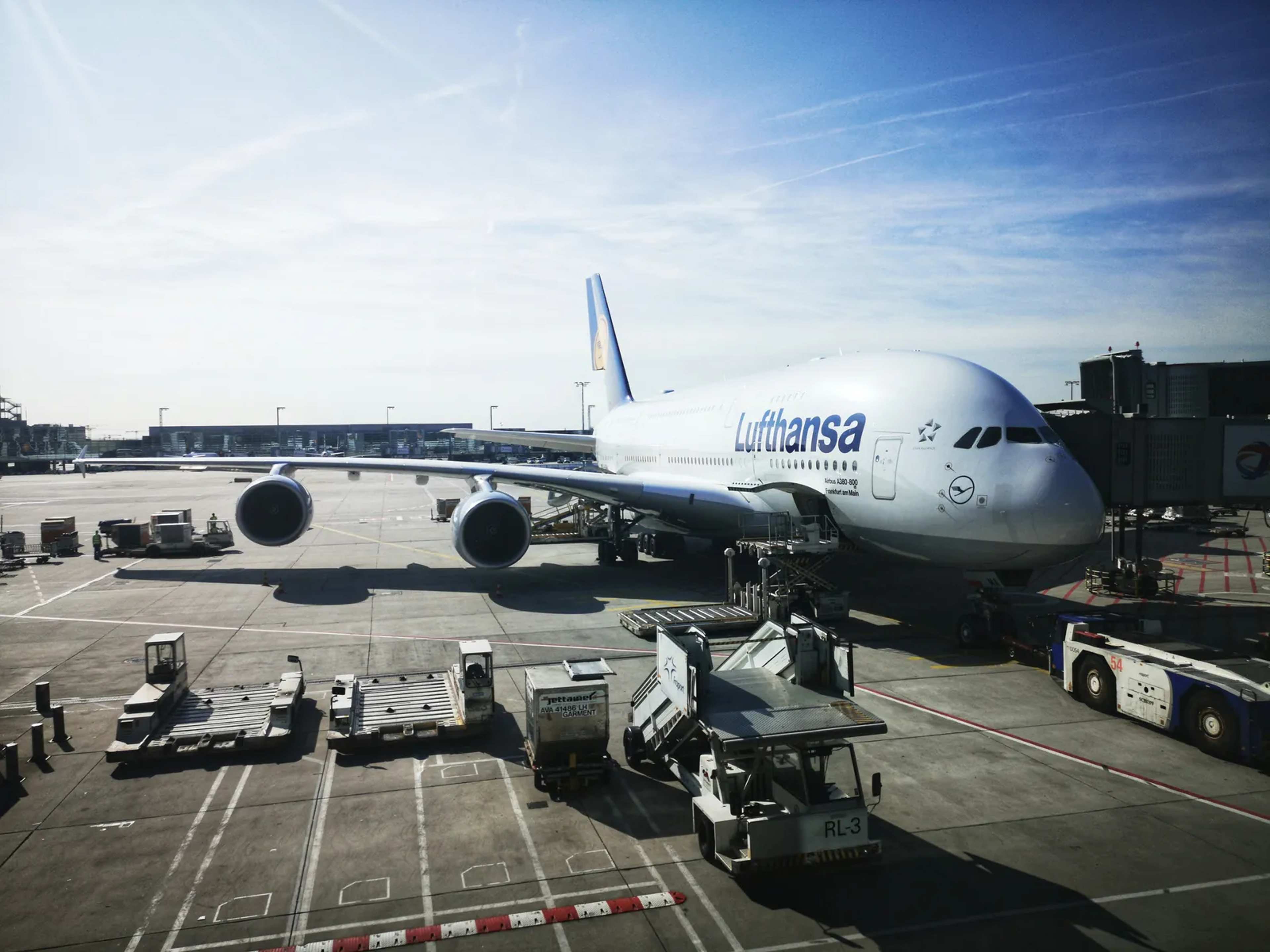
There was a time when getting somewhere was half the point of the trip, not just an inconvenience to be minimized with the fastest booking app. Travel used to come with rituals: buying a physical ticket, writing a postcard, wandering into a place with nothing but a paper map and a willingness to get lost. Somewhere along the way, efficiency won out over experience, and a lot of the small, human touches got left behind.
None of this is about rejecting modern convenience wholesale. It’s more about noticing what got lost in the shuffle and asking whether some of it might actually make travel better again. Here are nine old-school habits worth bringing back.
1. Writing and mailing postcards
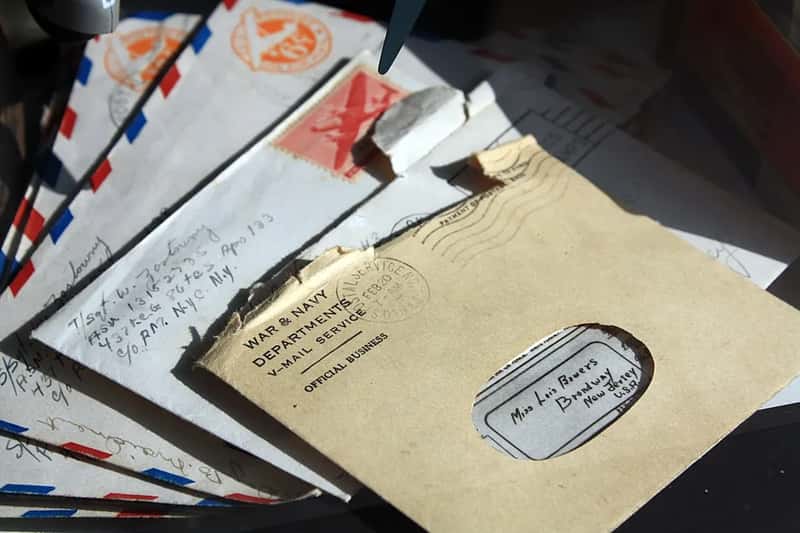
Before smartphones turned every trip into a live broadcast, travelers sent postcards, small paper snapshots of a place that took days or weeks to arrive. The delay was part of the charm. By the time a card landed in someone’s mailbox, the sender had often moved on to another city entirely, which gave the whole exchange a strange, time-lagged intimacy that a text message never replicates.
Postcards also forced a kind of editing that Instagram captions don’t. You had maybe four lines to describe a place, so you picked your words carefully instead of dumping fifty photos into a feed. A few boutique hotels and museum gift shops still stock postcard racks, and postal services in Europe and Japan in particular have kept the tradition alive, but it’s become a niche habit rather than a default one.
2. Reading paper maps and getting lost on purpose
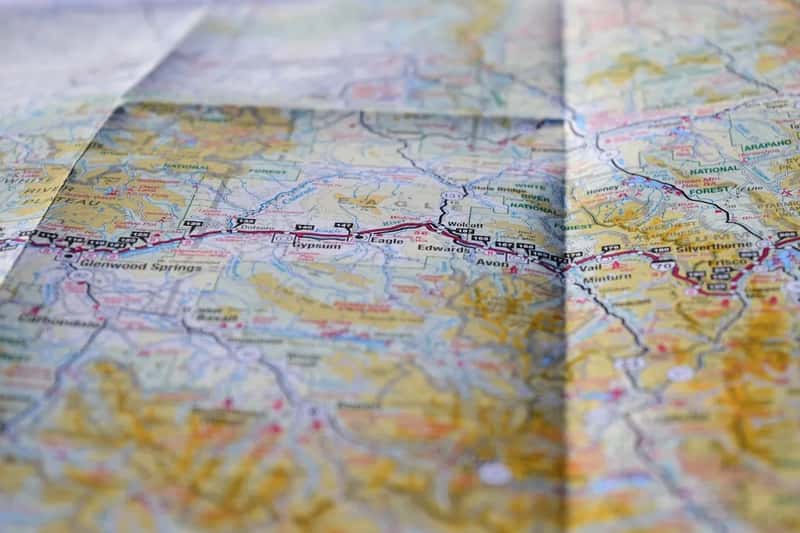
GPS turned navigation into a solved problem, which is convenient but also a little flattening. Paper maps demanded that travelers actually look at a place, notice how neighborhoods connected, and sometimes take a wrong turn that led somewhere unexpectedly good. That kind of accidental discovery is much harder to stumble into when a phone is narrating every turn.
There’s also a spatial memory benefit that researchers have pointed to for years: people who navigate with paper maps tend to build a better mental picture of a city than those who follow turn-by-turn directions on a screen. Tourist offices in cities like Paris and Kyoto still hand out printed maps at their information counters, a small nod to travelers who want to look up instead of down.
3. Dressing up for flights
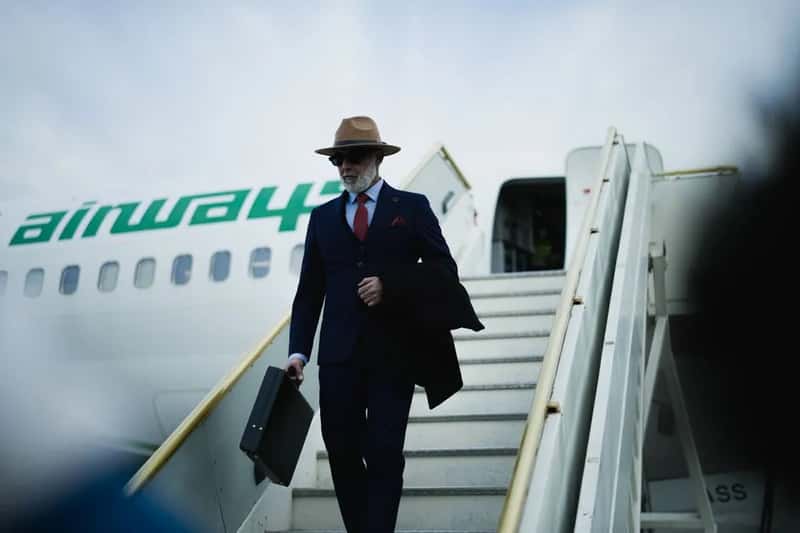
Air travel used to be an event. Passengers in the 1950s and 60s wore suits, dresses, and hats to board a plane, treating the experience with a formality that feels almost quaint now that leggings and hoodies dominate economy cabins. The shift makes sense given how much more common flying has become, but something about the ritual of dressing for a journey gave it weight.
This isn’t a call to bring back neckties on a red-eye to Denver. It’s more a case for treating travel days as slightly different from ordinary days, wearing something with a bit more intention rather than whatever is comfortable enough to sleep in. A few airlines, including Singapore Airlines with its longstanding sarong kebaya uniforms, have kept a sense of occasion alive on the crew side even as passenger style has relaxed considerably.
4. Keeping a handwritten travel journal
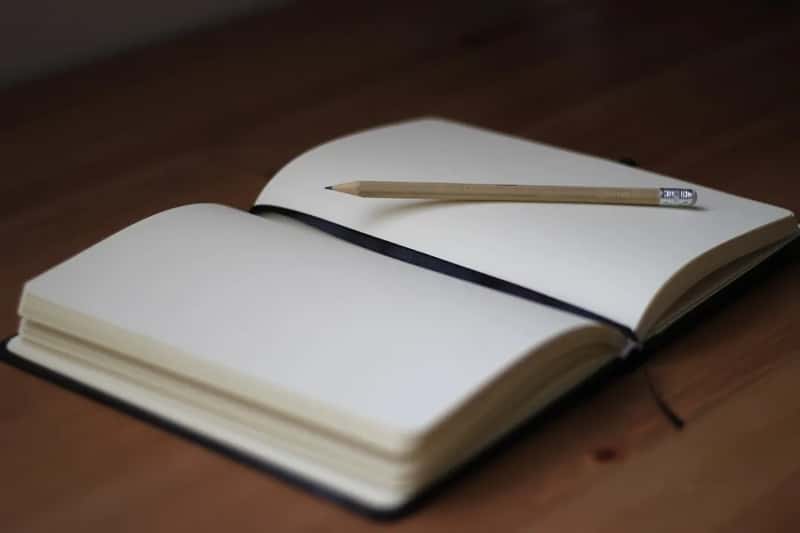
Long before travel blogs and TikTok recaps, journals were where people processed what they’d actually seen. Writers like Mark Twain and later travelers such as Bruce Chatwin built entire books out of journal entries scribbled in notebooks during their trips, turning observation into something more permanent than a caption. The act of writing by hand slows a person down in a way typing doesn’t.
A journal also captures details a photo can’t, like the smell of a market or an overheard conversation on a train. Moleskine notebooks became something of a cult object among travelers in the 2000s partly because they revived this exact habit, giving people a tactile place to record a trip rather than just archiving it in a camera roll. Even a few lines a day adds up to something worth rereading years later.
5. Collecting souvenirs that meant something
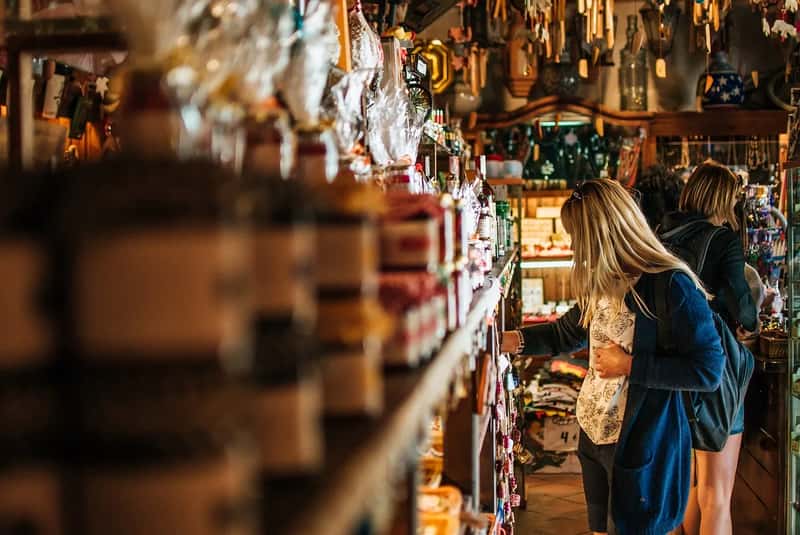
Souvenirs used to be specific: a ceramic tile from Lisbon, a hand-carved chess piece from Prague, a bottle of local wine bought straight from a vineyard. These were objects tied to a place and a memory, not generic keychains stamped with a city name and mass-produced somewhere else entirely. The hunt for the right item was part of the trip itself.
That kind of souvenir shopping required conversation, usually with a shopkeeper who could explain where something came from and how it was made. It also supported small, local businesses in a more direct way than buying a magnet at an airport gift shop ever could. Markets in places like Marrakech and Istanbul still preserve this tradition reasonably well, though tourist-trap versions have multiplied everywhere else.
6. Traveling by train for the journey itself
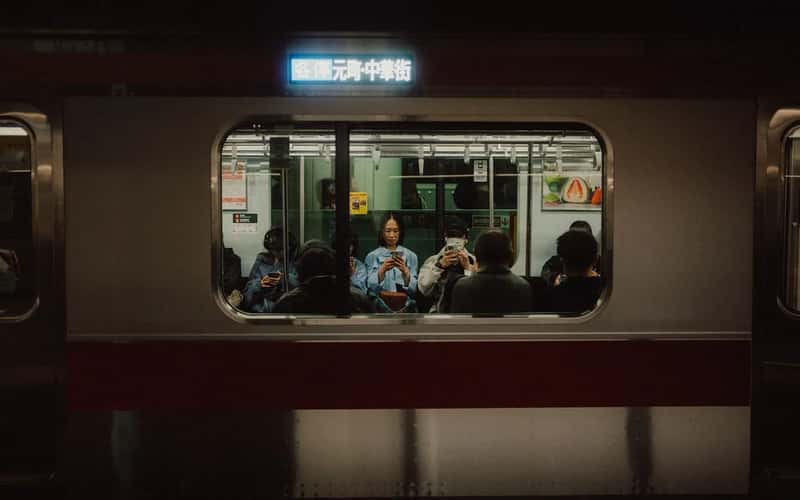
Long-distance train travel used to be treated as an experience in its own right, not just a slower alternative to flying. Classic routes like the Orient Express in Europe or the Trans-Siberian Railway turned the trip into the destination, with dining cars, sleeper compartments, and hours spent simply watching landscapes change outside the window. The pace allowed for actual conversation with strangers and time to think.
Interest in this kind of slow travel has been climbing again, partly driven by growing concern over aviation’s carbon footprint. European rail operators have reported rising demand for night trains since 2023, with countries including Austria, Sweden, and Germany expanding or reintroducing overnight routes that had been discontinued decades earlier. It’s a small but real signal that the romance of rail travel never fully disappeared, it just needed a nudge.
7. Packing light with a single suitcase

There’s an old-fashioned discipline to packing everything into one bag, a habit that predates budget airlines charging fees for anything beyond a single carry-on. Travelers in earlier decades often managed extended trips with a single trunk or suitcase, planning outfits and essentials with real intention instead of throwing in extra “just in case” items. It forced decisions before the trip even started.
Modern baggage fees have quietly revived some of this discipline out of necessity, but the mindset behind it is worth reclaiming on purpose rather than by accident. Packing light tends to make travelers more mobile and less weighed down, literally and mentally, and it cuts down on the stress of managing multiple bags through airports and train stations. A capsule wardrobe approach, choosing a handful of versatile pieces, mirrors exactly what earlier generations did without a name for it.
8. Asking locals for recommendations instead of relying on review apps

Before Yelp and TripAdvisor existed, finding a good meal meant asking a hotel concierge, a shopkeeper, or a stranger on the street. This produced recommendations shaped by local knowledge rather than algorithm-driven rankings or paid placements, and it often led travelers to places that never would have shown up in a search result at all. The exchange itself, a brief chat about where to eat, was part of the travel experience.
Review platforms are genuinely useful, but they’ve also flattened a lot of local color into star ratings and templated write-ups. Asking a real person still tends to surface small, unpretentious places that thrive on word of mouth rather than online visibility. Some travelers have started deliberately closing the apps for a day or two specifically to force this kind of interaction back into their trips.
9. Sending and receiving letters from the road

Postcards were quick, but full letters were where real travel storytelling happened. Explorers and everyday travelers alike once wrote long letters home describing what they’d seen, and those letters often became the only lasting record of a trip once memories faded. The format allowed for reflection that a quick social media update simply doesn’t invite.
Letters also created anticipation on both ends, the traveler wondering when a reply might catch up with them at a hotel or poste restante address, the recipient waiting for news that took time to arrive. That built-in patience is almost entirely gone from how people communicate while traveling now. A handful of travelers have started reviving the habit specifically as a way to slow down and process a trip instead of narrating it in real time.
None of these traditions require abandoning a phone or booking system entirely. Most of them work best as small additions to modern travel rather than replacements for it, a postcard alongside a photo, a paper map alongside GPS, a journal entry alongside a status update. The old habits survived for a reason, and a little bit of friction in travel often turns out to be exactly what makes it memorable.