Finding a place to live has gotten harder, not easier, in most U.S. cities over the past couple of years. Low inventory and rising rents have pushed more renters to search fast and trust quickly, which is exactly the environment scammers count on. Recognizing a handful of warning signs before you send a single dollar can save you from becoming one of the tens of thousands of people who report losing money to fake listings every year.
1. The rent is noticeably below market value
A price that seems too good for the neighborhood is one of the oldest tricks in the book, and it still works. Looking into typical rents nearby is worthwhile, because if the advertised rent is a lot cheaper than most rents in the area, it could be a sign of a scam.[1] Scammers know that a bargain price is what gets the clicks and the calls.
This tactic shows up across platforms, not just old-school classifieds. A 2026 study of rental listings on TikTok found that the vast majority carried warning signs of a potential scam, including properties advertised for significantly less than market value.[2] If a two-bedroom in a hot neighborhood is priced far under everything else nearby, treat that gap as a question that needs answering, not a stroke of luck.
2. The same listing appears on multiple sites with different details
Copy-paste fraud is common enough that it has its own pattern. Searching the rental address online is a good first step, and if you find the same property listed with different prices or contact information, it’s likely a scam.[1] Scammers often lift real photos and descriptions from a legitimate posting, then republish the same unit elsewhere under their own name.
The inconsistencies are usually the giveaway. The FTC calls this one of the two most common setups, where the red flag is the same apartment showing up on two sites with two different contacts.[3] A quick reverse search of the address and photos before you reach out can expose the mismatch in minutes.
3. The property is actually listed for sale, not for rent

One particularly sneaky variation involves homes that are on the market to be sold, not leased. If you find the home listed for sale instead of for rent, that’s a big red flag.[1] Vacant houses waiting for a buyer are easy targets because there’s no actual tenant around to notice the fraud.
This isn’t a rare edge case either. Many would-be renters report discovering that the scammer copied an ad for a property that was really for sale, not for rent.[4] A quick check on a real estate listing site can confirm whether a home is genuinely available to rent at all.
4. You’re asked to pay before seeing the place in person
Pressure to send money sight unseen is a hallmark of rental fraud. Scammers pressure you for money upfront before you’ve even seen the place in person, often saying you need to pay an application fee, security deposit, or first month’s rent to “hold” the property.[1] A legitimate landlord almost never needs your cash before you’ve walked through the door.
Self-guided tours have made this easier to fake convincingly. As a rule, these scammers will not meet you in person to show the property, but they may set you up with a self-guided tour to help convince you they’re legit, copying listings from landlords who use self-tour services and sending a code to open a lockbox holding the keys.[4] Insist on meeting a real person, or at minimum confirm the property manager’s identity through an independently verified phone number.
5. The listing surfaces on social media rather than a verified rental site

Where a listing lives matters almost as much as what it says. While these scams show up on many websites, Facebook is the most reported platform.[1] The open, low-barrier nature of social posting makes it simple for fraudsters to spin up convincing ads at scale.
The numbers back this up clearly. In the 12 months ending in June 2025, about half of people who reported a rental scam said it started with a fake ad on Facebook, and another 16% said the scam started with a fake listing on Craigslist.[1] More recently, investigators have also flagged TikTok as an emerging channel, so treat any rental ad found through a social feed with extra scrutiny regardless of platform.
6. You’re pushed to hand over sensitive personal information early

Legitimate landlords follow a fairly predictable sequence, and sharing your Social Security number before you’ve even applied isn’t part of it. Until you’ve agreed to rent a place, a landlord doesn’t need your Social Security number, credit score, or other sensitive information, and legit landlords normally pull your credit score themselves rather than asking you to get it for them.[1] If someone asks for that data before you’ve toured the unit or signed anything, slow down.
Scammers use this information for more than just the immediate scam. Some collect personal information to steal your identity, telling you to complete an application with details like your Social Security number, a picture of your driver’s license, paystubs, and other personal details they can use to steal your identity.[4] Treat any request for documents like these, made before a lease is even discussed, as a serious warning sign.
7. You’re directed to a sketchy “credit check” link

A related trick involves fake credit verification services dressed up to look official. Scammers say you need to show you’re creditworthy by sending screenshots of your credit scores, then send links to websites that let you sign up for a credit check, often for just a dollar.[1] The low price tag is designed to make the request feel harmless.
The real cost shows up later, often quietly. Signing up may enroll you in a paid membership with recurring fees, and the scammer may make money as an affiliate for each enrollment.[1] Stick to well-known credit bureaus if a landlord genuinely needs to verify your score, and never click a link embedded in a rental ad to do it.
8. Payment is requested through wire transfer, cash apps, or gift cards
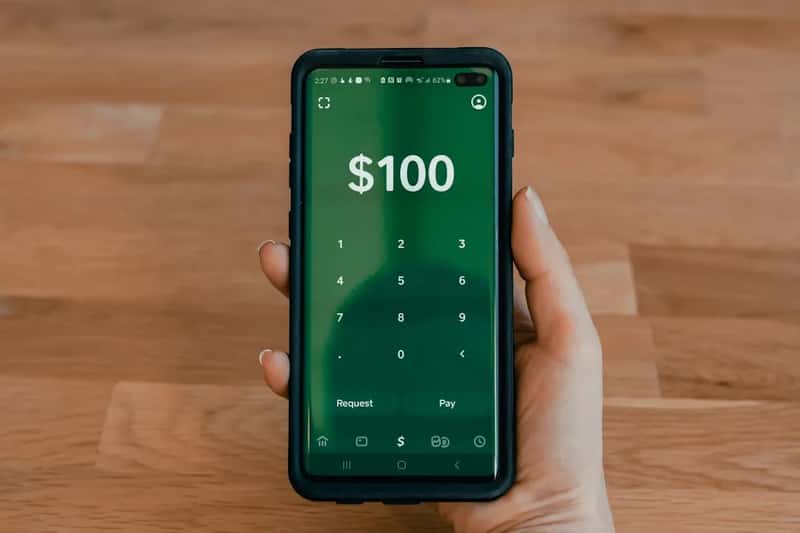
How someone asks you to pay says a lot about their intentions. Scammers overwhelmingly favor payment methods that are fast, hard to trace, and nearly impossible to reverse, such as wire transfers, Zelle, or prepaid gift cards, rather than a check or a payment through a verified property management platform.
This preference lines up with the losses on record. Fake rental listing scams are rising, with FBI real estate fraud losses exceeding $275 million in 2025.[5] The agency’s complaint volume also jumped sharply that year, with the FBI receiving 12,368 real estate fraud complaints in 2025, up from 9,359 in 2024, as reported losses climbed from about $174 million to more than $275 million.[5] If a landlord insists on an untraceable payment method and refuses any alternative, that alone is reason enough to walk away.
9. There’s constant pressure to act immediately

Urgency is the emotional lever that makes every other tactic work. If anyone pressures you to make a decision quickly to get a great deal, walk away.[1] Scammers know that a hesitant renter is a renter who might start asking questions.
This pressure tends to hit younger renters especially hard. Rental scams can happen to anyone, but reports suggest young people are the hardest hit, with people ages 18 to 29 three times more likely than other adults to report losing money to a rental scam.[1] A genuine landlord will generally give you at least a day or two to review a lease; anyone who won’t is telling you something important about how they operate.
Taken together, these nine signals rarely appear in isolation. A listing that’s cheap, urgent, and requesting an untraceable payment before a showing is a very different situation than one that’s simply well-priced and quick to respond. The FTC’s own data shows the scale of the problem is real: since 2020, nearly 65,000 rental scams have been reported with roughly $65 million in losses, and that figure almost certainly understates the true damage since most incidents never get reported at all.
The most reliable defense remains the simplest one. Verify the address independently, insist on an in-person or verified video tour, confirm the landlord’s identity through a source you found yourself rather than one they provided, and never send money before you’ve seen the property and reviewed a lease. None of that guarantees a scam-free search, but it closes off the openings that fraudsters rely on most.